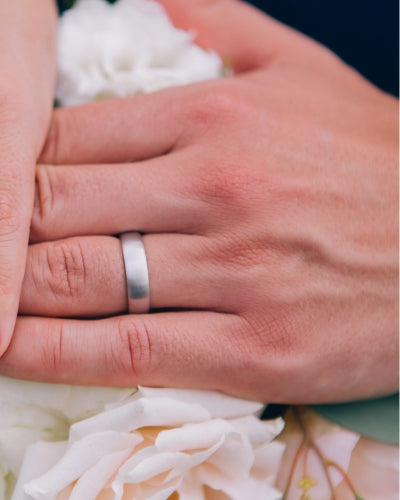
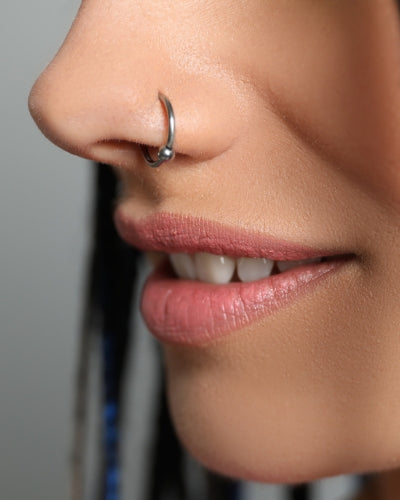
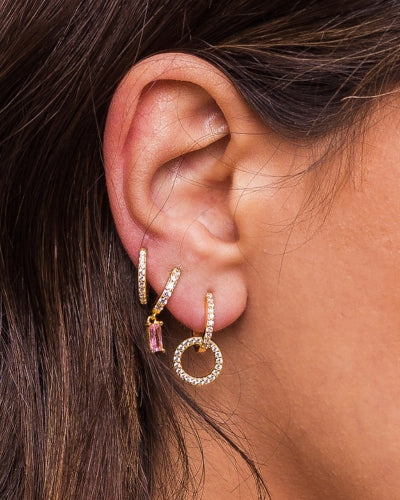
China’s relationship with precious jewelry is ancient, layered, and deeply symbolic. Long before a natural diamond engagement ring became a familiar expression of romantic commitment, Chinese courts, families, artisans, and merchants used jewelry to communicate rank, prosperity, protection, virtue, family continuity, and spiritual harmony. Jade, gold, silver, pearls, coral, turquoise, kingfisher-feather inlay, and carved hardstones dominated much of that early story. Natural diamonds entered the Chinese jewelry vocabulary gradually, then gained remarkable cultural and commercial importance during the twentieth and twenty-first centuries.
The history of natural diamond jewelry in China is therefore not a simple timeline in which diamonds replaced older gemstones. It is a story of adaptation. Chinese consumers and designers repeatedly absorbed outside materials and techniques while preserving local ideas about auspicious symbols, balanced proportions, family gifting, ceremonial dress, and meaningful color. A Western-style diamond solitaire could become part of a Chinese wedding, yet it might be worn alongside traditional gold jewelry, a jade bangle, family heirlooms, or red wedding attire. Contemporary Chinese diamond jewelry can look international at first glance while still carrying visual references to lotus flowers, peonies, clouds, dragons, phoenixes, bamboo, knots, fans, mountains, calligraphy, and the circular ideal of completeness.
History of natural diamond jewelry in China from imperial ornaments to modern engagement rings

Quick Summary: Natural diamonds were not the principal gemstone of ancient Chinese jewelry, which favored jade, gold, pearls, coral, and other culturally important materials. Diamonds became more visible through long-distance trade, court collecting, treaty-port commerce, Western jewelry influence, twentieth-century urban modernization, and the growth of modern bridal culture. Since the economic reforms of the late twentieth century, natural diamond rings, earrings, pendants, and custom bridal pieces have become major symbols of love, achievement, individuality, and intergenerational value in China.
1. Why the History of Natural Diamond Jewelry in China Matters
Jewelry history reveals more than changing taste. It shows how a society understands wealth, identity, marriage, gender, craftsmanship, trade, and memory. In China, jewelry has often served several purposes at once. A piece could decorate the body, mark a family’s social position, protect the wearer, communicate moral ideals, and preserve portable value. This multi-layered function remains visible in modern natural diamond jewelry. A diamond ring may celebrate a proposal, but it may also represent financial preparation, parental blessing, personal success, or the creation of a family heirloom.
Understanding this background helps explain why Chinese diamond jewelry cannot be described only through Western engagement-ring history. The modern ring is part of a broader system of gifting and ceremonial exchange. It frequently coexists with gold bangles, necklaces, earrings, traditional betrothal gifts, red envelopes, and inherited pieces. The most successful contemporary designs respect both the global language of diamond brilliance and the Chinese preference for auspicious meaning.
Historical Insight: In China, the meaning of a jewel often depends as much on the occasion, giver, symbol, and family story as on the gemstone’s market value.
2. China’s Jewelry World Before Natural Diamonds
Jade as a Moral and Cultural Material
For much of Chinese history, jade occupied a position that diamonds later held in many Western luxury narratives: rare, prestigious, difficult to work, and rich in symbolic meaning. Jade was associated with virtue, refinement, endurance, protection, and social rank. Its appeal was not based on sparkle. Instead, connoisseurs admired color, translucency, texture, sound, carving quality, and the material’s connection to ethical ideals.
Gold, Silver, Pearls, Coral, and Turquoise
Gold and silver demonstrated wealth and technical mastery, while pearls communicated purity and courtly elegance. Coral could signify status and was particularly important in elite dress. Turquoise, agate, amber, crystal, and other materials moved through regional and international networks. These traditions created a sophisticated environment in which natural diamonds could eventually be appreciated, mounted, traded, and reinterpreted.
Why Diamonds Were Initially Uncommon
Natural diamonds were historically scarce, geographically distant from China’s main jewelry centers, and extremely difficult to facet with early tools. Their brilliant modern appearance depends on precise cutting, polishing, and optical planning. Before these methods became widely available, an uncut or minimally polished diamond might appear less visually dominant than colored gems, pearls, carved jade, or intricate goldwork. Consequently, diamonds were present only in limited elite contexts rather than forming the foundation of Chinese jewelry culture.
3. Early Knowledge of Diamonds and Long-Distance Trade
China was connected to vast networks of overland and maritime commerce. Goods, technologies, religions, artistic motifs, and luxury materials moved across Central Asia, South Asia, Southeast Asia, the Persian world, and later European maritime routes. Natural diamonds historically associated with South Asian sources could travel through multiple hands before reaching East Asian collectors. Such movement was irregular, expensive, and dependent on diplomatic tribute, merchant networks, elite demand, and political stability.
The earliest Chinese encounters with diamonds should therefore be understood as contact with a rare foreign material rather than the start of a mass jewelry category. Diamonds could be valued for hardness, unusual optical qualities, exotic origin, or association with powerful outsiders. Their identity as the universal gemstone of romance emerged much later.
Trade Changed Meaning as Well as Supply
When a material enters a new cultural environment, its symbolism is not fixed. Merchants may describe it as rare; courts may treat it as tribute; artisans may explore its technical properties; collectors may classify it among precious stones; and later consumers may connect it to love or achievement. The Chinese history of natural diamonds follows this pattern of repeated reinterpretation.
4. Natural Diamonds in the Imperial Era
Imperial Chinese jewelry was governed by rank, ritual, sumptuary rules, workshop traditions, and access to rare materials. Court ornaments included elaborate hairpins, headdresses, hat finials, pendants, earrings, belt fittings, nail guards, necklaces, and ceremonial accessories. The design focus often rested on the complete composition rather than on a single large center stone. Gold filigree, enamel, pearl clusters, carved stones, feathers, and symbolic motifs could be combined into highly complex objects.
Where natural diamonds appeared, they were likely to function as exceptional accents or imported treasures rather than everyday adornment. Their scale and cutting style would have differed from modern brilliant-cut stones. A historical diamond might be rose cut, table cut, irregular, or only lightly polished. Its importance came from rarity and provenance as much as from fire and scintillation.
Imperial Taste Favored Narrative Design
Chinese court jewelry frequently told a visual story. A phoenix could indicate feminine imperial authority; a dragon could signify sovereign power; a bat could represent good fortune because of linguistic association; peaches suggested longevity; peonies evoked wealth and honor. A diamond incorporated into such a composition would support the symbolic whole rather than dominate it.
5. Ming and Qing Dynasty Craftsmanship
Gold Filigree and Delicate Frameworks
Ming and Qing artisans developed extraordinary metalworking skills, including filigree, granulation-like details, repoussé, chasing, engraving, enamel, and intricate gemstone settings. Fine gold wires could outline petals, clouds, leaves, and mythical creatures. This heritage matters to contemporary diamond jewelry because many modern Chinese designers use openwork structures, layered motifs, and sculptural settings that echo historical techniques.
Qing Cosmopolitanism
The Qing court collected and commissioned objects from many regions. Workshops encountered foreign clocks, glass, enamels, gemstones, and metalworking methods. This cosmopolitan environment encouraged hybrid aesthetics. A jewel could combine Chinese symbols with imported stones or techniques. Natural diamonds fit naturally into this elite culture of rare materials, even though they remained far less central than jade, pearls, coral, and colored gemstones.
From Court Object to Design Inspiration
Modern jewelers do not need to reproduce imperial pieces literally. They can translate the logic of historical design: symmetry, layered symbolism, fine gold lines, meaningful animals, botanical forms, and the balance between empty space and ornament. A contemporary natural diamond ring inspired by a lotus may use a central oval diamond and petal-like pavé shoulders. A phoenix pendant may use marquise diamonds as feathers. A cloud motif may become a flowing halo around a round brilliant stone.
Qing dynasty inspired natural diamond jewelry with gold filigree and symbolic motifs
6. Treaty Ports and Global Jewelry Exchange
During the nineteenth century, coastal trade centers became major points of contact between Chinese and foreign commercial cultures. Shanghai, Guangzhou, Tianjin, and other cities saw new forms of retail, banking, fashion, photography, advertising, and urban consumption. Imported watches, gemstones, silverware, and Western-style jewelry circulated among affluent customers. Chinese workshops learned new setting methods while foreign merchants adapted products for local taste.
This period did not erase traditional jewelry. Instead, it produced a layered market. A customer might value a jade bangle, a gold hair ornament, a pearl necklace, and a European-style diamond brooch for different reasons. The natural diamond began to gain visibility as a cosmopolitan luxury material associated with modern urban life.
The Importance of Shanghai Style
Shanghai became especially influential as a city where Chinese tailoring, Art Deco geometry, Western dress, qipao fashion, cinema, and department-store culture met. Diamond clips, brooches, rings, and earrings suited the polished image of the modern urban woman. Geometric lines and white-metal settings complemented the sleek silhouette of the qipao and the era’s fascination with modernity.
7. Natural Diamond Jewelry in Republican-Era China
In the early twentieth century, social change transformed ideas about women, education, work, marriage, and public appearance. Jewelry remained a status object, but it also became part of a modern personal style. Photographs, magazines, cinema, dance halls, hotels, and department stores spread new visual ideals. Wealthy families and celebrities adopted jewelry that blended Chinese elegance with international fashion.
Diamond jewelry during this period could signal sophistication and access to global networks. Brooches, line bracelets, cluster earrings, and rings entered urban wardrobes. Yet family jewelry traditions continued, and many pieces were remade when fashions changed. Gold and gemstones were portable assets; settings could be melted, stones reset, and inherited materials transformed for a new generation.
Art Deco Influence
Art Deco’s geometry aligned well with Chinese decorative traditions that already valued repetition, symmetry, and stylized natural forms. Step-cut diamonds, rectangular compositions, contrasting colors, and precise white-metal settings created a new look. Today, emerald-cut natural diamond rings and geometric halos often recall this era of Shanghai glamour.
8. Mid-Twentieth-Century Changes
The middle decades of the twentieth century brought war, political transformation, changing social norms, and restrictions on luxury consumption. Jewelry ownership, production, and public display were affected. Family pieces might be hidden, sold, dismantled, or carried abroad. Some traditional workshops disappeared, while skills survived through families, regional craft communities, and neighboring commercial centers.
This disruption is important because modern Chinese jewelry culture is not a continuous line of luxury expansion. It includes loss, preservation, reinvention, and recovery. When consumer jewelry markets later reopened, buyers approached precious materials with memories of scarcity and with a practical appreciation for gold and gemstones as durable stores of family value.
9. Economic Reform and the Birth of the Modern Diamond Market
From the late twentieth century onward, economic reform, urbanization, rising incomes, international trade, tourism, new retail formats, and expanding media transformed jewelry consumption. Gold remained culturally powerful, but natural diamond jewelry gained a clear place in bridal, fashion, and achievement gifting.
Department stores, specialist jewelers, shopping malls, television advertising, celebrity culture, and later e-commerce introduced consumers to diamond grading, carat weight, international styles, and branded experiences. Young urban couples increasingly viewed a diamond ring as part of a modern wedding journey. Parents sometimes supported the purchase, turning a romantic object into a family decision.
From Saving Object to Emotional Luxury
Traditional gold jewelry was often valued by weight and purity. Natural diamond jewelry required a different educational framework: cut, color, clarity, carat, shape, certification, setting quality, and brand trust. The market therefore grew together with consumer education. Buyers learned to compare not only grams of metal but also optical performance, rarity, design, and craftsmanship.
10. The Rise of Natural Diamond Engagement Rings in China
The diamond engagement ring became widely recognizable in China through global advertising, films, television dramas, celebrity weddings, travel, and the growth of international luxury retail. Its appeal was powerful because it offered a clear visual symbol of exclusive commitment. The circle of the ring suggested continuity, while the natural diamond suggested durability, rarity, and a singular love story.
Chinese couples did not simply copy a foreign custom. They localized it. Proposals became more elaborate, wedding photography became a major industry, and ring selection often involved both partners. Some couples chose matching bands, while others coordinated the engagement ring with traditional gold gifts. The ring became one stage in a larger sequence that could include family meetings, betrothal gifts, legal registration, pre-wedding photography, banquets, and multiple outfits.
Why the Solitaire Became Popular
A solitaire is easy to understand visually and symbolically. One center diamond represents one partnership. It photographs well, works with many wedding bands, and allows buyers to focus on the stone. Round brilliant, oval, pear, emerald, cushion, and marquise solitaires each offer a different personality. Explore more styles in the natural diamond ring design guide.
11. Natural Diamonds in Contemporary Chinese Weddings
The Meeting of “Three Golds” and the Diamond Ring
In many families, traditional gold gifts continue to hold ceremonial importance. Their exact form varies by region and family, but necklaces, bangles, earrings, and rings are common. A natural diamond engagement ring does not necessarily replace these pieces. Instead, it adds a modern romantic layer. The gold may represent family blessing and prosperity, while the diamond ring represents the couple’s personal commitment.
Wedding Photography and Visible Detail
Chinese pre-wedding photography can involve multiple locations, elaborate sets, and several clothing styles. Jewelry must perform visually in close-up images. This encourages interest in halos, pavé bands, elongated shapes, and settings that create strong finger coverage without becoming uncomfortable.
Banquet Jewelry
Wedding banquets often require jewelry that remains visible under indoor lighting and complements red, gold, white, or embroidered clothing. Diamond drop earrings, tennis bracelets, pendants, and cluster rings can provide brilliance while allowing the outfit to remain central.
Practical Experience: When coordinating a Chinese bridal jewelry wardrobe, plan each piece around the outfit neckline, hairstyle, photography distance, and family customs. A single oversized set is not always as versatile as several coordinated pieces.
12. Chinese Symbols Reinterpreted in Natural Diamond Jewelry
| Symbol | Traditional Association | Modern Diamond Interpretation |
|---|---|---|
| Dragon | Power, vitality, authority | Sculptural ring shoulders, coiling bracelets, textured pendants |
| Phoenix | Grace, renewal, feminine prestige | Marquise-diamond feathers, asymmetrical earrings |
| Lotus | Purity, growth, spiritual elevation | Petal halos around round or oval diamonds |
| Peony | Prosperity, beauty, honor | Layered floral clusters and pavé petals |
| Bamboo | Integrity, resilience, steady growth | Segmented bands and linear diamond bracelets |
| Cloud | Good fortune and celestial harmony | Curving halos and openwork pendants |
| Double happiness | Marriage and shared joy | Hidden gallery motifs and engraved details |
| Endless knot | Continuity and interconnectedness | Interlaced bands and infinity-inspired necklaces |
Symbolic design works best when it is structurally integrated rather than added as surface decoration. For example, a lotus halo should protect and frame the center stone, not merely imitate petals. A bamboo band should remain smooth enough for everyday wear. A dragon-inspired setting must avoid catching on clothing. Meaning, comfort, and engineering should support one another.
13. Chinese Craftsmanship and Modern Diamond Manufacturing

China’s contemporary jewelry industry includes large-scale production, specialized workshops, independent designers, CAD modeling, hand finishing, casting, stone setting, polishing, quality control, and custom manufacturing. The country’s strength lies in its ability to work across price levels and aesthetic categories, from delicate everyday jewelry to complex high-jewelry forms.
Traditional Skills Meet Digital Design
Computer-aided design allows jewelers to test proportions, stone placement, metal thickness, and symmetry before production. Yet digital precision cannot replace skilled setting and finishing. Natural diamonds vary subtly, especially antique cuts, salt-and-pepper stones, slices, and fancy shapes. An experienced setter must respond to the actual stone.
Why Hand Finishing Still Matters
Prong smoothness, gallery comfort, polish inside the ring, secure stone contact, and balanced weight are difficult to judge from a rendering. A well-made piece should feel refined from every angle. This is where historical respect for detailed craftsmanship remains relevant in modern production.
14. Hong Kong’s Influence on Chinese Diamond Jewelry
Hong Kong has long served as a bridge among Chinese consumers, international gemstone markets, global brands, regional manufacturers, auction culture, and luxury tourism. Its retailers helped familiarize generations of buyers with natural diamond grading, branded jewelry, bridal collections, and high-jewelry design.
Hong Kong’s influence also encouraged a blend of Cantonese gifting traditions and international diamond aesthetics. Jewelry purchased there could circulate through families across southern China and overseas Chinese communities. Design language moved in both directions: international houses adapted to Chinese preferences, while Chinese designers brought local motifs to a global audience.
15. Regional Style Centers in Modern China
Beijing: Cultural Prestige and Statement Design
Beijing’s connection to imperial history encourages interest in symbolic, architectural, and museum-inspired design. Statement pieces may reference palace colors, court motifs, or historical craftsmanship.
Shanghai: Cosmopolitan Minimalism
Shanghai often favors polished modernity, Art Deco references, refined proportions, and jewelry that transitions from business wear to evening style. Emerald cuts, geometric halos, and sleek white-metal settings fit this identity.
Shenzhen and Guangdong: Manufacturing and Innovation
Southern China is central to jewelry production, supply chains, technology, and wholesale trade. Rapid prototyping and broad manufacturing capabilities support both domestic and international brands.
Chengdu, Hangzhou, and New Luxury Cities
Growing creative economies and digitally connected consumers have expanded luxury demand beyond traditional first-tier centers. Local taste can combine fashion experimentation, social-media influence, and renewed interest in cultural motifs.
16. Women, Independence, and the Growth of Self-Purchased Diamonds
One of the most important changes in modern Chinese jewelry culture is the rise of self-purchase. Natural diamond jewelry is no longer limited to engagements, weddings, or gifts from family members. Women buy diamonds to celebrate graduation, career progress, entrepreneurship, birthdays, travel, or personal milestones.
This shift changes design. Self-purchased pieces are often comfortable, stackable, expressive, and suitable for frequent wear. Diamond studs, slim bands, small pendants, signet-inspired rings, and unconventional fancy shapes can feel personal without being tied to marital status.
From Social Proof to Personal Meaning
Earlier luxury purchases could emphasize visible status. Contemporary buyers increasingly ask whether a piece reflects their personality, values, and lifestyle. This encourages custom design, unusual natural diamonds, engraving, and symbolic details hidden inside the setting.
17. Popular Natural Diamond Shapes in Chinese Jewelry

- Round brilliant: Classic, highly recognizable, and chosen for strong sparkle.
- Oval: Elegant finger coverage with a graceful elongated appearance.
- Emerald cut: Architectural and sophisticated, especially suited to Shanghai-inspired minimalism.
- Pear: Feminine and expressive, with associations of tears of joy or a falling drop.
- Marquise: Dramatic, lengthening, and ideal for leaf, eye, or phoenix-feather motifs.
- Cushion: Soft-edged and romantic, bridging vintage and modern aesthetics.
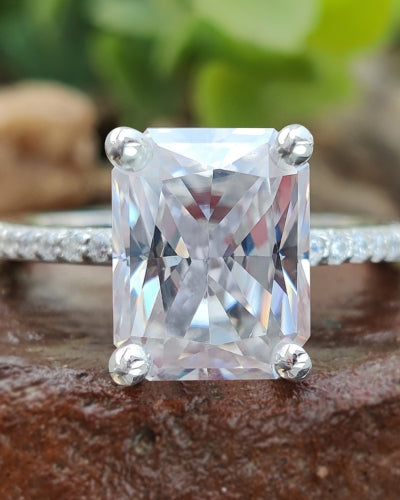
- Radiant: Geometric outline with lively brilliance.
- Fancy and irregular cuts: Increasingly popular among buyers seeking individuality.
The best shape is not determined by trend alone. Finger proportion, setting height, lifestyle, visual symbolism, and the character of the individual natural diamond all matter.
18. Metals and Settings Through a Chinese Aesthetic Lens
Yellow Gold
Yellow gold connects naturally with Chinese traditions of prosperity, warmth, and ceremonial gifting. It creates a rich contrast with white diamonds and pairs beautifully with red wedding attire.
White Gold and Platinum
White metals emphasize diamond brightness and support modern, minimalist, or Art Deco-inspired designs. They remain popular for engagement rings because the setting visually blends with the diamond.
Rose Gold
Rose gold offers softness and romance. It works especially well with floral motifs, warm skin tones, salt-and-pepper diamonds, and vintage-inspired designs.
Common Setting Styles
Prong solitaires maximize light; bezels offer protection and clean lines; halos add visual size; pavé bands create continuous sparkle; three-stone rings can represent past, present, and future; and hidden halos add detail visible mainly to the wearer. For a broader selection framework, visit the FancyDiamondJewels blog.
19. Historical Comparison Chart: How Diamond Jewelry’s Role Changed
| Period | Primary Jewelry Context | Role of Natural Diamonds | Typical Meaning |
|---|---|---|---|
| Ancient and early imperial eras | Jade, gold, ritual ornaments, elite accessories | Extremely rare or peripheral | Exotic hardness and rarity |
| Ming and Qing eras | Complex court jewelry and symbolic design | Occasional imported accent or treasure | Prestige, cosmopolitan collecting |
| Nineteenth-century treaty-port period | Mixed Chinese and foreign luxury goods | Increasingly visible in elite urban circles | Modernity and global connection |
| Republican era | Department stores, cinema, qipao fashion | Brooches, rings, bracelets, earrings | Urban sophistication |
| Mid-twentieth century | Restricted luxury consumption | Limited, preserved, sold, or reset | Portable family value |
| Reform era | Expanding retail and rising incomes | Growing bridal and gift category | Achievement and modern romance |
| Twenty-first century | Bridal, self-purchase, custom, digital retail | Major luxury and personal-expression category | Love, identity, rarity, memory |
20. Three Illustrative Case Studies
Case Study 1: A Shanghai Art Deco Engagement Ring
A couple wants a ring that reflects the bride’s Shanghai family history without looking like a costume piece. The solution is an emerald-cut natural diamond in a low platinum setting with stepped side diamonds. The geometry recalls 1920s and 1930s urban design, while a small cloud engraving inside the band adds a private Chinese symbol. The result is historically informed, comfortable, and modern.
Case Study 2: A Lotus-Inspired Family Heirloom
A mother wishes to give her daughter a wedding pendant using a natural diamond from an older ring. Rather than copying the original setting, the stone is placed at the center of an eight-petal lotus. Small diamonds outline alternating petals, and the back includes space for a date. The piece preserves the family stone while creating a new object suited to the daughter’s taste.
Case Study 3: A Self-Purchase Career Ring
A professional chooses a shield-cut natural diamond to mark the opening of her business. The shield shape suggests protection and courage, while a simple bezel makes the ring practical for daily wear. This example reflects the modern shift from jewelry as approval from others to jewelry as self-authored identity.
E-E-A-T Experience Note: In custom jewelry consultations, the most successful historical references are usually subtle. Clients tend to wear a piece more often when its symbolism is personal, its profile is comfortable, and its details can be explained in one clear story.
21. Step-by-Step Guide to Buying Chinese-Inspired Natural Diamond Jewelry
Step 1: Define the Occasion
Decide whether the piece is for an engagement, wedding, anniversary, family gift, achievement, or everyday wear. Occasion affects scale, durability, symbolism, and budget.
Step 2: Choose the Cultural Reference
Select one meaningful idea: lotus, bamboo, cloud, phoenix, double happiness, family initials, a regional architectural detail, or an heirloom stone. Avoid combining too many motifs.
Step 3: Set a Total Budget
Include the center stone, side stones, metal, labor, certification, shipping, duties where relevant, resizing, and future maintenance. Do not allocate every available dollar to carat weight.
Step 4: Select the Natural Diamond
Compare cut performance, shape, dimensions, color, clarity, inclusions, fluorescence, and overall personality. Two diamonds with the same laboratory grades can look different in real life.
Step 5: Match the Setting to Lifestyle
A high prong setting can maximize visibility but may catch on clothing. A bezel is secure but changes the visual outline. Pavé adds sparkle but requires careful maintenance. Choose according to actual daily habits.
Step 6: Review Proportions
Ask for top, side, and perspective views. Check band width, prong size, stone height, gallery openings, and wedding-band fit. The design should look balanced at real scale, not only in a magnified rendering.
Step 7: Confirm Documentation
Review the grading report, invoice description, metal purity, stone identity, return terms, resizing policy, and care recommendations.
Step 8: Inspect the Finished Piece
Check that the center stone is secure, prongs are even, pavé stones are aligned, surfaces are polished, engraving is correct, and the ring sits comfortably.
For a broader preparation checklist, read the origins of diamond jewelry and explore current pieces at FancyDiamondJewels.
22. Authentication, Grading, and Responsible Documentation
A natural diamond’s identity should not depend on appearance alone. Modern laboratory-grown diamonds can share the same basic chemical and physical properties, so professional testing and clear disclosure matter. For significant purchases, request an independent grading report from a recognized gemological laboratory, especially for a valuable center stone.
What to Check on a Report
- Natural origin statement
- Report number and verification method
- Shape and cutting style
- Measurements and carat weight
- Color and clarity grades
- Cut, polish, and symmetry where applicable
- Fluorescence
- Plotting diagram or identifying characteristics
- Comments about treatments, if any
Documentation Is Part of the Heirloom
Keep the original invoice, report, photographs, appraisal where appropriate, repair history, and a written note about the piece’s story. Future generations may value the narrative as much as the grading details.
23. How to Care for Natural Diamond Jewelry
- Remove jewelry before heavy lifting, gardening, impact sports, or chemical cleaning.
- Store pieces separately so diamonds do not scratch metal or other gemstones.
- Clean most diamond jewelry with lukewarm water, mild soap, and a soft brush.
- Rinse carefully and dry with a lint-free cloth.
- Have prongs, pavé, clasps, and settings checked periodically.
- Avoid ultrasonic cleaning when the stone has significant inclusions, treatments, or a fragile antique setting unless a professional approves it.
- Photograph valuable pieces and keep documentation in a secure place.
Preserving Antique and Family Pieces
Do not polish away historical detail automatically. Soft engraving, tool marks, patina, and old construction methods may be part of the piece’s character. Before resizing or resetting, ask whether the original setting has collectible, historical, or emotional value.
24. Pros and Cons of Natural Diamond Jewelry in a Chinese Cultural Context
Advantages
- Strong symbolism of durability, rarity, and commitment
- Compatible with both modern bridal customs and traditional gold gifting
- Wide variety of shapes, settings, and custom motifs
- Potential to become an intergenerational heirloom
- High visual impact in photography and formal events
- Natural individuality through unique inclusions and proportions
Considerations
- Quality can be difficult to judge without education and documentation
- Large differences in price can result from subtle grade changes
- High settings and delicate pavé may require maintenance
- Resale value should not be assumed to equal retail price
- Trend-driven designs may age faster than balanced, personal designs
- Buyers must distinguish natural diamonds from laboratory-grown diamonds and simulants
For a realistic discussion of value, see whether real diamond jewelry is a good investment.
25. The Future of Natural Diamond Jewelry in China
The future will likely be more personal, more digital, and more culturally expressive. Consumers can already compare stones online, request videos, review certificates, customize settings, and communicate directly with makers. At the same time, buyers are becoming more skeptical of generic luxury. They want traceability, design originality, fair disclosure, wearable comfort, and emotional relevance.
Cultural Revival Without Literal Reproduction
Young designers are likely to continue translating Chinese art, architecture, landscape, mythology, and calligraphy into contemporary forms. The strongest work will avoid superficial symbolism and instead use proportion, movement, negative space, and craftsmanship to express cultural ideas.
Natural Diamonds and Individuality
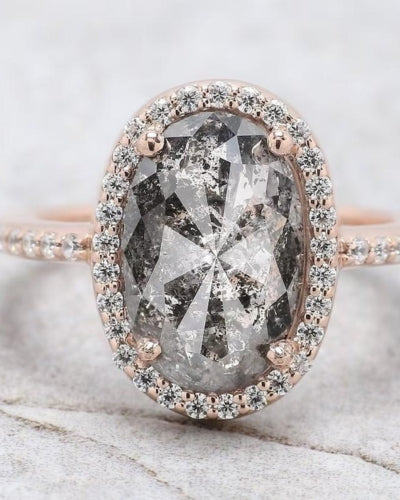
As mass-produced jewelry becomes easier to access, natural variation becomes more meaningful. Antique cuts, fancy colors, salt-and-pepper diamonds, slices, and unusual shapes appeal to buyers who want a jewel that cannot be perfectly duplicated.
Heirlooms Designed for Change
Future heirlooms may be modular or convertible. A diamond pendant might detach into a brooch; earrings may have removable drops; an engagement ring may be designed to stack with anniversary bands. This flexibility suits changing lifestyles while preserving the central natural diamond.
Infographic showing the future of Chinese natural diamond jewelry including customization traceability and cultural design

Final Perspective: The history of natural diamond jewelry in China is not the story of one imported gemstone taking over an ancient tradition. It is the story of Chinese jewelry culture absorbing a rare material, assigning it new meanings, and combining it with long-established ideas about family, fortune, craftsmanship, and continuity.
Frequently Asked Questions About the History of Natural Diamond Jewelry in China
Were natural diamonds used in ancient Chinese jewelry?
Natural diamonds were known only in limited and elite contexts and were not a dominant material in ancient Chinese jewelry. Jade, gold, pearls, coral, turquoise, and other precious materials held much greater cultural and artistic importance. Diamonds became increasingly visible through long-distance trade and later global luxury exchange.
Why was jade historically more important than diamond in China?
Jade carried deep associations with virtue, moral refinement, protection, endurance, and social rank. Its cultural meaning developed over thousands of years. Diamonds did not have the same ancient philosophical and ritual foundation in China, although they later gained strong meanings connected to romance, rarity, and modern success.
When did diamond engagement rings become popular in China?
They became broadly popular during the late twentieth and early twenty-first centuries as economic reform, urbanization, international media, luxury retail, wedding photography, and global proposal customs influenced young couples. Adoption varied by city, income, and generation.
Do Chinese brides wear both gold and natural diamond jewelry?
Yes. Many modern weddings combine a diamond engagement ring or diamond bridal jewelry with traditional gold gifts. The exact combination depends on regional customs and family preferences. Gold may emphasize prosperity and family blessing, while the diamond ring emphasizes the couple’s romantic commitment.
Which Chinese symbols work well in diamond jewelry?
Lotus, peony, bamboo, clouds, dragons, phoenixes, double happiness, endless knots, fans, and landscape motifs can all work beautifully. The best designs integrate symbolism into structure and proportion rather than adding it as an unrelated decoration.
What diamond shapes are popular in China?
Round brilliant diamonds remain classic, while oval, emerald, pear, marquise, cushion, and radiant shapes are also popular. Younger buyers increasingly explore fancy cuts, antique cuts, salt-and-pepper diamonds, and unusual natural shapes for a more individual look.
Is a natural diamond ring a good family heirloom?
It can be, especially when the piece is well made, properly documented, maintained, and connected to a meaningful family story. Timeless proportions and durable settings generally adapt more easily to future generations than highly fragile or excessively trend-driven designs.
How can I confirm that a diamond is natural?
Request clear disclosure and, for important stones, an independent grading report that identifies natural origin. Visual inspection alone is not enough to distinguish every natural diamond from modern laboratory-grown diamonds.
What is the best metal for Chinese-inspired diamond jewelry?
There is no single best metal. Yellow gold offers warmth and traditional associations with prosperity. Platinum and white gold create a bright modern look. Rose gold supports romantic and floral designs. The choice should also consider durability, skin sensitivity, maintenance, and the color of the diamond.
Can an old family diamond be reset into a Chinese-inspired design?
Yes. An heirloom diamond can be reset into a lotus, cloud, bamboo, phoenix, or geometric design. Before altering an antique piece, document the original and ask whether the setting itself has historical, collectible, or emotional value.
How should I choose between a solitaire and a symbolic setting?
Choose a solitaire when you want visual simplicity and maximum focus on the center stone. Choose a symbolic setting when a cultural motif or personal story is essential. A hybrid approach can use a clean solitaire from the top with hidden symbolic details beneath the stone or inside the band.
Are natural diamonds traditionally mined in China?
China has had diamond resources and exploration, but the historical jewelry story is mainly shaped by imported stones, international trade, regional cutting and manufacturing, retail development, and changing consumer culture rather than by an ancient domestic diamond tradition comparable to its jade heritage.
Why are natural diamonds meaningful in modern Chinese culture?
They combine rarity, durability, visible beauty, romantic symbolism, and the possibility of inheritance. For some buyers they mark marriage; for others they celebrate personal achievement, independence, family continuity, or artistic identity.
Where can I learn more about natural diamond jewelry?
Explore educational guides and design inspiration through the FancyDiamondJewels blog, including articles about diamond origins, ring styles, and long-term value.


Hinterlasse einen Kommentar
Diese Website ist durch hCaptcha geschützt und es gelten die allgemeinen Geschäftsbedingungen und Datenschutzbestimmungen von hCaptcha.