

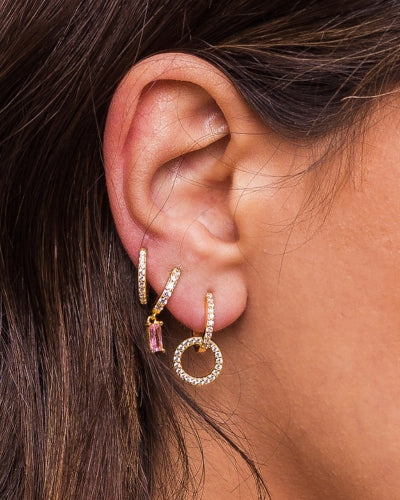
The Origins of Diamond Jewelry: From India to the World
Ancient Indian diamond jewelry origins

A Hook Into History
Long before diamonds adorned engagement rings or red-carpet necklaces, they were believed to be fragments of stars, divine talismans, and symbols of unbreakable power. The story of diamond jewelry does not begin in Europe or modern fashion houses—it begins in ancient India, where humanity first encountered the hardest substance known to nature.
Table of Contents
- Ancient India: Birthplace of Diamonds
- Spiritual and Cultural Significance
- Diamonds and Royal Power
- Global Trade Routes
- Evolution of Diamond Craftsmanship
- From Royal Treasure to Modern Luxury
- FAQs
Ancient India: The First Diamonds on Earth
India is universally recognized as the world’s earliest known source of diamonds. As early as the 4th century BCE, diamonds were extracted from riverbeds and alluvial deposits, particularly in regions that would later become legendary for gemstone production.
Natural Discovery Without Mining
Unlike modern mining, early diamonds were found naturally in river gravels. These stones were not cut or faceted but valued for their raw brilliance and mystical aura.
Historic Golconda diamond deposits in India

Early Uses of Diamond Jewelry
- Protective amulets
- Royal adornments
- Spiritual talismans
- Ceremonial jewelry
Diamonds in Spiritual and Mythological Beliefs
Diamonds were believed to channel cosmic energy. Ancient texts described them as capable of warding off evil, strengthening the soul, and bringing clarity of mind.
Diamonds in Sacred Texts
They were associated with purity, permanence, and divine strength—qualities that remain central to diamond symbolism today.
Diamonds as Symbols of Royal Authority
Only royalty and nobility were permitted to own diamonds for centuries. These gemstones became visual proof of divine right, military strength, and eternal rule.
| Era | Diamond Role | Who Wore Them |
|---|---|---|
| Ancient India | Spiritual Protection | Kings, Priests |
| Medieval Asia | Power & Authority | Emperors |
| European Courts | Status & Wealth | Monarchs |
How Diamonds Traveled From India to the World
Diamond jewelry entered global markets through complex trade routes connecting India to the Middle East, Africa, and Europe.
Key Trade Pathways
- Silk Road
- Indian Ocean maritime routes
- Royal gift exchanges
Ancient diamond trade routes from India

Evolution of Diamond Jewelry Craftsmanship
Early diamonds were worn uncut. Over centuries, artisans developed polishing techniques to enhance natural brilliance without compromising spiritual integrity.
From Raw Stones to Faceted Brilliance
The transformation of diamond jewelry mirrors humanity’s growing mastery over craftsmanship and aesthetics.
Pros and Cons of Early Diamond Jewelry
| Pros | Cons |
|---|---|
| Natural brilliance | Limited sparkle |
| Spiritual significance | No standardized cuts |
From Sacred Stone to Global Luxury
By the time diamonds reached global prominence, their identity had evolved—from spiritual artifact to universal symbol of love, success, and timeless beauty.
Modern luxury diamond jewelry inspired by ancient history

Why India Remains Central to Diamond Heritage
- First known source of diamonds
- Foundation of diamond symbolism
- Influence on global jewelry traditions
- Explore Timeless Diamond Heritage
Frequently Asked Questions
Where were diamonds first discovered?
Diamonds were first discovered in ancient India, long before they appeared anywhere else in the world.
Why were diamonds considered sacred?
Their unmatched hardness and clarity symbolized divine power, purity, and eternity.
Who could wear diamonds in ancient times?
Only royalty, warriors, and spiritual leaders were permitted to own diamonds.
How did diamonds reach Europe?
Through trade routes connecting India with Middle Eastern and European empires.
Were early diamonds cut?
No, early diamonds were worn in their natural crystal form.
What made Indian diamonds special?
Their exceptional clarity, size, and natural formation set them apart.
Did diamonds always symbolize love?
No, this association developed much later; originally, they symbolized power and protection.
Are ancient diamonds still in circulation?
Some historic diamonds remain part of royal collections and private estates.
How did craftsmanship evolve?
Over centuries, polishing and cutting techniques improved to enhance brilliance.
Why does diamond origin matter today?
Origin adds cultural, historical, and emotional value to diamond jewelry.


Leave a comment
This site is protected by hCaptcha and the hCaptcha Privacy Policy and Terms of Service apply.