
Morganite, Moissanite & Diamond: Which Is Better for Engagement Rings?
Table of Contents
- Introduction
- What Is Morganite?
- What Is Moissanite?
- What Is a Diamond?
- Side-by-Side Comparison
- Which Stone Is Best?
- Pros & Cons Summary
- Frequently Asked Questions (FAQ)
- Conclusion
📜 1. Introduction
Choosing an engagement ring stone is a meaningful decision. Morganite, Moissanite, and Diamonds are three popular options—each offering unique benefits. This guide compares them to help you choose the perfect stone for your style, lifestyle, and budget. Today’s couples are expanding beyond traditional diamonds and exploring alternatives like morganite and moissanite, each offering unique beauty and value. Choosing an engagement ring is a major decision—not only emotionally, but financially and stylistically as well.
🟠 2. What Is Morganite?
Morganite is a pink gemstone belonging to the beryl family, prized for its romantic appearance. It is admired for its romantic, feminine hue and affordability.
Key Features
- Color: Soft peach-pink
- Hardness: 7.5–8 (Mohs)
- Sparkle: Gentle, subtle brilliance
- Price: Very affordable
- Care: Needs regular cleaning

Best For
- Romantic, feminine aesthetics
- Vintage-style rings
- Affordable engagement rings
Drawbacks
- Less durable than moissanite or diamond
- Can scratch over time
- Color may fade with prolonged UV exposure
💎 3. What Is Moissanite?
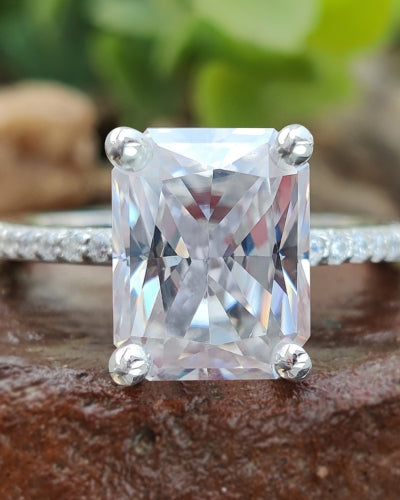
Moissanite is a lab-created gemstone known for exceptional brilliance and durability. Originally discovered in a meteor crater, it is now created in laboratories.
Key Features
- Color: Colorless to near-colorless
- Hardness: 9.25 (Mohs)
- Sparkle: Extremely high fire
- Price: Very affordable
- Ethics: Always conflict-free

Best For
- Maximum sparkle
- Budget-conscious buyers
- Ethical or sustainable shoppers
- Everyday wear
Drawbacks
- Some find the rainbow sparkle “too much”
- May show slight color tints in larger sizes
🔘 4. What Is a Diamond?
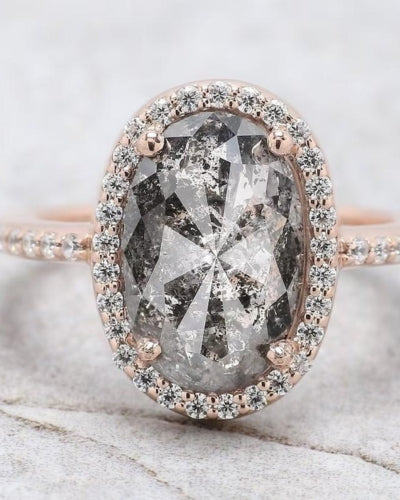
Diamonds are the traditional engagement ring choice, valued for their unmatched durability and timeless brilliance. Known for their unmatched hardness and timeless symbolism, diamonds remain the most traditional engagement ring stone.
Key Features
- Color: Ranges from colorless to fancy colors
- Hardness: 10 (Mohs)
- Sparkle: Classic, crisp brilliance
- Price: Most expensive
- Options: Natural or lab-grown

Best For
- Classic, timeless engagement rings
- Heirloom-quality pieces
- Maximum durability
Drawbacks
- Most expensive of the three
- Ethical concerns with some natural diamonds
⚖️ 5. Side-by-Side Comparison
| Feature | Morganite | Moissanite | Diamond |
|---|---|---|---|
| Durability (Mohs) | 7.5–8 | 9.25 | 10 |
| Sparkle | Soft | Very intense | Classic brilliance |
| Color | Pink | Colorless/Near-colorless | Colorless or fancy |
| Price | $ | $$ | $$$$$ |
| Daily Wear | Moderate | Excellent | Excellent |
| Ethical | Natural | Lab-created | Natural & Lab-grown |


🤔 6. Which Stone Is Best?
Best Overall Durability: Diamond (with moissanite close behind)
Best for Budget & Sparkle: Moissanite
Best for Unique Romance: Morganite
🛠️ 7. Pros & Cons Summary
Morganite
Pros:
- Romantic Color – Beautiful pink/peach tones, perfect for feminine or vintage styles
- Affordable – One of the most budget-friendly engagement ring stones
- Pairs Beautifully With Rose Gold – Enhances the gem’s warm tone
- Unique Look – Stands out from traditional clear stones
Cons:
- Lower Durability than moissanite and diamond (7.5–8 Mohs)
- Requires Frequent Cleaning – Shows dirt and oil easily
- Less Sparkle – Has soft brilliance rather than sharp fire
- Can Fade or Scratch Over Time if worn daily
- Often Needs a Protective Setting to minimize damage
Moissanite
Pros:
- Extremely Durable – 9.25 on Mohs scale (excellent for daily wear)
- Exceptional Sparkle – Even more fire than diamonds
- Affordable – Much cheaper than diamonds
- Ethical & Eco-Friendly – Lab-grown and conflict-free
- Stays Clean Longer – Less likely to show dirt or oil
- More Affordable Large Sizes – Bigger stones for less money
Cons:
- Rainbow Sparkle – Some people find the fire “too flashy”
- Not a Traditional Stone – Some prefer classic diamonds for symbolism
- Can Look “White” But Not Always Diamond-like under certain lighting
- Can Show a Slight Tint in lower-quality grades
Diamond
Pros:
- Hardest Gemstone – Mohs 10, ideal for lifetime wear
- Classic & Timeless – The most traditional engagement ring stone
- Strong Symbolism – Represents commitment, luxury, and status
- Beautiful, Clean Brilliance – Iconic sparkle without excess fire
- Holds Value better than other stones
- Available as Lab-Grown – Cheaper, ethical options exist
Cons:
- Most Expensive Option – Especially natural diamonds
- Ethical Concerns with mined diamonds (unless certified)
- Price Increases With Size – Large diamonds are extremely costly
- Lab-Grown Diamonds Depreciate more than natural diamonds
- Requires Regular Cleaning to maintain sparkle
📝 8. Frequently Asked Questions (FAQ)
1. Which stone lasts the longest?
Diamonds last the longest due to their unmatched hardness. Moissanite is a close second.
2. Is moissanite a good alternative to diamond?
Yes. It’s durable, affordable, conflict-free, and extremely sparkly.
3. Does morganite fade over time?
It can fade slightly with prolonged UV exposure, but proper care slows this significantly.
4. Do moissanite stones look fake?
Moissanite looks different, not fake. It has more fire (rainbow flashes) than diamonds.
5. Are lab-grown diamonds real?
Yes. Lab-grown diamonds have the same physical and chemical properties as natural diamonds.
6. What’s best for everyday wear?
Diamond and moissanite are ideal for daily wear due to their durability.
7. Which stone has the most sparkle?
Moissanite has the most brilliance and fire.
8. Is morganite the cheapest option?
Yes, morganite is typically the least expensive of the three.
⏳ 9. Conclusion
Each gemstone offers something unique:
- Morganite – Romantic, soft pink, and budget-friendly. Morganite is perfect if you love a romantic, feminine look and want an affordable gemstone with a soft, unique glow.
- Moissanite – Brilliant, durable, and affordable. Moissanite offers the best overall value, combining incredible sparkle, exceptional durability, and ethical production at a fraction of the cost of a diamond.
- Diamond – Timeless, traditional, and incredibly durable. Diamonds remain the classic choice for those who want tradition, prestige, and a gemstone designed to last for generations.
The best choice depends on your personal style, daily lifestyle, and budget.


%0ACo...)
Leave a comment
This site is protected by hCaptcha and the hCaptcha Privacy Policy and Terms of Service apply.