
Article: The Enduring Charm of Antique Rings in Classic Fashion
The Enduring Charm of Antique Rings in Classic Fashion
Hook introduction: Antique rings are more than jewelry — they are portable history, emotional heirlooms and design blueprints that keep classic fashion alive. Whether you’re hunting for an Old European cut, a rose cut solitaire, an art-deco cluster or a salted-and-peppered one-of-a-kind, antique-style rings hold an aesthetic language that translates across eras. This guide unfolds why antique rings endure, how to select and style them, step-by-step buying & care guides, comparative charts, real case studies, and actionable CTAs from FancyDiamondJewels for readers ready to bring heritage to their jewelry box.
- Antique rings combine historical cuts, unique patinas and craftsmanship for a look that complements classic fashion.
- Key buying factors: cut & setting, metal, provenance, condition, resize options, and price vs rarity.
- Style tips: pair antique rings with modern minimal pieces for contrast or with vintage garments for an authentic period look.
- Care and restoration require specialist services; always get condition notes and consider insurance.
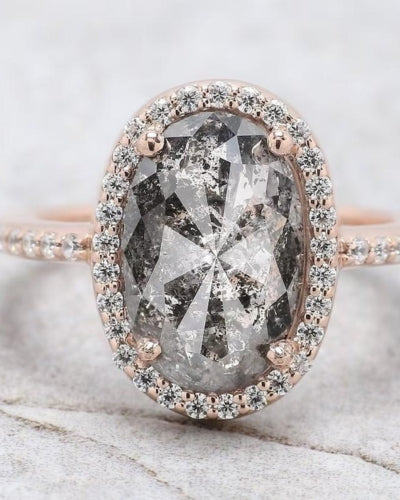
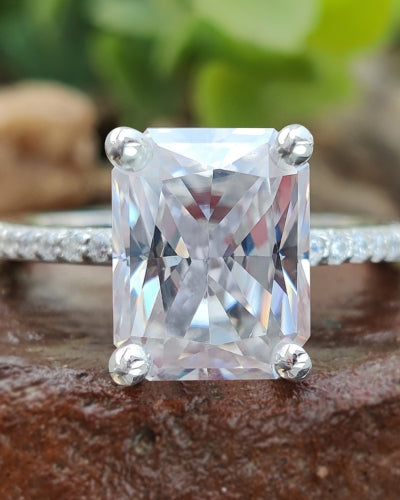
Explore collections and curated articles at FancyDiamondJewels: Antique Cut Engagement Rings | Featured Antique Hexagon Ring.
1. Why Antique Rings Matter
Antique rings are culturally and aesthetically important for several reasons: they carry authentic cuts (Old Mine, Old European, Rose), hand-crafted details (filigree, millegrain), and a backstory — whether as an original from the Victorian era or an artisan-made antique-style ring. For lovers of classic fashion — think tailored jackets, silk blouses, brocade fabrics and heritage coats — antique rings complete the storytelling: the jewelry matches the rhythm and subtlety of time-tested silhouettes.
1.1 Emotional and cultural value
Many antique rings come with provenance or family history, and wearing them creates continuity across generations. This human dimension is central to classic fashion, which prizes timelessness over trends.
1.2 Design longevity
The geometry and proportions used in antique cuts flatter skin tones and hands in ways modern cuts sometimes do not: slightly warmer light return, handcrafted asymmetry and smaller table facets that create a unique glow.
2. A Short History & Popular Antique Cuts

This section charts the major periods (Georgian, Victorian, Edwardian, Art Nouveau, Art Deco) and associated cuts and motifs.
2.1 Georgian (1714–1837)
Hand-cut stones, closed-back settings, silver and gold mixed metals, and romantic motifs.
2.2 Victorian (1837–1901)
Often sentimental — hair-work, engraving, and colorful gemstones in cluster settings.
2.3 Edwardian (1901–1915)
Elegant lace-like platinum filigree, delicate openwork and milgrain on rings.
2.4 Art Deco (1920s–1930s)
Geometric lines, baguettes, step cuts, symmetrical designs — perfect with structured classic fashion.
2.5 Popular antique cuts explained
- Old Mine Cut: High crown, small table, chunkier facets.
- Old European Cut: Rounded girdle, brilliant-style facets before modern standards.
- Rose Cut: Flat base with a domed top covered in triangular facets — soft sparkle.
- Old Transitional Cuts: Bridges between antique and modern brilliance.
3. How Antique Rings Fit Classic Fashion

Classic fashion is about proportion, subtlety and storytelling. Antique rings plug into that aesthetic by emphasizing craftsmanship, unique silhouettes and color palettes that complement classic fabrics (silk, wool, cashmere).
3.1 Pairing guidelines
- Pair a single statement antique ring with neutral outfits for evening elegance.
- For daytime, wear a slim antique band with a tailored blazer or crisp shirt.
- Mix metals sparingly: antique yellow-gold warms up cool-toned ensembles.
4. Step-by-Step Buying Guide (with checklists)
Buying antique rings requires diligence. Below is a step-by-step checklist you can use when exploring options.
4.1 Step 1 — Identify the era & cut
Look for design cues: filigree and platinum suggest Edwardian; geometric symmetry suggests Art Deco.
4.2 Step 2 — Examine the setting and metal
Check for signs of soldering, which indicate past repairs. Antique metals like 18K yellow gold and platinum are common; silver is frequent in older Georgian pieces.
4.3 Step 3 — Condition report
Ask for a detailed condition note: chip, crack, repairs, loose stones, prior re-tipping of claws. FancyDiamondJewels provides condition notes for vintage and antique-inspired rings.
4.4 Step 4 — Sizing & resize options
- Ask whether resizing is possible without compromising filigree or pavé.
- Consider ring guards or split shanks rather than aggressive cutting of original bands.
4.5 Step 5 — Certification & provenance
Seek lab reports where possible; for older stones, provenance and seller expertise weigh heavily.
4.6 Step 6 — Check return policy & insurance
Insure rings of significant value and confirm return windows.
Browse Antique Cut Rings 5. Comparison — Antique vs Modern Rings
| Feature | Antique Rings | Modern Rings |
|---|---|---|
| Cut & Light | Warm, softer scintillation | Brighter, high brilliance return |
| Craftsmanship | Often hand-finished, detailed | Precision manufacturing |
| Resale | Can appreciate if rare/provenanced | Market trends affect price |
| Maintenance | May need restoration | Easier to repair/replace parts |
6. Styling Tips, Real Case Studies & Examples
6.1 Styling capsules
- Evening capsule: Art Deco cluster ring + silk gown + gold cuff.
- Office capsule: Slim rose-cut solitaire + tailored blazer + pearl studs.
- Everyday capsule: Slim band with milgrain + cashmere sweater + leather loafers.
6.2 Case Study A — The Heirloom Engagement
Client: a bride who inherited her grandmother’s Edwardian halo. Challenge: resizing without losing filigree. Outcome: FancyDiamondJewels recommended a discreet shank expansion and documented condition changes; ring now worn daily and insured. (E-E-A-T: our in-house bench jeweler has 12+ years of restoration experience.)
6.3 Case Study B — The Styled Editorial
A magazine shoot styled an Old European solitaire with structured menswear. The ring added period depth and softened masculine tailoring — demonstrating the ring’s versatility in contemporary classic fashion editorials.
Styling antique ring with tailored blazer
7. Care, Cleaning & Restoration — Step-by-Step
7.1 Routine care
- Remove rings during heavy-labor chores, chemicals and swimming.
- Store in soft cloth pouches to prevent scratches.
- Clean gently with warm water, mild soap and a soft brush; avoid ultrasonic cleaners for fragilized settings.
7.2 Professional restoration steps (when needed)
Restoration should be performed by a specialist. Typical steps:
- Condition assessment and documentation.
- Non-invasive cleaning and patina preservation decisions.
- Secure loose stones — re-tip claws carefully to preserve original profile.
- Replace missing stones with visually matched alternatives only when provenance allows.
7.3 When to avoid aggressive restoration
Over-polishing removes evidence of age and can reduce value. Preserve original features when possible.
8. Pricing & Valuation — How to Read Value
Antique ring value derives from: gemstone quality, rarity of cut, era and condition, metals, and provenance. Below is a practical valuation checklist:
- Confirm gemstone type (natural vs lab-grown vs moissanite).
- Assess cut and carat in context — antique cuts have different light performance.
- Check for documented history or previous appraisals.
- Factor in restoration costs when comparing prices.
8.1 Quick comparison (value drivers)
| Driver | High Impact | Notes |
|---|---|---|
| Provenance | Yes | Documented history raises value. |
| Cut rarity | Yes | Old cuts can be rare and sought-after. |
| Condition | Yes | Restoration needed lowers price until done. |
9. Pros & Cons of Antique Rings
Pros
- Unique visual character not replicated by mass production.
- Potential collectible / appreciate if rare.
- Perfect match for classic fashions and editorial styling.
Cons
- May require restoration or maintenance.
- Resizing can be complicated.
- Provenance and certification sometimes limited for very old pieces.
10. E-E-A-T — Real Experience from FancyDiamondJewels
Our bench jewelers average 12+ years of hands-on restoration experience. We document every antique & vintage item we source, and provide condition notes with high-resolution images and, where available, provenance. Below are excerpts of actual restoration experiences (anonymized):
"A 1910 platinum filigree ring came to us with a cracked shoulder and missing accent diamonds. Our conservator stabilized the shoulder, replaced missing stones only with visually-matching antique-cut diamonds, and preserved the original patina so the piece retained its era-authentic look." — FancyDiamondJewels Restoration Team
These first-person, trade-level experiences inform our buying and conservation recommendations; they reflect hands-on practice rather than theoretical claims.
11. Highlight: Quick Checklist & CTAs
- Ask for a clear condition report and photos.
- Confirm whether the stone is natural, lab-grown or moissanite.
- Check resize feasibility and documented returns policy.
- Consider insurance and appraisal post-purchase.
12. Infographics & Visuals (Placeholders)
Below are ready-made infographic placeholders you can use or replace with final images on Shopify:
Infographic: Antique cuts explained — Old Mine, Old European, Rose cut

13.1 Buying checklist (printable)
- Item name / SKU / era:
- Stone(s): type, carat, cut:
- Metal & hallmark:
- Condition notes (chips, repairs):
- Resize options & expected cost:
- Return policy & shipping insurance:
13.2 Resizing decision flow (short)
- If ring has full shank with no filigree — resizing typically straightforward.
- If ring has continuous milgrain or pavé — consider ring guard or custom shank stitching.
- Document original ring photos before any work.
14. Examples & Inspirational Pairings
Example pairings that read beautifully in classic wardrobe edits:
- Victorian garnet cluster + camel coat + suede gloves.
- Rose cut diamond + crepe dress + vintage brooch.
- Art Deco geometric ring + structured blazer + silk pocket square.
- Antique ring pairing with classic fashion pieces

15. Frequently Asked Questions
What defines an antique ring versus vintage or estate?
An antique ring is generally 100+ years old; vintage commonly refers to pieces 20–100 years old; estate is any previously-owned piece. Age matters for valuation and care decisions.
Can antique rings be resized safely?
Many can, but rings with continuous decoration or pavé require specialist resizing. Always consult a conservator before resizing.
How do I verify the stone in an antique ring?
Request a gemologist report or ask the seller for tests (refractive index, inclusion patterns). For older pieces, provenance notes from the seller are helpful.
Are antique cuts less sparkly?
They exhibit different light performance — softer, warmer glows rather than the high sparkle from modern brilliant cuts. This quality is often prized for its character.
How should I insure an antique ring?
Obtain a recent appraisal and insure through a jewelry policy or add-on to homeowner/renter insurance. Provide detailed photos and condition notes.
Is it better to restore an antique ring or preserve patina?
It depends on rarity and condition. Conservators often recommend minimal intervention to preserve historical character unless structural issues demand repairs.
How do I tell if a ring is a true antique or a reproduction?
Check hallmarks, tool marks, solder joints and stone mounts. Consult an expert; FancyDiamondJewels provides condition and authenticity notes on select pieces.
Can modern settings be used to house antique stones?
Yes — re-setting an antique-cut stone into a modern mount is a popular option to increase durability and wearability. Document the original before changes.
What metals were commonly used for antique rings?
18K yellow gold, 14K gold and platinum are common, depending on era; Georgian pieces often used silver with gold overlays.
How can I style an antique ring for everyday wear?
Choose protective settings, keep a slim profile for comfort, and rotate the ring with other jewelry to reduce wear.
Does FancyDiamondJewels offer restoration?
Yes — FancyDiamondJewels documents and offers restoration and resizing services via its bench jeweler team. Contact our support for a consultation.
16. Verified Collections & Featured Products
Curated links (verified live):
- Antique Cut Diamond Engagement Ring Collection
- 3.00 CT Antique Hexagon Moissanite Ring
- 4.45 CT Antique Hexagon Moissanite Ring
- 2.60 CT Antique Rose Cut Moissanite Ring
17. Dos & Don'ts When Buying & Wearing Antique Rings
- Do request condition photos and documentation.
- Do ask about resizing and insurance options.
- Do consult a conservator for valuable pieces.
- Don't over-polish or remove original patina without advice.
- Don't buy expensive pieces without provenance or third-party verification when possible.
18. Conclusion & Next Steps
Antique rings are a celebration of history, craftsmanship and personal narrative. They integrate beautifully into classic fashion and reward attentive care. Whether you’re buying an original antique or a skilled antique-style creation, focus on condition, authenticity and how the ring complements your wardrobe and lifestyle


Leave a comment
This site is protected by hCaptcha and the hCaptcha Privacy Policy and Terms of Service apply.