
Round Diamond Solitaire Ring Buying Guide: What Every Buyer Should Know
The round diamond solitaire ring has remained the gold standard of fine jewelry for more than a century. Whether chosen for engagements, anniversaries, or milestone moments, its single-diamond design represents purity, commitment, and timeless elegance. Yet buying one is far more complex than simply selecting a shiny stone. fancydiamondjewels.com
This in-depth buying guide is designed to walk you through every detail—technical and emotional—so you can make a confident, informed, and value-driven purchase. Drawing from real-world jewelry experience, gemological principles, and buyer insights, this guide covers everything every buyer should know before investing in a round diamond solitaire ring.
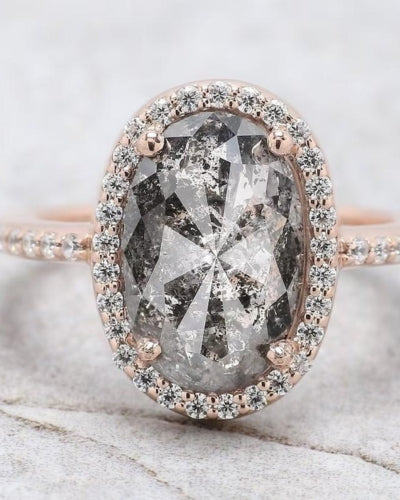
Round diamond solitaire ring classic design
Table of Contents
- What Is a Round Diamond Solitaire Ring?
- Why Round Diamonds Are So Popular
- Understanding the 4Cs
- Cut: The Most Important Factor
- Diamond Color Explained
- Clarity: What Really Matters
- Carat Weight & Visual Size
- Best Settings for Round Solitaires
- Metal Choices
- How to Set a Realistic Budget
- Diamond Certification
- Common Buying Mistakes
- Care & Maintenance
- FAQs
What Is a Round Diamond Solitaire Ring?

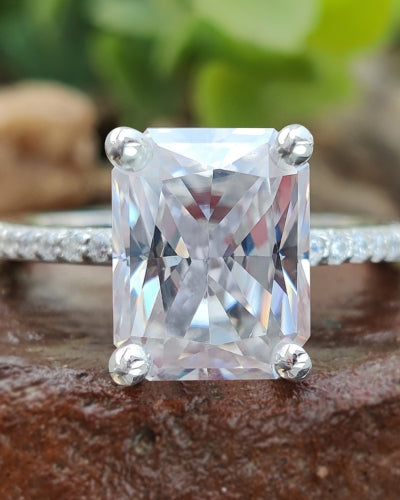
A round diamond solitaire ring features a single round brilliant-cut diamond mounted prominently on a band. The design emphasizes the diamond itself, making its quality, proportions, and sparkle the focal point. Round diamond ring
This style dates back to the late 1800s, when advances in diamond cutting allowed round diamonds to maximize brilliance. Today, over 60% of engagement rings worldwide feature a round solitaire.
Key Characteristics
- Single center diamond
- Round brilliant cut with 57 or 58 facets
- Minimalist, timeless aesthetic
- High light performance and sparkle

Why Round Diamonds Are So Popular
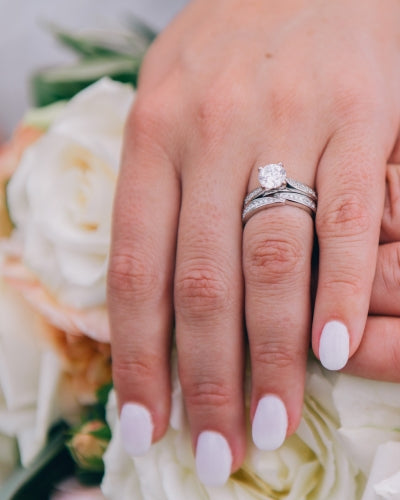
Round diamonds dominate the market because they outperform every other shape in brilliance and fire. Their symmetry allows light to reflect internally and return through the top of the stone, creating unmatched sparkle. Moissanite Round diamonds ring
Advantages of Round Diamonds
- Maximum brilliance and fire
- Best at hiding inclusions
- Classic style that never dates
- Higher resale and trade-in value
Understanding the 4Cs of Round Diamonds
The value and beauty of a round diamond solitaire ring are defined by the 4Cs: Cut, Color, Clarity, and Carat. Each plays a different role, but not all deserve equal weight.
| C | What It Affects | Priority Level |
|---|---|---|
| Cut | Sparkle & brilliance | Highest |
| Color | Whiteness | Medium |
| Clarity | Visible flaws | Medium-Low |
| Carat | Size & presence | Personal preference |
Cut: The Most Important Factor
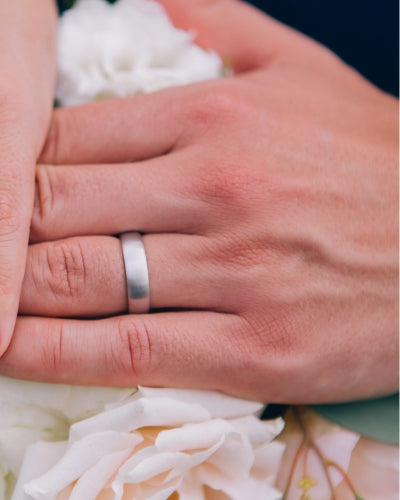
If you remember only one thing from this guide, let it be this: cut quality matters more than any other factor for a round diamond solitaire. round diamond solitaire ring
An Excellent or Ideal cut ensures that light enters the diamond, reflects internally, and exits through the crown—creating brilliance, fire, and scintillation.
Recommended Cut Grades
- Excellent / Ideal – Best performance
- Very Good – Slight compromise for budget
- Avoid Good or Fair cuts

Diamond Color Explained
Round diamonds are graded from D (colorless) to Z (light yellow or brown). Because round diamonds reflect so much light, they hide color better than most shapes.
Best Color Ranges for Solitaires
- D–F: Colorless, premium pricing
- G–H: Near-colorless, best value
- I–J: Slight warmth, budget-friendly
Clarity: What Really Matters
Clarity refers to internal inclusions and surface blemishes. In round diamonds, inclusions are often masked by brilliance.
Recommended Clarity Grades
- VS1–VS2: Excellent balance
- SI1: Eye-clean in many cases
- Avoid I1 unless carefully evaluated
Carat Weight & Visual Size
Carat measures weight, not size. A well-cut 0.90 ct diamond can appear larger than a poorly cut 1.00 ct stone.
Smart Carat Strategies
- Choose 0.90–0.95 ct for value
- Focus on spread, not just weight
- Upgrade cut before carat

Best Settings for Round Solitaire Rings

Prong Setting
- Classic 4 or 6 prongs
- Maximum light exposure
Bezel Setting
- Modern and secure
- Slightly reduces sparkle
Cathedral Setting
- Elegant arches
- Enhances center stone presence
Metal Choices for Solitaire Rings

- Platinum – Durable and hypoallergenic
- White Gold – Bright and contemporary
- Yellow Gold – Warm, classic appeal
- Rose Gold – Romantic and vintage
How to Set a Realistic Budget
Forget outdated “salary rules.” Instead, prioritize cut quality and long-term wearability.
Budget Allocation Tip
- 60% diamond quality
- 30% setting & metal
- 10% certification & finishing
Diamond Certification
Always choose a certified round diamond solitaire. Certification ensures transparency, grading accuracy, and resale confidence.
What to Check on a Certificate
- Cut grade
- Fluorescence
- Proportions & symmetry
Common Buying Mistakes to Avoid
- Overpaying for carat weight
- Ignoring cut quality
- Choosing color too high unnecessarily
- Skipping certification
Care & Maintenance
A round diamond solitaire ring should last generations with proper care.
- Clean monthly with mild soap
- Annual professional inspection
- Remove during heavy activities
Frequently Asked Questions
Is a round diamond solitaire good for daily wear?
Yes. Its symmetry and secure settings make it ideal for everyday use.
What is the best clarity for a round solitaire?
VS2 or eye-clean SI1 offers excellent value.
Do round diamonds sparkle more than other shapes?
Yes. Round brilliant diamonds have the highest light return.
Which metal makes a diamond look whiter?
White gold and platinum enhance brightness.
Is fluorescence bad?
Not always. Faint fluorescence can improve value.
What is the most popular ring setting?
The classic 6-prong solitaire remains the most popular.
Can I upgrade my diamond later?
Yes, many buyers plan future upgrades.
Are solitaire rings timeless?
Absolutely. They transcend trends.
How often should I clean my ring?
Once a month at home, yearly professionally.
Is certification mandatory?
Yes. It protects your investment.


Leave a comment
This site is protected by hCaptcha and the hCaptcha Privacy Policy and Terms of Service apply.