Why Gen Z Couples Are Choosing Lab-Grown Diamond Jewellery in 2026
For Gen Z couples, jewellery is increasingly about more than a large stone or a traditional proposal formula. It can be about individuality, design, value, personalization, responsible purchasing and creating a piece that feels genuinely connected to a relationship.
That combination makes lab-grown diamond jewellery for couples especially interesting. Lab-grown diamonds have essentially the same crystal structure and diamond composition as mined diamonds, while their controlled production environment allows buyers to explore different sizes, shapes and jewellery styles at a price point that can be more accessible.
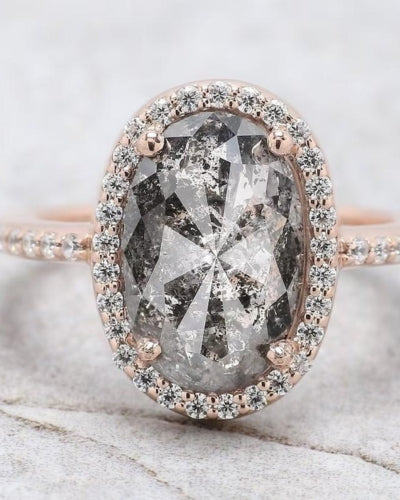
At the same time, Gen Z is bringing its own visual language to engagement jewellery. Oval rings, emerald cuts, pear shapes, minimalist bands, bezel settings, unusual silhouettes, mixed-metal styling and personalized designs are helping move diamond jewellery beyond one-size-fits-all traditions.
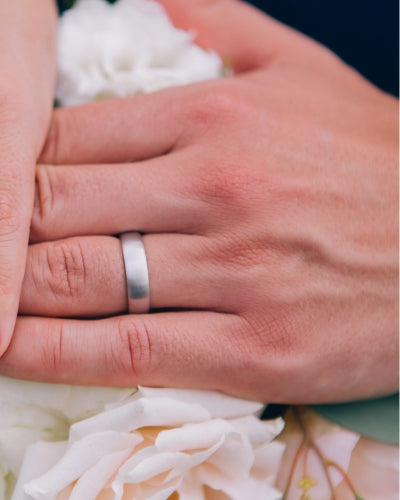
Lab-grown diamond jewellery for Gen Z couples in modern engagement and wedding ring designs

Quick answer: Gen Z couples are increasingly interested in lab-grown diamond jewellery because it can combine diamond beauty, contemporary design, personalization and accessible luxury. The appeal is not based on one factor alone. For many couples, it is the ability to put more emphasis on the overall ring design, relationship story and individual preferences rather than following a traditional jewellery formula.
Table of Contents
- The Gen Z Shift in Diamond Jewellery
- What Is a Lab-Grown Diamond?
- Why Gen Z Couples Are Choosing Lab-Grown Diamonds
- Value and Accessible Luxury
- Modern Design Freedom
- Personalization and Custom Jewellery
- Sustainability and Responsible Purchasing
- Jewellery as Personal Identity
- Lab-Grown Diamond Engagement Rings
- Lab-Grown Diamond Couple Rings
- Popular Lab-Grown Diamond Styles in 2026
- Best Diamond Shapes for Gen Z Couples
- Best Ring Settings
- How to Plan a Lab-Grown Diamond Jewellery Budget
- Step-by-Step Buying Guide
- How to Evaluate Diamond Quality
- Lab-Grown vs Natural Diamonds
- Everyday Jewellery and Versatility
- Lab-Grown Diamond Gifts for Couples
- Gen Z Couple Examples
- Common Buying Mistakes
- How to Care for Your Jewellery
- The Future of Gen Z Diamond Jewellery
- Frequently Asked Questions
The Gen Z Shift in Diamond Jewellery
Jewellery buying is becoming more personal. For many younger couples, the engagement ring is not viewed only as a symbol of status. It is also a design object, a wearable representation of personality and an important part of a couple's shared story.
This is one reason Gen Z jewellery trends in 2026 are so varied. One couple may want a delicate oval solitaire. Another may prefer a bold emerald-cut ring. A third may choose matching couple bands with different diamond details. Others may combine vintage-inspired shapes with contemporary settings.
The common theme is choice.
Gen Z couples have grown up surrounded by visual inspiration. Social platforms, online jewellery stores, design communities and digital shopping tools have made it easier to compare silhouettes, settings and styles before making a purchase.
Instead of beginning with the question, “What is the traditional engagement ring?” many couples begin with questions such as:
- What design feels like us?
- Which diamond shape suits my partner?
- Can we create something more personal?
- Can we prioritize design rather than simply size?
- Can the ring work with our everyday wardrobe?
- Can we choose matching jewellery without making it identical?
Lab-grown diamonds fit naturally into this design-first approach because buyers can explore a broad range of diamond jewellery styles while maintaining the visual qualities associated with diamonds.
What Is a Lab-Grown Diamond?
A lab-grown diamond is a diamond created through a technological process rather than formed naturally deep within the Earth over geological timescales.
Two major production approaches are commonly associated with lab-grown diamonds: chemical vapor deposition and high-pressure high-temperature production. Both are designed to create diamond material under controlled conditions.
Once produced and cut, a lab-grown diamond can be used in the same categories of jewellery as a mined diamond, including engagement rings, wedding bands, earrings, pendants and bracelets.
Is a lab-grown diamond a real diamond?
Yes. A lab-grown diamond is diamond material. The important distinction is its origin: it is created in a controlled production environment rather than mined from the Earth.
That distinction should always be communicated clearly when buying or selling jewellery. A lab-grown diamond should not be presented as a mined diamond, and a customer should know exactly what type of diamond they are purchasing.
Why origin matters to Gen Z
For many younger buyers, product transparency is part of the buying experience. Knowing what a product is, how it fits a budget and what makes it different can be as important as its appearance.
That makes clear product descriptions and honest diamond specifications particularly important when shopping for lab-grown diamond rings.
Why Gen Z Couples Are Choosing Lab-Grown Diamond Jewellery
There is no single reason every Gen Z couple chooses lab-grown diamonds. The decision is usually a combination of practical and emotional considerations.
1. They want more choice within their budget
One of the strongest attractions is the ability to consider different diamond sizes, shapes and jewellery designs within a planned budget.
Instead of putting almost the entire budget into the diamond itself, couples may choose to balance the stone with metal quality, setting details, custom work or matching jewellery.
2. They value design individuality
Gen Z couples are often comfortable moving away from traditional solitaire-only styling. They may prefer geometric shapes, asymmetric designs, vintage references, hidden details, unusual settings or minimalist bands.
3. They want personalized jewellery
Personalization has become central to modern jewellery. Initials, meaningful dates, birth-related symbolism, unusual diamond shapes and custom proportions can transform a standard design into something emotionally specific.
4. They are interested in responsible purchasing
Responsible shopping can include asking where materials come from, how products are made, what documentation is available and whether the seller communicates product information clearly.
Lab-grown diamonds appeal to buyers who specifically want a diamond created through controlled production, although responsible purchasing should never be reduced to one simple environmental claim.
5. They want jewellery that feels wearable
Many younger couples prefer jewellery that works beyond a single ceremony. A ring should look beautiful during an engagement, wedding, dinner, travel day or ordinary workday.
6. They enjoy modern luxury
Luxury is changing. For some buyers, luxury is no longer simply about maximum carat weight. It can mean exceptional design, customization, craftsmanship, personal meaning and a piece that feels unlike anything else.
Value and Accessible Luxury
When couples compare diamond jewellery, price is naturally part of the conversation. Lab-grown diamonds can make it possible to consider diamond jewellery at different budget levels.
However, “affordable” does not mean buyers should ignore quality. A beautiful ring still depends on diamond quality, cut, proportions, metal, craftsmanship and setting.
| Priority | What to Consider |
|---|---|
| Diamond | Shape, cut, color, clarity, carat weight and visual appearance |
| Metal | Gold purity, color, durability and personal preference |
| Setting | Prong, bezel, halo, pavé, solitaire or other construction |
| Comfort | Band width, profile, edges and everyday wearability |
| Meaning | Personalization, symbolism and connection to the couple |
A useful approach is to determine the total jewellery budget first and then decide how much should be allocated to the diamond, metal and design.
Modern Design Freedom
One of the biggest advantages for style-conscious couples is design freedom. Lab-grown diamonds can appear in traditional and unconventional jewellery designs.
For couples who like contemporary aesthetics, an emerald-cut lab-grown diamond can create a clean architectural appearance. Oval shapes can create a softer elongated look. Pear shapes bring movement and individuality. Round brilliant diamonds remain versatile and classic.
Modern lab-grown diamond engagement ring designs for Gen Z couples
Minimalist designs
Minimalist rings emphasize proportion and clean lines. A simple band with one carefully selected diamond can feel sophisticated without appearing overly formal.
Vintage-inspired designs
Vintage-inspired jewellery can combine older design language with modern diamond sourcing. Milgrain details, antique-style cuts and intricate settings can create a romantic appearance.
Contemporary statement designs
Couples who prefer a stronger visual impact may choose unusual silhouettes, larger center stones, geometric bands or contrasting metal details.
Personalization and Custom Jewellery
For Gen Z couples, personalization can be one of the most meaningful reasons to choose a ring.
A personalized lab-grown diamond ring might incorporate:
- A non-traditional diamond shape.
- A specific band width.
- A preferred gold color.
- Hidden engraving.
- Two complementary diamond shapes.
- A meaningful birthstone accent.
- A custom setting.
- Matching but non-identical couple bands.
The most successful personalization usually begins with the couple's lifestyle rather than simply adding decorative details.
Matching does not have to mean identical
One partner might prefer a delicate band while the other wants a wider ring. The two can still share a visual connection through matching metal, a shared diamond shape or a repeated design detail.
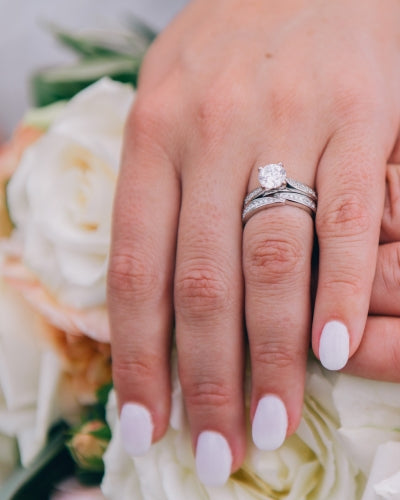
This is especially useful for couples shopping for couple bands who want coordination without making both rings look exactly the same.
Sustainability and Responsible Purchasing
Environmental and ethical considerations are increasingly part of jewellery conversations. Lab-grown diamonds appeal to some buyers because their production does not require extracting the diamond-bearing rock from a mine.
However, responsible jewellery purchasing is more nuanced than using a single sustainability label. Energy sources, production methods, metal sourcing, manufacturing practices, packaging and product longevity can all contribute to the broader impact of a jewellery purchase.
For buyers, the best approach is to ask practical questions and look for transparent product information.
Smart buying principle: Choose jewellery because you love the design and understand the product. If responsible sourcing is important to you, ask specific questions about the diamond origin, metal, documentation, manufacturing and care requirements rather than relying on vague marketing language.
Jewellery as Personal Identity
Gen Z jewellery is closely connected with personal identity. Engagement jewellery can be romantic without being traditional, luxurious without being excessive and symbolic without following a fixed formula.
This is why unconventional cuts are gaining attention. A hexagon, kite, shield, coffin, pear, marquise or emerald silhouette can immediately communicate individuality.
FancyDiamondJewels offers a broad selection of diamond jewellery categories and shapes, including diamond engagement rings and numerous distinctive diamond cuts.
Lab-Grown Diamond Engagement Rings
The engagement ring remains one of the most important purchases a couple can make together. Choosing lab-grown does not mean sacrificing the emotional significance of the ring.
In fact, the additional design flexibility can help couples create a ring that feels more personal.
Popular engagement ring directions for 2026
- Oval lab-grown diamond solitaire rings.
- Emerald-cut statement rings.
- Pear-shaped engagement rings.
- Three-stone designs.
- Bezel-set minimalist rings.
- Pavé diamond bands.
- Vintage-inspired settings.
- Two-tone gold designs.
- Unique geometric rings.
- Matching engagement and wedding band combinations.
Couples can explore the dedicated lab-grown diamond engagement ring collection when comparing different silhouettes and designs.
Lab-Grown Diamond Couple Rings
Couple rings are becoming more flexible. Instead of buying two identical rings, partners can select coordinated designs that reflect their individual personalities.
| Couple Style | Her Ring | His Ring |
|---|---|---|
| Classic | Round diamond solitaire | Plain polished band |
| Modern | Emerald-cut diamond | Geometric band |
| Romantic | Pear or heart-inspired design | Matching curved band |
| Minimalist | Bezel-set diamond | Simple gold band |
| Statement | Halo or three-stone ring | Diamond-accented band |
Popular Lab-Grown Diamond Styles in 2026
Oval lab-grown diamond rings
Oval diamonds are popular because they combine a classic diamond appearance with an elongated silhouette. They can make a ring appear elegant and refined while remaining easy to style.
Emerald-cut lab-grown diamonds
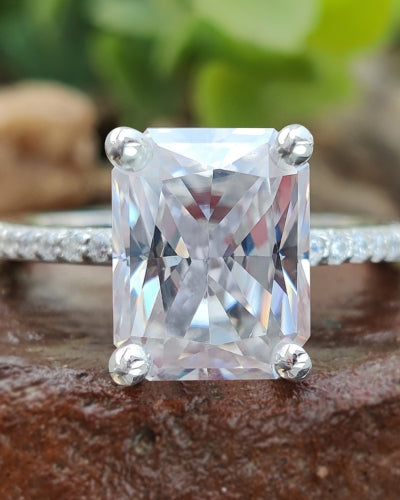
Emerald cuts are ideal for couples who appreciate clean geometry and a sophisticated step-cut appearance.
Pear-shaped lab-grown diamonds
Pear diamonds offer a romantic teardrop silhouette and work especially well for couples looking for something more distinctive than a round stone.
Round brilliant lab-grown diamonds
Round brilliant diamonds remain one of the most versatile choices. They can be styled in solitaire, pavé, halo, three-stone and other settings.
Unique geometric cuts
Hexagon, kite, shield and other geometric shapes can be attractive to couples who want their engagement ring to feel less conventional.
Popular lab-grown diamond shapes including oval, pear, emerald, round and geometric cuts
Best Diamond Shapes for Gen Z Couples
There is no universally best diamond shape. The right choice depends on hand proportions, personal style, setting, budget and lifestyle.
| Shape | Visual Character | Best For |
|---|---|---|
| Round | Classic and brilliant | Traditional and versatile styles |
| Oval | Elegant and elongated | Modern romantic designs |
| Emerald | Clean and architectural | Minimalist luxury |
| Pear | Distinctive and graceful | Romantic individualists |
| Marquise | Long and dramatic | Vintage-inspired looks |
| Hexagon | Geometric and bold | Contemporary couples |
| Kite | Angular and unconventional | Alternative jewellery styles |
Best Ring Settings for Modern Couples
Solitaire setting
The solitaire keeps attention on the center diamond and works well for couples who prefer timeless simplicity.
Bezel setting
A bezel surrounds the diamond with metal and creates a sleek, modern appearance. It can be especially attractive for buyers interested in clean lines and a secure-feeling setting.
Pavé setting
Pavé adds small diamonds along the band and creates additional sparkle without requiring a large center stone.
Three-stone setting
Three-stone rings offer an opportunity to connect design with symbolism. Couples can select different proportions and diamond shapes to create a distinctive composition.
Halo setting
A halo surrounds the center stone with smaller diamonds, creating a more elaborate and glamorous look.
How to Plan a Lab-Grown Diamond Jewellery Budget
A thoughtful budget begins with the entire purchase rather than the diamond alone.
Step 1: Establish your maximum budget
Choose an amount that is comfortable for your financial situation. Jewellery should celebrate your relationship rather than create unnecessary financial pressure.
Step 2: Decide what matters most
Rank diamond size, shape, metal, customization and craftsmanship according to importance.
Step 3: Compare complete ring prices
Do not compare diamond prices without considering the setting and metal. A ring is a finished piece of jewellery, not simply a gemstone.
Step 4: Leave room for customization
If you want engraving, a special setting, unusual proportions or matching bands, include those costs in the original plan.
Step 5: Think beyond the engagement
Consider whether you will also purchase wedding bands, anniversary jewellery or matching pieces. Planning ahead can make the entire jewellery journey easier.
Step-by-Step Guide to Buying Lab-Grown Diamond Jewellery
- Choose the jewellery type. Decide whether you want an engagement ring, couple band, wedding band, pendant, earrings or another piece.
- Choose the design direction. Decide between classic, minimalist, vintage, romantic, geometric or statement styling.
- Select the diamond shape. Compare round, oval, pear, emerald, marquise and unconventional shapes.
- Set your budget. Establish a comfortable total purchase amount.
- Evaluate diamond specifications. Review carat weight, color, clarity and cut information.
- Choose the metal. Consider yellow gold, white gold, rose gold or another available option.
- Choose the setting. Consider how the diamond will be held and how the ring will feel during everyday wear.
- Confirm sizing. Verify ring size before ordering whenever possible.
- Review customization. Ask about engraving, metal changes or design modifications if available.
- Review policies. Read shipping, returns, resizing and warranty information before purchasing.
- Keep documentation. Save product details, invoices and any diamond documentation provided with your order.
How to Evaluate Lab-Grown Diamond Quality
Diamond quality should be assessed holistically. The traditional “4Cs” remain useful: cut, color, clarity and carat weight.
Cut
Cut influences how a diamond interacts with light. For brilliant-cut stones, proportions and facet arrangement can have a significant effect on sparkle.
Color
Color grading describes how much body color a diamond displays within a particular grading system. The ideal color depends on the design and metal selected.
Clarity
Clarity concerns internal and surface characteristics. Not every inclusion is equally visible, and visual appearance should be considered alongside the stated grade.
Carat
Carat refers to weight, not visual beauty. Two diamonds with similar carat weights can have different face-up appearances depending on shape and proportions.
Pro tip: Do not choose a diamond based only on carat weight. A well-proportioned stone in a beautiful setting can look more impressive and more personal than simply choosing the largest available stone.
Lab-Grown vs Natural Diamonds: What Should Couples Choose?
The right choice depends on the couple. Both options can represent commitment and can be incorporated into beautiful jewellery.
| Factor | Lab-Grown Diamond | Natural Diamond |
|---|---|---|
| Origin | Created through controlled technological processes | Formed naturally and recovered through mining |
| Diamond material | Diamond | Diamond |
| Design options | Available in many shapes and jewellery styles | Available in many shapes and jewellery styles |
| Buyer priority | Often attractive to value- and design-focused shoppers | Often attractive to buyers who specifically value natural geological origin |
| Emotional meaning | Can symbolize the couple's future and personal story | Can symbolize rarity, history and natural origin |
There is no requirement that one choice is universally better. The best purchase is the one that matches your values, budget, expectations and design preferences.
Why Gen Z Wants Jewellery That Works Every Day
Modern couples increasingly consider lifestyle when choosing engagement jewellery. A ring may need to transition between work, travel, social events, celebrations and ordinary daily routines.
This is one reason minimalist settings are attractive. Lower-profile designs can feel subtle and practical, while bezel settings can provide a clean appearance. Couples who want maximum sparkle may prefer pavé or halo designs.
Beyond rings, lab-grown diamond jewellery can also be used for pendants, earrings and other pieces. The broader jewellery collections allow couples to explore different categories rather than limiting the purchase to an engagement ring.
Lab-Grown Diamond Gifts for Couples
Lab-grown diamonds are not limited to proposals. They can also become meaningful anniversary, birthday, wedding and milestone gifts.
- First anniversary diamond pendant.
- Matching diamond couple bands.
- Diamond earrings for a wedding milestone.
- Personalized diamond necklace.
- Diamond bracelet celebrating a major achievement.
- Promise ring before engagement.
- Custom ring celebrating a relationship milestone.
A gift becomes more meaningful when the design connects to the recipient's personality. For example, a minimalist partner may appreciate a delicate bezel pendant, while someone with a stronger fashion aesthetic may prefer a geometric statement ring.
Three Gen Z Couple Examples
Case Study 1: The minimalist couple
Imagine a couple who rarely wears large accessories. They want an engagement ring that feels refined rather than extravagant. They choose an oval lab-grown diamond in a slim gold setting.
Their priority is not maximum size. It is proportion, comfort and a design that works every day.
Best strategy: prioritize a beautiful cut, comfortable setting and timeless band profile.
Case Study 2: The design-focused couple
Another couple loves architecture, fashion and unusual shapes. A traditional round solitaire feels too predictable. They choose a geometric diamond shape with a modern setting and coordinate the partner's band through the same metal finish.
Best strategy: make the diamond shape and setting the main visual statement.
Case Study 3: The value-conscious couple
A third couple wants a substantial-looking diamond ring but also wants to reserve part of the budget for travel and wedding expenses. They explore lab-grown options and choose a larger-looking elongated diamond shape with a clean setting.
Best strategy: compare face-up appearance, shape and setting rather than focusing only on carat weight.
Common Lab-Grown Diamond Jewellery Buying Mistakes
Mistake 1: Choosing size before design
A larger diamond is not automatically a better ring. Start with the overall design.
Mistake 2: Ignoring proportions
Diamond shape, band width and setting height should work together.
Mistake 3: Forgetting lifestyle
A highly elevated setting may not be ideal for someone who works extensively with their hands.
Mistake 4: Not checking ring size
Correct sizing is essential, especially for gifts and surprise proposals.
Mistake 5: Assuming every lab-grown diamond is identical
Lab-grown diamonds can differ in cut quality, color, clarity, proportions and visual performance.
Mistake 6: Ignoring the metal
The metal color changes how the entire ring looks. Yellow, white and rose gold can create dramatically different impressions.
Mistake 7: Forgetting long-term care
Every engagement ring needs periodic inspection and appropriate cleaning, regardless of diamond origin.
How to Care for Your Lab-Grown Diamond Jewellery
- Remove jewellery when performing activities that could cause impact or abrasion.
- Keep pieces away from harsh household chemicals.
- Clean jewellery gently using an appropriate jewellery-cleaning method.
- Use a soft brush when appropriate for the setting.
- Store each piece separately to reduce scratching.
- Inspect prongs and settings periodically.
- Have the ring professionally checked if a stone appears loose.
- Keep documentation and purchase information in a safe place.
Regular care helps protect the setting as well as the diamond. Even a durable diamond can be affected by a damaged setting, loose prong or poorly maintained jewellery structure.
The Future of Gen Z Diamond Jewellery
The biggest change in jewellery is not necessarily one particular diamond shape. It is the increasing freedom couples have to define what engagement and commitment jewellery means to them.
In 2026, Gen Z couples are helping push jewellery toward a more personalized model. Rings can be minimalist or dramatic. Traditional or unconventional. Matching or complementary. Classic or highly individual.
Lab-grown diamonds fit into this future because they give couples another way to approach diamond jewellery while keeping the emotional meaning of the diamond at the center.
The next generation of engagement jewellery will likely continue to focus on:
- Personalized designs.
- Non-traditional diamond shapes.
- Minimalist everyday rings.
- Unique couple bands.
- Custom settings.
- Mixed-metal designs.
- Meaningful engraving.
- Responsible product information.
- Flexible jewellery budgets.
- Designs that express individual identity.

2026 Gen Z Lab-Grown Diamond Jewellery Checklist
| Question | Why It Matters |
|---|---|
| Do we know our total budget? | Prevents overspending and helps prioritize design. |
| Which diamond shape do we love? | Shape strongly influences the personality of the ring. |
| Which metal color suits us? | Metal changes the overall aesthetic. |
| Do we want matching rings? | Couples can choose identical or complementary designs. |
| Will the ring be worn every day? | Lifestyle should influence the setting and profile. |
| Do we want customization? | Customization can add emotional meaning. |
| Have we reviewed product specifications? | Clear information helps set realistic expectations. |
| Have we checked policies? | Returns, resizing and shipping can affect the buying experience. |
Why FancyDiamondJewels Fits the Modern Couple Jewellery Journey
For couples interested in exploring different diamond jewellery directions, FancyDiamondJewels provides a broad selection spanning engagement rings, wedding bands, couple bands, earrings, pendants and other jewellery categories.
The collection also includes lab-grown diamond rings in a range of shapes and styles, making it easier for design-conscious couples to compare different aesthetics in one place.
Explore lab-grown diamond engagement rings for proposal and bridal styles, or browse diamond engagement rings to compare a wider range of diamond designs.
Custom Ring BuilderHow to Choose a Ring That Feels Like “You”
Before purchasing, each partner can independently answer five questions:
- What jewellery do I already wear most often?
- Do I prefer classic or unusual shapes?
- Would I rather have a larger center stone or more intricate design?
- Do I prefer yellow, white or rose gold?
- What detail would make this ring uniquely ours?
Compare your answers. The overlap is often the starting point for a truly personal couple ring.
Final Thoughts: Why Lab-Grown Diamond Jewellery Makes Sense for Many Gen Z Couples
Gen Z couples are not rejecting diamond jewellery; they are redefining it.
The modern engagement ring can be beautiful without being predictable. It can be meaningful without following an old formula. It can prioritize design, individuality and personal values while still representing one of life's most important commitments.
Lab-grown diamonds have become part of that conversation because they give couples another option when shopping for diamond jewellery. They can be considered alongside different shapes, settings, metals and custom designs to create jewellery that reflects the people wearing it.
For one couple, that may mean a delicate oval solitaire. For another, it may mean a bold emerald cut. For another, matching geometric bands. There is no single definition of modern love jewellery.
The most important principle is simple: choose a diamond and design that tell your story.
When the ring feels authentic to the couple, its meaning can last far beyond the proposal, wedding day or anniversary. That is ultimately what makes modern jewellery valuable—not only what it costs, but what it represents.
Discover Diamond Jewellery for Your StoryFrequently Asked Questions About Gen Z and Lab-Grown Diamond Jewellery
1. Why are Gen Z couples choosing lab-grown diamonds?
Many Gen Z couples are attracted to lab-grown diamonds because they can offer diamond jewellery with more flexibility around budget, design, size and personalization. The decision is usually based on several factors rather than one single reason.
2. Are lab-grown diamonds real diamonds?
Yes. Lab-grown diamonds are diamond material created through controlled technological processes. Their key distinction from natural diamonds is their origin.
3. Are lab-grown diamonds good for engagement rings?
Yes. Lab-grown diamonds can be used in many engagement ring styles, including solitaire, halo, three-stone, pavé, bezel and vintage-inspired designs.
4. What lab-grown diamond shape is most popular for Gen Z couples?
There is no single universally preferred shape. Oval, round, emerald, pear and unconventional geometric shapes can all work well depending on personal style.
5. Are lab-grown diamond rings affordable?
Lab-grown diamonds can make diamond jewellery accessible across a range of budgets. The final price depends on the diamond, setting, metal, craftsmanship, size and design.
6. Are lab-grown diamonds sustainable?
Lab-grown diamonds are produced through controlled processes rather than mined from the Earth, but sustainability is broader than diamond origin alone. Energy sources, manufacturing, metals, packaging and product longevity should also be considered.
7. Can lab-grown diamonds be used in couple rings?
Yes. Lab-grown diamonds can be incorporated into matching or complementary couple bands. Partners can use the same metal, shape or design detail without choosing identical rings.
8. What should I check before buying a lab-grown diamond ring?
Review the diamond specifications, shape, cut, color, clarity, carat weight, metal, setting, ring size, customization options, shipping terms and return or resizing policies.
9. Is a bigger lab-grown diamond always better?
No. Carat weight is only one factor. Cut quality, proportions, shape, setting and overall design can have a major effect on the appearance of a ring.
10. Can lab-grown diamond jewellery be customized?
Customization depends on the jewellery design and seller, but many modern jewellery styles can be adapted through choices involving metal, diamond shape, setting, sizing and personalization.
11. Which metal is best for a Gen Z engagement ring?
There is no single best metal. Yellow gold offers a warm classic appearance, white gold creates a contemporary look, and rose gold provides a softer romantic tone. Lifestyle and personal style should guide the decision.
12. Are lab-grown diamond rings suitable for everyday wear?
They can be, provided the design and setting suit the wearer's lifestyle. Consider ring height, setting security, band profile and daily activities before selecting a design.
13. Can men wear lab-grown diamond jewellery?
Absolutely. Lab-grown diamonds can be incorporated into men's wedding bands, couple rings, signet-inspired designs, pendants and other jewellery.
14. What is the best lab-grown diamond engagement ring for a minimalist couple?
A simple solitaire, low-profile bezel or clean three-stone design can work particularly well for minimalist couples. The ideal choice depends on the wearer's personal style and lifestyle.
15. How do I make a lab-grown diamond ring more personal?
Consider a distinctive diamond shape, custom setting, engraving, meaningful design detail, complementary partner band or a metal color associated with the couple's style.
Shop the Look
Ready to explore modern diamond jewellery for your relationship? Start by comparing lab-grown engagement rings, couple bands and other diamond designs, then narrow your choice based on shape, setting, metal, budget and personal style.


Hinterlasse einen Kommentar
Diese Website ist durch hCaptcha geschützt und es gelten die allgemeinen Geschäftsbedingungen und Datenschutzbestimmungen von hCaptcha.