
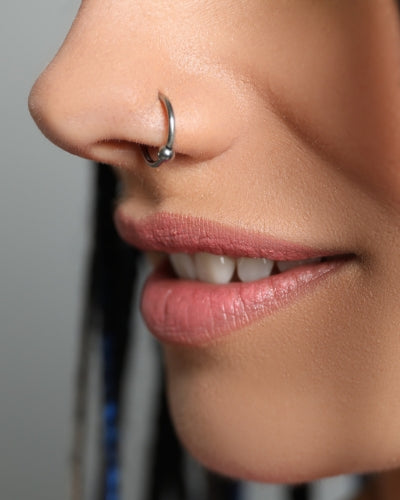
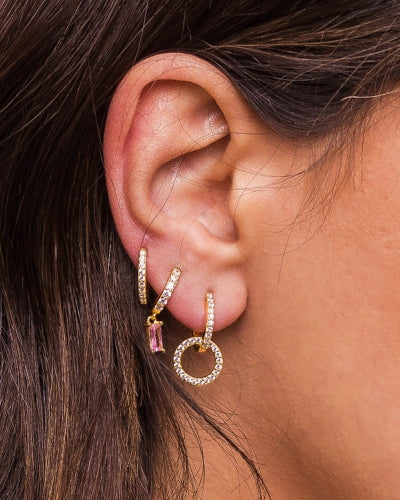
Everyday style is often defined by the smallest details: a delicate necklace resting against a crisp shirt, silver earrings catching the morning light, or a beautifully proportioned ring that makes even a simple outfit feel considered. Lab-grown gemstone jewelry set in silver-toned designs offers a versatile way to bring that understated luxury into your daily wardrobe. Lab-Grown Silver Jewelry
Learning how to style lab-grown silver jewelry is less about following strict fashion rules and more about finding a balance between comfort, personal expression, and effortless elegance. The right pieces can transition from a busy workday to a relaxed coffee date, a weekend outing, or an evening dinner without requiring a complete change of accessories.
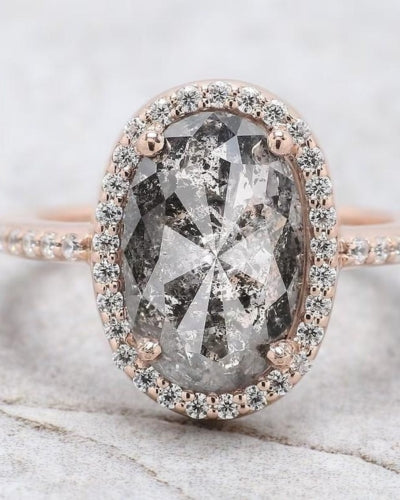
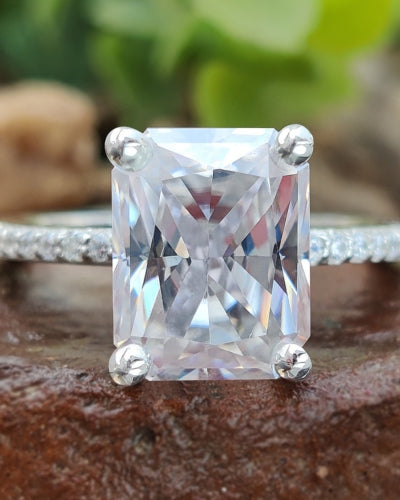
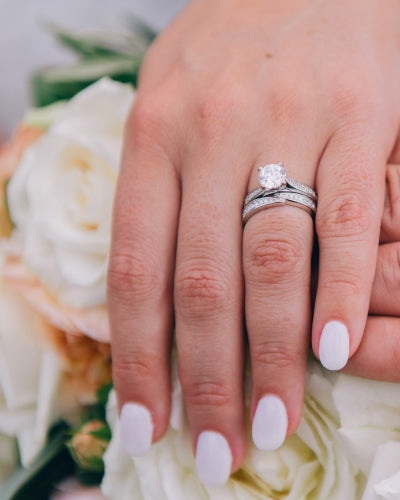
Elegant everyday styling with silver-toned lab-grown gemstone jewelry, delicate necklace, rings, and earrings

In this guide, discover practical styling techniques, outfit combinations, layering ideas, jewelry care tips, and simple ways to make your favorite pieces feel personal. Whether your aesthetic is minimalist, modern, romantic, or contemporary, you can create an everyday jewelry wardrobe that feels polished without looking overdone.
- Choose one focal piece and keep supporting accessories simple.
- Layer necklaces of different lengths to create definition without clutter.
- Match jewelry proportions to your neckline, outfit, and daily activities.
- Combine silver-toned jewelry with neutral clothing for a clean, refined look.
- Remove jewelry before swimming, exercising, cleaning, or using harsh chemicals.
- Confirm the exact metal, gemstone, and setting specifications before purchasing.
1. Understanding Lab-Grown Silver Jewelry
The phrase lab-grown silver jewelry can describe different things, so it is worth understanding the materials before choosing a piece. Silver is a metal, while lab-grown refers to the origin of a gemstone. Silver itself is not generally described as a lab-grown gemstone or a lab-grown metal in the context of conventional fine jewelry.
What does lab-grown mean?
A lab-grown gemstone is created in a controlled environment using processes designed to produce the same essential material as its corresponding laboratory-grown gemstone type. Lab-grown diamonds, for example, have the same fundamental chemical composition and crystal structure as natural diamonds. Other lab-created gems have their own distinct properties.
What does silver mean in jewelry?
Silver is a precious metal valued for its bright, cool-toned appearance. Sterling silver is commonly marked 925, indicating 92.5% silver, with the balance generally consisting of other metals. Silver-toned jewelry, meanwhile, may be made from another metal with a silver-colored finish.
How should you interpret the label?
When shopping for a piece described as lab-grown silver jewelry, verify whether it contains sterling silver, a silver-colored metal, a lab-grown diamond, or another laboratory-created gemstone. These details affect durability, maintenance, price, and the way the piece should be worn.
For a coordinated jewelry wardrobe, begin with clearly described materials and a design that fits your everyday routine.
2. Why Lab-Grown Gemstone Jewelry Works for Everyday Wear
Everyday jewelry should make getting dressed easier. It should feel comfortable, work with several outfits, and offer enough visual interest to make simple clothing feel intentional.
Versatility across different occasions
Delicate pendants, small gemstone studs, slim rings, and lightweight bracelets are easy to combine with casual, professional, and smart-casual clothing. A coordinated set can provide continuity without making every outfit look identical.
Personal expression without excess
A small gemstone can reflect a favorite color, a meaningful occasion, or an individual design preference. Choosing jewelry with personal significance makes a daily accessory feel more special than a trend-driven purchase.
Practicality matters as much as appearance
Look for secure clasps, comfortable edges, suitable ring proportions, and settings that will not easily catch on clothing. A beautiful piece is most useful when its design suits how you actually spend your day.
3. The Essential Styling Principles
Choose a focal point
Start with the piece you want people to notice. It could be a sparkling pendant, sculptural earrings, or a distinctive ring. Keep the remaining accessories quieter so the overall look feels balanced.
Balance scale and proportion
Fine chains and small studs complement structured shirts and delicate fabrics. Chunkier bracelets and larger earrings can work well with relaxed tailoring, plain tops, and uncomplicated silhouettes. Proportion is more important than wearing jewelry in matching sizes.
Consider your daily activities
For a desk-based day, a pendant and small earrings may be sufficient. If you work with your hands, choose low-profile rings and secure settings. For active routines, remove jewelry when it could snag, become damaged, or create a safety concern.
Use repetition to create harmony
Repeat one visual element, such as a geometric shape, a cool metal tone, or a particular gemstone color. This creates a coordinated look even when the pieces come from different collections.
4. Styling Silver Necklaces for Everyday Wear
Delicate silver-toned necklaces layered at different lengths over a neutral everyday outfit
Wear a single delicate pendant
A fine chain with a small pendant is an easy starting point. Wear it with a crew-neck T-shirt, a button-down shirt, a simple dress, or a lightweight sweater. The pendant adds a focal point without competing with the outfit.
Layer necklaces at different lengths
Combine a short chain, a medium-length pendant, and an optional longer necklace. Give each chain enough space to remain visible, and avoid pairing several similarly sized pendants that tangle or overlap.
Match the chain to the neckline
A short necklace works well with an open collar, while a medium-length pendant can sit neatly against a plain crew neck. Longer chains can complement high necklines and simple knitwear, depending on the garment's proportions.
Keep the pendant practical
For everyday wear, consider weight, movement, and chain security. Large pendants may rotate during the day, while delicate chains may need careful handling. Remove necklaces before exercise and sleep if they could snag or become damaged.
5. Choosing Everyday Earrings
Stud earrings for effortless polish
Small silver-toned studs, including lab-grown gemstone designs, offer a neat finish for office wear, errands, and relaxed weekends. Their compact size makes them easy to coordinate with necklaces and rings.
Small hoops for modern simplicity
Hoops introduce a little movement while remaining versatile. Choose a size that complements your face, hairstyle, and clothing. Smaller hoops generally create a quieter look, while larger hoops become a stronger focal point.
Drop earrings for subtle elegance
Short drops can elevate a plain blouse or dress without feeling overly formal. For an everyday routine, consider lightweight styles with secure closures and minimal elements that can catch on hair or scarves.
How to coordinate earrings with other jewelry
If your earrings are bold or sparkling, simplify the necklace. If you are wearing barely-there studs, you have more freedom to layer delicate chains or add a distinctive ring.
6. Wearing Rings Every Day
Start with one comfortable ring
A slim band or low-profile gemstone ring can become a signature accessory. Select a size that feels secure without pinching, and consider whether the setting will interfere with typing, carrying bags, or other daily tasks.
Create a balanced ring stack
Combine two or three rings with different widths or textures. A plain band can balance a gemstone ring, while a small gap between pieces helps each design remain visible.
Choose practical settings
Raised prongs can allow more light to reach a gemstone but may catch on fabric. Bezel settings surround the stone's edge and often provide a smoother profile. Neither design is indestructible, so inspect settings periodically.
Keep comfort ahead of trends
Several rings on one hand can look expressive, but they should not restrict movement. Remove rings when handling cleaning products, lifting heavy objects, or doing activities that may bend a band or trap moisture.
7. Styling Bracelets and Bangles
Choose a bracelet that moves comfortably
A slim chain bracelet works with short sleeves, rolled cuffs, and simple dresses. Check that the clasp is secure and that the bracelet does not slide excessively over your hand.
Try a controlled bracelet stack
Combine one fine chain bracelet with a slightly more substantial bangle. Keep the total number manageable, particularly if you work at a keyboard or prefer a quiet look.
Coordinate bracelets with your watch
A silver-toned bracelet can sit beside a watch with a similar finish. If the watch has a large face or a textured strap, choose a lighter bracelet to prevent the wrist from feeling crowded.
Consider sound and movement
Loose bangles can create noise and may knock against delicate surfaces. Choose a close-fitting design for work and save more substantial stacks for occasions when they feel comfortable.
8. How to Layer Jewelry Without Looking Overdone
Step 1: Pick one category to layer
Begin with necklaces, rings, or bracelets rather than stacking every category at once. This keeps the outfit visually organized.
Step 2: Vary shape or length
For necklaces, use different lengths. For rings, combine slim and medium-width bands. For bracelets, vary the texture or silhouette instead of adding multiple nearly identical pieces.
Step 3: Leave negative space
Empty space is part of good styling. If chains overlap heavily or rings hide each other's details, remove one piece and reassess.
Step 4: Repeat a unifying feature
Matching metal tones, similar gemstone colors, or related geometric shapes create a deliberate combination. Perfectly identical sets are not necessary.
Step 5: Check comfort and security
Move your arms, turn your head, and check whether clasps or settings catch on clothing. Jewelry should feel natural throughout the day, not require constant adjustment.
9. Matching Jewelry to Different Necklines
Your neckline determines how much visible space is available for a necklace. Use the garment as a guide rather than following a rigid rule.
| Clothing neckline | Jewelry suggestion | Styling effect |
|---|---|---|
| Crew neck | Short chain or medium pendant | Clean and balanced |
| V-neck | Small pendant or V-shaped necklace | Echoes the neckline |
| Open collar | Fine chain or short layered pair | Relaxed sophistication |
| High neck | Long pendant or statement earrings | Creates vertical interest |
| Off-the-shoulder | Short necklace or drop earrings | Highlights the neckline |
| Square neck | Geometric pendant or simple chain | Complements clean lines |
When skipping a necklace works best
Heavily embellished collars, patterned necklines, and high-detail tops may look more polished without a necklace. Wear earrings or a ring instead to maintain a focal point.
10. Choosing Colors and Textures
White, cream, and beige
Neutral colors create a soft background for silver-toned jewelry. A bright metal finish can look crisp against white, while cream and beige create a warmer contrast.
Black, charcoal, and navy
Dark clothing makes reflective jewelry more visible. A small pendant or a pair of bright studs can add definition to a monochrome outfit without adding extra colors.
Pastels and muted shades
Powder blue, pale pink, sage, and lavender complement the cool appearance of silver. A clear or similarly toned gemstone preserves the softness, while a contrasting stone introduces personality.
Prints and textured fabrics
For floral prints, stripes, tweed, or chunky knitwear, use simpler jewelry shapes. Smooth metal surfaces can balance busy textures, while detailed statement pieces often work best against plain fabrics.
11. Office and Workwear Styling

For tailored outfits
Pair a structured blazer with small studs, a slim chain, and one understated ring. The clean lines of the clothing allow the jewelry to feel refined rather than decorative.
For business-casual clothing
A fine pendant, medium-sized hoops, or a simple bracelet works with trousers, blouses, knit tops, and relaxed tailoring. Choose pieces that will not catch on cuffs or distract during meetings.
For creative workplaces
Use one distinctive element, such as an unusual gemstone shape or sculptural hoop. Keep other accessories restrained so the overall look remains intentional.
For video calls
Small hoops and earrings with a reflective surface can add definition around the face. Avoid pieces that make distracting noise or move excessively when you turn your head.
12. Casual and Weekend Outfits
Jeans and a white T-shirt
A short silver-toned necklace, small hoops, and a slim ring can turn a basic outfit into a polished everyday look. The simplicity of the clothing allows each detail to stand out.
Relaxed shirts and knitwear
Wear a fine pendant over a plain top or let a short chain sit just above the neckline. Add a single bracelet if the sleeves leave the wrist visible.
Summer dresses
Lightweight earrings and a delicate necklace suit cotton dresses, linen outfits, and flowing silhouettes. Avoid excessive layering if the fabric already has a strong print or intricate details.
Weekend errands
Choose secure, lightweight pieces that need little adjustment. Small studs, a simple chain, or a low-profile ring can provide a consistent signature without feeling too formal.
13. Transitioning from Daytime to Evening
Everyday jewelry can transition easily into an evening look when you adjust the focal point rather than replacing everything.
Upgrade your earrings
Replace tiny studs with elegant drops or slightly larger hoops. Keep the necklace simple if the earrings provide the main sparkle.
Add one more layer
A second necklace or a more noticeable bracelet can create a more styled appearance. Maintain enough spacing for each piece to remain visible.
Choose a stronger gemstone accent
A colorful lab-grown gemstone or a larger central stone can give a plain black dress or tailored outfit more personality. Confirm the gemstone's identity and care needs before wearing it regularly.
Keep the look cohesive
Evening style does not require every accessory to shine equally. Let one piece take the lead, and use the rest to create balance.
14. Minimalist Styling for Everyday Elegance
Minimalist jewelry relies on clean shapes, restrained proportions, and thoughtful repetition. It is especially useful for people who want accessories that work with most of their wardrobe.
The three-piece formula
- One necklace or pendant.
- One pair of earrings.
- One ring or bracelet.
This formula creates a finished look without requiring a matching set. Repeat the same metal tone for cohesion, or use a gemstone as a small point of contrast.
Why simple designs stay versatile
Plain bands, fine chains, and small studs do not rely heavily on a particular trend. They can be worn with seasonal clothing changes and styled in different combinations over time.
15. Wearing Statement Jewelry Without Overdoing It
Use the one-statement rule
If you choose large earrings, keep the necklace understated or skip it. If your necklace is bold, use small earrings and fewer rings. This approach gives the main piece enough space to make an impression.
Match the statement to the outfit
A sculptural ring can complement a plain outfit, while a bold necklace can work with a simple dress. Avoid competing focal points, especially when the clothing already includes ruffles, large prints, or embellishments.
Consider comfort and weight
Statement earrings and large pendants may feel heavier over long periods. Choose secure closures and take them off when comfort, movement, or safety becomes an issue.
16. Mixing Silver with Gold and Other Metals
Silver does not need to be worn exclusively with silver. Mixing metal colors can create a modern, collected look when the combination appears deliberate.
Use one dominant metal
Let silver-toned pieces form the base, then add a gold-toned ring, bracelet, or necklace as an accent. This creates contrast without making the look feel random.
Repeat the mixed-metal detail
If you wear a gold-toned ring beside silver jewelry, consider repeating the warm tone in a watch or small pendant. A second reference makes the combination feel intentional.
Match finishes thoughtfully
Polished silver, brushed gold, and textured metals can coexist, but too many competing finishes may look busy. Keep the shapes relatively simple when mixing several materials.
Check the actual materials
Metal color does not establish metal composition. Read product specifications carefully, especially if you have sensitivities to particular alloys or coatings.
17. Seasonal Jewelry Styling
Spring: soft colors and delicate layers
Pair fine chains and small gemstone studs with floral dresses, lightweight shirts, and pastel clothing. Choose a subtle accent color if you want a little contrast.
Summer: lightweight and uncomplicated
Simple hoops, short necklaces, and secure bracelets work well with breathable fabrics. Remove jewelry before swimming, and avoid exposing silver or gemstone settings to sunscreen, saltwater, and pool chemicals unnecessarily.
Autumn: texture and contrast
Style silver jewelry with knitwear, tailored coats, darker colors, and textured fabrics. A longer pendant or a pair of understated hoops can add definition without competing with heavy layers.
Winter: clean highlights
Silver-toned pieces can stand out against black, navy, burgundy, and cream clothing. Take care with scarves and high collars, which can catch on prongs, clasps, and delicate chains.
18. Building a Personal Everyday Jewelry Wardrobe
Start with a versatile core
Choose a small collection of pieces that cover different needs: simple earrings, one everyday necklace, a comfortable ring, and an optional bracelet. This core can work across many outfits without requiring a large collection.
Add personality through one special piece
After building the basics, add a distinctive gemstone, a meaningful pendant, or a design with unusual proportions. The goal is to combine reliability with individual expression.
Use a wardrobe test
Before buying a new piece, identify at least three outfits you would wear it with. Consider whether it works with your usual colors, necklines, and schedule. If it only suits one specific occasion, it may be a special-occasion purchase rather than an everyday essential.
Buy for your real routine
Someone who types all day may prefer smooth rings and minimal bracelets. Someone who wears open collars may get more use from necklaces. Choose based on actual habits rather than an idealized version of daily life.
19. A Step-by-Step Routine for Styling Everyday Silver Jewelry
Use this simple routine when getting ready in the morning.
- Choose your clothing first. Identify its neckline, color, texture, and overall level of formality.
- Select the focal point. Decide whether the necklace, earrings, ring, or bracelet will lead the look.
- Add a complementary piece. Choose a second item that supports rather than competes with the focal point.
- Check the proportions. Make sure your jewelry suits the garment and remains visible where intended.
- Check comfort. Confirm that the pieces fit properly and will not snag or interfere with your routine.
- Review the full look. Remove anything that feels unnecessary or makes the outfit appear crowded.
- Store spare pieces safely. Keep unused jewelry in a clean, dry place to reduce scratches and tarnish.
Example: A five-minute office look
Start with a neutral blouse and tailored trousers. Add small gemstone studs and a fine pendant. Finish with one slim ring. If the neckline already has detailing, skip the pendant and let the earrings provide the finishing touch.
Example: A relaxed weekend look
Wear jeans and a plain T-shirt with small hoops and a short chain. Add a comfortable bracelet if it does not interfere with your activities. Keep the pieces lightweight and easy to wear.
20. Everyday Jewelry Styling Comparison Chart
| Style goal | Recommended combination | Best suited to | Watch out for |
|---|---|---|---|
| Minimalist | Studs, fine chain, slim ring | Daily errands and office | Pieces that disappear against busy clothing |
| Professional | Small hoops, pendant, one bracelet | Business and meetings | Noise and distracting movement |
| Layered | Two or three varied necklaces | Plain tops and open collars | Tangling and overlapping pendants |
| Modern statement | Bold earrings with a simple ring | Dinners and creative outfits | Too many competing focal points |
| Relaxed casual | Small hoops and a simple chain | Weekend outfits | Delicate pieces exposed to rough activity |
| Romantic | Gemstone pendant and delicate drops | Dresses and special dates | Combining too many intricate details |
Which combination is the most versatile?
For many wardrobes, small earrings, a medium-length pendant, and one comfortable ring provide a useful starting point. Adjust the combination to your personal style, comfort, and workplace expectations.
21. Benefits and Considerations of Everyday Silver Jewelry
Benefits
- Versatile appearance: Silver-toned designs coordinate with many clothing colors.
- Easy styling: Minimalist pieces can be worn individually or layered.
- Personal expression: Gemstone shapes and colors help reflect individual preferences.
- Wardrobe flexibility: A few well-chosen accessories can work for casual and professional occasions.
- Choice of gemstone origin: Lab-grown options can offer an alternative for shoppers who specifically prefer laboratory-created gemstones.
Considerations
- Material differences: Sterling silver, silver plating, and silver-colored alloys have different maintenance needs.
- Tarnish: Sterling silver can darken over time, especially when exposed to moisture, sulfur-containing compounds, and some products.
- Setting durability: A gemstone's hardness does not guarantee that its setting or the surrounding metal will withstand every impact.
- Care requirements: Some finishes, gemstones, and coatings need specialized cleaning.
- Product-label clarity: The words “lab-grown” and “silver” describe different material characteristics and should be verified separately.
How to decide
Choose jewelry according to your preferred appearance, budget, care routine, and expected use. A practical everyday piece is one that you enjoy wearing and can maintain appropriately.
22. Everyday Styling Examples: Three Practical Scenarios
The following examples are illustrative styling scenarios, not claims about specific customers or documented customer results. They demonstrate how jewelry choices can be adapted to different routines. Custom Ring Builder
Scenario one: The minimalist professional
A person who prefers tailored clothing chooses small silver-toned studs, a fine pendant, and a slim ring. The jewelry adds a subtle point of interest without distracting from structured workwear. On days with a detailed neckline, the pendant is removed to preserve a clean silhouette.
Styling lesson: Repeatable combinations make weekday dressing faster. A small group of coordinated pieces can become a reliable uniform.
Scenario two: The casual weekend dresser
A person who usually wears denim, cotton shirts, and simple dresses chooses medium-sized hoops and a delicate chain. For a lunch outing, a gemstone ring adds a little color. For activities involving lifting, exercise, or rough surfaces, the ring is removed.
Styling lesson: Everyday jewelry should support the activity rather than become an obstacle to it.
Scenario three: The layered jewelry enthusiast
A person who enjoys layering starts with a short chain and adds a longer pendant. The two necklaces use different shapes and lengths, while earrings remain small. If the chains tangle or the pendants overlap, one necklace is removed.
Styling lesson: Layering works best when each piece has its own visual space.
A practical evaluation checklist
- Does the jewelry complement at least three outfits?
- Can you wear it comfortably for the intended length of time?
- Are the clasps, settings, and sizes suitable for your routine?
- Do you know which materials and gemstones the piece contains?
- Can you follow the recommended care instructions?
23. Common Styling Mistakes to Avoid
Wearing too many focal pieces
Large earrings, a bold necklace, several statement rings, and a stack of bracelets can compete for attention. Choose one leading accessory and let the rest support it.
Ignoring neckline proportions
A necklace may disappear beneath a high collar or sit awkwardly against an embellished neckline. Check where the chain falls before deciding that a particular length works for every outfit.
Layering identical chain lengths
Chains of similar lengths can tangle and hide one another. Vary their lengths, pendant sizes, or chain textures to create clearer separation.
Prioritizing appearance over comfort
Rings that pinch, earrings that feel too heavy, and bracelets that slide constantly are unlikely to become everyday favorites. Fit and comfort should influence the purchase decision.
Assuming every silver-colored piece is sterling silver
A silver-colored finish does not prove the metal composition. Review product details and ask for clarification when the material is not clearly identified.
Wearing jewelry during unsuitable activities
Chlorinated water, saltwater, harsh cleaners, impacts, and friction can damage some jewelry components. Remove jewelry before activities that create avoidable risks.
24. Cleaning and Caring for Silver Jewelry
Soft microfiber cloth and neatly stored silver-toned gemstone jewelry for gentle everyday jewelry care
Proper care helps jewelry retain its appearance and can make it easier to spot loose settings, worn clasps, or other issues before they become serious.
Daily care
- Wipe jewelry with a clean, soft cloth after wearing it.
- Put jewelry on after applying cosmetics, perfume, hairspray, and lotion.
- Remove pieces before swimming, bathing, exercise, and household cleaning.
- Store jewelry separately to reduce scratches and tangles.
Gentle cleaning steps
- Check the manufacturer's care instructions and identify the metal and gemstone.
- If suitable for the materials, use lukewarm water and a small amount of mild soap.
- Clean gently with a soft cloth, avoiding pressure on delicate settings.
- Rinse carefully if the materials and construction allow it.
- Dry thoroughly with a lint-free cloth before storage.
What should you avoid?
Avoid abrasive cleaners, rough brushes, bleach, and unverified home remedies. Silver-polishing products can be unsuitable for some gemstones, plated finishes, oxidized details, or delicate settings. Do not use ultrasonic or steam cleaning unless the jewelry's materials and construction are confirmed to tolerate it.
How should you store jewelry?
Keep each piece in a dry pouch or separate compartment. Sterling silver benefits from storage that limits prolonged exposure to air and moisture. Store chains clasped when practical, and avoid placing heavy pieces on delicate necklaces.
For additional guidance, read the jewelry care information in this detailed jewelry cleaning and care guide. Always follow the specific instructions for the materials in your piece.
25. Choosing Everyday Jewelry with Confidence
Verify the material specifications
Look for clear descriptions of the metal, gemstone type, gemstone origin, finish, and setting. Confirm whether a piece is solid sterling silver, silver-plated, or made from another metal with a silver-colored finish.
Choose the right scale
Consider the size of the gemstone, the width of the band, the length of the chain, and the weight of the earrings. Product photographs can make proportions difficult to judge, so review dimensions whenever they are provided.
Consider construction and security
Inspect descriptions for clasp types, setting styles, and relevant care instructions. A delicate design may look beautiful but require more careful handling than a smooth, low-profile piece.
Think about cost per wear
A piece that complements many outfits may be more useful than an elaborate accessory worn only occasionally. Consider your budget, intended use, maintenance needs, and the likelihood that you will wear the item regularly.
Explore your jewelry style
FancyDiamondJewels offers jewelry categories that can help you explore different designs and silhouettes. Start with the FancyDiamondJewels homepage and browse the available collections to identify designs that suit your preferences. Confirm the specific product materials before purchase.
- Confirm the metal and gemstone descriptions.
- Check the dimensions and overall proportions.
- Review care instructions and setting details.
- Consider your typical outfits and daily activities.
- Choose pieces you will feel comfortable wearing repeatedly.
26. Everyday Silver Jewelry Styling Infographic
Use this quick-reference guide to plan a balanced look before leaving home.
Everyday silver jewelry styling infographic showing necklace layering, earring choices, ring stacking, outfit coordination, and jewelry care tips
The five-point styling formula
- Outfit: Identify the neckline, color, and fabric.
- Focal point: Choose one main accessory.
- Balance: Add one or two complementary pieces.
- Comfort: Check fit, movement, and secure closures.
- Care: Remove jewelry before risky activities and store it properly.
For a clean everyday look, remember that thoughtful selection matters more than the number of pieces you wear.
27. Frequently Asked Questions About Styling Lab-Grown Silver Jewelry
1. What is lab-grown silver jewelry?
The phrase can refer to silver jewelry featuring lab-grown gemstones, but silver itself is a metal rather than a lab-grown gemstone. Check whether the piece contains sterling silver, another silver-colored metal, and a laboratory-created gemstone such as a lab-grown diamond.
2. Can I wear silver jewelry every day?
Many silver jewelry pieces can be worn regularly when they are properly fitted and maintained. Remove them during activities that expose them to harsh chemicals, impacts, excessive friction, or water conditions that could damage the metal, finish, setting, or gemstone.
3. How do I style silver jewelry with everyday clothes?
Pair delicate necklaces, small hoops, and simple rings with everyday basics such as T-shirts, shirts, denim, and knitwear. Choose a focal point and let the remaining accessories complement it.
4. What jewelry works best for office wear?
Small studs, modest hoops, fine pendants, and slim rings are versatile options for many professional environments. Consider workplace expectations, comfort, and whether dangling or noisy pieces may be distracting.
5. Can I layer silver necklaces?
Yes. Choose two or three necklaces with different lengths, chain textures, or pendant sizes. Leave enough space between the pieces to keep them visible, and remove a chain if the layers tangle.
6. Does silver jewelry go with gold jewelry?
Yes. Mixing silver and gold tones can create a contemporary look. Use one metal as the dominant tone and repeat the second tone in a small detail for a coordinated finish.
7. Which earrings are best for everyday use?
Small studs and lightweight hoops are popular practical choices because they work with many outfits. Select secure closures, comfortable weights, and materials suitable for your skin.
8. How many rings should I wear at once?
There is no fixed number. One ring creates a minimal look, while two or three carefully balanced rings can create a stack. Prioritize comfort, appropriate fit, and freedom of movement.
9. Does sterling silver tarnish?
Yes. Sterling silver can tarnish as it reacts with substances in its environment. Regular gentle wiping, dry storage, and avoiding harsh chemicals can help maintain its appearance.
10. How should I clean silver jewelry with gemstones?
Check the care instructions for both the metal and gemstone. When appropriate, use lukewarm water, mild soap, and a soft cloth. Avoid abrasive cleaners, strong chemicals, and ultrasonic cleaning unless the materials and construction are confirmed to tolerate them.
11. Is lab-grown diamond jewelry the same as silver jewelry?
No. A lab-grown diamond describes a gemstone's origin, while silver describes a metal. A piece can combine a lab-grown diamond with sterling silver or another metal, depending on its design and specifications.
12. What is the difference between sterling silver and silver-plated jewelry?
Sterling silver is an alloy containing 92.5% silver, whereas silver-plated jewelry has a surface layer of silver over a different underlying material. Their composition, durability, maintenance, and repair requirements can differ.
13. Can I wear silver jewelry with printed outfits?
Yes. Simple chains, small earrings, and smooth rings can balance floral prints, stripes, and textured fabrics. If the outfit is visually busy, use fewer accessories or choose simpler silhouettes.
14. Should I wear jewelry while exercising or swimming?
It is generally safer to remove jewelry before exercise and swimming. Sweat, impacts, snagging, chlorine, and saltwater may affect jewelry components, while rings and chains can also present practical safety risks.
15. How do I stop necklace layers from tangling?
Choose chains with noticeably different lengths, avoid combining several similarly weighted chains, and use a layering clasp if it is compatible with the necklaces. Store each chain separately when not in use.
16. Is silver jewelry suitable for sensitive skin?
It depends on the alloy, plating, and individual sensitivity. Check the material composition and seek advice from a qualified healthcare professional if you have recurring skin reactions. A silver-colored finish alone does not guarantee suitability.
17. What is the easiest everyday jewelry combination?
A pair of small earrings, one delicate necklace, and a comfortable ring form a versatile starting point. You can simplify the combination for active days or add a bracelet when you want more detail.
18. How do I choose jewelry that suits my neckline?
Use the neckline as a guide. Short chains can work with open collars, medium pendants suit many crew and V-necks, and longer necklaces can complement high-neck garments. Skip the necklace if it competes with elaborate clothing details.
19. Is lab-grown gemstone jewelry a good gift?
It can be a thoughtful gift for someone who appreciates the design and prefers laboratory-created gemstones. Check the recipient's metal preferences, style, sizing needs, and the item's material specifications before purchasing.
20. How can I make everyday jewelry look more luxurious?
Focus on proportion, comfort, clean coordination, and good care. A few well-chosen pieces with complementary shapes and finishes can look more polished than a large collection of competing accessories.
Conclusion: Make Everyday Jewelry Feel Effortlessly Personal
Learning how to style lab-grown silver jewelry for everyday wear starts with a simple principle: choose pieces that work with your real life. Delicate necklaces can elevate basic clothing, small earrings can add a refined finish, and carefully balanced rings or bracelets can bring personality to an otherwise simple outfit.
Build your look around one focal point, pay attention to necklines and proportions, and layer only when the combination feels comfortable and intentional. Equally important, understand the difference between silver metal, silver-colored finishes, and lab-grown gemstones so you can choose pieces with confidence.
With thoughtful styling and suitable care, your everyday jewelry collection can feel versatile, personal, and consistently polished. Start with a few pieces you genuinely enjoy wearing, experiment with combinations, and let your own sense of style guide the final look.
Explore the collections at FancyDiamondJewels, compare designs and material specifications, and choose jewelry that complements your wardrobe and daily routine.
Explore FancyDiamondJewels


Hinterlasse einen Kommentar
Diese Website ist durch hCaptcha geschützt und es gelten die allgemeinen Geschäftsbedingungen und Datenschutzbestimmungen von hCaptcha.