
Why Pear‑Shaped Diamonds with Halo Settings Are Trending
TL;DR: Pear‑shaped diamonds paired with halo settings combine timeless elegance, optical size amplification, and versatile styling — making them one of the most sought‑after choices for engagement rings and fashion jewelry in today's market. This long‑form guide covers design, buying, care, styling, comparisons, case studies, SEO‑optimized tips and FAQs to help you decide and shop confidently.
Curious why the pear + halo pairing is topping wishlists and Pinterest boards? Keep reading — this guide unpacks the geometry, the psychology, the market forces, and practical advice.
Table of Contents
- Why Pear + Halo Is Trending
- Pear Cut Basics: Anatomy & Appeal
- Halo Variants Explained
- Top Design Combos & Metal Choices
- How Halo Settings Amplify Visual Size
- Practical Wear & Care
- Complete Buying Guide (Step‑by‑Step)
- Lab‑Grown vs Natural
- Comparison: Pear Halo vs Other Halo Centers
- Real Case Studies & E‑E‑A‑T Experience Stories
- Tables, Charts & Quick Reference
- Pros & Cons
- FAQs
- Conclusion & CTAs
1. Why Pear + Halo Is Trending
Pear‑shaped diamonds offer a unique silhouette — the tapered point plus rounded end creates an elegant, elongating effect on the finger. When combined with a halo of smaller stones, the design amplifies brilliance and perceived size, while also protecting the stone's edges. In modern bridal and fashion markets, shoppers look for individuality and visual impact — the pear + halo pairing delivers both.
Market Signals Driving the Trend
- Desire for distinctive shapes beyond classic rounds.
- Social media and celebrity influence highlighting elongated center stones.
- Halo settings providing perceived value (looks larger without higher center‑stone cost).
- Customization options (hidden halos, double halos, mixed metals) appealing to younger buyers.
2. Pear Cut Basics: Anatomy & Appeal
Anatomy of a Pear
The pear cut is a hybrid of a round and a marquise, forming a teardrop shape. Key elements include the point (the narrow tip), the rounded end (like a brilliant cut), and the length‑to‑width ratio which defines whether the stone reads short & stout or long & elegant.
Choosing the Right Length‑to‑Width Ratio
- 1.40–1.60: Classic balance — neither too elongated nor too squat.
- 1.60–1.80: Modern, elongated look — makes fingers appear longer.
- <1.40: Shorter appearance, may seem rounder.
Common Visual Issues (and How to Avoid Them)
- Bow‑tie effect: Visible dark area across the center if light is poorly cut — avoid by inspecting face‑up photos and video.
- Off‑center points: Symmetry matters — ask for certification images and top/side view photos.
3. Halo Variants Explained
Classic Halo

A single row of pavé or round stones encircling the center. Clean, timeless and the most popular variant.
Hidden Halo

A row of small stones set under the center stone, visible only at certain angles — elegant surprise and extra sparkle without changing the top silhouette.
Double Halo

Two concentric rows of stones for maximum sparkle and perceived size.
Mixed‑Stone Halo

Contrasting stones (e.g., colored sapphires + white diamonds) to create a striking frame.
4. Top Design Combos & Metal Choices
Here are popular pairings that customers love:
- Pear center + classic halo + thin pavé band — delicate and modern.
- Pear center + hidden halo + cathedral setting — dramatic without bulky profile.
- Pear center + double halo + split shank — high sparkle, statement piece.
- Mix metals: rose gold halo with white gold band for warm contrast.
Metal Considerations
Choice of metal affects warmth, contrast and durability:
- Platinum: Best for durability and prong security (protect tip).
- 18K/14K Gold: Warmer tones (yellow/rose) enhance vintage looks; white gold offers a modern bright backdrop.
5. How Halo Settings Amplify Visual Size
A halo surrounds the center stone with smaller diamonds which reflect additional light into the center and extend the visible footprint of the ring. This optical trick is especially powerful with pear shapes: the tapered silhouette draws the eye along the finger while the halo widens the appearance of the rounded end.
Visual Size Chart (Quick Reference)
| Center Carat | No Halo Visual Size | With Halo Visual Size |
|---|---|---|
| 0.50 ct | Small | Medium (≈0.75–0.90 look) |
| 0.75 ct | Medium | Large (≈1.0+ look) |
| 1.00 ct | Large | Very Large (≈1.25+ look) |
6. Practical Wear & Care
Protecting the Tip
The pear's point is vulnerable — use a V‑prong or bezel tip, avoid tall, protruding settings that can catch on fabric.
Cleaning & Maintenance
- Clean gently with warm water, mild soap and a soft brush.
- Have prongs checked every 6–12 months — halos add many tiny prongs that may loosen over time.
- Store in a soft pouch or separate compartment to avoid scratching.
7. Complete Buying Guide (Step‑by‑Step)
Step 1 — Decide on Natural vs Lab‑Grown
Consider budget, sustainability preferences and long‑term resale expectations.
Step 2 — Choose Length‑to‑Width & Check Symmetry
Request top, side and profile photos. Ensure the point is centered and the girdle lines up.
Step 3 — Select Halo Type & Metal
Hidden halo for subtlety, double halo for showiness — pair metal to skin tone or desired aesthetic.
Step 4 — Buy from a Trusted Seller
We recommend browsing certified product collections (try our Custom Ring Builder to preview pear center options and settings).
Step 5 — Verify Certification & Return Policy
Request lab reports for natural diamonds and clear return/shipping policies. FancyDiamondJewels offers transparent product pages and custom options; see sample pear pieces in our product gallery.
8. Lab‑Grown vs Natural Pear Halo Rings

Lab‑grown stones often present the best value for visual size and clarity at lower cost, letting buyers allocate budget to a better halo or band. Natural diamonds retain traditional resale perception; however lab‑grown options are increasingly accepted and sought after.
9. Comparison: Pear Halo vs Other Halo Centers
| Center Shape | Halo Effect | Finger Suitability |
|---|---|---|
| Pear | Elongates finger, dramatic profile | Great for long or short fingers (choose ratio) |
| Round | Max sparkle, classic | Universal |
| Oval | Lengthens finger, larger surface area | Best for shorter fingers |
10. Real Case Studies & E‑E‑A‑T Experience Stories
Case Study — The Custom Engagement Ring (A Mumbai Bride)
Real‑experience: A client chose a 0.85ct pear with a hidden halo and rose‑gold band. The hidden halo added discreet sparkle and matched the bride’s warm skin tone; the V‑prong tip proved durable through daily wear. The design was created using FancyDiamondJewels’ Ring Builder and finished in 6 weeks.
Case Study — Statement Cocktail Ring (Ahmedabad Collector)
Real‑experience: A collector selected a double halo pear ring with champagne accent stones in the halo for a unique contrast. The visual footprint was significantly larger, garnering attention at events without increasing center carat spend.
11. Tables, Charts & Quick Reference
Quick Buying Checklist
- Confirm length‑to‑width preference
- Inspect for bow‑tie effect in images
- Ask about prong type protecting the tip
- Decide natural vs lab‑grown
- Choose halo type and metal
Comparison Chart — Halo Types
| Halo Type | Look | Best Use |
|---|---|---|
| Classic | Timeless, balanced | Engagement rings |
| Hidden | Subtle, modern | Everyday elegance |
| Double | High impact | Cocktail rings & statement pieces |
12. Pros & Cons
Pros
- Unique, flattering silhouette
- Halo increases perceived size and sparkle
- Many customization options
Cons
- Tip vulnerability if not protected
- More small stones = more maintenance
- Asymmetry or bow‑tie issues possible with poor cuts
13. Examples & Visual Placements
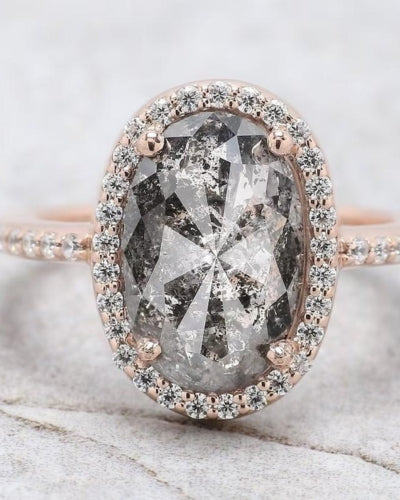
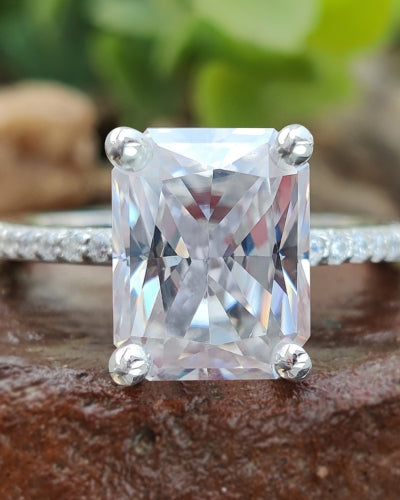
Below are curated product examples you can explore directly on FancyDiamondJewels:
14. Infographic & Image Placeholders
Use the images below as infographic placeholders — replace with high‑res product images before publishing.
Pear halo ring infographic placeholder

Pear halo design examples

15. How to Style a Pear Halo Ring
- Wear the point toward or away from the hand depending on preference; both look beautiful — traditionally the point faces the fingernail.
- Pair with delicate stacking bands to maintain focus on the pear silhouette.
- For cocktail looks, choose double halo or accent colored stones.
16. SEO & Content Tips for Jewelers
If you're publishing product pages or blogs, use long‑tail phrases like "pear diamond halo ring" and geographic modifiers (e.g., "pear halo engagement ring India") to attract buyers. Add visual content, model shots, and ring builder embeds to increase conversion. Link internally to product pages and the ring builder to guide the user to purchase (example: Ring Builder).
17. Pricing & Value Considerations
Pear halo rings offer value by making a smaller center look larger. Allocate budget across center quality and halo craftsmanship: stronger pavé and tighter settings increase cost but enhance sparkle and durability.
18. Ring Sizing & Comfort Fit
Because pears elongate the finger, many clients prefer a slightly smaller band width to keep proportions elegant. Consider comfort fit bands for daily wear.
19. Sustainability & Ethics
Lab‑grown diamonds are an ethically appealing option that allows buyers to choose bigger visual impact for the same budget. FancyDiamondJewels lists natural and lab options on product detail pages for transparent choice.
20. Conclusion & CTAs
If you want to explore real pear halo options, start with our Custom Ring Builder or view curated pear center pieces in our product collection (examples above). Our team can help match ratio, halo style and metal to your personal taste.
Design Your Pear Halo RingFrequently Asked Questions
1. Are pear-shaped diamonds fragile?
Pear diamonds are durable but the point should be protected with a V‑prong or bezel to avoid chipping.
2. Does a halo make the center look larger?
Yes — a halo increases visible surface area and brightness, making the center appear larger than its carat weight suggests.
3. Which metal looks best with pear halos?
All metals work well. Rose gold pairs beautifully with warmer skin tones, while white gold or platinum emphasizes brilliance.
4. Is a hidden halo worth it?
Hidden halos add sparkle without changing the top silhouette; they're excellent for subtle elegance and daily wear.
5. How do I avoid the bow‑tie effect?
Inspect photos and request a video; choose a well‑proportioned cut and reputable seller to minimize bow‑tie visibility.
6. Can I customize a pear halo ring?
Yes — FancyDiamondJewels offers a Ring Builder to choose center shape, halo type and metals for custom pieces.
7. Are lab‑grown pear halo rings cheaper?
Generally yes — lab‑grown stones offer comparable visual quality at a lower price, freeing budget for halo or band upgrades.
8. How often should I check prongs?
Have prongs and pavé inspected every 6–12 months, more often if worn daily.
9. Will a halo increase maintenance?
Slightly — more small stones mean more prongs to inspect, but regular care prevents issues.
10. Where can I try pear halo styles?
Use our Ring Builder or view product examples linked above to preview and order.


Leave a comment
This site is protected by hCaptcha and the hCaptcha Privacy Policy and Terms of Service apply.