A Beginner’s Guide to Fancy Colored Engagement Rings
TL;DR
Fancy colored engagement rings are a growing bridal trend — from natural fancy colored diamonds (yellow, pink, blue) to colored sapphires, emeralds, and moissanite alternatives. Choose by budget, color intensity, durability (Mohs scale), and symbolism. Prioritize reputable grading, clear visuals, and a practical metal and setting that protects the stone. This guide walks you step-by-step through selection, comparison charts, care, and real-world examples.
Hook: Why Fancy Colored Engagement Rings Are Captivating Modern Couples
The classic colorless diamond will always be iconic — but today many couples want a ring that tells a story. Fancy colored engagement rings stand out for emotional meaning, individuality, and bold style. Whether you seek a blush-pink diamond to commemorate a romantic moment, a vivid blue sapphire for timeless royalty, or a yellow diamond that glows in sunlight — color adds personality.
In this guide you’ll find practical buyer steps, curated comparisons, and real-life case studies to confidently shop for a colored engagement ring at FancyDiamondJewels.
Assortment of fancy colored engagement rings — pink, blue, yellow
Types of Fancy Colored Stones
Not all colored engagement rings are the same. Here are the major categories to know:
1. Natural Fancy Colored Diamonds
Natural colored diamonds derive their hues from trace elements or structural irregularities. Popular colors include yellow, brown (champagne), pink, and blue. Rarity increases price: vivid pink and vivid blue natural diamonds are among the rarest and most expensive.
2. Color-Treated Diamonds
Some diamonds are treated (heated, irradiated, or coated) to enhance or change color. Treated stones can deliver strong color at lower cost, but valuation and care instructions differ. Always ask for treatment disclosures and certification.
Sapphires (including fancy colors like padparadscha or teal), emeralds, and rubies are popular alternatives. They offer vivid color, strong durability for everyday wear (sapphire ~9 Mohs), and often lower price-per-carat versus fancy natural diamonds of similar color intensity.
4. Lab-Grown Colored Diamonds & Moissanite
Lab-grown colored diamonds and colored moissanite offer modern alternatives: ethical sourcing, lower price, and striking color. Moissanite has more fire but a different optical signature than diamond.
5. Organic & Alternative Options
For ultra-personal choices, consider rare options like alexandrite (color-change gem), opal, or garnet — each with unique care requirements.
Want to explore collections? Visit our curated sections: Collectionsand the dedicated moissanite collection Moissanite Rings.
Grading & Value Drivers for Fancy Colored Stones
Unlike colorless diamonds where cut/clarity/diameter dominate, colored stones often follow slightly different valuation rules. For colored diamonds, the key drivers are:
Hue: The primary color (pink, blue, yellow).
Saturation/Intensity: How vivid the color is (faint, very light, intense, vivid). Stronger saturation usually increases value dramatically.
Tone: Lightness or darkness of color.
Clarity & Cut: Visible inclusions reduce beauty, but certain inclusions are acceptable for colored stones. Cut matters to maximize color and brilliance.
Carat weight: Larger fancy colored diamonds are rarer and command steep premiums.
Certificate & Lab Reports
Always request an independent report for valuable purchases. For colored diamonds, GIA and AGS reports (when available) tell you hue/saturation and whether the color is natural or treated. For gemstones, ask for origin and treatment notes.
Budgeting & Cost Comparison
Below is a practical pricing framework. These are illustrative ranges — always check live product pages for current pricing.
Stone Type
Entry Price (approx.)
Mid Range
High-End
Colored Sapphire (1 ct)
$400
$1,200
$5,000+
Natural Fancy Colored Diamond (0.5–1 ct)
$2,500
$10,000
$50,000+
Lab-Grown Fancy Diamond (1 ct)
$900
$2,500
$8,000+
Moissanite (1 ct equivalent)
$100
$400
$1,200+
Tip: If budget matters, colored sapphires or lab-grown options give brilliant color at lower cost than top-tier natural fancy colored diamonds.
Cut, Color, and Clarity: What Matters Most for Fancy Colored Rings
For colored stones, color is often more important than clarity. But the interplay matters:
Cut: A well-cut stone maximizes color saturation and hides minor inclusions while boosting sparkle.
Color: Look for uniformity and desirable hue; note whether the gem shows red/blue/green modifiers (e.g., "pink with purple undertone").
Clarity: Some minor inclusions are acceptable if they don’t interrupt the color or durability.
Choosing for Daily Wear
Durability matters if the ring will be worn daily. On the Mohs scale: diamond 10, sapphire/emerald/ruby ~9 (emeralds can be more included and brittle), opal ~5–6 (not ideal for daily wear). Choose a protective setting for softer gems.
Best Settings, Metals & Design Considerations
Setting Types
Bezel: Encircles and protects the stone — excellent for active lifestyles.
Prong (4 or 6): Maximizes light but exposes the girdle — good for showing color and brilliance.
Halo: Surrounds the center stone with small diamonds — increases perceived size and contrast.
Three-stone: Symbolic and perfect for combining colors (e.g., pink center with white side diamonds).
Metal Choices
Metal influences how color reads visually. Classic choices:
Platinum: Clean, bright, hypoallergenic — makes colors pop neutrally.
White Gold: Similar to platinum (requires occasional rhodium plating).
Yellow Gold: Warms the look — particularly flattering with yellow and champagne stones.
Rose Gold: Enhances pink and peach tones beautifully.
For a delicate pink diamond, rose gold accentuates the hue; for blue stones, white metals create a crisp contrast.
Care, Cleaning & Insurance
Daily Care
Remove rings for heavy work, cleaning, or exposure to chemicals.
Store separately to avoid scratching (softer stones vs. harder stones).
Use a soft-bristled brush, warm water, and mild dish soap for routine cleaning.
Professional Maintenance
Annual inspections are recommended — check prongs, settings, and polish. For expensive colored diamonds, keep certification and appraisals up-to-date for insurance.
Insurance & Appraisal
Insure by replacement value (not necessarily purchase price). Request a written appraisal from FancyDiamondJewels at purchase; keep photographs and certificates in a secure place.
Step-by-Step Buying Guide (Practical Checklist)
Decide your priority: Color intensity, size, budget, or durability?
Choose stone category: Natural fancy diamond, lab-grown diamond, sapphire, or moissanite?
Set a budget range: Use the comparison table earlier to anchor expectations.
Explore designs: Use the Design Your Ring tool for custom options.
Request certificates: For natural colored diamonds, ask for GIA or equivalent lab reports and treatment disclosures.
Ask for high-resolution photos & videos: Inspect color under neutral and warm light.
Ask about return policy: Check sizing, resizing, and return terms on the vendor’s policy pages.
Finalize setting & metal: Choose a protective setting suitable for the stone’s hardness.
Buy & insure: Obtain appraisal and insure promptly.
Need help? Contact FancyDiamondJewels for bespoke support via Contact
Case Studies & Real Examples
Case Study 1 — The Pink Heirloom
Situation: A buyer wanted a unique, wearable pink center stone under $8,000. Strategy: Considered lab-grown vivid pink (1 ct) vs. pink sapphire + halo. Decision: Chose a 0.85 ct lab-grown pink diamond in a rose-gold halo setting — vivid color, excellent cut, durable daily wear. Outcome: The ring matched desired tone and kept within budget.
Case Study 2 — Blue Sapphire with Side Diamonds
Situation: Customer wanted royal blue that reads vivid both in daylight and evening. Strategy: Natural sapphire with sapphire certification; choose 6-prong platinum setting and diamond side stones for contrast. Outcome: Blue remained deep and vibrant; the platinum setting provided consistent contrast.
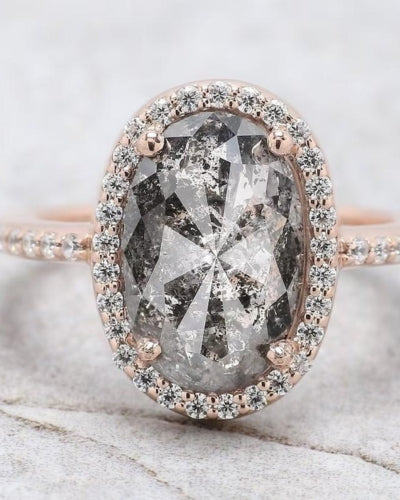
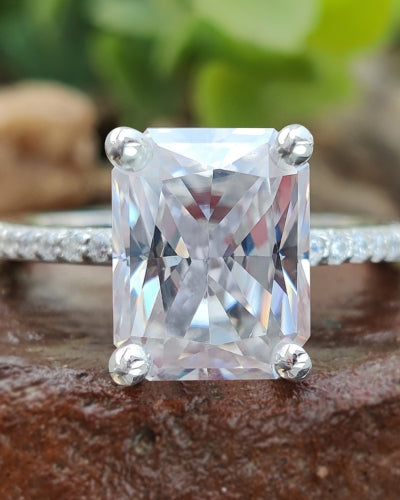
Case study images: pink and blue fancy engagement rings
Pros & Cons
Pros
Highly distinctive and personal.
Colors can carry meaning (birthstones, sentimental hues).
Often more memorable than classic colorless rings.
Cons
Top-tier natural fancy colored diamonds are rare and expensive.
Some colored stones need more care (opal, emerald).
Color trends can be subjective — choose personal resonance over trends.
Comparison: Fancy Colored Diamond vs Sapphire vs Lab-Grown vs Moissanite
Feature
Natural Fancy Diamond
Sapphire
Lab-Grown Diamond
Moissanite
Durability (Mohs)
10
9
10
9.25
Color Intensity
Exceptional (rare)
Vivid & varied
Controlled/vivid
Very bright (different sparkle)
Price per carat
High (esp. vivid)
Moderate
Lower than natural
Lowest
Investment/Resale
Potentially strong for rare colors
Variable
Growing market
Limited resale
On-Page SEO & Product Page Checklist (For Sellers and Shoppers)
Title Tag: Include primary keyword (e.g., "Fancy Pink Diamond Engagement Ring").
Structured Data: Use JSON-LD product schema for price, SKU, availability, and reviews.
Internal Links: Link to collections, design pages, and FAQs (see contact & design links below).
Highlight Boxes & Quick Picks
Quick Pick — Best Value Under $2,000
1 ct vivid-colored lab-grown diamond or 1 ct vivid sapphire in a simple 4-prong setting in white gold.
Quick Pick — Durable Daily Wear
Sapphire or diamond in a bezel or low-profile setting (platinum or 14k gold).
Infographic Placeholder
Below is a placeholder for an infographic you can add to enhance the page. Replace the src with your production image when ready.
Ready to Explore Collections or Design a Custom Ring?
Start with curated collections or build your ring from scratch. Our specialists at FancyDiamondJewels can help you vet certificates, choose optimal metal & setting, and finalize a design.
Frequently Asked Questions
1. Are fancy colored diamonds more expensive than colorless diamonds?
It depends. Some fancy colored diamonds (vivid pink, red, or blue) are rarer than colorless stones and thus more expensive per carat. Other colored diamonds with lower saturation may be less expensive. Compare color intensity and certificate details.
2. How durable are colored gemstones for daily wear?
Durability varies. Diamonds (10 Mohs) and sapphires/rubies (~9 Mohs) are excellent for daily wear. Emeralds are about 7.5–8 Mohs and often included; they require more careful maintenance.
3. How can I verify a colored diamond is natural and untreated?
Ask for a report from a recognized gem lab (e.g., GIA) that specifically notes natural color and whether any treatment was applied. If no lab report is available, request third-party testing.
4. Are lab-grown colored diamonds a good alternative?
Yes — lab-grown colored diamonds offer genuine diamond material properties, full brilliance, and predictable color at lower cost. Ensure lab certification that denotes origin (laboratory-grown).
5. Should I choose rose gold, yellow gold, or platinum for a colored stone?
Choose metal based on how you want the color to read: rose gold warms and enhances pink/peach hues; yellow gold enhances warm-color stones; platinum/white gold provides contrast for cool tones like blue.
6. What is the return policy for custom designed rings?
Return and resizing policies vary. Check the retailer’s policy page and confirm return windows for custom or bespoke pieces before ordering. For FancyDiamondJewels details, visit the policy pages linked in the header.
7. How should I insure a fancy colored engagement ring?
Get a professional appraisal listing replacement value, and purchase jewelry insurance or add a rider to your homeowner/renter policy. Keep certificates and high-res photos for claims.
8. Do colored stones sell well on resale?
Top-tier natural fancy colored diamonds and rare sapphires can retain value. However, many colored stones have niche resale markets — choose for personal meaning first.
9. Can small accent diamonds make a colored center stone look better?
Yes — a white diamond halo or side stones increase perceived size and create contrast that often makes the center color read more vividly.
10. How do lighting conditions affect color appearance?
Color can shift under different lights. Examine stones in daylight and warm indoor light; request a video or live view when possible to confirm appearance.
Expert perspective: Over a decade designing colored engagement rings for clients, we've observed that buyers who bring an example photo or clear color reference achieve the best results. Photography can be deceptive — videos and multiple light-condition images reduce surprises.
Customer story: One client chose a lab-grown peach-pink diamond after testing three metal options. Rose gold proved to be the most flattering in natural light. The decision balanced aesthetic priorities and budget, and the ring has been worn daily for two years with zero stone or setting issues.



%20to%20colored%20sapphires,%20emeralds,%20and%20moissanite%20alternatives.%20Choose%20...)
Leave a comment
This site is protected by hCaptcha and the hCaptcha Privacy Policy and Terms of Service apply.