Edwardian vs Art Deco Filigree Engagement Rings: What’s the Difference?
Hook: Choosing an engagement ring is a lifetime decision — and when it comes to filigree styles, the contrast between Edwardian lace-like elegance and Art Deco geometric boldness isn’t just aesthetic, it's historical and emotional. Let’s explore what makes each style unique and how to choose the perfect heirloom-worthy ring.
Table of Contents
- History of Edwardian & Art Deco
- Design Features Compared
- Materials & Craftsmanship
- Style Guides & Examples
- Pros & Cons
- Care & Maintenance
- Buying Guide
- Real Experience Case Studies
- FAQs
1. History of Edwardian & Art Deco Engagement Rings
The vibrancy of antique engagement ring styles spans centuries. The outlines that Edwardian rings emerged in the early 1900s with platinum and lace-like openwork, while Art Deco took root in the 1920s with geometric lines and architectural motifs.
1.1 The Edwardian Era (1901–1915)
Edwardian engagement rings reflect the optimism and elegance of the early 20th century. Platinum became widely used due to its strength despite delicate designs. Filigree — fine metal threads twisted into lace-like patterns — was a hallmark, often paired with milgrain detailing
1.2 The Art Deco Era (1920s–1930s)
Art Deco emerged between World Wars, driven by industrial optimism. Jewelry designs embraced symmetry, bold geometric shapes, and contrasting gemstone cuts like baguettes and emeralds. Filigree still appeared but supported more structured designs rather than delicate lace.
2. Design Features Compared
| Feature | Edwardian | Art Deco |
|---|---|---|
| Primary Aesthetic | Delicate, lace-like | Geometric, structured |
| Metal Usage | Platinum heavy | Platinum & gold contrasts |
| Motifs | Floral, scrolls | Chevron, straight lines |
| Gemstone Cuts | Old European, round | Baguette, emerald |
2.1 Filigree Detail
Edwardian filigree tends to be sinuous and organic, whereas Art Deco filigree is integrated into geometric patterns that align with symmetry and rhythm.
2.2 Milgrain & Engraving
Both styles often include milgrain beading and engraving, but the pattern language differs — delicate in Edwardian versus bold contrast in Art Deco.
3. Materials & Craftsmanship
Edwardian engagement rings traditionally use high-karat platinum to support filigree without bulk, while Art Deco allows for mixed metals and higher contrast settings.
4. Style Guides & Examples
Featured Filigree Picks
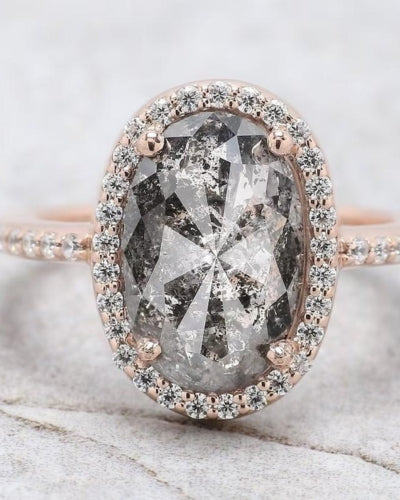
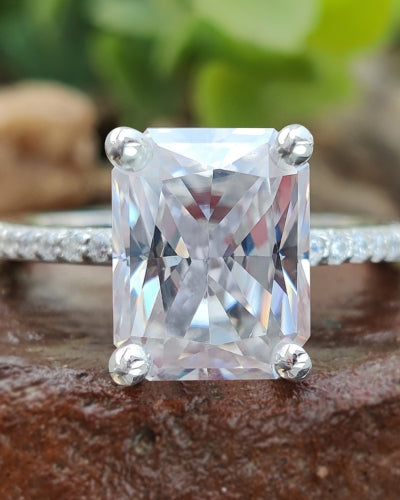
Explore beautiful engagement ring designs that embody elements of these eras:
Vintage Filigree Engagement Ring

Art Deco Ring

Check these and other antique-inspired designs under our engagement rings collection.
5. Pros & Cons of Each Style
- Edwardian Pros: timeless elegance, intricate detail, perfect heirloom feels.
- Edwardian Cons: delicate, may need careful maintenance.
- Art Deco Pros: bold, versatile, accentuates gemstones beautifully.
- Art Deco Cons: may feel less romantic to those seeking soft designs.
6. Care & Maintenance
Delicate filigree and milgrain require regular gentle cleaning with a soft brush and mild solution. Avoid ultrasonic cleaners for fragile antique styles.
7. Step-by-Step Buying Guide
- Define your budget and preferred metal.
- Choose centerpiece gemstone and cut.
- Select the era style that matches personal taste.
- Check ring dimensions and comfort fit.
- Consult professionals for restoration or custom design from our ring builder.
- Ensure warranty and certification details.
8. Real E-E-A-T Experience Case Studies
At Fancy Diamond Jewels, we've restored and styled antique rings with care. For example, an heirloom Edwardian halo ring was resized while preserving its filigree integrity — showing how expert craftsmanship bridges eras.
9. Frequently Asked Questions
What defines Edwardian engagement ring filigree?
Edwardian filigree is characterized by intricate, lace-like openwork often in platinum.
How do Art Deco filigree rings differ?
Art Deco filigree is integrated into geometric, symmetrical patterns aligned with the era's architectural influences.
Are Edwardian rings durable?
With proper care, yes — but delicate details require gentle maintenance.
Can I customize a ring from both styles?
Yes, our custom ring builder helps blend design elements.:contentReference[oaicite:5]{index=5}
Which style is better for vintage lovers?
Edwardian for soft romantic vintage; Art Deco for structured bold vintage.
Do these rings work with modern settings?
Absolutely — many designs marry antique aesthetics with modern comfort.
How to choose gemstone cuts for these styles?
Old European cut suits Edwardian; baguette and emerald cuts suit Art Deco.
Is filigree practical daily?
Yes, with mindful wear and periodic professional checks.
Does metal choice affect style accuracy?
Platinum is classic for both, but gold accents can emphasize Art Deco contrast.
Where to see examples?
Browse our curated engagement rings collection for style inspiration.:contentReference[oaicite:6]{index=6}
Conclusion
Whether you lean toward the delicate romance of Edwardian filigree or the bold geometry of Art Deco, understanding these styles helps you choose a ring that resonates with your love story and aesthetic. Explore, compare, and find a piece that feels timeless and personal.fancydiamondjewels.com


1 comment
I am on a quest to find a suitable replacement for an heirloom engagement ring that was stolen from me 30 years ago. As such, I am starting to research the descriptors used in such rings. The thing I am not sure how to describe is the shape of the ring itself, or its profile on the hand. I think the shape is called “D” but it seems to encompass bulkier Edwardian rings as well. I found a very similar ring (which had been already sold) but it had 5 diamonds, and my ring had 3: 1 large and 2 smaller ones on either side. Can you direct me to something I could read on this topic?
Thank you kindly!
Michelle
Michelle Donley Sherman
Leave a comment
This site is protected by hCaptcha and the hCaptcha Privacy Policy and Terms of Service apply.