
What Is the Difference Between 10K and 14K Gold Jewelry? (Simple Explanation)
10K vs 14K Gold Jewelry Comparison

TL;DR: 10K and 14K gold differ primarily in gold content, durability, price, and appearance. 14K has more pure gold (about 58.3%) vs 10K (about 41.7%), making it richer in color and higher in value, while 10K is more affordable and durable for everyday wear. Learn the full breakdown below.
Table of Contents
- What Is Karat in Gold?
- Composition: 10K vs 14K
- Durability & Everyday Wear
- Color Differences
- Price & Value Comparison
- Care and Maintenance
- How to Choose Between 10K and 14K
- Case Studies & Examples
- Frequently Asked Questions
What Is Karat in Gold?
Gold is measured in karats, indicating the purity of the metal. Pure gold is 24K, but jewelry often uses lower karats to increase durability. For example, 14K gold contains 14 parts gold out of 24, which equals approximately 58.3% pure gold, while 10K contains about 41.7% gold. This means the rest of the metal is alloy, such as copper, silver or other metals that strengthen the piece and change hues. For more on how gold purity works, check the Gold Purity Converter which explains ratios and conversions between karats.
Composition: 10K vs 14K
| Karat | Gold Content (%) | Alloy (%) |
|---|---|---|
| 10K | ≈41.7% | ≈58.3% |
| 14K | ≈58.3% | ≈41.7% |
Both 10K and 14K gold are alloyed with other metals, but 14K has more pure gold, which affects color, value and hypoallergenic properties.
How Alloys Affect Gold
- More alloy (as in 10K) generally means stronger metal but paler color.
- Higher gold content (14K) tends to be richer in hue.
Durability & Everyday Wear
10K gold is typically more durable than 14K gold because the higher alloy content makes it harder and more resistant to scratches or bending. This makes 10K popular for everyday rings and bracelets, especially in pieces such as the Comfort Fit Solid Gold Band, available in both 10K and 14K options.
Comparing Hardness
- 10K: More durable, ideal for active lifestyles.
- 14K: Slightly softer but still strong.
Color Differences

The visual difference between 10K and 14K gold is subtle but noticeable. 14K gold has a warmer, deeper yellow tone, while 10K may appear lighter or paler due to less gold content. These differences are more apparent in yellow gold pieces. Learn more about gold colors in the Yellow Gold vs White Gold article.
Price & Value Comparison
Since 14K contains more gold, it is generally more expensive than 10K. For example, similar styles in 14K will cost more due to higher precious metal value. Buyers often use a balance of durability and value to make their decision. Premium designs such as the Aqua Blue Green Moissanite Ring are offered in 10K and 14K variations. fancydiamondjewels.com
Price Table Example
| Type | 10K Price | 14K Price |
|---|---|---|
| Wedding Band | Lower | Higher |
| Engagement Ring | Lower | Higher |
Care and Maintenance
- Cleaning: Use warm water and mild soap.
- Storage: Keep separate to avoid scratches.
- Durability tips: Remove jewelry for rough work.
How to Choose Between 10K and 14K

Choosing depends on budget, lifestyle, and desired appearance. If you want maximum durability and lower price, 10K may be ideal. If you prefer richer color and higher intrinsic value, 14K is a great choice.
Checklist
- Budget range
- Daily wear vs occasional wear
- Skin sensitivity
Case Studies & Examples
Case Study 1: Everyday Wedding Band
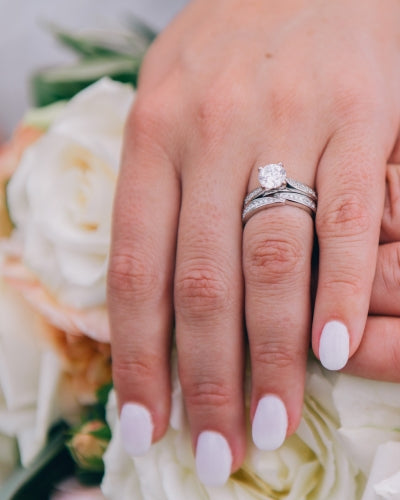
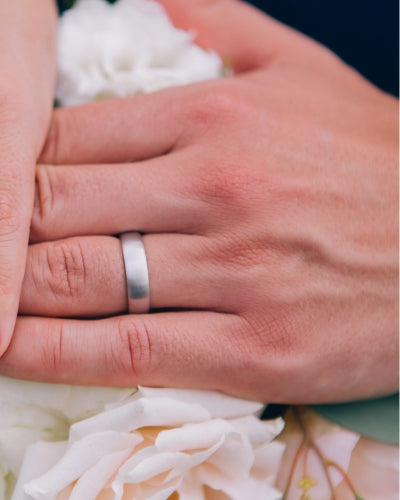
Jessica chose a 10K band for everyday wear due to its resilience against scratches, while her partner preferred 14K for its warmer tone and higher value — a perfect balance for their matching set.
Case Study 2: Engagement Ring Comparison
Mark compared 10K and 14K versions of a solitaire engagement ring. He noted the 14K’s richer color made the center stone pop more, despite the slightly higher cost.
Frequently Asked Questions
Is 10K gold real gold?
Yes, 10K gold is considered real gold and meets legal standards for gold jewelry.
Does 14K gold tarnish?
14K gold is less likely to tarnish but can still dull over time without proper care.
Which is better for rings?
10K may be better for active lifestyles; 14K is chosen for its look.
Is 14K hypoallergenic?
14K can be hypoallergenic depending on the alloy metals used.
Can 10K gold be more durable?
Yes, due to higher alloy content, it’s generally tougher.
Which holds value better?
14K holds more intrinsic value due to higher gold content.
Is there a big color difference?
Differences are subtle but visible to the trained eye.
Can I upgrade from 10K to 14K?
Yes, through refining and realloying processes.
Does 14K cost much more?
It typically costs more but offers higher gold content.
What jewelry types suit 10K best?
10K excels in bracelets and rings that face daily wear.


%20vs%2010K%20(about%2041.7%25),%20mak...)
Leave a comment
This site is protected by hCaptcha and the hCaptcha Privacy Policy and Terms of Service apply.