
Asian Bridal Jewelry History: Origins, Traditions & Cultural Meaning
Asian bridal jewelry history is a story of family, craftsmanship, symbolism, celebration and identity. Across thousands of years, jewelry has accompanied important ceremonies, marked social milestones, protected cherished traditions and transformed wedding clothing into a visual expression of heritage. From elaborate gold necklaces and bangles to jade ornaments, pearl accessories, hair jewelry, earrings, rings and ceremonial pieces, bridal adornment has never been simply about looking beautiful.
For many Asian communities, wedding jewelry carries several meanings at once. It can represent prosperity, family blessings, continuity, femininity, protection, commitment and the joining of two families. Some pieces are purchased specifically for a wedding, while others are inherited through generations and become treasured family heirlooms.
Today, Asian brides are combining these traditions with contemporary fashion. A bride may wear a classic gold necklace with a minimalist diamond engagement ring, traditional earrings with a modern wedding band, or heirloom jewelry alongside a newly designed custom piece. This combination of old and new is one of the most interesting chapters in the continuing history of Asian bridal jewelry.

In this comprehensive guide, we will explore the origins of Asian bridal jewelry, its evolution across major Asian regions, the meaning of gold and gemstones, traditional bridal accessories, differences between cultures, the transition to modern jewelry and practical ways to choose pieces that respect tradition while expressing personal style.
Explore Jewelry Collections1. Origins of Asian Bridal Jewelry
The history of Asian bridal jewelry cannot be traced to one single civilization or one specific style. Asia is an enormous region containing thousands of cultures, languages, communities and artistic traditions. Jewelry developed differently depending on geography, available materials, trade routes, social customs, climate, religion, royal influence and local craftsmanship.
Early jewelry was made from materials available in the surrounding environment. Shells, beads, stones, metals, seeds and organic materials could all become decorative objects. As metalworking advanced, artisans began producing more elaborate ornaments from gold, silver, copper and other metals. Precious stones became increasingly important as trade connected distant regions.
Wedding ceremonies created a particularly important place for jewelry because marriage was not simply a private relationship. In many traditional societies, marriage connected families and communities. Jewelry therefore became a visible representation of prosperity, family support and ceremonial importance.
Jewelry as More Than Decoration
One of the most important principles in understanding Asian bridal jewelry history is that beauty and symbolism frequently exist together. A necklace may complement a bridal outfit while simultaneously communicating family wealth. A bangle may enhance the bride's appearance while representing blessings or continuity. A particular gemstone may be chosen because of its cultural associations rather than only its color.
This layered meaning explains why traditional bridal jewelry can feel emotionally significant even when its individual pieces appear visually simple. The object may carry memories of parents, grandparents, wedding ceremonies and family celebrations.
The Development of Ceremonial Adornment
As wedding rituals became more structured, ceremonial clothing and jewelry evolved alongside them. Bridal ornaments could become larger, more intricate or more specialized than everyday jewelry. Elaborate pieces were particularly appropriate for important celebrations because they demonstrated the importance of the occasion.
2. Ancient Jewelry Traditions Across Asia
Ancient Asian societies developed sophisticated traditions of metalworking, stone carving and ornament production. Gold was especially valued because it was visually striking, resistant to corrosion and capable of being shaped into intricate designs. Silver, bronze and other metals also played important roles depending on region and historical period.
Ancient trade routes helped jewelry styles travel. Materials and design ideas moved between regions, where local artisans adapted them according to their own traditions. As a result, Asian jewelry history is not a collection of isolated stories. It is also a history of cultural exchange.
Ancient inspired Asian gold jewelry representing traditional craftsmanship
Trade and the Spread of Jewelry Styles
Merchants, travelers, royal courts and religious communities contributed to the movement of jewelry-making techniques. Gemstones could travel long distances before being incorporated into local ornaments. A design motif originating in one region could be transformed into something entirely different after being adopted by another culture.
This explains why certain themes appear repeatedly across Asia while still looking distinctly local. Floral shapes, birds, animals, geometric patterns, circular forms and symbolic creatures appear in many jewelry traditions, but their meanings and artistic treatments differ.
Jewelry as Social Identity
Historically, jewelry could also communicate social status. The quantity, material and craftsmanship of a person's ornaments could indicate wealth, family position or ceremonial rank. Bridal jewelry therefore became a particularly visible expression of family prosperity and cultural identity.
3. Why Gold Became Central to Asian Bridal Jewelry
Gold occupies a special position in many Asian jewelry traditions. Its warm color, durability, rarity and ability to be transformed into intricate forms made it particularly suitable for ceremonial jewelry. In many cultures, gold also became associated with prosperity, auspiciousness and permanence.
Gold bridal jewelry could be accumulated over time, purchased for major family milestones and passed between generations. This made it both a decorative asset and a form of family wealth.
Gold as a Wedding Gift
In numerous Asian communities, gold jewelry has historically been connected with wedding gifting. Parents or relatives may present ornaments to the bride as a sign of affection, support and blessing. The exact practice varies considerably, but the underlying idea of giving something lasting remains powerful.
Yellow Gold and Traditional Aesthetics
Traditional yellow gold creates a natural visual relationship with many Asian bridal colors, including red, maroon, crimson, pink, orange, ivory and rich jewel tones. Its warm appearance can make gemstones appear more saturated while giving the overall bridal look a ceremonial character.
Modern brides can also choose white gold or rose gold when they prefer a contemporary aesthetic. The important point is that the metal can now be selected according to personal taste while the symbolic meaning of the jewelry remains connected to heritage.
Explore Gold Diamond Rings4. Royal Courts and the Evolution of Bridal Jewelry
Royal courts played an influential role in the development of luxury jewelry throughout Asian history. Courts supported skilled artisans and created demand for elaborate ornaments made with precious metals and gemstones.
Royal jewelry could establish recognizable visual languages. Complex floral motifs, layered necklaces, elaborate earrings and gemstone-rich ornaments became associated with prestige. Over time, elements of elite fashion filtered into broader ceremonial styles.
From Royal Ornament to Bridal Tradition
Some contemporary bridal jewelry styles retain the visual vocabulary of historic court jewelry. Heavy necklaces, elaborate earrings, statement headpieces and detailed goldwork can create a regal bridal appearance even when the modern piece is produced using contemporary techniques.
This royal influence is especially useful for understanding why Asian bridal jewelry often favors detail and visual richness. The jewelry is designed to be noticed, photographed and remembered.
5. Indian Bridal Jewelry History
Indian bridal jewelry is among the most diverse jewelry traditions in Asia. Different regions have developed their own necklaces, earrings, bangles, nose jewelry, hair ornaments and ceremonial accessories. Materials, motifs and techniques vary widely from one community to another.
Indian bridal jewelry often combines gold with diamonds, pearls and colored gemstones. Traditional forms may be elaborate and layered, while contemporary brides increasingly combine heritage-inspired pieces with minimalist diamond jewelry.
Necklaces in Indian Bridal Jewelry
Necklaces are often central to the bridal look. A bride may wear multiple necklaces of different lengths, creating a layered composition around the neckline. The visual effect can range from delicate and refined to highly ornate and regal.
Bangles and Bridal Bracelets
Bangles have an important place in many Indian wedding traditions. They can be made from gold, glass, metal or combinations of materials. The exact symbolism and customs differ among communities, but bangles frequently represent celebration, marital identity, prosperity or blessings.
Nose Jewelry and Facial Adornment
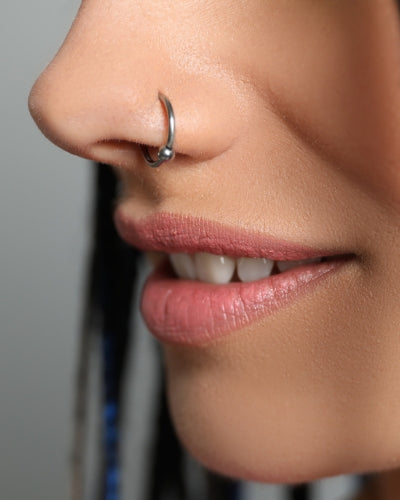
Nose rings and nose ornaments are another recognizable component of many South Asian bridal traditions. Their forms range from tiny studs to large ceremonial designs connected to earrings or hair ornaments.
Modern jewelry designers have adapted these traditional elements into lighter pieces intended for contemporary comfort while retaining recognizable shapes.
Indian inspired bridal jewelry with gold necklace earrings bangles and gemstones
Kundan, Jadau and Heritage-Inspired Styles
Traditional Indian jewelry includes numerous specialized techniques and regional styles. Kundan and jadau-inspired jewelry are particularly associated with elaborate gemstone and gold craftsmanship. Their detailed surfaces and rich visual texture continue to influence bridal jewelry collections.
6. South Asian Bridal Jewelry: India, Pakistan, Bangladesh and Beyond
South Asian bridal jewelry shares certain visual themes while remaining highly regional. Gold, colored gemstones, pearls, intricate metalwork, bangles, earrings, necklaces and head ornaments appear in many communities, but the specific designs can differ substantially.
Pakistani Bridal Jewelry
Pakistani bridal jewelry often features elaborate necklaces, earrings, tikka-style head ornaments, bangles and statement pieces. Gold and gemstone-rich designs can complement richly embroidered bridal clothing.
Bangladeshi Bridal Jewelry
Bangladeshi bridal jewelry has strong gold traditions, with ornate necklaces, earrings, bangles and hair accessories frequently contributing to the ceremonial appearance. Regional and family customs influence the final bridal combination.
The Shared South Asian Aesthetic
Although South Asian bridal traditions are diverse, several common characteristics can be observed: layered jewelry, warm gold tones, detailed craftsmanship, strong ceremonial symbolism and the combination of jewelry with richly decorated clothing.
7. Chinese Bridal Jewelry History
Chinese bridal jewelry has a distinctive relationship with symbolism, color and auspicious imagery. Gold has long been associated with wealth and prosperity, while red has a strong ceremonial connection with celebration and good fortune.
Traditional Chinese wedding jewelry can feature motifs associated with happiness, longevity, prosperity and harmony. Dragons and phoenixes, for example, have powerful cultural associations and have appeared in wedding-related decorative arts.
Gold and Red in Chinese Weddings
The combination of gold and red creates one of the most recognizable visual languages of Chinese wedding celebrations. Gold jewelry can complement red bridal garments while reinforcing the luxurious and festive atmosphere of the ceremony.
Jade and Bridal Symbolism
Jade has a long history of cultural significance in China. Jade jewelry may be associated with virtues, protection, refinement and family heritage. For a modern bride, a jade ornament can therefore function as both a beautiful accessory and a meaningful connection to cultural identity.
Chinese inspired bridal gold jewelry with symbolic traditional motifs
8. Japanese Bridal Jewelry Traditions
Japanese bridal adornment offers a different aesthetic language from heavily layered South Asian bridal jewelry. Traditional Japanese wedding clothing can be visually elaborate even when jewelry itself is comparatively restrained.
Hair ornaments, combs, decorative accessories and carefully selected ceremonial pieces can play an important role in completing a bridal appearance.
Traditional Hair Accessories
Ornamental hairpieces can create a refined and formal bridal appearance. Their importance demonstrates that bridal jewelry does not have to be limited to necklaces, rings and earrings. Hair adornment can be equally significant in completing ceremonial dress.
Modern Japanese Bridal Styling
Contemporary Japanese brides may combine minimalist jewelry with traditional clothing or choose modern wedding dresses with delicate diamond pieces. The result can be highly understated while still maintaining a connection with heritage.
9. Korean Bridal Jewelry Traditions
Korean traditional bridal clothing and accessories emphasize color, balance and symbolism. Traditional ceremonial clothing can include carefully coordinated decorative elements that contribute to the overall visual harmony.
Headpieces and hair ornaments have historically been important parts of formal women's attire. Modern Korean weddings often blend Western-style wedding jewelry with traditional cultural references.
Modern Korean Bridal Jewelry
Contemporary Korean bridal styling often favors elegant proportions and clean silhouettes. A simple diamond necklace, refined earrings or a classic engagement ring can provide sparkle without overpowering the dress.
10. Southeast Asian Bridal Jewelry
Southeast Asia contains a remarkable variety of bridal jewelry traditions. Gold, gemstones, elaborate hair ornaments and ceremonial accessories appear across different cultures, with designs influenced by local history and neighboring traditions.
Thailand
Thai ceremonial jewelry can feature intricate goldwork and gemstone decoration. Bridal adornment may coordinate closely with traditional clothing and formal hairstyles.
Indonesia
Indonesian bridal jewelry varies substantially by region. Traditional crowns, hair ornaments, necklaces and earrings can be central to specific ceremonial styles.
Malaysia
Malaysian bridal fashion reflects a mixture of cultural influences. Jewelry can range from traditional gold pieces to contemporary diamond accessories depending on the ceremony and family preference.
These examples show why the phrase “Asian bridal jewelry” should never be treated as a single design category. Regional identity remains one of its defining characteristics.
11. Traditional Bridal Necklaces
Necklaces are among the most visually important components of bridal jewelry. They frame the face and neckline and can establish the overall character of the wedding look.
Layered Necklaces
Layering allows brides to combine pieces of different lengths and textures. A short necklace can sit near the collarbone while a longer pendant or ceremonial necklace creates vertical movement.
Statement Necklaces
A statement necklace can become the focal point of a bridal ensemble. This approach works particularly well when the clothing has a relatively open neckline or when the bride wants the jewelry to carry much of the visual drama.
Modern Minimalist Necklaces
Modern brides can preserve the necklace tradition without wearing extremely heavy jewelry. A delicate gold chain with a meaningful pendant or a refined diamond necklace can create a contemporary interpretation of heritage jewelry.
12. The History and Meaning of Bridal Earrings
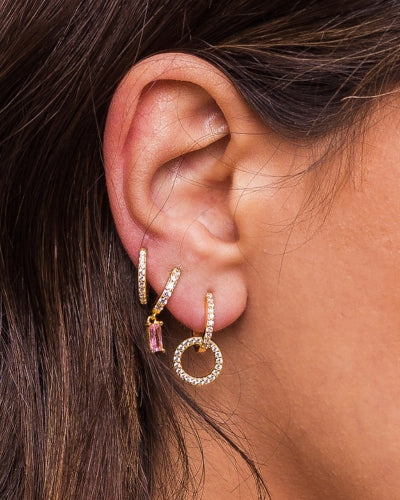
Earrings are among the most adaptable pieces of Asian bridal jewelry. They can be small and understated or dramatically large and ornate.
Large earrings are especially effective for traditional bridal portraits because they frame the face. Chandelier, drop, hoop-inspired and gemstone earrings can all be incorporated into modern wedding styling.
Choosing Earrings by Hairstyle
- Updos pair well with statement earrings.
- Loose hair often works with medium-length earrings.
- Traditional hair ornaments may call for simpler earrings.
- Heavy necklaces usually pair best with balanced rather than competing earrings.
13. Bangles and Bracelets in Asian Weddings
Bangles are particularly important in several Asian bridal traditions. Their sound, movement and layered appearance contribute to the sensory experience of the wedding celebration.
Gold bangles can be worn alone or combined with other materials. Contemporary brides may mix traditional bangles with diamond bracelets or slim stacking bands.
Traditional Versus Modern Bracelet Styling
| Style | Visual Character | Best For |
|---|---|---|
| Traditional Gold Bangles | Rich and ceremonial | Heritage weddings |
| Diamond Bracelet | Elegant and refined | Modern weddings |
| Mixed Stacking | Personal and contemporary | Fusion bridal looks |
| Heirloom Bangles | Emotional and historic | Family-centered ceremonies |
14. Hair Jewelry and Head Ornaments
Hair jewelry is one of the most beautiful demonstrations of how Asian bridal adornment extends beyond conventional jewelry categories. Headpieces, combs, pins, chains and decorative ornaments can transform a hairstyle into part of the ceremonial ensemble.
Why Hair Jewelry Matters
The head is naturally a visual focal point. A carefully positioned ornament can frame the face and create symmetry. It can also connect the bride's hairstyle to the motifs used elsewhere in her jewelry.
Modern brides can reinterpret traditional head jewelry with smaller pieces, delicate chains or diamond accents. This provides cultural reference without creating an overly elaborate appearance.
Asian bridal hair jewelry and traditional head ornament styling
15. Rings and the Rise of Modern Asian Bridal Jewelry
Rings have become increasingly important within modern Asian wedding traditions, particularly as engagement and wedding ceremonies have adopted or blended with global jewelry customs.
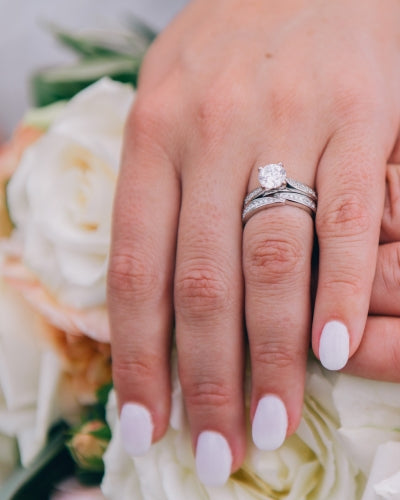
The modern Asian bride may wear an engagement ring, wedding band and traditional jewelry simultaneously. This creates an opportunity to combine historical symbolism with personal design preferences.
From Traditional Heirloom to Modern Engagement Ring
A ring does not need to look ancient to carry cultural meaning. A contemporary ring can honor tradition through metal choice, gemstone selection, engraving, motif or family stone.
Explore Diamond Engagement RingsPopular Contemporary Diamond Shapes
- Round diamonds for timeless brilliance.
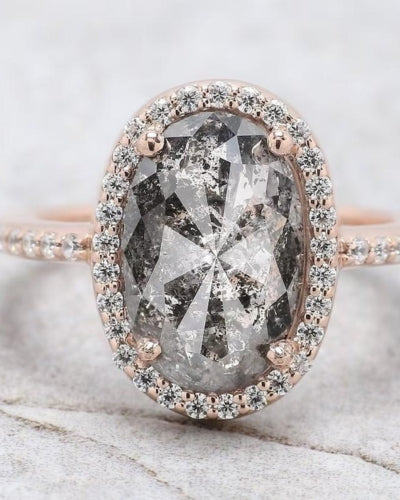
- Oval diamonds for an elegant elongated appearance.
- Pear-shaped diamonds for distinctive romantic styling.
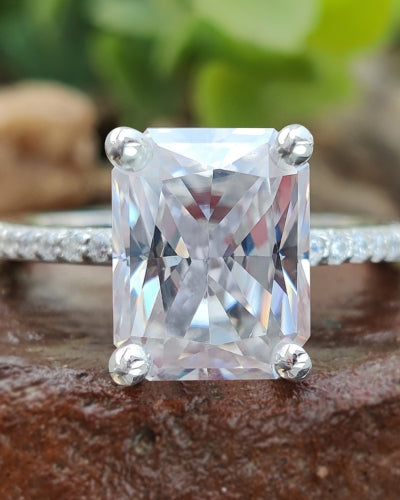
- Emerald-cut diamonds for a sophisticated vintage-inspired look.
- Marquise diamonds for a dramatic elongated silhouette.
- Hexagon and kite shapes for modern individuality.
- Rose-cut diamonds for an antique-inspired aesthetic.
16. Gemstones and Their Cultural Meaning
Gemstones have always contributed color, symbolism and personality to Asian jewelry. Their meanings differ by culture and historical period, so it is important to avoid assuming that one interpretation applies everywhere.
| Gemstone | Common Cultural Associations | Modern Bridal Appeal |
|---|---|---|
| Ruby | Passion, vitality, richness | Bold red bridal accents |
| Emerald | Growth, freshness, prosperity | Elegant green contrast |
| Sapphire | Depth, loyalty, sophistication | Classic colored gemstone styling |
| Jade | Heritage, virtue, harmony | Cultural heirloom appeal |
| Pearl | Refinement and elegance | Soft bridal styling |
| Diamond | Durability and enduring beauty | Engagement and wedding jewelry |
Choosing a Gemstone for Meaning
When selecting a gemstone for bridal jewelry, start with the story rather than the trend. Consider family traditions, birthstones, meaningful colors, inherited stones or a gemstone connected to the bride's cultural background.
This approach makes the final jewelry more personal and reduces the risk of choosing something simply because it is fashionable for one season.
17. Traditional Symbols and Motifs
Motifs give jewelry a visual vocabulary. Across Asia, artisans have incorporated flowers, leaves, birds, animals, geometric shapes, celestial imagery and auspicious symbols into jewelry.
Floral Motifs
Flowers are especially adaptable because they can communicate beauty, renewal, femininity and celebration. Floral jewelry can range from realistic botanical forms to highly stylized geometric patterns.
Bird Motifs
Birds can represent harmony, partnership, freedom or auspicious relationships depending on the cultural context. Their presence in bridal ornament can add movement and narrative symbolism.
Animal and Mythical Motifs
Animals and mythical creatures can represent strength, prosperity, protection or partnership. The precise meaning should always be understood within its cultural tradition rather than generalized across Asia.
18. The Meaning of Color in Asian Bridal Jewelry
Color is one of the strongest components of Asian wedding aesthetics. Bridal clothing, flowers, jewelry and decorations are frequently coordinated to create a meaningful visual environment.
Red
Red is particularly prominent in many Asian wedding traditions and is commonly associated with celebration, vitality, happiness or good fortune in specific cultural contexts.
Gold
Gold can communicate prosperity, celebration and luxury. Its warm appearance also photographs beautifully against traditional bridal textiles.
Green
Green gemstones can introduce freshness and contrast. In some contexts, green can be connected with renewal, nature or prosperity.
White and Ivory
White and ivory have become increasingly common in contemporary bridal styling, particularly in Western-style wedding dresses and minimalist jewelry. Modern Asian weddings frequently blend these colors with heritage jewelry.
19. Family Heirlooms and the Emotional Value of Bridal Jewelry
One of the most meaningful aspects of Asian bridal jewelry is inheritance. A necklace, bangle, ring or pair of earrings can carry memories that cannot be measured by its material value alone.
A family heirloom may have been worn by a mother, grandmother or another relative. When a bride wears it during her own wedding, the jewelry becomes part of a continuing family narrative.
Why Heirloom Jewelry Remains Relevant
- It connects generations.
- It preserves family craftsmanship.
- It carries emotional memories.
- It creates continuity during major life events.
- It gives modern weddings a tangible connection to history.
Combining Heirlooms With New Jewelry
A practical modern approach is to make one heirloom the centerpiece and build contemporary pieces around it. For example, an inherited necklace can be paired with modern diamond earrings and a simple engagement ring.
20. Craftsmanship and Handmade Jewelry Techniques
The beauty of Asian bridal jewelry is closely connected to craftsmanship. Detailed metalwork, gemstone setting, engraving, filigree, hand finishing and traditional construction techniques can transform raw materials into objects with cultural character.
Why Craftsmanship Matters
Two pieces made from the same metal and gemstone can look completely different depending on the artisan's skill. Proportion, surface texture, stone placement, symmetry and finishing all influence the final result.
Modern Craftsmanship
Contemporary jewelry production combines traditional knowledge with improved precision. Modern tools can help artisans achieve consistency, while hand finishing remains important for the final appearance and character of many fine jewelry pieces.
21. Asian Bridal Jewelry by Region: Comparison Chart
| Region | Common Bridal Focus | Typical Visual Character | Modern Adaptation |
|---|---|---|---|
| India | Gold, necklaces, bangles, earrings, head jewelry | Layered and ornate | Heritage pieces with diamonds |
| Pakistan | Gold, statement necklaces, earrings, head ornaments | Rich and ceremonial | Lighter contemporary sets |
| Bangladesh | Gold necklaces, bangles, earrings | Traditional and detailed | Minimal gold and diamond combinations |
| China | Gold, jade, symbolic motifs | Auspicious and luxurious | Modern gold and gemstone jewelry |
| Japan | Hair ornaments and refined accessories | Elegant and restrained | Minimal diamonds and pearls |
| Korea | Hair ornaments and ceremonial accessories | Balanced and refined | Contemporary minimalist jewelry |
| Southeast Asia | Gold, gemstones, ceremonial ornaments | Intricate and regional | Fusion bridal styling |
This comparison is intentionally broad. Individual communities can have traditions that differ significantly from the regional description.
22. From Traditional to Modern Asian Bridal Jewelry
Modern Asian bridal jewelry is not replacing tradition. In many cases, it is reinterpreting tradition.
Brides today have access to more jewelry styles, gemstones, diamond shapes, metals and customization options than previous generations. This allows them to select pieces according to personality, budget, ceremony and lifestyle.
The Rise of Minimalism
Minimalist jewelry has become attractive because modern weddings can involve several events. A bride may want a dramatic traditional look for one ceremony and a lighter, more wearable look for another.
Fusion Jewelry
Fusion jewelry combines traditional motifs with contemporary proportions. A classic gold motif might appear in a small pendant, while an old-fashioned gemstone shape can become the centerpiece of a modern engagement ring.
Personalization
Custom jewelry allows couples to incorporate meaningful gemstones, initials, dates, motifs, preferred metals and unusual diamond shapes. This is particularly valuable when the goal is to create a modern piece that still reflects cultural identity.
Design a Custom Engagement Ring23. How to Build a Modern Asian Bridal Jewelry Collection
Building a bridal jewelry collection does not require buying every traditional piece. The strongest collection usually balances cultural significance, visual harmony, comfort and long-term wearability.
Step 1: Identify Your Cultural Priorities
Write down the jewelry pieces that are meaningful to your family or wedding tradition. This could be a necklace, bangles, earrings, a nose ornament, a headpiece or an inherited gemstone.
Step 2: Select One Hero Piece
Choose the piece that should attract the most attention. This could be an heirloom necklace or a statement engagement ring.
Step 3: Build Supporting Pieces
Choose earrings, bracelets and rings that complement the hero piece instead of competing with it.
Step 4: Coordinate Metal Colors
Matching every piece exactly is not mandatory, but intentional coordination makes mixed jewelry look more sophisticated.
Step 5: Consider the Entire Wedding Wardrobe
Think about every outfit, not just one ceremony. Jewelry that can transition between traditional and modern clothing offers greater long-term value.
24. Step-by-Step Asian Bridal Jewelry Buying Guide
Step 1: Establish Your Budget
Divide the budget between essential traditional jewelry, engagement or wedding rings, optional statement pieces and accessories. Leave room for resizing, customization or finishing if needed.
Step 2: Decide Which Pieces Are Essential
- Engagement ring
- Wedding band
- Necklace
- Earrings
- Bangles or bracelet
- Head jewelry
- Nose jewelry where culturally appropriate
Step 3: Choose the Metal
Consider yellow gold for a traditional warm appearance, white gold for a modern neutral look or rose gold for a softer contemporary aesthetic.
Step 4: Choose Gemstones and Diamonds
Consider symbolism, durability, color, shape and personal preference. Do not select a gemstone solely because it is popular.
Step 5: Check Proportions
Large bridal jewelry can be beautiful, but it should remain proportionate to the bride's features, outfit and hairstyle.
Step 6: Prioritize Comfort
Wedding celebrations can last many hours. Earrings should not be excessively heavy, bangles should allow comfortable movement and rings should fit securely.
Step 7: Consider Future Wear
A versatile necklace or pair of earrings can be worn again at anniversaries, festivals and formal occasions. Jewelry that works beyond the wedding day often becomes more valuable emotionally.
25. Choosing Diamonds for Asian Bridal Jewelry
Diamonds have become an increasingly important part of modern Asian bridal jewelry. Their durability, brilliance and range of shapes make them suitable for both traditional-inspired and contemporary designs.
Choosing a Diamond Shape
Round diamonds remain a classic option, while oval, pear, emerald, marquise, radiant, cushion, hexagon and kite shapes allow brides to create a more individual appearance.
| Diamond Shape | Style Character | Bridal Personality |
|---|---|---|
| Round | Classic and brilliant | Timeless |
| Oval | Elegant and elongated | Romantic |
| Pear | Distinctive and graceful | Artistic |
| Emerald | Clean and sophisticated | Modern classic |
| Marquise | Dramatic and elongated | Statement maker |
| Hexagon | Geometric and unusual | Contemporary |
| Kite | Architectural and bold | Individualistic |
| Rose Cut | Vintage and soft | Heritage inspired |
A wide selection of diamond shapes makes it possible to reinterpret traditional bridal aesthetics without copying an old design exactly.
Shop Diamond Engagement Rings26. How to Style Traditional and Modern Bridal Jewelry Together
Traditional Bridal Look
Use a statement necklace, coordinated earrings, layered bangles and a traditional head ornament. Keep the metal and gemstone palette cohesive.
Modern Luxury Look
Choose one substantial necklace or a refined diamond ring, then keep supporting jewelry minimal. This works especially well with contemporary wedding dresses.
Fusion Look
Pair one heirloom piece with modern diamond jewelry. For example, an inherited gold necklace can be worn with a minimalist diamond engagement ring and delicate earrings.
Minimalist Cultural Look
Select one culturally meaningful piece and allow it to stand alone. A small traditional pendant or heirloom ring can become powerful when surrounded by understated styling.
Modern Asian bride styling traditional gold jewelry with contemporary diamond pieces
27. Asian Bridal Jewelry Case Studies and Styling Examples
Case Study 1: The Heirloom-Centered Bride
Imagine a bride whose family owns a traditional gold necklace passed down through two generations. Instead of purchasing another large necklace, she makes the heirloom the centerpiece and adds modern diamond earrings and a simple engagement ring.
Why it works: the most meaningful item remains dominant while the supporting jewelry provides a modern finish.
Case Study 2: The Modern Minimalist
A bride wants to respect her heritage but prefers understated jewelry. She chooses a delicate gold necklace, small gemstone earrings and a contemporary diamond engagement ring.
Why it works: cultural identity can be expressed through carefully selected details rather than quantity.
Case Study 3: The Traditional Maximalist
A bride enjoys elaborate jewelry and chooses layered necklaces, statement earrings, bangles and a headpiece. She uses a limited gemstone palette so the collection looks intentional rather than visually chaotic.
Why it works: repetition of metal and color creates harmony even when the individual pieces are dramatic.
Case Study 4: The Fusion Bride
A bride is wearing a modern white wedding dress for one ceremony and traditional clothing for another. She chooses versatile diamond earrings and a modern ring that work with both outfits, while changing only the necklace and bracelets.
Why it works: versatile jewelry reduces duplication while allowing different cultural aesthetics across wedding events.
28. Common Asian Bridal Jewelry Mistakes to Avoid
Mistake 1: Wearing Too Many Competing Statement Pieces
Several dramatic necklaces, earrings and headpieces can compete for attention. Choose one primary focal point.
Mistake 2: Ignoring Comfort
A wedding day is long. Jewelry that looks beautiful for ten minutes may become uncomfortable after several hours.
Mistake 3: Choosing Trends Without Considering Heritage
Trends change quickly. A culturally meaningful design often remains emotionally relevant for decades.
Mistake 4: Forgetting Photography
Some delicate details can disappear in wedding photographs. If a particular piece matters, make sure its scale and placement are visible from normal portrait distances.
Mistake 5: Ignoring Metal Harmony
Mixed metals can look excellent when intentional. Random combinations can make a bridal jewelry collection appear disconnected.
Mistake 6: Treating All Asian Jewelry as One Style
Asia contains enormous cultural diversity. Research the specific tradition connected with the bride or family rather than assuming that a general “Asian” design represents everyone.
29. Traditional vs Modern Asian Bridal Jewelry: Pros and Cons
| Approach | Advantages | Potential Challenges |
|---|---|---|
| Traditional | Strong cultural identity, heirloom potential, ceremonial impact | Can be heavy or less versatile |
| Modern | Lightweight, versatile, easy to wear again | May feel less connected to family tradition |
| Fusion | Combines heritage and personal style | Requires careful coordination |
| Heirloom-Based | Deep emotional significance | May require restoration or resizing |
| Custom | Highly personal and adaptable | Requires more planning |
30. The Future of Asian Bridal Jewelry
The future of Asian bridal jewelry is likely to be defined by personalization. Brides increasingly want jewelry that tells their own story rather than simply reproducing a standard bridal set.
Customization allows traditional motifs to be transformed into contemporary jewelry. A family symbol can become an engraving. An inherited gemstone can be reset. A traditional gold design can become a lightweight pendant. A classic diamond shape can be placed into a modern setting.
Greater Interest in Individual Diamond Shapes
Modern couples are increasingly comfortable choosing diamonds based on personality rather than convention. Unusual shapes can give a traditional bridal outfit a distinctly modern focal point.
More Versatile Bridal Jewelry
Future bridal jewelry is likely to be designed for use beyond the wedding day. Convertible earrings, stackable rings, removable pendants and adaptable necklaces can help brides enjoy their jewelry for years after the ceremony.
The Continued Importance of Heritage
Technology and modern design will not eliminate cultural jewelry traditions. Instead, they provide new ways to preserve them. Digital design, custom manufacturing and improved jewelry techniques can help reinterpret historic forms for contemporary lifestyles.
The result is not a disappearance of tradition but an ongoing conversation between generations.
Contemporary Asian bridal jewelry combining traditional heritage and modern diamond design
Infographic: The Evolution of Asian Bridal Jewelry
Infographic showing the evolution of Asian bridal jewelry from ancient traditions to modern weddings
Infographic: Asian Bridal Jewelry Symbolism
Infographic explaining common symbolism of gold gemstones colors and bridal jewelry in Asian wedding traditions
31. Asian Bridal Jewelry Checklist
Use this checklist before finalizing a bridal jewelry collection:
- Identify the most important cultural or family jewelry tradition.
- Decide which pieces will be heirlooms.
- Choose the primary metal color.
- Select the main gemstone or diamond style.
- Choose the hero jewelry piece.
- Coordinate earrings with the hairstyle.
- Check necklace proportions against the neckline.
- Make sure bracelets and bangles are comfortable.
- Confirm ring size before the wedding.
- Consider whether the jewelry can be worn after the wedding.
- Photograph the jewelry before the ceremony for insurance and family records.
- Store heirloom pieces carefully after the celebration.
32. Final Thoughts on Asian Bridal Jewelry History
The history of Asian bridal jewelry is ultimately a history of people. Gold, diamonds, gemstones, bangles, necklaces, earrings and ceremonial ornaments are valuable not simply because of their materials but because of the memories and meanings attached to them.
Across Asia, bridal jewelry has evolved through ancient craftsmanship, trade, royal influence, regional traditions, family inheritance and changing fashion. Yet one principle remains remarkably consistent: wedding jewelry is meant to represent something larger than decoration.
For one bride, that meaning may be an inherited gold necklace worn by her grandmother. For another, it may be a jade ornament connected to family heritage. For another, it may be a modern diamond ring designed specifically around her personality. Each approach can be authentic when it reflects the bride's story.
The most beautiful modern interpretation of Asian bridal jewelry is therefore not necessarily the most traditional or the most fashionable. It is the jewelry that creates a meaningful bridge between heritage and the future.
Whether you prefer elaborate traditional gold jewelry, refined gemstone pieces, heirloom ornaments, modern diamond rings or a carefully balanced fusion of styles, the history behind the jewelry can make the wedding day feel even more personal.
33. Frequently Asked Questions About Asian Bridal Jewelry History
What is the history of Asian bridal jewelry?
Asian bridal jewelry developed through ancient metalworking, gemstone traditions, regional customs, royal influence, trade and family inheritance. Different Asian cultures created distinct bridal styles, but gold, gemstones, ceremonial ornaments and symbolic designs appear repeatedly across many traditions.
Why is gold so important in Asian bridal jewelry?
Gold has historically been valued for its beauty, durability, rarity and association with prosperity. In many Asian communities it also became connected with wedding gifting, family wealth, celebration and inheritance.
What jewelry do Asian brides traditionally wear?
Traditional bridal jewelry varies by culture but can include necklaces, earrings, bangles, bracelets, rings, head ornaments, hair jewelry and nose jewelry. Some brides wear multiple pieces in layers while others use only a few highly meaningful ornaments.
What does gold jewelry symbolize at an Asian wedding?
The meaning varies by culture, but gold can represent prosperity, celebration, blessings, family support, continuity and lasting value.
What gemstones are popular in Asian bridal jewelry?
Diamonds, rubies, emeralds, sapphires, pearls and jade are among the gemstones that can appear in Asian jewelry traditions. The symbolism attached to each stone differs according to culture and historical context.
What is the meaning of jade in Chinese-inspired bridal jewelry?
Jade has a long cultural history and can be associated with virtues, harmony, refinement, protection and heritage. Its meaning depends on the specific tradition and context in which it is used.
Is Indian bridal jewelry always made from gold?
Gold is extremely important in many Indian jewelry traditions, but Indian bridal jewelry can also incorporate silver, diamonds, pearls and numerous colored gemstones. Materials and designs vary substantially by region and community.
What are the most important pieces of Indian bridal jewelry?
Depending on the region and community, important pieces can include necklaces, earrings, bangles, rings, nose jewelry, head ornaments and waist or hair accessories. There is no single universal Indian bridal jewelry set.
How is modern Asian bridal jewelry different from traditional jewelry?
Modern bridal jewelry often uses lighter proportions, contemporary settings, minimalist designs and unusual diamond shapes. Many modern brides combine these pieces with traditional or inherited jewelry.
Can traditional Asian bridal jewelry be worn with a modern wedding dress?
Yes. A traditional necklace, earrings, bangle or heirloom ring can create a beautiful contrast with a modern wedding dress. The key is balancing scale, metal color and the overall visual composition.
What diamond shapes work well for modern Asian bridal jewelry?
Round, oval, pear, emerald, marquise, radiant, cushion, hexagon, kite and rose-cut diamonds can all work well. The best shape depends on personal style, setting, outfit and desired visual effect.
What is fusion Asian bridal jewelry?
Fusion bridal jewelry combines elements of traditional Asian design with contemporary jewelry. Examples include a heritage-inspired gold necklace with a minimalist diamond ring or traditional earrings with a modern wedding dress.
Should bridal jewelry match the wedding outfit?
Jewelry does not need to match every detail exactly. It should complement the outfit through coordinated color, scale, metal tone, gemstone selection and overall style.
How can I preserve inherited Asian bridal jewelry?
Store inherited pieces separately in clean, dry protective packaging, avoid unnecessary exposure to chemicals and have valuable jewelry professionally inspected when appropriate. Document its history and significance so the story remains connected to the piece.
Is traditional bridal jewelry still relevant to modern Asian weddings?
Absolutely. Traditional jewelry remains relevant because it can represent family history and cultural identity. Modern brides often reinterpret it through lighter designs, contemporary settings and personalized combinations.
How should I choose jewelry for a multi-day Asian wedding?
Start with the most important ceremonial outfit, then create complementary jewelry combinations for the other events. Use versatile pieces that can transition between traditional clothing and contemporary wedding outfits.
Should I choose an heirloom or new bridal jewelry?
There is no universal answer. Heirlooms offer emotional and historical value, while new jewelry allows greater customization. Combining one meaningful heirloom with new pieces can provide the benefits of both.
How can I create a luxury Asian bridal jewelry look without wearing too much jewelry?
Choose one statement piece, coordinate two or three supporting pieces and keep the metal and gemstone palette consistent. Luxury often comes from proportion, craftsmanship and visual balance rather than quantity.
Can an engagement ring reflect Asian cultural heritage?
Yes. Heritage can be incorporated through metal color, gemstone choice, engraving, motifs, family stones, vintage-inspired cuts or a custom setting. A modern engagement ring can therefore carry cultural meaning without reproducing a traditional design exactly.
Why is Asian bridal jewelry important beyond fashion?
Because jewelry can carry family memories, cultural identity, ceremonial symbolism and personal stories. For many brides, the jewelry worn at a wedding becomes a physical reminder of a major family milestone.


Leave a comment
This site is protected by hCaptcha and the hCaptcha Privacy Policy and Terms of Service apply.