
Hook: Why classic jewelry still matters
Classic jewelry has endured because it balances craftsmanship, proportion and timeless design. Whether you're choosing an engagement ring or curating an heirloom collection, understanding the fundamentals helps you pick pieces that last — aesthetically, technically, and emotionally.
1. Jewelry Basics: Materials & Terminology
Metals
Common metals: 14K/18K Gold (yellow, white, rose), Platinum, Silver. Gold purity expressed in karats — 24K is pure gold, 18K is 75% gold, 14K is 58.5% gold. Platinum is denser and more durable; silver is budget-friendly but softer.
Stones
Diamonds (natural, salt & pepper, lab-grown), Moissanite, Sapphires, Emeralds, and semi-precious stones. Learn the 4Cs for diamonds: Cut, Color, Clarity, Carat.
Essential Terms
- Certificate: Grading report from a recognized lab.
- Setting: How the stone is fixed in the ring.
- Pavé: Small stones set closely together.
- Halo: Accent stones surrounding a center stone.
2. Ring Cuts & Shapes (A to Z)
This section covers 20+ classic and contemporary cuts:
- Round Brilliant
- Princess
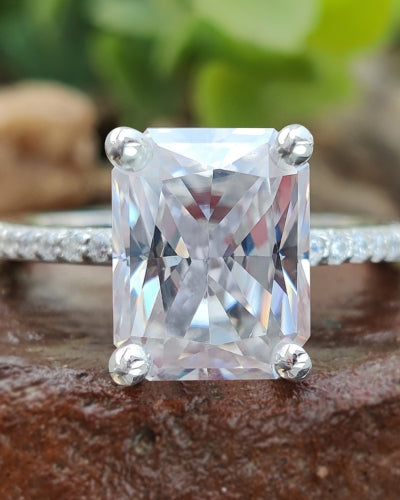
- Emerald
- Oval
- Pear
- Marquise
- Cushion
- Asscher
- Radiant
- Heart
- Antique / Old Mine
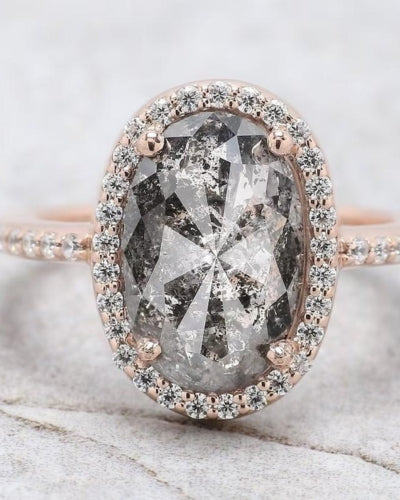
- Salt & Pepper (unique, included stones)
- Rough / Raw
- Half Moon
- Shield, Kite, Hexagon, Triangle
How cut affects sparkle
The cut determines how light interacts with the stone. Round brilliant maximizes fire and brilliance; step cuts (emerald) emphasize clarity and produce a hall-of-mirrors effect.
Visual comparison table (cut vs. best use)
| Cut | Best for | Look | Durability |
|---|---|---|---|
| Round | Classic engagement | Brilliant sparkle | High |
| Princess | Modern solitaires | Geometric fire | Medium |
| Emerald | Vintage / luxe | Elegant flashes | Medium |
| Salt & Pepper | Alternative/unique | Organic, textured | Varies |
3. Ring Settings Explained
Prong
Classic, lifts the stone to show more light. Prongs can be 4 or 6 — more prongs = more secure.
Bezel
Metal rim fully surrounds the stone — great for protection and modern looks.
Channel
Stones sit in a groove — ideal for wedding bands and side stones.
Pavé & Micro-pavé
Small stones set closely together for a continuous sparkle effect.
Halo
A center stone outlined by smaller stones to increase apparent size and brilliance.
Pros & Cons (at-a-glance)
- Prong: + more light, - can snag
- Bezel: + protective, - reduces visible size
- Channel: + smooth profile, - harder to resize
- Pavé: + intense sparkle, - needs careful maintenance
4. Step-by-step Buying Guide (Ring Purchase)
- Set a budget. Decide your comfortable spend range.
- Choose metal and style. Consider lifestyle and wear frequency.
- Pick the stone type. Natural diamond, lab-grown, moissanite or alternative stones.
- Understand the 4Cs. Prioritize cut & carat vs. color & clarity based on taste.
- Check certification. Ask for a grading report for diamonds where applicable.
- Confirm ring size. Use a ring sizer or consult our Ring Size Finder.
- Order & insure. Keep paperwork and add insurance for high-value pieces.
Decision checklist (printable)
| Item | Choice |
|---|---|
| Budget | __________ |
| Metal | __________ |
| Stone | __________ |
| Cut | __________ |
| Size | __________ |
Quick links to curated collections
5. Comparison Charts & Quick Reference
Natural Diamond vs Lab-Grown vs Moissanite
| Feature | Natural Diamond | Lab-Grown | Moissanite |
|---|---|---|---|
| Brilliance | High | High | Very high |
| Price | High | Lower | Lowest |
| Durability | 10/10 | 10/10 | 9/10 |
| Certification | Often | Often | Rare |
Ring Setting Suitability Matrix
| Setting | Best stone type | Best use |
|---|---|---|
| Prong | Round, Princess, Oval | Engagement rings |
| Bezel | Emerald, Oval, Pear | Active lifestyles |
| Channel | Small round stones | Wedding bands |
6. Care & Maintenance
Daily care
- Remove rings before heavy chores.
- Store separately in soft cloth pouches.
- Wipe with a lint-free cloth after wearing.
Cleaning routine
- Soak in warm soapy water for 20 minutes.
- Gently brush with a soft-bristle toothbrush.
- Rinse and dry on a soft cloth.
When to see a jeweler
If prongs are loose, stones feel wobbly, or metal shows deep scratches — get a professional inspection.
7. Case Studies & Real Examples
Case Study: The Heirloom Redesign
A client brought a 1940s ring with a flawed center gemstone. We recommended keeping the original setting motif, resetting a modern, ethically-sourced center stone and adding a low-profile bezel to preserve wearability. Result: preserved provenance + renewed daily wearability.
Case Study: Alternative Engagement Ring
Couple sought a unique ring under budget. We suggested a salt & pepper center stone in a minimalist prong with a rose-gold split shank. The textured diamond delivered personality at a fraction of the price of a high-color, high-clarity stone.
8. E-E-A-T: Experienced — Real Experience Notes
At FancyDiamondJewels, our production team in India and showroom in Canada collaborate on quality checks. Years of designing and remounting rings has taught us that the cut and setting choices contribute most to long-term satisfaction — not just carat size. Below are direct observations from our bench:
Bench note: A well-cut 0.9ct round often appears more impressive than a poorly cut 1.2ct — always prioritize cut quality over raw carat when brilliance matters.
We document manufacturing steps, QC photos and provide certificates on request for high-value pieces.
9. Infographics & Visual Aids
Infographic placeholders (replace with final assets):
Infographic: Diamond cut chart


10. Calls To Action
Ready to explore rings? Start with our curated collections or contact us for custom design:
11. FAQs
How do I know my ring size?
Use a professional ring sizer or consult our Ring Size Finder tool. Measure at the end of the day when fingers are warm.
What's the difference between lab-grown and natural diamonds?
Lab-grown diamonds have the same chemical and optical properties as natural diamonds but are created in controlled conditions. They often cost less while offering similar durability and sparkle.
Can I resize a ring?
Most rings can be resized, though designs with pavé or full eternity bands are more difficult or risky to resize.
How often should I service my ring?
We recommend a professional check every 12-18 months for prong wear and loose stones.
What is a grading certificate?
A grading certificate from a recognized lab provides details on the stone's 4Cs and assures buyers of the stone's characteristics.
Are your stones ethically sourced?
FancyDiamondJewels adheres to responsible sourcing and provides documentation and reports for stones upon request.
How do I clean my ring at home?
Soak in warm soapy water and gently brush, then rinse and dry. For soft stones like opal, follow specialist care guidance.
What metals are hypoallergenic?
Platinum and high-karat gold alloys are generally hypoallergenic; some silver alloys may cause reactions in sensitive skin.
Do you offer custom designs?
Yes. Contact our design team through the Contact page to start a custom project.
How long does a custom ring take?
Typical lead times vary but expect 4–8 weeks for bespoke designs; timelines depend on stone sourcing and complexity.
12. Resources & Internal Links
Verified internal links used in this article:


Leave a comment
This site is protected by hCaptcha and the hCaptcha Privacy Policy and Terms of Service apply.