
Article: Gen Z vs. Millennials: How Men's Jewelry Trends Are Changing
Gen Z vs. Millennials: How Men's Jewelry Trends Are Changing
Men's jewelry is entering a new era. Rings are no longer reserved for engagements and wedding ceremonies, chains are no longer simply occasional accessories, and bracelets are becoming part of everyday personal style. From understated gold bands to expressive silver rings, diamond accents, moissanite designs, and layered necklaces, modern men are discovering new ways to make jewelry their own.
Two generations are helping shape this change: Generation Z and Millennials. Although their preferences overlap, their approaches to style, self-expression, quality, and purchasing decisions can differ. Gen Z often approaches jewelry as a flexible part of an evolving wardrobe, while many Millennials look for versatile pieces that can become recognizable signatures of their personal style.
But these are tendencies, not rules. A minimalist Gen Z professional may prefer a single gold chain, while a Millennial musician may choose multiple rings and bold pendants. Individual taste, culture, budget, lifestyle, and occasion matter just as much as age.
In this guide, we explore Gen Z vs. Millennial men's jewelry trends, popular materials, moissanite and diamond jewelry, everyday styling, shopping priorities, anniversary gifts, and practical ways to choose jewelry that feels authentic rather than simply fashionable.
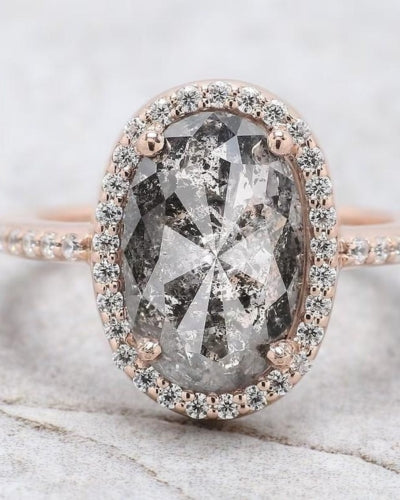
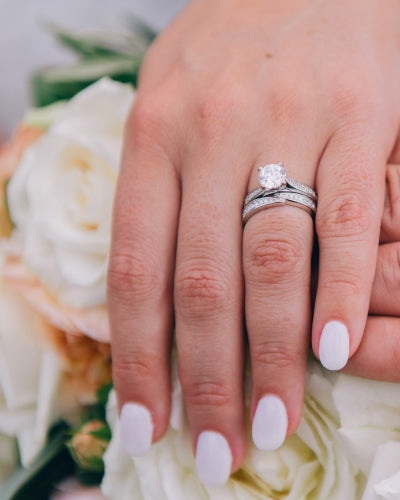
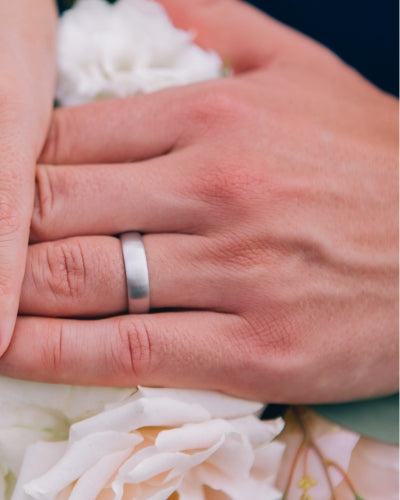
Gen Z and Millennial men's jewelry style inspiration featuring contemporary rings, chains, and statement accessories

1. The Changing Landscape of Men's Jewelry
For a long time, mainstream men's jewelry was commonly associated with a relatively narrow selection of products: wedding bands, watches, cufflinks, and perhaps a traditional chain. These items remain relevant, but the modern market offers far more variety.
Today, men's jewelry can include signet rings, sculptural silver bands, gemstone rings, diamond-set wedding bands, moissanite pendants, tennis bracelets, hoop earrings, pearl accents, and necklaces with personalized charms. Men may combine these pieces with streetwear, business clothing, traditional attire, or evening outfits.
The shift is not simply about adding more accessories. It reflects a broader change in how consumers understand style. Jewelry can communicate personal interests, celebrate relationships, preserve memories, or provide a finishing detail to an outfit.
From occasional accessories to everyday essentials
One important development is the movement toward wearable jewelry. Rather than purchasing a special piece and keeping it in a box until an event, buyers increasingly look for designs that work across different parts of their lives.
A plain gold band might accompany office clothing, casual weekend outfits, and evening wear. A small pendant might become an everyday signature. A diamond-accented ring can provide visual interest without requiring an elaborate outfit.
Personal expression matters more than rigid rules
Modern styling is less dependent on strict rules about which accessories men should wear. Individual preferences now range from barely visible pieces to deliberately bold combinations.
The result is a wider definition of men's jewelry. Luxury can mean a substantial precious-metal ring, a carefully selected moissanite stone, an engraved family keepsake, or a simple chain chosen for its everyday comfort.
Why the generational comparison matters
Understanding Gen Z and Millennial preferences helps shoppers recognize different styling approaches. It also helps jewelry brands create more useful product descriptions, gift guides, and collections.
However, generational marketing works best when it offers inspiration instead of stereotypes. Age alone cannot predict someone's taste, spending power, or preferred jewelry material.
2. Understanding Gen Z and Millennials
Generation Z is commonly defined as people born from approximately 1997 through 2012, while Millennials are commonly defined as those born from approximately 1981 through 1996. Definitions vary slightly between organizations, and the generations cover people at very different life stages.
Gen Z: a generation of evolving personal style
Older Gen Z consumers may be establishing professional wardrobes, exploring independent purchasing, or experimenting with personal style. Younger adults in this generation may draw inspiration from streetwear, music, online fashion communities, vintage styling, and gender-fluid aesthetics.
Jewelry can be an accessible way to experiment with appearance. A ring, chain, or pendant may change the character of an outfit without requiring an entirely new wardrobe.
Millennials: versatility and long-term wearability
Millennials include consumers with a broad range of lifestyles, from early-career professionals to established parents, entrepreneurs, and collectors. Some prioritize classic designs that work across changing routines; others prefer expressive pieces or contemporary streetwear.
For many buyers, a jewelry purchase involves balancing appearance with durability, craftsmanship, maintenance, and cost per wear. A versatile piece can be valuable because it remains useful across multiple occasions.
Where their preferences overlap
Both generations can appreciate meaningful jewelry, distinctive design, transparent product information, and pieces that reflect their identity. Both may buy jewelry for themselves rather than waiting for a gift-giving occasion.
The strongest distinction is not that one generation values fashion and the other values quality. Most shoppers care about both. The difference often lies in how they combine them and which considerations come first for a particular purchase.
3. How Gen Z Men Are Changing Jewelry Trends
Contemporary men's jewelry inspiration with layered chains, expressive silver rings, and modern styling
Experimentation with multiple accessories
One recognizable styling direction among younger fashion consumers is the use of several accessories together. A man might combine a silver chain, a textured ring, and a bracelet, allowing each piece to contribute to the overall look.
Layering does not necessarily mean wearing many expensive items. A thoughtful combination of a few affordable accessories can create a distinctive appearance when the proportions and materials work together.
Mixed metals and contrasting textures
Traditional styling advice often recommends matching every metal. Contemporary looks are more flexible. Silver and gold can be worn together when the combination appears intentional.
For example, a brushed silver ring can contrast with a yellow-gold chain. A polished band can sit alongside a matte-finish bracelet. The key is to repeat one or two design details so that the combination feels coordinated rather than random.
Statement rings and unusual silhouettes
Gen Z styling often makes room for rings that stand out through shape, texture, or color. Signet rings, chunky bands, geometric forms, and unconventional stone settings can add personality to otherwise simple outfits.
A statement ring is especially effective when the rest of the accessories remain relatively restrained. This gives the ring room to become the focal point without making the overall appearance feel crowded.
Jewelry beyond conventional gender expectations
Some younger consumers are more comfortable exploring jewelry historically marketed to different genders. Pearls, decorative pins, sculptural pendants, and earrings can be incorporated into a personal wardrobe without treating traditional categories as strict rules.
This does not mean that every Gen Z buyer prefers gender-neutral jewelry. Rather, the range of acceptable styling choices has become broader, giving individuals more freedom to choose what suits them.
Affordable experimentation
Trying a new style does not require immediately investing in fine jewelry. Fashion jewelry and simpler metal pieces can help a buyer discover preferred chain lengths, ring widths, and accessory combinations before purchasing a more expensive item.
Once a style becomes a consistent part of the wardrobe, the wearer can consider investing in a higher-quality version with a suitable metal, secure setting, and reliable construction.
4. How Millennial Men Are Shaping Jewelry Trends

Building a signature look
Many Millennial men prefer a small collection of dependable accessories that become recognizable parts of their style. A favorite chain, wedding band, signet ring, or bracelet may be worn repeatedly instead of being replaced with every new trend.
This approach can make jewelry shopping more deliberate. Rather than asking whether a piece is currently fashionable, a buyer may consider whether it complements existing clothing and whether it will remain comfortable and attractive over time.
Minimalism with a luxury finish
Minimalist jewelry can look refined without appearing plain. Fine finishing, carefully considered proportions, a comfortable fit, and a well-made clasp can elevate a relatively simple design.
A slim precious-metal band, a discreet diamond accent, or a medium-weight chain can work well for people who want understated luxury. These pieces can be worn alone or combined with accessories already in the wardrobe.
Investment in craftsmanship and versatility
Some Millennial buyers are willing to spend more on a piece they expect to wear regularly. This can involve choosing a durable setting, a precious metal suited to the intended use, or a design that can be repaired and maintained.
It is important to distinguish emotional value from financial investment. Jewelry may be worth purchasing because it is meaningful, well made, and frequently worn, but resale value is not guaranteed. Materials, condition, brand recognition, and market demand all influence resale outcomes.
Jewelry for work and social occasions
Versatility is especially useful for buyers who move between professional and casual settings. A simple ring can work with business clothing, while a chain or bracelet can transition into an evening outfit.
Rather than owning separate accessories for every event, a buyer can build a compact collection that covers everyday wear, formal occasions, and personal milestones.
5. Gen Z vs. Millennials: Men's Jewelry Comparison Chart
The following chart describes common styling tendencies rather than universal preferences. Individual choices may differ considerably within either generation.
| Category | Common Gen Z direction | Common Millennial direction |
|---|---|---|
| Overall style | Experimental and expressive | Versatile and signature-driven |
| Rings | Stacked, geometric, statement | Classic bands, signets, refined designs |
| Chains | Layered lengths and varied textures | Everyday chains and versatile pendants |
| Metal styling | More experimentation with mixed metals | Often coordinated, with mixed metals also popular |
| Personalization | Charms, motifs, expressive details | Engravings, milestone pieces, sentimental designs |
| Buying approach | May experiment with accessible styles first | May prioritize repeat wear and versatility |
| Luxury preference | Distinctive appearance and self-expression | Craftsmanship, design, and long-term usefulness |
| Social influence | Online creators, music, and fashion communities | Digital discovery, personal networks, and established style references |
| Gift preferences | Personalized, modern, trend-aware pieces | Meaningful, versatile, milestone-oriented pieces |
| Fine jewelry | May combine fine and fashion jewelry | May build a smaller collection of fine pieces |
What the comparison means for shoppers
Use the chart as a starting point, not a set of purchasing rules. If you are buying a gift, the recipient's existing jewelry is a better guide than their generation.
Notice the metal they wear most often, whether their rings are slim or substantial, and whether their style is restrained or expressive. Those details can help you select something they will genuinely enjoy wearing.
6. The Rise of Men's Rings
Men's rings have expanded well beyond the traditional wedding band. Today, they can communicate commitment, personal identity, fashion preferences, or appreciation for gemstones and craftsmanship.
Classic bands for everyday wear
Plain gold, white-gold, platinum, or silver-colored bands remain versatile choices. Their simplicity makes them suitable for everyday outfits and formal occasions.
When choosing a band, consider width, thickness, inner-edge comfort, metal properties, and whether the wearer prefers a polished, brushed, hammered, or matte finish.
Signet rings and personal symbolism
Signet rings offer a natural way to personalize jewelry. A design may feature initials, a family symbol, a meaningful date, or a decorative motif.
Modern signet rings range from traditional oval faces to rectangular, square, and sculptural designs. Smaller versions can be understated, while broader faces create a more noticeable statement.
Moissanite and diamond rings for men
Gemstone rings provide another option for buyers who want sparkle or contrast. Moissanite is known for its strong brilliance and fire, while diamond jewelry offers a different balance of optical properties, hardness, and traditional symbolism.
Stone size should be chosen in proportion to the ring and the wearer's preferences. A smaller stone can create a discreet highlight, while a larger stone becomes a stronger focal point.
Men's wedding bands with modern details
Contemporary wedding bands can include channel-set stones, contrasting finishes, beveled edges, geometric patterns, or subtle two-tone designs.
Explore the men's wedding band collection for design inspiration when comparing classic and contemporary band styles.
Pros and cons of statement rings
- Pros: They create a focal point, communicate personal taste, and can make a simple outfit feel considered.
- Pros: Distinctive designs can carry sentimental meaning or become signature accessories.
- Cons: Oversized rings may catch on clothing or feel uncomfortable during manual work.
- Cons: Intricate settings can require more frequent cleaning and inspection.
Choose the ring according to its intended use. A bold piece for occasional styling may be different from a band designed for daily wear.
7. Chains, Necklaces, and Pendants
Men's chains are popular because they can be styled in many ways. A simple chain may sit beneath a shirt, while a pendant or a visible medium-weight chain can become a deliberate part of an outfit.
Choosing a chain length
Chain length changes where a necklace sits and how it interacts with collars, necklines, and other accessories. Shorter chains generally sit higher on the neck, while longer chains create a more relaxed appearance.
Body proportions and clothing affect the final result, so measurements should be checked before purchasing. When buying a gift, comparing the length with a necklace the recipient already owns can reduce guesswork.
Popular chain styles
- Curb chains: Flat interlocking links with a familiar, versatile appearance.
- Rope chains: Twisted links that create texture and reflect light.
- Box chains: Square links with a structured, geometric look.
- Figaro chains: Alternating link patterns that add visual rhythm.
- Fine cable chains: Simple links suitable for understated styling.
Pendants that express personality
Pendants can represent hobbies, personal beliefs, memories, initials, or design preferences. A small geometric charm may suit a minimalist wardrobe, while a more elaborate pendant can complement streetwear.
Moissanite or diamond accents add brilliance, but the pendant's overall design, chain strength, and comfort matter just as much as the stone.
How to layer necklaces
- Choose one chain as the main piece.
- Add a second chain with a noticeably different length.
- Vary texture or thickness to keep the layers distinct.
- Use a pendant on one chain if you want a clear focal point.
- Check that the chains do not tangle easily or interfere with clothing.
Layering works best when the pieces have enough visual difference to remain individually recognizable. Two nearly identical chains may blend together, while extreme differences in scale can make the combination feel unbalanced.
8. Bracelets, Earrings, and Statement Accessories
Bracelets for everyday style
Men's bracelets range from narrow metal chains to substantial cuffs, leather designs, beaded pieces, and gemstone-accented styles. The right choice depends on the wearer's routine and preferred level of visibility.
A simple metal bracelet can complement a watch, while a beaded bracelet introduces color and texture. A diamond tennis bracelet offers a more luxurious appearance and generally requires careful attention to fit and setting security.
Earrings and contemporary styling
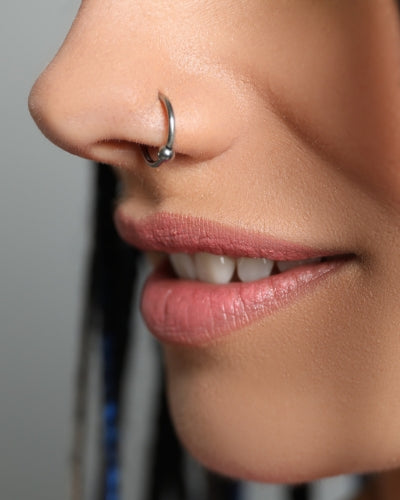
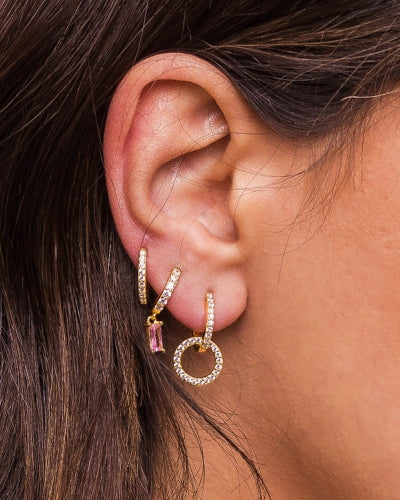
Studs, small hoops, and subtle gemstone earrings offer different levels of visual impact. Some wearers prefer a single earring, while others use matching pairs or combinations of sizes.
For pierced ears, consider the metal, backing, weight, and comfort. Anyone with a history of metal sensitivity should review the exact material composition rather than relying on broad labels such as gold-colored or silver-toned.
Brooches, pins, and cufflinks
Brooches and decorative pins can transform a jacket, coat, or formal outfit. Cufflinks remain a useful option for dress shirts with compatible cuffs, while tie bars and collar accessories add detail without requiring multiple pieces of jewelry.
How to avoid over-accessorizing
There is no fixed number of accessories that every man should wear. A useful starting point is to choose one focal piece and let the other accessories support it.
- Pair a statement ring with a simpler chain.
- Keep a large pendant from competing with a heavily patterned shirt.
- Choose a bracelet that sits comfortably beside a watch.
- Reduce the number of pieces if they repeatedly collide or catch on clothing.
9. Moissanite Jewelry for Men: A Modern Alternative
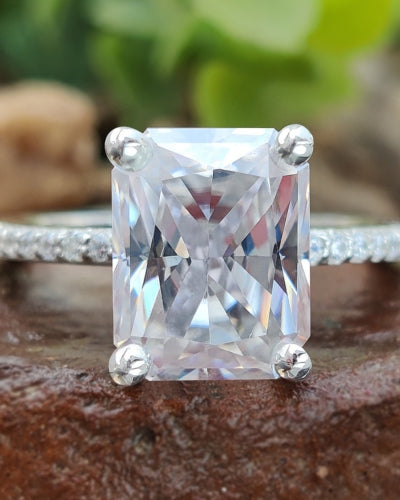
Modern men's ring design featuring a brilliant moissanite gemstone in a contemporary setting

Moissanite has become an option for shoppers seeking a brilliant gemstone appearance across different jewelry styles. Its optical properties give it strong sparkle and noticeable fire, making it attractive for rings, pendants, and other designs.
For men exploring contemporary jewelry, moissanite offers a way to enjoy a gemstone-focused design without automatically choosing a diamond. The right decision depends on personal preference, budget, the design of the piece, and an understanding of the material.
What is moissanite?
Moissanite is a gemstone made of silicon carbide. Naturally occurring moissanite is rare, and most moissanite used in jewelry today is lab-created.
It is not a diamond. Although both stones can appear brilliant, they have different chemical compositions and optical properties. Moissanite can display more pronounced rainbow flashes under certain lighting conditions.
Why consider moissanite rings for men?
- Brilliance: Moissanite has strong light performance and visible sparkle.
- Design flexibility: It can be incorporated into classic bands, geometric settings, and bold statement rings.
- Choice: Buyers can compare different shapes, stone sizes, metals, and settings.
- Budget flexibility: Moissanite may cost less than a comparable diamond, although the total price depends on the entire jewelry design.
- Contemporary appeal: Its distinctive optical appearance suits both minimalist and expressive styles.
Moissanite versus diamond: important differences
| Feature | Moissanite | Diamond |
|---|---|---|
| Composition | Silicon carbide | Carbon |
| Appearance | Brilliant, often with pronounced rainbow fire | Brilliant, with a different balance of fire and light return |
| Hardness | Approximately 9.25 on the Mohs scale | 10 on the Mohs scale |
| Typical price | Often lower than a comparable diamond | Varies substantially with quality and origin |
| Identity | A distinct gemstone, not a diamond | A distinct gemstone with natural or laboratory-grown origins |
| Care | Regular gentle cleaning and setting inspection | Regular gentle cleaning and setting inspection |
How to choose a men's moissanite ring
- Decide whether the ring is for daily wear, a special occasion, or occasional styling.
- Choose a stone shape that fits the design, such as round, oval, emerald, or a geometric cut.
- Compare stone size with ring width and finger proportions.
- Choose a setting that protects the stone and suits the intended activity.
- Confirm the metal, dimensions, ring size, and care requirements.
- Review the final product details and return or resizing terms before placing an order.
Explore the moissanite ring collection for inspiration on gemstone shapes, settings, and metal combinations. When choosing a men's ring, confirm that the specific design is available in the required size and style.
When moissanite may not be the right choice
Some buyers specifically want a natural diamond because of its geological origin, symbolism, or personal preference. Others prefer the particular optical appearance of a diamond over moissanite's more pronounced fire.
Neither choice is universally better. The best gemstone is the one whose appearance, characteristics, price, and meaning align with the buyer's priorities. Custom Ring Builder
10. Diamond Jewelry and Modern Luxury
Diamond jewelry is no longer limited to engagement rings and traditional formal accessories. Men's designs can include diamond-set bands, discreet pendant accents, signet rings with gemstones, and bracelets intended for evening wear.
Natural diamonds and lab-grown diamonds
Natural diamonds form through geological processes, while lab-grown diamonds are produced using technological processes that replicate key conditions involved in diamond formation. Both are diamond material, although their origins differ.
Buyers may consider origin, price, grading documentation, appearance, and personal values when comparing the two. Clear product information is important because the terms natural diamond, lab-grown diamond, and moissanite describe different things.
Choosing the right amount of sparkle
Diamond accents can be subtle or prominent. A narrow band with a small row of stones may suit a professional wardrobe, while a larger center stone or more elaborate setting can create a statement piece.
For daily wear, consider the setting's profile and whether exposed prongs could catch on fabric. Low-profile settings may be more convenient for people who use their hands frequently.
Luxury does not have to mean maximum size
Luxury is often communicated through proportion, finishing, comfort, and thoughtful design. A well-finished ring with restrained stone placement can look more sophisticated to a particular wearer than a much larger design.
Rather than selecting a piece only by carat weight or visual scale, compare the full design, construction, metal quality, and suitability for the intended use.
11. Gold, Silver, Platinum, and Alternative Metals
The metal influences a piece's color, weight, durability, maintenance, and price. Choosing the right one is especially important for jewelry intended for everyday use.
Yellow gold
Yellow gold offers a classic warm tone and pairs naturally with both traditional and contemporary styles. Different karat values contain different proportions of gold and other metals, affecting color, hardness, and overall composition.
White gold
White gold offers a bright, neutral appearance that complements many gemstones. Depending on its finish and alloy, it may require periodic maintenance, including replating when applicable.
Rose gold
Rose gold has a warm pinkish tone that can create a distinctive look without relying on large gemstones. It pairs well with geometric designs, vintage-inspired rings, and contemporary jewelry.
Sterling silver
Sterling silver is popular for rings, chains, pendants, and bracelets. It is versatile and accessible, although it can tarnish and may require periodic polishing.
Platinum and alternative metals
Platinum is valued for its naturally white appearance and density. Titanium and certain other alternative metals may appeal to buyers seeking a lightweight or modern aesthetic, but they have different resizing and repair considerations.
| Material | Common appeal | Points to consider |
|---|---|---|
| Yellow gold | Classic warmth and versatility | Karat, alloy, price, and surface wear |
| White gold | Bright, neutral finish | Alloy composition and possible replating |
| Rose gold | Distinctive warm color | Alloy composition and finish |
| Sterling silver | Versatile, contemporary styling | Tarnish and polishing |
| Platinum | Dense precious metal with a naturally white appearance | Weight, cost, and specialist servicing |
| Titanium | Lightweight modern styling | Resizing and repair limitations |
Metal choice should reflect the wearer's skin sensitivities, lifestyle, desired appearance, and maintenance preferences. Ask for exact alloy information when material composition is important.
12. Personalized Men's Jewelry and Meaningful Design
Personalization can turn a beautiful accessory into something connected to a person, relationship, or memory. For both Gen Z and Millennial shoppers, meaning can be just as important as appearance.
Engraved rings and bracelets
Initials, dates, short messages, and symbolic motifs can make a ring or bracelet more personal. Engraving is particularly suitable for anniversaries, graduations, birthdays, and other milestones.
Before ordering, confirm the available engraving area, character limits, font style, and whether personalization affects return or exchange eligibility.
Birthstones and symbolic gemstones
A birthstone or favorite gemstone can add color and personal significance to a design. Some buyers choose stones associated with a birth month, while others select a color connected to a memory or personal preference.
Custom rings and one-of-a-kind details
Customization may involve changing a ring's metal, stone shape, finish, width, or engraving. A custom design can help the wearer obtain the right proportions and details instead of adapting to a standard style.
However, customization should begin with a clear budget and realistic expectations about production time, design approval, and future resizing or repair.
How to make a personalized gift feel thoughtful
- Choose a symbol or inscription that has genuine meaning to the recipient.
- Match the metal to jewelry they already wear.
- Consider whether they prefer subtle or prominent accessories.
- Confirm ring or bracelet sizing before finalizing the design.
- Include care instructions and keep relevant purchase documentation.
13. Quality, Sourcing, and Responsible Purchasing
Many shoppers want to understand not only what a piece looks like, but also how it is made and what materials it contains. Responsible purchasing begins with accurate information rather than broad marketing claims.
Ask clear questions about materials
For precious-metal jewelry, review the stated metal and purity. For gemstones, confirm whether the stone is natural, lab-grown, or a different gemstone entirely. Request relevant documentation when it is offered and appropriate to the purchase.
Understand what ethical claims mean
Terms such as responsibly sourced, conflict-free, and sustainable can refer to different practices. Buyers should look for specific explanations of sourcing, traceability, manufacturing standards, and any supporting documentation.
A general environmental claim does not automatically establish the complete environmental or social impact of a product. Transparent, specific information is more useful than unsupported promises.
Choose durability that matches your lifestyle
A piece intended for frequent wear should be selected with its setting, clasp, metal, and maintenance requirements in mind. Repairability and access to servicing can influence how long a piece remains usable.
Quality checklist before buying
- Confirm the exact material and gemstone identity.
- Review dimensions, weight where available, and construction details.
- Inspect setting security and clasp design.
- Understand cleaning, storage, and repair requirements.
- Read the return, resizing, and warranty terms carefully.
15. Anniversary Gifts and Special Occasions
Men's jewelry is increasingly considered for occasions beyond weddings and formal celebrations. An anniversary can be an opportunity to choose a piece that represents shared memories while remaining practical enough to wear regularly.
Jewelry gifts for a husband
A wedding band upgrade, engraved ring, quality chain, or bracelet can be a meaningful gift for a husband. The right choice depends on his usual style and whether he prefers understated accessories or a more noticeable design.
Jewelry gifts for a boyfriend
For a boyfriend, a chain, personalized pendant, simple band, or bracelet may offer a balance between style and sentiment. Consider the relationship's stage and the recipient's existing accessories rather than assuming a more expensive gift will be more meaningful.
Moissanite and diamond anniversary gifts
Moissanite jewelry can suit someone who appreciates brilliant gemstones and contemporary designs. Diamond jewelry may appeal to a recipient who values diamond-specific symbolism or prefers its distinctive optical appearance.
Both options can be personalized through the metal, setting, stone shape, or engraving. The goal is to select a design that feels appropriate to the person receiving it.
Match the gift to the occasion
| Occasion | Potential jewelry gift | Personal touch |
|---|---|---|
| First anniversary | Minimalist ring or chain | Engraved date or initials |
| Milestone anniversary | Precious-metal band or gemstone ring | Meaningful stone or custom finish |
| Birthday | Bracelet, pendant, or signet ring | Motif connected to a hobby or interest |
| Graduation | Classic band or understated chain | Graduation year or short inscription |
| Wedding | Wedding band or coordinated couple bands | Matching design details |
A practical anniversary gift checklist
- Observe the recipient's current jewelry preferences.
- Choose a category they are likely to wear.
- Set a budget before comparing gemstones and metals.
- Confirm sizing and delivery timelines.
- Check customization, return, and resizing conditions.
- Present the gift with a personal message explaining its meaning.
Explore the jewelry collection for ideas across different designs and gemstone styles.
16. Budgeting for Men's Jewelry
Jewelry budgets vary widely, and there is no single correct amount to spend. The best approach is to set a comfortable limit and compare pieces based on their actual specifications.
Affordable ways to begin
A simple sterling silver ring or chain can be a useful first purchase. These pieces help a new wearer discover preferred proportions and everyday comfort before investing in precious metals or gemstones.
Mid-range purchases
Buyers with a larger budget may consider higher-quality precious-metal pieces, personalized designs, or gemstone accents. At this stage, craftsmanship and construction become particularly important comparison points.
Fine jewelry purchases
Fine jewelry can involve significant spending, particularly when precious metals, larger gemstones, or custom work are involved. Review the specifications carefully and compare the total design rather than evaluating price by stone size alone.
| Budget approach | What to prioritize | Potential starting point |
|---|---|---|
| Entry level | Comfort, simple design, useful styling | Silver ring or basic chain |
| Moderate | Metal quality, finishing, versatility | Precious-metal band or personalized bracelet |
| Premium | Gemstone choice, setting, craftsmanship | Moissanite or diamond-accented jewelry |
| Custom | Design, materials, fit, service | Engraved or made-to-order piece |
Consider cost per wear
Cost per wear is a simple way to think about the practical value of an accessory. Divide the purchase price by the number of times you expect to wear it.
For example, a hypothetical $180 chain worn 180 times has a purchase cost of $1 per wear before maintenance or other expenses. A more expensive piece may still offer good personal value if it is worn frequently and remains in good condition.
This is a budgeting tool, not a measure of resale value or investment return.
Avoid paying for features you do not need
If a ring will be worn every day, comfort and setting security may matter more than a particularly large stone. If a necklace is intended for occasional outfits, an elaborate design may be worthwhile, but it should still fit the budget.
17. How to Style Men's Jewelry for Different Occasions

Casual everyday outfits
For a relaxed look, start with a simple chain, a ring, or a bracelet. Denim, T-shirts, knitwear, and casual shirts provide a flexible backdrop for both silver and gold jewelry.
If you prefer a more expressive look, add a second accessory with a different texture or scale. Keeping the colors of your clothing relatively simple can help statement jewelry stand out.
Professional and business-casual outfits
In professional settings, jewelry should work with the workplace's expectations and your comfort. A simple ring, discreet bracelet, or modest chain can complement a business-casual wardrobe without dominating it.
For formal meetings, a polished band or understated accessory may be more appropriate than several large pieces. However, workplace norms differ, and there is no universal rule that professional men must wear minimal jewelry.
Formal events
Formal clothing can be complemented by carefully chosen cufflinks, a dress watch, a signet ring, or a refined bracelet. A diamond-accented ring or pendant may suit an evening event when the design is coordinated with the outfit.
Rather than adding many accessories, identify one or two details that reinforce the overall appearance.
Streetwear and expressive fashion
Streetwear can accommodate more noticeable accessories, including chunky rings, layered chains, pendants, and mixed-metal combinations. Proportion is especially important: jewelry should complement the clothing rather than disappear against it or overwhelm the entire outfit.
Traditional and cultural occasions
Traditional clothing can pair naturally with gold chains, rings, bracelets, and culturally meaningful accessories. The ideal choice depends on regional customs, family preferences, the event, and personal taste.
Contemporary jewelry can also work alongside traditional pieces. The most successful combinations respect the occasion while reflecting the wearer's individual style.
Three easy styling formulas
- Minimalist: One slim ring, a simple chain, and neutral clothing.
- Contemporary: A geometric ring, medium-weight chain, and one contrasting accessory.
- Statement: One bold pendant or ring supported by simpler complementary pieces.
18. Step-by-Step Guide to Buying Men's Jewelry
Whether you are shopping for yourself or choosing an anniversary gift, a structured buying process can reduce uncertainty and help you compare options more effectively.
Step 1: Define the purpose
Decide whether the piece is intended for everyday use, formal occasions, a relationship milestone, or fashion experimentation. The purpose influences the appropriate design, material, and budget.
Step 2: Identify the recipient's style
Look at the jewelry the wearer already uses. Note whether they prefer gold or silver, narrow or wide rings, delicate or substantial chains, and plain or gemstone-set designs.
Step 3: Choose a suitable material
Compare precious metals and alternative materials according to color, durability, maintenance, and price. If skin sensitivity is a concern, verify the precise alloy composition.
Step 4: Select the design and proportions
Choose a shape, width, length, and finish that work with the wearer. Product dimensions are more informative than photographs alone, particularly for rings and necklaces.
Step 5: Confirm gemstone details
If the piece includes a gemstone, verify whether it is moissanite, natural diamond, lab-grown diamond, or another material. Review the listed dimensions, stone count, and any available grading or identification documentation.
Step 6: Check fit and comfort
For rings, obtain an accurate size measurement and consider the band's width. For bracelets, check wrist measurements and clasp security. For necklaces, select a length appropriate to the intended styling.
Step 7: Compare total value
Evaluate the full piece, including the metal, construction, stone, finishing, personalization, and after-sales support. Avoid relying on one specification as the sole indicator of quality.
Step 8: Review policies before ordering
Read the relevant shipping, return, resizing, and customization conditions. Check delivery estimates when purchasing for a specific occasion.
Step 9: Plan for care
Understand how the piece should be cleaned, stored, and inspected. Regular maintenance can help preserve appearance and identify loose settings or worn clasps before they become bigger problems.
19. Jewelry Care and Everyday Durability
Good care helps jewelry maintain its appearance and reduces avoidable wear. Different metals, gemstones, and settings require different maintenance approaches, so always follow care instructions for the specific piece.
Clean jewelry gently
For many durable jewelry pieces, a soft cloth and lukewarm water with mild soap can remove ordinary surface residue. Use a soft brush only when appropriate for the setting, and rinse carefully to avoid leaving soap behind.
Avoid assuming that every gemstone or treatment can tolerate the same cleaning method. Harsh chemicals, abrasive products, and some ultrasonic cleaners may damage certain stones, finishes, or settings.
Store pieces separately
Keeping jewelry in separate pouches or compartments can reduce scratching and tangling. Chains should be stored carefully to prevent knots, and delicate settings should not be pressed against harder jewelry.
Inspect rings, clasps, and settings
Check clasps for secure closure and look for signs of wear around stone settings. If a gemstone moves, a prong catches repeatedly on fabric, or a clasp no longer closes properly, stop wearing the item until it has been inspected.
Know when to remove jewelry
Rings and bracelets may be better removed during heavy manual work, contact sports, or activities involving chemicals and machinery. Jewelry can become damaged, catch on objects, or create an injury risk during these activities.
Schedule professional maintenance when needed
Fine jewelry may benefit from periodic professional inspection, especially when worn frequently. Maintenance requirements depend on the construction, materials, setting, and intensity of use.
20. Three Illustrative Case Studies: Matching Jewelry to Personal Style
The following examples are fictional style scenarios designed to demonstrate how different buyers might approach jewelry. They are not customer testimonials or claims about actual purchases.
Case study 1: A Gen Z creative professional
Profile: A 24-year-old creative professional prefers relaxed clothing, sneakers, and neutral colors but wants accessories that make everyday outfits more distinctive.
Challenge: A large collection of statement jewelry feels impractical, while a single plain accessory does not provide enough visual interest.
Approach: Start with a medium-width silver ring, a simple chain, and one textured bracelet. The ring provides a focal point, while the other accessories maintain balance. A second chain can be added later if layering feels comfortable.
Lesson: Experimentation does not require buying many pieces at once. A small collection can provide several styling options while keeping spending manageable.
Case study 2: A Millennial professional building a signature look
Profile: A 36-year-old professional moves between office meetings, social events, and weekends with family. He prefers understated accessories that work in several settings.
Challenge: Trend-driven pieces do not always fit his wardrobe, and he wants jewelry that remains useful across changing routines.
Approach: Choose a well-fitting band, a versatile chain, and a simple bracelet. Coordinate the metal tones where appropriate, and prioritize comfort and easy maintenance.
Lesson: Versatility can make a small collection more useful. The goal is not to own the fewest accessories possible, but to choose pieces that work well together and suit everyday life.
Case study 3: An anniversary gift for a jewelry enthusiast
Profile: A buyer wants an anniversary gift for a partner who wears rings regularly and appreciates gemstones but rarely wears necklaces.
Challenge: A pendant seems attractive, but it may not suit the recipient's habits. A gemstone ring is more relevant, although sizing and material choice require care.
Approach: Observe the recipient's existing rings, confirm sizing if possible, and compare designs in the preferred metal. Consider moissanite or diamond options according to the recipient's preferences and the available budget. Check customization and resizing policies before ordering.
Lesson: A thoughtful gift reflects the recipient's real habits. Choosing a familiar jewelry category can be more successful than selecting a piece simply because it is fashionable.
What these examples teach us
- Personal style is more useful than age-based assumptions.
- Jewelry should fit real routines as well as aesthetic preferences.
- Buying fewer, more compatible pieces can simplify everyday styling.
- For gifts, existing jewelry offers clues about preferred materials and proportions.
- Product specifications and policies matter just as much as photographs.
21. The Future of Men's Jewelry Trends
Men's jewelry is likely to continue developing through a combination of classic craftsmanship and changing personal expression. Rather than replacing traditional styles entirely, new trends often reinterpret familiar pieces through different materials, proportions, and combinations.
Everyday fine jewelry
Rings, chains, and bracelets that work with ordinary clothing may remain important because they offer frequent opportunities for self-expression. Buyers can justify a purchase through personal meaning and regular use rather than reserving jewelry for rare events.
Personalized and custom designs
Initials, engravings, meaningful motifs, and customized dimensions allow buyers to create jewelry that feels less interchangeable. Personalization can also make gifts more memorable when the chosen details relate to the recipient's story.
Gemstones beyond conventional choices
Moissanite, natural diamonds, lab-grown diamonds, and colored gemstones each appeal to different preferences. As consumers learn more about materials, transparent product descriptions become increasingly important.
More flexible ideas about masculine style
Men may continue to experiment with mixed metals, rings, earrings, pearls, and statement accessories. The important development is not that every style becomes universally popular, but that more people feel able to choose what suits them.
Quality and value remain important
Even when fashion changes quickly, fit, construction, material clarity, and comfort remain practical priorities. Buyers can enjoy emerging trends without ignoring the fundamentals that make jewelry wearable and worth keeping.
How to stay current without overspending
- Follow the styles that genuinely interest you rather than every new trend.
- Experiment with inexpensive accessories before investing in fine jewelry.
- Choose a versatile foundation of rings, chains, or bracelets.
- Add distinctive pieces when they complement your existing wardrobe.
- Review the quality and care requirements before purchasing.
Conclusion: Personal Style Is the Real Trend
The comparison between Gen Z and Millennials reveals a broad range of approaches to men's jewelry. Gen Z styling is often associated with experimentation, layering, mixed metals, and expressive accessories. Millennial styling is often associated with versatility, signature pieces, understated luxury, and thoughtful purchases.
Yet the similarities are just as important. Men across generations can appreciate craftsmanship, comfort, meaningful gifts, and jewelry that feels connected to their identity. A classic wedding band can be as personal as a bold gemstone ring, and a simple chain can be just as distinctive as an elaborate pendant.
Moissanite and diamond jewelry provide additional choices for men interested in gemstone brilliance, while gold, silver, platinum, and alternative metals offer different looks and practical characteristics. The best selection depends on the wearer, the occasion, the budget, and the care required.
Ultimately, the future of men's jewelry is not about choosing between Gen Z and Millennial style. It is about having more freedom to build a collection that feels authentic, comfortable, meaningful, and suited to everyday life.
Compare ring designs, gemstone options, and contemporary jewelry styles to find pieces that suit your personality or make a thoughtful gift.
Explore Jewelry Designs22. Frequently Asked Questions About Gen Z vs. Millennial Men's Jewelry
1. What is the difference between Gen Z and Millennial men's jewelry trends?
Gen Z men's jewelry is often associated with experimentation, layering, mixed metals, and expressive styling. Millennial men's jewelry often emphasizes versatile designs, craftsmanship, and signature pieces. These are broad tendencies, not rules, and individual preferences vary significantly.
2. What jewelry is popular among Gen Z men?
Popular style directions include silver rings, signet rings, layered chains, pendants, bracelets, earrings, and mixed-metal combinations. The right choice depends on personal taste, wardrobe, budget, and comfort.
3. What jewelry do Millennial men prefer?
Many Millennial men appreciate classic bands, versatile chains, understated bracelets, signet rings, and well-made everyday accessories. However, many also enjoy statement pieces, colorful gemstones, and contemporary designs.
4. Is men's jewelry becoming more popular?
Men's jewelry has become more visible in contemporary fashion, with wider options in rings, chains, bracelets, earrings, and gemstone accessories. Individual buying patterns vary by market, culture, budget, and personal style.
5. Are moissanite rings a good choice for men?
Moissanite rings can be a good option for men who enjoy a brilliant gemstone appearance and want an alternative to diamond jewelry. Compare the stone's optical characteristics, setting, metal, size, and price before deciding.
6. What is the difference between moissanite and diamond?
Moissanite is silicon carbide, while diamond is carbon. Moissanite can display strong rainbow fire and has a hardness of approximately 9.25 on the Mohs scale; diamond has a hardness of 10. Their appearance, composition, and typical prices differ.
7. Are diamond rings for men suitable for everyday wear?
Many diamond rings can be worn daily when the design, setting, and fit suit the wearer's routine. Low-profile settings may be practical for frequent hand use. Remove jewelry during activities that could cause damage or injury, and inspect the setting regularly.
8. Should men choose gold or silver jewelry?
Gold offers warm color options and classic appeal, while silver offers a versatile, contemporary look. The best choice depends on the wearer's preferences, skin sensitivities, budget, wardrobe, and maintenance requirements.
9. Can men mix gold and silver jewelry?
Yes. Mixing gold and silver can create a contemporary look when the combination feels intentional. Try repeating one metal or design detail across several pieces to make the overall styling feel coordinated.
10. What men's jewelry makes a good anniversary gift?
Potential anniversary gifts include engraved rings, wedding band upgrades, chains, bracelets, signet rings, and gemstone jewelry. Choose a category the recipient already wears, and confirm sizing, budget, delivery timing, and return conditions.
11. How should a man start wearing jewelry?
Begin with one comfortable piece, such as a simple chain, ring, or bracelet. Wear it with familiar outfits, notice how it feels during daily activities, and add more accessories only when they fit your personal style.
12. How many rings should a man wear?
There is no universal rule. One ring can create a minimalist look, while multiple rings can provide a more expressive appearance. Consider finger comfort, ring proportions, work activities, and whether the pieces look balanced together.
13. Are personalized men's jewelry gifts a good idea?
Personalized jewelry can be meaningful when the engraving, motif, or gemstone relates to the recipient. Check spelling, dimensions, personalization limits, and return policies before confirming a custom order.
14. What should buyers check before purchasing men's jewelry online?
Review the exact material, gemstone identity, dimensions, sizing, setting, price, delivery estimates, and relevant return or resizing terms. Product photographs are helpful, but measurements and detailed specifications are essential for comparison.
15. Is expensive men's jewelry always better quality?
No. Price alone does not guarantee better construction, fit, or long-term suitability. Compare the materials, finishing, gemstone details, setting, comfort, and available service rather than using price as the only quality indicator.
16. What is the best men's jewelry for everyday wear?
Simple rings, comfortable chains, understated pendants, and well-fitted bracelets are common starting points. Choose materials and settings appropriate for your routine, and remove jewelry when activities create a risk of damage or injury.
17. How do I care for a moissanite ring?
Follow the care instructions for the complete ring. Gentle cleaning with suitable soap and water may be appropriate for many designs, but avoid harsh chemicals and unsuitable cleaning equipment. Check the setting regularly and seek professional inspection if the stone becomes loose.
18. Does men's jewelry have to look masculine?
No. Jewelry is a personal styling choice. Men can choose traditional bands, minimalist pieces, pearls, colorful gemstones, sculptural accessories, or gender-neutral designs according to their preferences and cultural context.
19. How can men follow jewelry trends without overspending?
Start with affordable accessories, identify the designs you wear most often, and invest gradually in better-quality versions of those styles. Set a budget and prioritize comfort, versatility, and construction over short-lived trends.
20. Where can I explore men's wedding bands and gemstone ring designs?
Browse the men's wedding band collection and the moissanite ring collection for design inspiration. Check the individual product specifications to confirm the available styles, materials, sizes, and customization options.
About Fancy Diamond Jewels
Fancy Diamond Jewels offers jewelry designs featuring natural diamonds, lab-grown diamonds, moissanite, and different metal options. For buyers exploring modern rings and gemstone jewelry, clear product specifications can help narrow the choices according to style, budget, and intended use.
When comparing jewelry, review the individual product details and applicable policies before making a purchase.
Suggested Infographic Images for the Published Article
For a polished visual layout, use original, optimized WebP graphics that summarize the article's key points. The following image elements are layout placeholders and should be replaced with actual uploaded image URLs before publication.
Infographic comparing Gen Z and Millennial men's jewelry styles, including rings, chains, materials, and buying priorities

Infographic concept: Gen Z vs. Millennial men's jewelry trends.


Laisser un commentaire
Ce site est protégé par hCaptcha, et la Politique de confidentialité et les Conditions de service de hCaptcha s’appliquent.