
Why settle for ordinary when your love story is anything but? Colored diamond engagement rings are redefining modern romance, offering a fresh way to celebrate individuality, personal style, and meaningful commitment. From dreamy pink diamonds and mysterious green stones to dramatic black diamonds and distinctive salt and pepper diamonds, today's engagement ring styles make room for more than traditional colorless brilliance.
For Gen Z couples, an engagement ring can be more than a symbol of a proposal. It can reflect personal values, creative expression, a shared memory, a favorite color, or a preference for jewelry that feels different from what everyone else wears.
Whether you love understated luxury, vintage-inspired details, alternative bridal fashion, bold geometric shapes, or delicate minimalist jewelry, there is a colored diamond engagement ring style worth exploring.
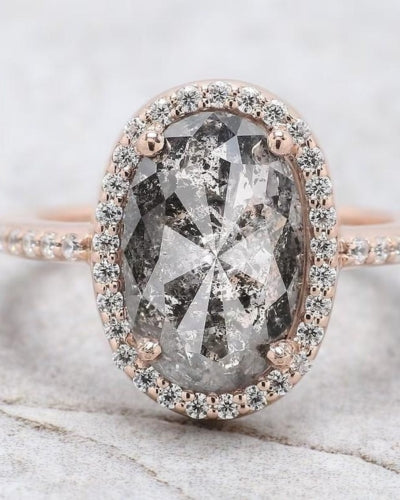
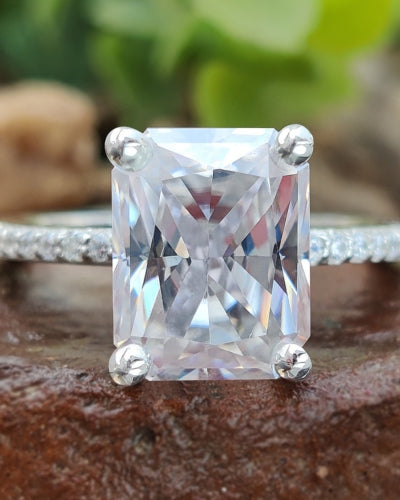
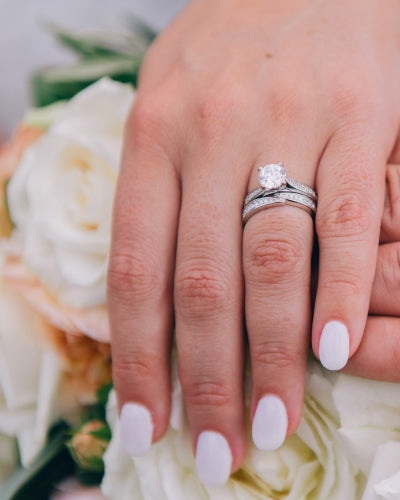
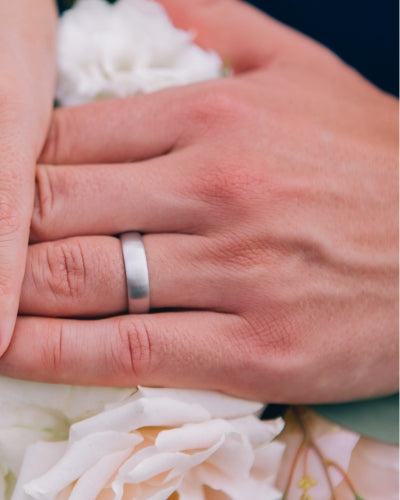
Luxury colored diamond engagement rings featuring pink green yellow and salt and pepper diamonds in contemporary gold settings

This complete guide explores the most popular colors, diamond shapes, metal combinations, settings, budgets, styling ideas, customization options, and practical buying considerations. The goal is simple: help you find an engagement ring that feels personal, looks beautiful, and suits your everyday life.
1. Why Are Colored Diamond Engagement Rings Becoming So Popular?
Colored diamond engagement rings offer something that traditional white diamond designs cannot always communicate: an immediate sense of personality. The color becomes part of the ring's identity, transforming a familiar piece of bridal jewelry into something distinctive.
Pink diamonds can feel romantic and expressive. Green diamonds may evoke nature, growth, and individuality. Yellow diamonds introduce warmth, while blue diamonds create a cooler, sophisticated appearance. Salt and pepper diamonds appeal to people who appreciate irregular patterns, smoky tones, and organic character.
Another attraction is versatility. Colored diamonds can look equally compelling in minimalist solitaire settings, vintage-inspired rings, modern bezel designs, or elaborate three-stone arrangements.
Jewelry that reflects personal identity
Many younger couples prefer to choose meaningful details rather than follow a single traditional formula. A diamond in a favorite color, an unusual geometric shape, or a custom setting can make an engagement ring feel connected to the wearer rather than a passing trend.
Individuality without sacrificing elegance
Distinctive does not have to mean extravagant. A small colored center stone in a clean gold setting can be subtle and refined. Conversely, a large pear-shaped diamond with a sculptural band can become a striking statement piece.
The strongest designs balance one or two distinctive features with a cohesive overall appearance.
2. The Gen Z Approach to Engagement Jewelry
Gen Z engagement ring style is not one fixed aesthetic. It includes minimalist luxury, vintage-inspired jewelry, alternative bridal looks, gender-inclusive designs, and experimental combinations of color and shape.
Personal meaning over rigid tradition
A ring might feature a stone that recalls a memorable trip, a favorite landscape, or a color shared by both partners. Others choose a design because it feels comfortable and authentic rather than because it follows conventional bridal expectations.
Vintage details with a modern finish
Antique-inspired rose cuts, milgrain edges, engraved bands, and geometric settings can create a romantic appearance. Pairing these details with a contemporary silhouette keeps the ring from feeling overly formal.
Minimalism with one distinctive feature
A simple solitaire setting allows the center stone to remain the focus. When the diamond itself has an unusual color or natural pattern, additional decoration may not be necessary.
Unconventional silhouettes
Hexagon, kite, shield, coffin, elongated cushion, and asymmetrical designs offer alternatives to familiar round stones. These shapes can feel architectural, artistic, or futuristic depending on the setting.
3. Popular Colored Diamond Options for Modern Engagement Rings
Colored diamonds span a broad spectrum, from subtle champagne and gray tones to vivid pink, green, yellow, and blue. Some stones have an even, consistent color, while others display natural inclusions or mixed tones that create a more individual appearance.
| Diamond color | Visual character | Style direction |
|---|---|---|
| Pink | Soft, romantic, expressive | Feminine, vintage, modern luxury |
| Green | Earthy, fresh, distinctive | Nature-inspired, editorial |
| Yellow | Warm, sunny, luminous | Bold, classic, contemporary |
| Blue | Cool, elegant, dramatic | Refined, sophisticated |
| Black | Deep, graphic, dramatic | Minimalist, alternative |
| Brown | Warm, earthy, understated | Bohemian, vintage, organic |
| Gray | Smoky, subtle, modern | Minimalist, architectural |
| Salt and pepper | Patterned, individual, textured | Artistic, unconventional |
Color names alone do not tell the entire story. Two green diamonds, for example, may look completely different depending on hue, saturation, tone, transparency, cut, and lighting. Always evaluate the actual stone rather than relying only on its category name.
4. Pink Diamond Engagement Rings: Romantic and Expressive
Pink diamond engagement ring in a delicate yellow gold setting with refined bridal styling
Pink diamond engagement rings are ideal for anyone who loves a romantic appearance with a distinctive twist. Depending on the stone, pink can range from a very light blush to a deeper rose tone.
Best settings for pink diamonds
- Yellow gold: Creates a warm, harmonious appearance.
- Rose gold: Emphasizes soft pink tones and a romantic aesthetic.
- White gold or platinum: Offers a cooler contrast that can make the center stone stand out.
- Hidden halo: Adds a decorative detail without changing the clean appearance from above.
Who should choose pink?
Pink suits people who want a ring that feels romantic but not entirely conventional. A pale pink oval can be delicate and understated, while a stronger pink pear or radiant cut creates a more dramatic effect.
Pink diamonds can be rare and expensive, particularly when natural color is strong and desirable. Lab-grown alternatives may provide additional choices, but the origin and treatment status of any stone should be disclosed clearly.
5. Green Diamond Engagement Rings: Nature-Inspired Luxury
Green diamond engagement ring in a refined gold setting inspired by natural colors and contemporary luxury
Green diamond engagement rings offer a distinctive balance between earthy character and refined luxury. Depending on the stone, green can appear pale and muted, olive-toned, mossy, or richly saturated.
Why green works so well in jewelry
Green pairs naturally with warm gold, soft champagne tones, ivory clothing, and neutral wardrobe colors. It can look understated in a slim solitaire setting or bold when combined with a geometric center stone.
Choosing a green diamond shape
- Oval: Softens the appearance and creates an elongated silhouette.
- Emerald cut: Creates a structured, elegant look with broad step-cut facets.
- Hexagon: Introduces a modern geometric outline.
- Round rose cut: Offers a flatter profile and broad triangular facets.
- Pear: Adds movement and a graceful tapered shape.
Natural green color requires careful evaluation
Natural green diamonds can be uncommon, and some owe their color to natural radiation exposure. Color origin and treatment can be complex, so independent gemological documentation is valuable when purchasing a significant stone. A green appearance alone does not establish that a diamond's color is natural or untreated.
For shoppers interested in exploring different center-stone styles, browse the diamond engagement ring collection for design inspiration.
6. Yellow Diamond Engagement Rings: Warmth and Radiance
Yellow diamond engagement ring with warm gold metal and elegant minimalist styling
Yellow diamonds bring warmth and visual energy to an engagement ring. Their appearance can range from pale champagne to rich golden yellow, depending on the stone's color characteristics.
Metal combinations for yellow diamonds
Yellow gold creates a cohesive, warm appearance, while white metals provide contrast. Rose gold can add another warm dimension, particularly when the center stone has a softer honey or champagne tone.
Best cuts for a yellow center stone
Radiant and cushion cuts are popular choices for people who want a lively, faceted appearance. Oval and pear shapes create a more elongated silhouette, while emerald cuts offer a clean, architectural style.
Do not judge a yellow diamond by color alone. Compare brightness, facet pattern, transparency, visible inclusions, and face-up appearance. A stronger color is not automatically the best choice if the overall stone does not appeal to you.
7. Blue Diamond Engagement Rings: Cool, Refined, and Distinctive
Blue diamonds offer a sophisticated alternative to conventional white stones. Depending on hue and intensity, they can appear icy, steel-blue, deep blue, or subtly gray-blue.
Styling blue diamonds
White metals often create a crisp, cool aesthetic. Yellow gold introduces warmth and contrast, while a simple solitaire setting allows the blue center stone to remain the main attraction.
Questions to ask before buying
- Is the blue color natural, treated, or laboratory-created?
- Is the stone a diamond rather than a different blue gemstone?
- Is there documentation supporting the stated origin and treatment status?
- Does the diamond maintain an attractive appearance in different lighting?
Blue diamonds with strong natural color can command substantial prices. If a blue stone is described as natural, request suitable documentation rather than relying on the color description alone.
8. Salt and Pepper Diamond Engagement Rings: Beauty in Imperfection
Salt and pepper diamond engagement ring featuring distinctive black and gray inclusions in a contemporary gold setting
Salt and pepper diamonds have become a recognizable choice for alternative engagement jewelry. Their gray, black, and sometimes translucent patterns create a distinctive appearance that can feel organic, moody, and artistic.
What makes salt and pepper diamonds different?
The term commonly describes diamonds with visible internal inclusions and a mixed appearance rather than a uniform color. These features can create cloudy areas, speckles, dark patches, or striking patterns that differ from stone to stone.
Why Gen Z shoppers may love them
- Each stone can have a distinctive internal pattern.
- Gray and black tones complement a broad range of metals.
- Unusual shapes enhance their artistic character.
- They suit minimalist, vintage, industrial, and nature-inspired styles.
- They provide an alternative to the conventional clear center stone.
Popular salt and pepper diamond shapes
Rose-cut stones are popular for their broad facets and relatively low profile. Hexagon and kite shapes create an angular, contemporary appearance. Pear and oval shapes offer a softer outline, while shield and coffin shapes suit bolder, unconventional designs.
Understand inclusions before purchasing
Inclusions are part of the stone's identity, but not every included diamond has the same structural integrity. Ask whether visible features reach the surface, whether fractures may affect durability, and whether the proposed setting protects vulnerable areas.
For inspiration, explore the salt and pepper diamond engagement ring collection.
9. Black, Gray, and Brown Diamond Engagement Rings
Black diamonds: Strong contrast
Black diamond engagement rings offer a dramatic, graphic appearance. They pair particularly well with yellow gold, white metals, and clean geometric settings. A polished black stone can create a striking contrast against a bright metal band.
Black diamonds may be natural, treated, or laboratory-created. Treatment disclosure is important because appearance alone cannot reliably identify a stone's origin.
Gray diamonds: Quiet sophistication
Gray diamonds work beautifully in minimalist designs. Their subdued appearance complements cool metals and soft gold tones. A gray oval or rose-cut center stone can look distinctive without appearing excessively bold.
Brown diamonds: Earthy warmth
Brown diamonds range from pale champagne to deep cognac-like tones. They suit vintage-inspired settings, warm gold, engraved bands, and organic design details.
How to choose among darker colors
Choose black for high contrast, gray for understated modernity, and brown for warmth. If the diamond contains prominent inclusions, examine its transparency and durability in addition to its color.
10. The Best Diamond Shapes for a Gen Z Engagement Ring
Diamond shape changes the entire personality of a ring. The outline affects finger coverage, proportions, the way light interacts with the stone, and the overall balance of the setting.
| Shape | Visual impression | Design pairing |
|---|---|---|
| Round | Balanced and timeless | Solitaire or pavé |
| Oval | Soft and elongated | Delicate prongs or hidden halo |
| Pear | Expressive and graceful | Solitaire or asymmetrical band |
| Emerald | Clean and architectural | Minimal bezel or classic prongs |
| Radiant | Geometric and lively | Contemporary solitaire |
| Hexagon | Angular and modern | Bezel or double prongs |
| Kite | Artistic and unconventional | North-south or east-west setting |
| Rose cut | Soft, broad, and vintage-inspired | Low-profile bezel |
| Shield | Bold and sculptural | Protective custom setting |
| Cushion | Soft corners and vintage appeal | Halo or solitaire |
Round and oval: Versatile choices
Round stones suit almost any design direction. Ovals can create an elongated appearance and work well with slim bands, although the final visual effect depends on the stone's proportions and the wearer's hand.
Hexagon, kite, and shield: Alternative silhouettes
Angular shapes can make a colored diamond feel even more distinctive. They also require thoughtful setting design because pointed corners may need extra protection.
Rose cuts: A vintage-inspired alternative
Rose cuts typically have a domed crown with triangular facets and a flatter base. They often produce a different visual effect from modern brilliant cuts, emphasizing broad reflections rather than the same bright, high-sparkle appearance. Their look can be especially appealing in salt and pepper and gray diamonds.
Explore additional silhouettes in the ring and jewelry collections.
11. Modern Engagement Ring Settings That Highlight Colored Diamonds
Solitaire settings
A solitaire keeps attention on the center stone. It is a strong option when the diamond already has a striking color, unusual outline, or distinctive inclusion pattern.
Bezel settings
A bezel surrounds the stone's perimeter with metal. This can provide useful protection and create a clean, contemporary look. The bezel must be designed for the specific shape and proportions of the diamond.
Halo settings
A halo places smaller stones around the center diamond. It can increase the visual footprint of the ring and introduce additional sparkle. For a colored center stone, a white-diamond halo can create contrast, while a more restrained halo can preserve a minimalist aesthetic.
Pavé bands
Pavé settings use small stones along part of the band. They add detail but require maintenance because small stones and their settings can be vulnerable to wear.
Three-stone settings
A three-stone design can combine a colored center diamond with complementary side stones. White diamonds may emphasize the center color, while smaller colored stones can create a coordinated look.
East-west settings
In an east-west setting, an elongated stone is positioned horizontally across the finger. This can create a modern appearance with oval, marquise, emerald, or certain geometric shapes.
Engagement ring setting comparison infographic showing solitaire bezel halo pavé and three-stone colored diamond designs
Setting tip: The setting should complement the stone's proportions and protect any vulnerable edges. Ask a qualified jeweler to confirm that the design is appropriate for daily wear.
12. Choosing the Right Metal for Your Colored Diamond
Metal color changes how a diamond is perceived. A warm metal may visually harmonize with yellow or brown stones, while a cooler metal can create contrast against pink, green, or blue diamonds.
| Metal | Overall look | Considerations |
|---|---|---|
| Yellow gold | Warm and classic | Alloy purity affects color and hardness |
| Rose gold | Romantic and soft | Copper content influences the pink tone |
| White gold | Cool and contemporary | May require periodic rhodium replating |
| Platinum | Cool-toned and substantial | Higher density and different maintenance needs |
| Mixed metals | Contrasting and modern | Requires a cohesive design and compatible construction |
Match the metal to the diamond, not just the trend
Try to view the center stone beside the intended metal color. A combination that looks beautiful in a digital mockup may appear different under natural daylight or indoor lighting.
Consider skin tone and personal preference
Warm, cool, and neutral skin undertones can be useful starting points, but they are not strict rules. Personal taste, existing jewelry, and everyday wardrobe colors are often more useful guides.
For a cohesive appearance, consider whether your engagement ring should match your wedding band or intentionally contrast with it.
13. Natural Versus Lab-Grown Colored Diamonds
Natural and laboratory-grown diamonds can share the same fundamental diamond composition and crystal structure. Their origins differ, and that distinction matters when comparing price, rarity, documentation, and personal preference.
Natural colored diamonds
Natural diamonds formed through geological processes. Their color may result from trace elements, structural features, or other natural processes. Some natural fancy-color diamonds are rare and can be expensive, especially when their color is strong and desirable.
Lab-grown colored diamonds
Lab-grown diamonds are created through controlled manufacturing processes. Their color may be produced or modified through growth conditions or subsequent treatments. They can offer a different price and availability profile from comparable natural stones.
Comparison table
| Factor | Natural diamond | Lab-grown diamond |
|---|---|---|
| Origin | Geological formation | Controlled laboratory production |
| Physical identity | Diamond | Diamond |
| Price | Varies widely; rare colors may be costly | Often lower for comparable specifications |
| Availability | Depends on natural supply and rarity | Depends on production and market supply |
| Documentation | Useful for origin, grading, and treatment details | Useful for origin, grading, and treatment details |
| Resale expectations | Not guaranteed; depends on market factors | Not guaranteed; depends on market factors |
What about treated diamonds?
Some diamonds receive treatments to change or improve their color. A treated diamond may still be a diamond, but the treatment should be disclosed. Treatment can affect value, care requirements, and purchasing decisions.
Always compare like with like. Natural, lab-grown, and treated stones should not be presented as equivalent products without clear descriptions of their origin and characteristics.
14. Planning Your Colored Diamond Engagement Ring Budget
There is no universal price for a colored diamond engagement ring. The cost depends on the diamond's origin, color, size, cut, clarity, treatment status, setting, metal, craftsmanship, and documentation.
Start with a comfortable total budget
Decide what you can comfortably spend before comparing individual rings. An engagement ring should not require unnecessary debt or financial pressure. There is no mandatory spending formula for expressing commitment.
Allocate the budget strategically
- Choose the center stone based on color, appearance, and structural suitability.
- Compare several settings that complement the same stone.
- Consider different carat weights and measurements rather than focusing on carat alone.
- Account for taxes, shipping, resizing, insurance, and future maintenance where applicable.
- Ask whether the quoted price includes all stones, the selected metal, and customization.
Understand carat weight and visual size
Carat measures weight, not the exact diameter or face-up dimensions. Different shapes distribute weight differently, so two stones with the same carat weight can appear noticeably different in size.
Look for value rather than the lowest price
A low price may reflect differences in color, transparency, treatment, origin, documentation, craftsmanship, or structural quality. Compare detailed specifications and ask questions before deciding.
15. Ethical and Responsible Colored Diamond Buying
Responsible purchasing means understanding the product rather than relying on broad marketing phrases. Claims such as ethical, sustainable, conflict-free, natural, and untreated should be supported by information appropriate to the specific diamond.
Ask about origin and supply-chain information
Request any available information about sourcing, supplier practices, and documentation. The amount of traceability varies by stone and seller, so avoid assuming that every diamond has a complete, independently verified history.
Understand environmental claims
Mining and laboratory production have different environmental impacts. Their overall effects depend on factors such as energy sources, mining practices, manufacturing processes, transportation, and supply-chain management. Broad claims should be evaluated against specific evidence.
Check treatment disclosures
Color treatments can materially affect a diamond's value and care. Ask for a written description of whether the stone is natural or lab-grown and whether any color or clarity treatments are present.
Request suitable documentation
For expensive or unusual colored diamonds, independent gemological reports can help establish important characteristics. Check that the report identifies the correct stone and addresses the questions that matter for your purchase.
16. Step-by-Step Guide to Buying a Colored Diamond Engagement Ring
Use this practical sequence to move from inspiration to a confident purchase.
Step 1: Identify your preferred color
Choose two or three colors that appeal to you. Consider whether you prefer a subtle shade, a bold hue, or a naturally patterned appearance.
Step 2: Choose your diamond origin
Decide whether you prefer natural or lab-grown diamonds. If considering treated stones, make sure you understand the treatment and its implications.
Step 3: Select a shape
Compare round, oval, pear, emerald, cushion, radiant, hexagon, kite, and other shapes. Use actual stone images or videos when possible.
Step 4: Establish the budget
Set a realistic spending limit and identify which features are non-negotiable. Leave room for the setting and future care.
Step 5: Compare individual stones
Review color distribution, transparency, visible inclusions, cut quality, measurements, and appearance under different lighting. Ask for clear photographs or video of the actual stone.
Step 6: Select a setting
Choose a setting that suits the diamond shape and offers appropriate protection. Consider a bezel for a clean outline, a solitaire for simplicity, or a halo for additional visual detail.
Step 7: Confirm the metal
Compare yellow gold, rose gold, white gold, platinum, and mixed-metal options. Confirm the exact alloy and purity rather than assuming that all gold settings are identical.
Step 8: Confirm sizing and comfort
Determine the correct ring size and consider band width, height, and how the setting sits on the finger. If the ring is a surprise, use a discreet and reliable sizing method.
Step 9: Review the final specifications
Confirm the stone's identity, color description, origin, treatment disclosure, measurements, metal, setting, engraving, and total price in writing.
Step 10: Review the policies before ordering
Check production timelines, shipping arrangements, returns, resizing, repairs, warranties, and any customization restrictions. Keep invoices and reports in a safe place.
Step-by-step infographic for choosing colored diamond engagement rings from color and shape to setting sizing and documentation

17. Personalizing Your Engagement Ring
Customization allows couples to create a ring that reflects their preferences instead of choosing every detail from a standard design.
Choose a meaningful center stone
A diamond's color, shape, or pattern can become the defining feature. A green hexagon might represent a love of nature, while a salt and pepper pear may appeal to someone who appreciates irregular beauty.
Explore distinctive band designs
Consider a tapered band, knife-edge profile, split shank, engraved surface, or a subtle asymmetrical detail. These choices can make the ring distinctive without distracting from the center stone.
Add a private personal detail
Inside-band engraving can include initials, a meaningful date, a short phrase, or a symbol. Keep the inscription legible and ensure it does not interfere with sizing or structural integrity.
Consider a coordinated wedding band
A straight band may sit neatly against a solitaire, while an angled or curved band may be better for an elaborate setting. Plan both rings together if a seamless fit is important.
Ready to explore a personalized design? Visit the design-your-own engagement ring page to review customization possibilities.
Explore Ring Builder18. How to Style Colored Diamond Engagement Rings
A colored diamond can be the focal point of an outfit or a subtle accent within a coordinated jewelry look. The right approach depends on the ring's color intensity, size, setting, and your personal style.
Minimal everyday outfits
Neutral clothing in ivory, beige, gray, black, and navy can create a calm backdrop for a colorful center stone. A simple ring often works particularly well with understated outfits.
Romantic and vintage-inspired styling
Pink, champagne, and brown diamonds complement soft fabrics, delicate textures, and vintage-inspired accessories. An antique-style setting can reinforce this aesthetic.
Contemporary and street-style looks
Black, gray, blue, and geometric green diamonds can pair with structured clothing, clean silhouettes, and mixed-metal accessories. Strong shapes can work well with minimalist outfits.
Mixing rings and stacking bands
Stacking can add personality, but avoid overcrowding the center stone. Varying band widths and finishes can create visual interest while maintaining balance.
Matching jewelry without making everything identical
Your ring does not need to match every necklace or earring. Repeating one metal tone or one color family can create cohesion while leaving room for individual expression.
19. Comfort, Durability, and Everyday Wear
Diamond is highly resistant to scratching, but that does not make every diamond ring indestructible. Diamonds can chip, and settings can loosen or bend. Shape, inclusions, exposure, and construction all influence practical durability.
Protect pointed corners
Marquise, pear, kite, and shield shapes may have vulnerable points. Protective prongs or a suitable bezel can help reduce exposure to accidental knocks.
Consider ring height
High settings can catch on clothing and may be less comfortable for people who frequently use their hands. A lower-profile design may be preferable for active daily routines.
Choose an appropriate band width
Very slim bands can look delicate but may be more susceptible to deformation, depending on the alloy and construction. Discuss the appropriate dimensions with the jeweler.
Think about your lifestyle
People who work with their hands, lift weights, handle equipment, or participate in contact sports may prefer to remove their rings during those activities. Avoid wearing valuable jewelry where it could be damaged, lost, or create a safety hazard.
20. How to Clean and Care for Colored Diamond Rings
Regular care helps preserve the appearance of your ring and allows you to identify potential setting problems before a stone becomes loose.
Clean gently
For many diamond rings, lukewarm water, mild dish soap, and a soft brush are suitable for routine cleaning. However, the correct method depends on the metal, setting, treatments, and any additional gemstones.
Avoid harsh cleaning methods
Do not assume that strong chemicals, abrasive cleaners, or ultrasonic cleaning are appropriate for every ring. Fracture-filled, coated, treated, or heavily included stones may require additional caution. Follow the jeweler's care instructions.
Inspect the setting regularly
Look for bent prongs, loose stones, cracks, worn areas, or unusual movement. If anything seems loose, stop wearing the ring and have it assessed by a qualified jeweler.
Store the ring separately
Diamonds can scratch other jewelry, and other diamonds can scratch each other. Store rings in individual soft-lined compartments or suitable protective pouches.
Arrange professional maintenance
Periodic inspections can identify wear before it becomes serious. The appropriate inspection schedule depends on how often the ring is worn, its setting, and its condition.
21. Common Mistakes to Avoid When Buying Colored Diamonds
Mistake 1: Choosing from color alone
Color is important, but transparency, cut, pattern, and structural condition also affect a diamond's beauty and suitability. Evaluate the complete stone.
Mistake 2: Assuming every colored diamond is natural
A colored diamond may be natural, lab-grown, or treated. Request clear disclosure and suitable documentation.
Mistake 3: Focusing only on carat weight
Measurements and shape determine much of the visible appearance. Compare the stone's actual dimensions and face-up look.
Mistake 4: Overlooking setting security
An attractive setting is not enough if it leaves vulnerable corners exposed or does not hold the stone securely. Ask how the setting protects the specific diamond.
Mistake 5: Ignoring comfort
A ring can look beautiful in photographs but feel awkward in everyday life. Consider height, band width, edges, and how it sits beside other rings.
Mistake 6: Trusting unsupported claims
Descriptions such as rare, investment-grade, ethical, or untreated should be supported by relevant details. Do not assume that a diamond will appreciate in value.
Mistake 7: Forgetting aftercare
Understand cleaning, maintenance, resizing, repair, and return policies before completing the purchase.
22. Colored Diamond Engagement Ring Comparison Chart
Use this quick comparison to narrow your choices before reviewing individual stones.
| Your priority | Styles to explore | What to evaluate |
|---|---|---|
| Romantic appearance | Pink, champagne, rose gold | Color harmony and proportions |
| Nature-inspired design | Green, brown, salt and pepper | Color distribution and inclusions |
| Modern minimalism | Gray, black, blue, solitaire | Clean silhouette and comfort |
| Vintage character | Rose cut, cushion, engraved bands | Setting detail and craftsmanship |
| Architectural style | Emerald, hexagon, kite, shield | Corner protection and proportions |
| Additional sparkle | Brilliant cuts, pavé, halo | Stone quality and setting security |
| Custom design | Unusual color-shape combinations | Feasibility, cost, and production time |
Pros and cons of colored diamond engagement rings
| Advantages | Considerations |
|---|---|
| Distinctive personal expression | Some colors can be difficult to source |
| Wide range of visual styles | Color appearance changes with lighting |
| Works with many metal tones | Metal and setting selection need care |
| Custom designs can be highly individual | Custom production may require additional time |
| Natural patterns can be visually unique | Inclusions may affect durability or transparency |
| Different origins and price levels are available | Origin and treatment disclosure are essential |
23. Three Illustrative Colored Diamond Ring Style Examples
The following examples are hypothetical design scenarios intended to demonstrate how color, shape, metal, and setting can work together. They are not claims about specific customers or verified purchases.
Example A: The minimalist green diamond ring
Design: A green oval center stone in a slim yellow gold solitaire setting.
Style goal: Understated luxury with a distinctive center color.
Why it works: The simple band leaves the stone visually prominent, while warm gold complements the overall color palette. A lower-profile setting could improve comfort for everyday wear.
Important checks: Confirm the stone's origin and treatment status, inspect its color distribution, and ensure the setting protects the stone appropriately.
Example B: The alternative salt and pepper ring
Design: A hexagonal salt and pepper diamond in a protective bezel with a polished rose gold band.
Style goal: Artistic, modern jewelry with a distinctive internal pattern.
Why it works: The geometric outline reinforces the stone's unconventional character, while the warm metal softens the contrast of the gray and black inclusions.
Important checks: Review the actual inclusion pattern, ask about structural concerns, and confirm that the bezel is engineered for the stone's proportions.
Example C: The romantic pink diamond ring
Design: A blush-colored pear center stone with a delicate white-metal band and discreet accent stones.
Style goal: Romantic elegance with a contemporary silhouette.
Why it works: The pear shape creates a graceful outline, while the restrained band prevents the design from becoming visually crowded.
Important checks: Compare the actual color in different lighting, confirm the stone's origin and treatments, and ensure the pointed end is protected.
What these examples teach us
There is no single winning combination. The most successful design depends on how the center stone, setting, metal, and wearer's preferences work together. A carefully selected simple ring can be just as expressive as an elaborate custom design.
24. How to Design a Custom Colored Diamond Engagement Ring
Custom design is useful when you have a clear idea of the color or shape you want but cannot find the right combination in a ready-made ring.
Begin with a design brief
Write down your preferred diamond color, shape, approximate size, metal, budget, and setting style. Include a description of your daily activities and any comfort requirements.
Choose the center stone before finalizing the setting
The actual diamond's dimensions, depth, and outline influence the setting. Choosing the stone first can help the jeweler create a more precise and secure design.
Review sketches and specifications
Ask for the proposed dimensions, metal details, setting construction, and placement of any accent stones. Confirm whether a digital rendering or physical sample is available and what it represents.
Confirm the finished design in writing
Document the diamond origin, treatment disclosures, measurements, metal purity, ring size, price, production schedule, and applicable policies. Keep the approved specifications for future maintenance.
Explore customization options
If you want a ring tailored to your preferences, use the custom engagement ring design page to explore possible combinations of diamond type, shape, color, metal, and budget.
Start Your Custom DesignSuggested infographic for your Shopify article
Custom engagement ring design infographic showing center stone selection metal choice setting design ring sizing and final inspection
Image asset placeholder: Replace this path with the final uploaded WebP infographic before publishing.
25. Final Thoughts: Find a Colored Diamond That Feels Like You
Colored diamond engagement rings offer an exciting way to move beyond conventional bridal jewelry while preserving the meaning and elegance of an engagement ring. Pink and yellow diamonds can feel warm and romantic, green and blue stones introduce distinctive color, and black, brown, gray, and salt and pepper diamonds provide a more unconventional aesthetic.
For Gen Z couples, the most compelling choice is not necessarily the rarest, largest, or most expensive diamond. It is the ring that reflects personal style, fits comfortably, suits the budget, and offers the right balance of beauty and practicality.
Start by identifying your favorite color and shape. Compare actual stones, understand their origin and treatment status, select a suitable setting, and verify the final specifications before purchasing. If you have a particular vision, customization can help turn that idea into a cohesive design.
Your engagement ring can be timeless without looking traditional. It can be minimal without feeling ordinary. And it can be colorful without losing its elegance.
Ready to explore your options? Browse diamond engagement rings, explore available jewelry collections, or begin planning a personalized design.
Explore Engagement RingsFrequently Asked Questions About Colored Diamond Engagement Rings
1. What is a colored diamond engagement ring?
A colored diamond engagement ring features a diamond with a noticeable hue beyond the conventional colorless appearance. Popular options include pink, yellow, green, blue, black, brown, gray, and salt and pepper diamonds. The stone may be natural, lab-grown, or treated, so origin and treatment disclosures matter.
2. Are colored diamond engagement rings suitable for everyday wear?
Yes, many are suitable for everyday wear when the diamond and setting are appropriate for the intended use. The diamond's structural condition, shape, inclusions, setting security, and band construction all matter. Pointed shapes may need additional protection, and rings should be inspected regularly.
3. Which colored diamond is best for an engagement ring?
There is no universal best color. Pink suits romantic styles, green offers nature-inspired character, yellow creates warmth, and blue provides a cooler appearance. Salt and pepper, black, gray, and brown diamonds appeal to people who prefer distinctive or unconventional jewelry. Choose according to personal taste and budget.
4. Are colored diamonds more expensive than white diamonds?
Price depends on the stone's origin, color, intensity, size, cut, clarity, treatment status, and documentation. Some natural fancy-color diamonds can be extremely expensive, while other colored stones and lab-grown options may be available at different price levels. Compare individual stones rather than assuming one category always costs more.
5. What are salt and pepper diamonds?
Salt and pepper diamonds are diamonds with visible inclusions that create a mixed gray, black, and sometimes translucent appearance. Their patterns can vary considerably. Before purchasing one, assess its transparency, structural integrity, inclusion characteristics, and suitability for the intended setting.
6. Should I choose a natural or lab-grown colored diamond?
The decision depends on your preferences, budget, and priorities. Natural diamonds have a geological origin, while lab-grown diamonds are produced under controlled conditions. Both should be described accurately, and any treatments should be disclosed. Compare origin, appearance, specifications, documentation, and price before deciding.
7. Which metal looks best with colored diamonds?
Yellow gold often complements warm yellow and brown tones, while rose gold can create a romantic look with pink or champagne stones. White gold and platinum provide a cooler contrast. Green, blue, gray, and salt and pepper diamonds can work with several metals, depending on the desired appearance.
8. Which diamond shape is most fashionable for Gen Z engagement rings?
Popular style directions include oval, pear, emerald, radiant, cushion, hexagon, kite, and rose cuts. However, fashion is personal, and no shape is mandatory. Consider the diamond's appearance, the wearer's preferences, finger proportions, setting design, and daily comfort.
9. How can I verify whether a colored diamond is natural?
Ask for clear origin and treatment disclosures and, where appropriate, an independent gemological report. Check that the documentation identifies the actual stone and addresses relevant characteristics. Visual inspection alone cannot reliably establish whether a diamond's color is natural, treated, or associated with laboratory production.
10. Do colored diamonds hold their value?
Resale value is not guaranteed. It depends on market demand, origin, color, quality, documentation, treatment status, purchase price, and selling conditions. Buy an engagement ring primarily for its meaning and appearance rather than assuming it will appreciate in value.
11. How should I clean a colored diamond engagement ring?
For many rings, lukewarm water, mild dish soap, and a soft brush can be suitable. However, treatments, inclusions, accent stones, and setting construction may require special care. Follow the jeweler's instructions, avoid harsh chemicals, and seek professional advice if you are unsure about a cleaning method.
12. Can I customize a colored diamond engagement ring?
Yes. Depending on availability and design feasibility, customization may include the center-stone color, shape, size, metal, setting, band profile, accent stones, and engraving. Start with a clear budget and design brief, then confirm the final specifications, production timeline, and policies before approving the order.
13. Are green diamond engagement rings always naturally green?
No. A green-looking diamond may be naturally colored, treated, or laboratory-grown. Color appearance alone does not establish its origin or treatment history. Ask the seller for an accurate description and suitable documentation, especially when purchasing a valuable stone.
14. Are black diamond engagement rings real diamonds?
Black diamonds can be genuine diamonds, but their origin and color treatment can vary. Some are naturally dark, while others receive treatments that alter their appearance. Confirm the stone's identity, origin, and treatment status before purchasing.
15. How do I choose the right ring size for a surprise proposal?
Use a properly fitting ring as a reference if available, or discreetly seek sizing guidance from a trusted person. Remember that ring width, setting design, temperature, and finger shape can influence fit. Ask about resizing options and any restrictions before ordering a customized ring.
16. Can colored diamonds be paired with white diamond accents?
Yes. White diamond accents can create contrast around a colored center stone, add sparkle, or form a three-stone design. The choice depends on the desired appearance and budget. Ensure that the setting is well constructed and that all accent stones are clearly described.
17. What should I check before ordering a custom ring online?
Confirm the diamond origin, treatment disclosures, shape, measurements, metal purity, ring size, setting specifications, total price, production timeline, shipping arrangements, returns, resizing, and repair policies. Request photographs or video of the actual stone where possible, and retain the final order details.
18. How can I find an engagement ring that matches my personal style?
Begin with the colors and shapes you naturally gravitate toward. Decide whether you prefer minimalism, vintage details, bold geometry, or extra sparkle. Then compare a few metal and setting combinations while keeping comfort, durability, budget, and the stone's documented characteristics in mind.


Laisser un commentaire
Ce site est protégé par hCaptcha, et la Politique de confidentialité et les Conditions de service de hCaptcha s’appliquent.