
Everything You Need to Know Before Buying Natural Diamond Jewelry
Luxury natural diamond jewelry buying guide with diamond ring, earrings, and pendant

Natural diamond jewelry is more than a beautiful purchase. It is a personal decision, a style investment, a symbol of love, and often a piece that becomes part of a family story. Whether you are choosing a natural diamond engagement ring, a pair of diamond earrings, a pendant, or a custom-made design, the best purchase begins with knowledge.
Many buyers fall in love with sparkle first, but the smartest buyers look deeper. They compare diamond shape, cut quality, clarity, color, carat weight, metal type, setting style, comfort, durability, and after-sale support. A diamond may look impressive in a photo, but the right natural diamond jewelry should also feel secure, suit your lifestyle, match your personal taste, and be crafted to last.
This complete natural diamond jewelry buying guide is designed to help you understand every important detail before you purchase. It includes step-by-step guidance, comparison charts, practical examples, case studies, expert-style experience notes, checklists, FAQs, and clear buying tips.
If you are ready to explore beautiful designs while reading, browse diamond jewelry collections, discover oval cut diamond engagement rings, or start a personal design through custom engagement ring design.
Explore Diamond JewelryTable of Contents
- What Natural Diamond Jewelry Means
- What to Know Before Buying
- The 4Cs of Natural Diamonds
- Diamond Shapes and Style
- Why Cut Quality Matters
- Clarity and Inclusions
- Diamond Color Guide
- Carat Weight and Size
- Jewelry Settings
- Choosing Metal Type
- Rings, Earrings, Pendants, and More
- Budget Planning
- Step-by-Step Buying Guide
- Comparison Charts
- Pros and Cons
- Common Mistakes
- Real Buying Examples
- Custom Natural Diamond Jewelry
- Care and Maintenance
- FAQs
1. What Natural Diamond Jewelry Means
Natural diamond jewelry is made with diamonds formed by nature over a very long period of time. Each natural diamond has its own personality, growth pattern, internal characteristics, and visual identity. This is why two natural diamonds with the same basic grade can still look different in real life.
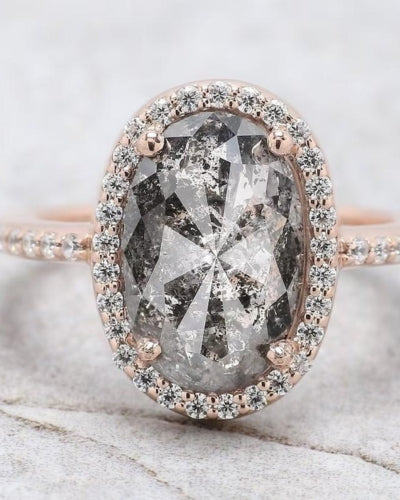
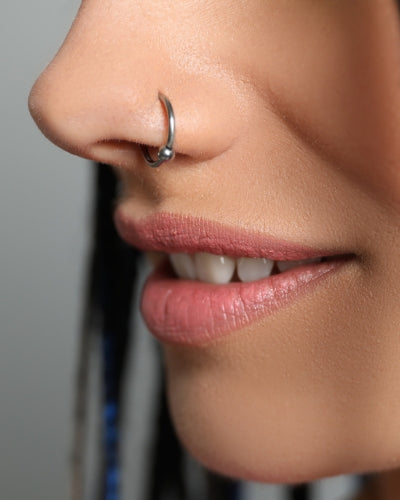
Natural diamond jewelry may include engagement rings, wedding bands, earrings, pendants, bracelets, nose rings, and custom fine jewelry. The diamond can be classic white, salt and pepper, brown, black, champagne, gray, yellow-toned, or uniquely included. The beauty of natural diamonds lies in their individuality.
Why Buyers Choose Natural Diamond Jewelry
- Natural origin and timeless emotional value
- Unique character from one diamond to another
- Classic luxury appeal for engagement and fine jewelry
- Wide variety of shapes, cuts, colors, and styles
- Strong symbolism for love, commitment, and milestones
Natural Diamond Jewelry Is Not One-Style-Fits-All
Some buyers prefer clean, bright, classic stones. Others love rustic salt and pepper diamonds, warm brown diamonds, rose cut diamonds, or unique shapes such as hexagon, kite, shield, pear, marquise, and oval. Before buying, decide whether you want traditional brilliance, vintage charm, modern minimalism, or one-of-a-kind character.
2. What to Know Before Buying Natural Diamond Jewelry
Before purchasing natural diamond jewelry, you should know the purpose of the piece, how often it will be worn, your preferred style, your budget, and the level of maintenance you are comfortable with. A daily engagement ring requires different durability considerations than an occasional pendant.
Ask These Questions First
- Is this jewelry for daily wear or special occasions?
- Do I prefer classic sparkle or unique natural character?
- Which metal tone suits the wearer: yellow, white, rose, or two-tone?
- Do I want a ready design or a custom piece?
- Is the ring size, chain length, earring style, or bracelet size confirmed?
- Do I need shipping, resizing, or custom support?
For practical purchase support, check the FAQ page, review the shipping policy, or send a design request through the custom ring design page.
3. The 4Cs of Natural Diamonds
The 4Cs are cut, color, clarity, and carat weight. These four factors help describe diamond quality, but they do not tell the entire story. Real beauty also depends on diamond shape, proportions, symmetry, setting, metal color, and personal preference.
| Diamond Factor | What It Means | Why It Matters |
|---|---|---|
| Cut | How well the diamond is shaped and faceted | Controls sparkle, brightness, and visual life |
| Color | How colorless or tinted the diamond appears | Affects overall tone and metal pairing |
| Clarity | Natural internal or surface characteristics | Impacts transparency and visible cleanliness |
| Carat | Diamond weight | Influences size appearance and price |
How to Use the 4Cs Correctly
The mistake many buyers make is treating the 4Cs like a strict scorecard. In reality, the best diamond is the one that balances beauty, budget, wearability, and style. For example, a rose cut salt and pepper diamond is not purchased for flawless clarity. It is chosen for personality, mood, pattern, and romantic character.
4. Diamond Shapes and Style
Diamond shape has a powerful effect on the personality of the jewelry. Round diamonds feel timeless. Oval diamonds look elegant and elongated. Pear diamonds are romantic. Emerald cuts feel refined. Marquise diamonds look bold. Hexagon, kite, shield, coffin, and triangle diamonds feel modern and artistic.
Natural diamond shape comparison chart for rings and jewelry
Popular Natural Diamond Shapes
- Round: Classic, brilliant, balanced, and timeless.
- Oval: Elegant, flattering, and visually elongating.
- Pear: Romantic teardrop shape with graceful movement.
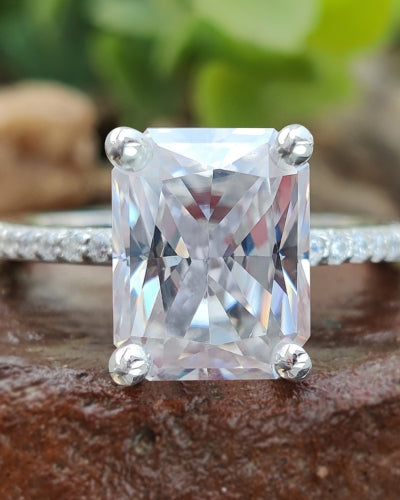
- Emerald: Step-cut beauty with clean, refined lines.
- Marquise: Dramatic shape that creates a larger look.
- Cushion: Soft corners with vintage-inspired charm.
- Hexagon: Modern geometric look with unique appeal.
- Shield: Bold, distinctive, and fashion-forward.
If you love elongated elegance, explore oval diamond engagement rings. For earrings, browse diamond earrings. For necklace styling, view diamond pendants.
5. Why Cut Quality Matters
Cut quality is one of the most important beauty factors in natural diamond jewelry. A well-cut diamond reflects light beautifully, giving the piece brightness, sparkle, and life. A poorly cut diamond may look dull even if it has good color and clarity.
Cut Is Not the Same as Shape
Shape refers to the outline, such as oval, pear, round, or marquise. Cut refers to the craftsmanship of the facets, proportions, depth, table, polish, and symmetry. A diamond can be oval in shape but still have strong or weak cut quality.
What to Look For
- Balanced proportions
- Even sparkle across the stone
- No overly dark center unless part of the natural style
- Attractive face-up appearance
- Good symmetry for the selected shape
6. Clarity and Natural Inclusions
Clarity describes the natural internal features and surface characteristics of a diamond. Some diamonds have very few visible inclusions, while others show beautiful natural patterns. In modern fine jewelry, included diamonds such as salt and pepper stones are loved for their uniqueness.
Eye-Clean vs Character Diamonds
An eye-clean diamond has inclusions that are difficult to notice without magnification. A character diamond intentionally displays inclusions, speckles, clouds, or rustic patterns. Neither option is automatically better. The best choice depends on the style you want.
| Clarity Style | Best For | Look |
|---|---|---|
| Eye-Clean | Classic engagement rings | Clean, bright, traditional |
| Lightly Included | Value-focused buyers | Beautiful with small natural marks |
| Salt and Pepper | Unique jewelry lovers | Rustic, artistic, one-of-a-kind |
| Heavily Included | Statement designs | Dramatic natural character |
7. Diamond Color Guide
Diamond color affects the tone of the jewelry. Some buyers prefer icy white diamonds, while others love warm champagne, brown, gray, black, or salt and pepper tones. Metal choice can enhance or soften the diamond color.
How Metal Changes Diamond Appearance
- White gold: Creates a clean, bright, modern look.
- Yellow gold: Adds warmth and vintage richness.
- Rose gold: Creates romantic softness and contrast.
- Two-tone gold: Adds dimension and custom character.
Warm Diamonds Can Look Luxurious
A diamond does not need to be colorless to be beautiful. Brown diamonds, champagne diamonds, gray diamonds, and salt and pepper diamonds can create a rich luxury look when paired with the right setting and metal.
8. Carat Weight and Size
Carat measures diamond weight, not exact visible size. Two diamonds with the same carat weight can look different depending on shape, depth, cut, and spread. Oval, pear, marquise, and emerald shapes often appear larger face-up than deeper cuts of similar weight.
Carat Buying Tips
- Prioritize face-up beauty, not only carat number.
- Check measurements when comparing diamonds.
- Choose a size that suits the wearer’s hand or jewelry style.
- Balance carat weight with setting durability.
9. Jewelry Settings
The setting protects the diamond and defines the style of the jewelry. For rings, the setting must be beautiful and secure. For earrings and pendants, the setting should support comfort, balance, and everyday wear.

Popular Ring Settings
- Solitaire: Minimal, timeless, and focused on the center diamond.
- Halo: Adds sparkle around the center stone.
- Hidden halo: Subtle sparkle visible from the side.
- Bezel: Smooth metal rim for secure modern style.
- Three-stone: Symbolic and elegant.
- Vintage-inspired: Detailed, romantic, and artistic.
Setting Security Checklist
- Prongs should hold the diamond evenly.
- The diamond should not move in the setting.
- The band should be balanced with the stone size.
- Delicate designs should still have proper support.
- Daily-wear rings should avoid overly fragile construction.
10. Choosing Metal Type
Metal choice changes the entire mood of natural diamond jewelry. It affects color contrast, durability, maintenance, and how the diamond appears against the skin.
| Metal Tone | Best Style | Why Choose It |
|---|---|---|
| Yellow Gold | Classic, vintage, warm diamonds | Rich traditional luxury |
| White Gold | Modern, bright diamonds | Clean and elegant finish |
| Rose Gold | Romantic, soft, unique stones | Warm blush tone |
| Two-Tone | Custom and artistic jewelry | Creates contrast and personality |
11. Rings, Earrings, Pendants, and More
Natural Diamond Engagement Rings

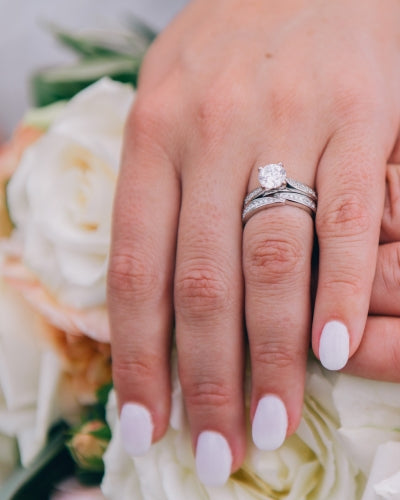
Engagement rings need the strongest balance of beauty and durability because they are usually worn daily. Consider lifestyle, hand shape, setting height, prong security, band width, and matching wedding band compatibility.
Natural Diamond Earrings

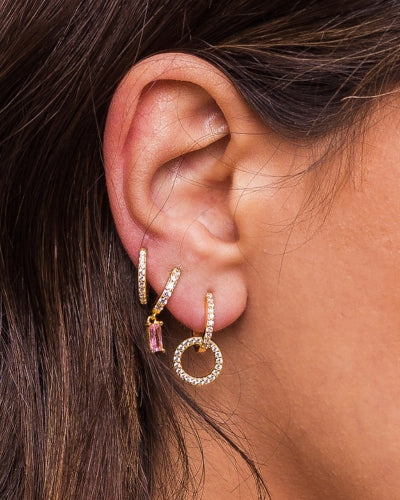
Diamond earrings should be comfortable, secure, and well matched. Studs are timeless, drops feel elegant, and hoops add everyday luxury. View styles in the diamond earrings collection.
Natural Diamond Pendants

A diamond pendant is versatile and meaningful. It can be worn daily, gifted for milestones, or layered with other necklaces. Explore diamond pendant styles for simple and elegant inspiration.
Natural Diamond Wedding Bands

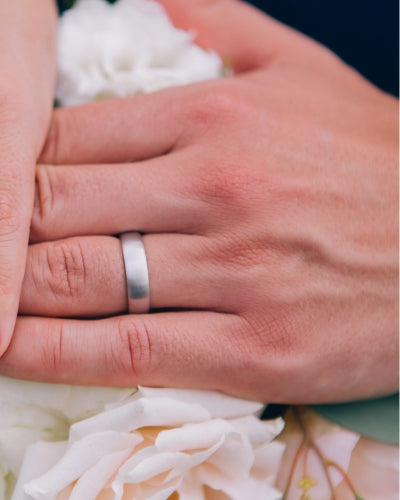
Wedding bands should match the engagement ring in height, curve, color, and comfort. Some buyers prefer a simple band, while others choose diamond bands for added sparkle.
12. Budget Planning for Natural Diamond Jewelry
A smart budget is not only about the diamond. It should include the center stone, accent diamonds, metal, craftsmanship, design complexity, shipping, resizing, and future care.
Where Your Budget Goes
- Diamond quality and size
- Metal type and weight
- Design complexity
- Accent stones
- Custom work
- Finishing and craftsmanship
Best Budget Strategy
Start with your maximum comfortable spend, then decide your priority. If sparkle matters most, prioritize cut. If size matters most, compare shapes with larger face-up spread. If uniqueness matters most, consider salt and pepper, brown, gray, rose cut, or alternative shapes.
13. Step-by-Step Guide to Buying Natural Diamond Jewelry
Step 1: Choose the Jewelry Type
Decide whether you are buying a ring, earrings, pendant, bracelet, or custom piece. The function of the jewelry determines the right diamond size, setting, and metal strength.
Step 2: Select Your Diamond Style
Choose classic, vintage, modern, rustic, minimal, or bold. This will guide diamond shape, color, clarity, and setting.
Step 3: Pick the Diamond Shape
Choose a shape that matches the wearer’s personality. Oval, pear, marquise, and emerald shapes are elegant. Round and cushion feel classic. Hexagon, shield, kite, and raw styles feel unique.
Step 4: Review Cut and Face-Up Beauty
Look for balanced sparkle, attractive proportions, and pleasing symmetry. For included diamonds, focus on pattern and overall charm.
Step 5: Choose Metal
Match the metal to the diamond color and wearer’s style. Warm diamonds often look stunning in yellow or rose gold, while bright diamonds pair beautifully with white gold.
Step 6: Confirm Measurements and Fit
For rings, confirm size carefully. For pendants, check chain length. For earrings, consider weight and backing style.
Step 7: Review Policies and Support
Before ordering, review shipping information and helpful details on the.
Step 8: Consider Custom Design
If you want a one-of-a-kind piece, begin with design your own engagement ring.
14. Natural Diamond Jewelry Comparison Charts
Diamond Shape Comparison
| Shape | Style Personality | Best For |
|---|---|---|
| Round | Classic and brilliant | Timeless engagement rings |
| Oval | Elegant and elongating | Modern romantic rings |
| Pear | Graceful and feminine | Statement rings and pendants |
| Emerald | Clean and refined | Minimal luxury designs |
| Marquise | Bold and dramatic | Vintage-inspired rings |
| Hexagon | Geometric and unique | Alternative engagement rings |
Jewelry Type Comparison
| Jewelry Type | Important Focus | Buying Tip |
|---|---|---|
| Engagement Ring | Durability and setting security | Choose comfort for daily wear |
| Earrings | Matching and comfort | Check weight and backing style |
| Pendant | Chain length and visibility | Choose a balanced stone size |
| Wedding Band | Fit with engagement ring | Match height and curve |

15. Pros and Cons of Natural Diamond Jewelry
Pros
- Timeless luxury appeal
- Natural origin and individuality
- Wide range of styles and shapes
- Excellent for meaningful gifts and heirloom pieces
- Can be customized into personal designs
Cons
- Requires careful quality comparison
- Can vary greatly in price
- Some settings need regular maintenance
- Delicate designs may not suit rough daily wear
- Natural inclusions may not appeal to every buyer
16. Common Mistakes to Avoid
- Buying only by carat weight and ignoring cut quality
- Choosing a setting that is too delicate for daily wear
- Not checking ring size before ordering
- Ignoring metal color and diamond color pairing
- Forgetting to review shipping and policy details
- Choosing a trendy style without considering long-term taste
- Not asking questions before a custom order
17. Real Buying Examples and Case Studies
Case Study 1: The Classic Bride
A buyer wanted a timeless engagement ring that would never feel outdated. The best direction was a balanced solitaire style with a bright natural diamond and a secure prong setting. Instead of choosing the largest possible stone, the buyer focused on sparkle, hand proportion, and daily comfort. The result was elegant, wearable, and meaningful.
Case Study 2: The Unique Jewelry Lover
Another buyer wanted something different from traditional white diamonds. A salt and pepper diamond with visible natural character became the ideal choice. The inclusions were not flaws in this design; they were the feature. A warm gold setting made the diamond feel artistic, romantic, and one-of-a-kind.
Case Study 3: The Gift Buyer
A customer looking for an anniversary gift wanted something beautiful but easy to wear. A natural diamond pendant was a practical choice because it did not require ring sizing and could be worn with many outfits. The pendant style offered luxury without being too formal.
Case Study 4: The Custom Ring Buyer
A couple wanted a custom engagement ring with a specific stone shape and metal tone. The process began with inspiration, then moved into stone selection, setting style, measurements, and final design details. Custom jewelry worked best because the buyer wanted emotional meaning, not just a ready-made piece.
18. Custom Natural Diamond Jewelry

Custom natural diamond jewelry is ideal when you want a design that feels personal. You can choose the diamond shape, metal color, setting height, band style, accent stones, and overall mood. Custom design is especially useful for unusual diamond shapes, salt and pepper diamonds, brown diamonds, rose cut diamonds, and symbolic engagement rings.
When Custom Design Makes Sense
- You want a specific diamond shape or size.
- You need a unique engagement ring.
- You want to match an existing wedding band.
- You love a design but want changes.
- You want a meaningful gift with personal details.
Start your custom journey here: Design Your Own Engagement Ring.
19. Care and Maintenance
Natural diamond jewelry is durable, but it still needs care. Diamonds can attract oil, lotion, dust, and soap residue. Settings can loosen over time, especially with daily wear. Regular cleaning and careful storage help preserve beauty.
At-Home Care Tips
- Remove jewelry before heavy work, gym, swimming, or harsh cleaning.
- Clean gently with mild soap, warm water, and a soft brush.
- Dry with a lint-free cloth.
- Store pieces separately to avoid scratches.
- Check prongs and settings regularly.
What Not to Do
- Do not use harsh chemicals.
- Do not wear delicate jewelry during rough activity.
- Do not store multiple diamond pieces loosely together.
- Do not ignore a loose stone or bent prong.
20. Final Buying Checklist
- Choose the jewelry type and purpose.
- Select diamond shape and style.
- Review cut, color, clarity, and carat weight.
- Check measurements and face-up look.
- Choose the right metal tone.
- Confirm setting security.
- Review size, shipping, and support.
- Consider custom design for personal meaning.
21. Best Internal Shopping Paths
- For all categories: Browse all collections
- For elegant ring styles: Shop oval cut diamond engagement rings
- For fine jewelry gifts: Shop diamond earrings
- For necklace gifts: Shop diamond pendants
- For personal design: Create a custom engagement ring
- For help before buying: Read FAQs
Frequently Asked Questions
What should I check before buying natural diamond jewelry?
Check diamond shape, cut quality, color, clarity, carat weight, setting security, metal type, size, craftsmanship, shipping details, and long-term care needs.
Which natural diamond shape is best for an engagement ring?
The best shape depends on personal style. Round is classic, oval is elegant, pear is romantic, emerald is refined, and marquise is bold.
Is a bigger diamond always better?
No. A smaller diamond with better cut, balanced proportions, and a beautiful setting can look more luxurious than a larger diamond with poor sparkle.
Are salt and pepper diamonds good for engagement rings?
Yes, salt and pepper diamonds are popular for unique engagement rings. They show natural inclusions and have a one-of-a-kind character.
Which metal looks best with natural diamonds?
White gold gives a clean modern look, yellow gold adds warmth, rose gold feels romantic, and two-tone designs create custom contrast.
How do I choose diamond earrings?
Look for comfortable weight, secure backings, balanced matching, and a style that suits daily or occasion wear.
Are diamond pendants good gifts?
Yes. Diamond pendants are meaningful, versatile, and easier to gift than rings because they usually do not require exact ring sizing.
Should I buy ready-made or custom natural diamond jewelry?
Ready-made jewelry is convenient, while custom jewelry is best when you want a personal design, specific diamond shape, or meaningful details.
How often should I clean natural diamond jewelry?
For daily-wear pieces, gentle cleaning every few weeks helps maintain sparkle. Professional inspection is useful when a ring is worn every day.
Can I wear natural diamond jewelry every day?
Yes, many natural diamond pieces are suitable for daily wear, especially when the setting is secure and the design matches your lifestyle.
What is the safest ring setting for daily wear?
Bezel and well-made prong settings are common choices. The safest option depends on diamond shape, lifestyle, and design height.
Where can I design a custom natural diamond engagement ring?
You can begin with the custom design option here: Design Your Own Engagement Ring.
Conclusion

Buying natural diamond jewelry is a beautiful experience when you understand what matters. Do not rush the decision. Look at the diamond’s beauty, the setting’s strength, the metal’s tone, the design’s meaning, and the way the piece will be worn in real life.
The best natural diamond jewelry is not only impressive in photos. It feels personal, comfortable, secure, and timeless. Whether you choose a classic engagement ring, artistic salt and pepper diamond, elegant pendant, sparkling earrings, or a custom design, let your final choice reflect both beauty and intention.
Shop Natural Diamond Jewelry


Hinterlasse einen Kommentar
Diese Website ist durch hCaptcha geschützt und es gelten die allgemeinen Geschäftsbedingungen und Datenschutzbestimmungen von hCaptcha.