

Artikel: Ancient Egyptian Gold Jewelry: History, Beauty, and Royal Traditions
Ancient Egyptian Gold Jewelry: History, Beauty, and Royal Traditions
Ancient Egyptian gold jewelry represents one of the most fascinating chapters in the history of luxury, art, culture, and personal adornment. Thousands of years ago, along the banks of the Nile, skilled Egyptian artisans transformed precious gold into extraordinary necklaces, bracelets, rings, earrings, crowns, ceremonial ornaments, and elaborate royal accessories.
For ancient Egyptians, gold was much more than a valuable metal. It represented eternity, divine power, sunlight, protection, prosperity, and the everlasting nature of life. Pharaohs wore magnificent gold ornaments to demonstrate their authority, queens adorned themselves with elaborate necklaces and bracelets, and people from different social backgrounds used jewelry to express identity, faith, beauty, and status.
Some of the most remarkable examples of ancient Egyptian gold craftsmanship were discovered in royal tombs, particularly the treasures associated with Pharaoh Tutankhamun. These extraordinary objects reveal the remarkable technical knowledge, artistic imagination, and cultural significance behind Egyptian jewelry making.
But what made Egyptian gold jewelry so special? How did ancient artisans create such beautiful pieces without modern machinery? Why were scarab beetles, lotus flowers, falcons, and other symbols so important? And how did royal traditions influence jewelry designs that continue to inspire modern fine jewelry?
In this detailed guide, we explore the history of ancient Egyptian gold jewelry, its evolution through different dynasties, royal traditions, materials, gemstones, iconic designs, symbolism, and lasting influence on contemporary jewelry.
Decorative golden illustration representing the luxury and artistic beauty of ancient Egyptian gold jewelry

- Historical origins: Gold jewelry was being produced in ancient Egypt thousands of years ago, with especially rich evidence from the Predynastic and Early Dynastic periods onward.
- Most famous period: The New Kingdom, particularly the Eighteenth Dynasty, produced some of the most celebrated royal jewelry.
- Important materials: Gold, electrum, turquoise, carnelian, lapis lazuli, faience, and glass.
- Popular designs: Broad collars, scarab pendants, bracelets, rings, amulets, and royal pectorals.
- Famous discovery: The tomb of Tutankhamun, discovered in 1922.
- Central meaning: Beauty, status, protection, religious belief, and eternity.
Table of Contents
- The Origins of Ancient Egyptian Gold Jewelry
- Why Gold Was So Important in Ancient Egypt
- The History of Egyptian Gold Jewelry Through the Ages
- Gold Jewelry of Egyptian Pharaohs
- Egyptian Queens and Their Royal Jewelry
- Tutankhamun's Legendary Gold Treasures
- Materials Used in Ancient Egyptian Jewelry
- Precious and Colorful Stones in Egyptian Jewelry
- Ancient Egyptian Gold Necklaces and Broad Collars
- The History of Ancient Egyptian Gold Rings
- Royal Gold Bracelets and Armlets
- Ancient Egyptian Earrings and Ear Ornaments
- Amulets, Pendants, and Spiritual Protection
- Important Symbols in Egyptian Gold Jewelry
- How Ancient Egyptians Made Gold Jewelry
- Traditional Goldsmithing Techniques
- Jewelry and Social Status in Ancient Egypt
- The Religious Meaning of Egyptian Jewelry
- Gold Jewelry in Ancient Egyptian Burials
- Gold Mining, Trade, and Royal Wealth
- The Meaning of Colors in Egyptian Jewelry
- Popular Ancient Egyptian Jewelry Styles
- Ancient Egyptian Jewelry vs Modern Gold Jewelry
- The Influence of Egyptian Jewelry on Modern Designs
- How to Choose Egyptian-Inspired Gold Jewelry
- How to Care for Gold Jewelry
- The Lasting Appeal of Gold Jewelry
- Frequently Asked Questions
1. The Origins of Ancient Egyptian Gold Jewelry
When Did Ancient Egyptians Start Making Gold Jewelry?
The history of ancient Egyptian gold jewelry stretches back thousands of years. Gold objects and ornaments were already being produced in the Nile Valley during the Predynastic period, before the traditional unification of Egypt around 3100 BCE.
Early Egyptian communities developed a remarkable appreciation for decorative objects. They used naturally occurring materials such as shells, stones, beads, copper, and gold to create personal ornaments. As metalworking knowledge advanced, gold became increasingly important in the production of sophisticated jewelry.
Gold was especially attractive because it was naturally beautiful, resistant to corrosion, relatively easy to shape, and capable of retaining its appearance over extremely long periods.
Early Goldsmithing Traditions
Ancient artisans gradually developed methods for shaping, hammering, joining, and decorating gold. Early ornaments were often relatively simple compared with the elaborate jewelry of later royal dynasties, but they established the foundations of Egyptian goldsmithing.
As political power became more centralized, royal workshops developed increasingly sophisticated techniques. Jewelry became an important part of royal presentation, diplomatic exchange, religious ceremonies, and funerary traditions.
Why the Nile Valley Was Important
The Nile connected agricultural communities, settlements, temples, and trading networks. It also provided routes through which valuable materials could move between different regions.
Egypt's proximity to the Eastern Desert and Nubia was particularly significant because these regions contained important gold resources. The availability of gold helped support the development of an extraordinary tradition of precious-metal craftsmanship.
2. Why Gold Was So Important in Ancient Egypt
Gold as a Symbol of the Sun
One of the most important reasons gold became central to ancient Egyptian culture was its association with the sun. Its bright yellow appearance reminded Egyptians of sunlight, radiance, and divine power.
The sun was closely connected with the god Ra, a major deity in Egyptian religion. Gold also became associated with the divine flesh of the gods, especially in royal and funerary traditions.
This spiritual association gave gold a meaning that went far beyond ordinary wealth. It represented something permanent, radiant, and sacred.
Gold as a Symbol of Eternity
Unlike many other materials, gold does not rust or tarnish in the way ordinary iron and copper can. Its lasting appearance made it an especially powerful symbol of permanence.
Ancient Egyptians believed strongly in the continuation of existence after death. Gold jewelry was therefore used in funerary contexts to express the hope of eternal life, divine protection, and transformation into an everlasting state.
Gold as a Sign of Royal Power
Gold ornaments were closely associated with the authority and prestige of kings and queens. Elaborate necklaces, crowns, pectorals, bracelets, and other royal accessories communicated power and status.
- Divinity: Connection with gods and sacred power.
- Eternity: A material associated with permanence and the afterlife.
- Royal authority: A visible expression of wealth, prestige, and political power.
3. The History of Egyptian Gold Jewelry Through the Ages
Ancient Egyptian gold jewelry changed considerably over more than three thousand years. Different dynasties introduced new artistic preferences, religious influences, manufacturing methods, and royal styles.

Predynastic Period: Before Approximately 3100 BCE
Early communities created ornaments using beads, shells, stones, and gold. Goldworking was developing, and personal adornment was already an important part of social and cultural life.
Early Dynastic Period: Approximately 3100–2686 BCE
Following the formation of the Egyptian state, royal authority became increasingly important. Precious ornaments and ceremonial objects reflected the growing wealth and organization of the ruling elite.
Old Kingdom: Approximately 2686–2181 BCE
The Old Kingdom is famous for monumental pyramid construction and centralized royal power. Jewelry from this period demonstrates the importance of precious materials, geometric forms, carefully made beads, and symbolic motifs.
Middle Kingdom: Approximately 2055–1650 BCE
The Middle Kingdom produced some exceptionally refined jewelry. Broad collars, elaborate pectorals, carefully arranged beads, and detailed inlay work became important features of elite adornment.
New Kingdom: Approximately 1550–1069 BCE
The New Kingdom is particularly celebrated for royal gold jewelry. Egypt expanded its international influence, royal wealth increased, and artisans produced remarkable necklaces, bracelets, rings, crowns, and funerary treasures.
The Eighteenth Dynasty, which included rulers such as Hatshepsut, Amenhotep III, Akhenaten, and Tutankhamun, is especially associated with extraordinary royal craftsmanship.
Late Period: Approximately 664–332 BCE
Egyptian jewelry continued to evolve. Traditional religious symbols remained important, while changing political relationships and international contacts influenced artistic styles and decorative details.
Ptolemaic Period: 332–30 BCE
Under the Ptolemaic rulers, Egyptian traditions interacted with Greek artistic influences. Jewelry increasingly reflected a combination of Egyptian religious imagery and Hellenistic design preferences.
| Historical period | Approximate dates | Jewelry characteristics |
|---|---|---|
| Predynastic | Before 3100 BCE | Early gold ornaments and beads |
| Early Dynastic | 3100–2686 BCE | Royal ornaments and metalworking |
| Old Kingdom | 2686–2181 BCE | Geometric and ceremonial jewelry |
| Middle Kingdom | 2055–1650 BCE | Detailed collars and inlay work |
| New Kingdom | 1550–1069 BCE | Elaborate royal gold jewelry |
| Late Period | 664–332 BCE | Traditional and evolving motifs |
| Ptolemaic | 332–30 BCE | Egyptian and Greek influences |
4. Gold Jewelry of Egyptian Pharaohs
Pharaohs occupied the highest position in ancient Egyptian society. They were political rulers and were also understood through religious ideas of kingship and divine authority.
Their jewelry was designed to communicate their special status. Gold collars, ceremonial pectorals, crowns, bracelets, rings, and other ornaments helped create a powerful royal image.
Royal Crowns and Head Ornaments
Royal headwear was often decorated with precious materials and symbolic imagery. The cobra, known as the uraeus, was an important emblem of royal protection and authority.
Royal Pectorals
A pectoral is an ornamental piece worn across the chest. Egyptian royal pectorals frequently incorporated gold, colored stones, and symbolic figures.
Some depicted protective deities, royal emblems, winged figures, or sacred animals. Their carefully arranged colors and intricate patterns made them among the most visually striking pieces of ancient Egyptian jewelry.
Gold Rings and Ceremonial Accessories
Rings were also important accessories. Some carried religious imagery, while others featured royal names, protective motifs, or decorative designs.
Signet rings could serve practical functions, including identifying ownership and authenticating documents or objects through engraved seals.
5. Egyptian Queens and Their Royal Jewelry
Egyptian queens are remembered for their extraordinary personal adornment and their influence on royal visual culture.
Royal women wore elaborate necklaces, bracelets, rings, earrings, head ornaments, and other accessories made from gold and colorful materials.

Queen Nefertiti and Elegant Royal Style
Nefertiti is among the most recognizable figures of ancient Egyptian history. Her famous painted bust demonstrates the sophistication of royal appearance during the Amarna period.
Her visual identity is strongly associated with elegant headwear, balanced proportions, and carefully composed decoration. Although the bust itself should not be treated as proof of a particular gold jewelry collection, it illustrates the importance of carefully designed royal presentation.
Queen Hatshepsut and Royal Authority
Hatshepsut ruled as pharaoh and commissioned impressive monuments and ceremonial objects. Her reign demonstrates how royal imagery and adornment communicated political legitimacy and authority.
Queen Tiye and Luxurious Materials
Queen Tiye, the wife of Amenhotep III, lived during one of the most prosperous periods of the Eighteenth Dynasty. Royal jewelry of this age demonstrates the extraordinary refinement of Egyptian goldsmithing.
Royal Beauty and Personal Identity
Jewelry helped create an image of royal elegance. The arrangement of gold, colorful stones, elaborate collars, and symbolic pendants contributed to the visual language of the Egyptian court.
6. Tutankhamun's Legendary Gold Treasures
No discussion of ancient Egyptian gold jewelry is complete without exploring the extraordinary treasures discovered in the tomb of Tutankhamun.
In November 1922, the tomb of the young pharaoh was discovered by the archaeological team led by Howard Carter in the Valley of the Kings. The discovery revealed an exceptional collection of funerary objects, including gold ornaments, ceremonial objects, jewelry, and the famous gold funerary mask.
The Famous Gold Funerary Mask
Tutankhamun's funerary mask is one of the most recognizable objects associated with ancient Egypt. It was made primarily from gold and decorated with colored materials, including glass and semiprecious stones.
The mask was designed to represent the deceased king in an idealized royal form. Its elaborate craftsmanship demonstrates the importance of gold in Egyptian funerary traditions.
Gold Jewelry Found in the Tomb
The tomb contained numerous personal ornaments and royal accessories. These included necklaces, rings, bracelets, pectorals, pendants, and other objects associated with royal identity and protection.
Why the Discovery Was So Important
The tomb offered an unusually rich opportunity to study ancient Egyptian royal material culture. Because many objects had remained inside the burial chambers for more than three thousand years, researchers could examine remarkable examples of ancient materials, techniques, decoration, and craftsmanship.
7. Materials Used in Ancient Egyptian Jewelry
Gold was central to Egyptian luxury jewelry, but artisans rarely relied on gold alone. They combined different metals, stones, minerals, glass, and faience to create extraordinary visual effects.
Gold
Gold was prized for its natural color, workability, and resistance to corrosion. It could be hammered into thin sheets, shaped into decorative elements, or formed into beads and other ornaments.
Electrum
Electrum is a naturally occurring or manufactured alloy of gold and silver. Its lighter yellow appearance made it an important material in ancient Egyptian metalworking.
Faience
Egyptian faience was a glazed non-clay material, usually made from a silica-rich composition. It could produce beautiful blue, green, and other colored surfaces.
Glass
Glassmaking became increasingly sophisticated in ancient Egypt, particularly during the New Kingdom. Colored glass was used in decorative objects and jewelry to imitate or complement precious stones.
Copper and Other Metals
Copper was used for various tools and decorative objects. Goldsmiths also worked with different metal combinations to create contrasting colors and finishes.
| Material | Appearance | Common use |
|---|---|---|
| Gold | Warm yellow | Necklaces, rings, bracelets, royal ornaments |
| Electrum | Pale yellow | Decorative metalwork and ornaments |
| Turquoise | Blue-green | Beads, pendants, inlays |
| Carnelian | Orange-red | Beads and protective ornaments |
| Lapis lazuli | Deep blue | Royal jewelry and inlay |
| Faience | Blue, green, and other colors | Beads, pendants, decorative details |
| Glass | Multiple colors | Inlay and imitation gemstones |
8. Precious and Colorful Stones in Egyptian Jewelry
Color was essential to ancient Egyptian jewelry. Gold provided a warm foundation, while colored stones created contrast, symbolism, and visual richness.

Turquoise
Turquoise was highly valued for its blue-green appearance. It was associated with beauty, renewal, and protective symbolism.
Lapis Lazuli
Lapis lazuli was prized for its deep blue color. It was obtained through long-distance trade networks and was particularly attractive for royal ornaments and decorative inlays.
Carnelian
Carnelian is a reddish-orange variety of chalcedony. Its warm color created a beautiful contrast against gold and was used in beads, amulets, and other jewelry.
Feldspar and Jasper
Different varieties of feldspar and jasper were used to produce decorative colors and symbolic combinations. These materials contributed to the characteristic appearance of Egyptian beadwork and inlay designs.
Why Gemstone Colors Mattered
Color was not selected only for beauty. Different materials could carry religious, protective, or symbolic associations. Their arrangement helped communicate meaning through the design itself.
9. Ancient Egyptian Gold Necklaces and Broad Collars
One of the most iconic forms of ancient Egyptian jewelry was the broad collar, sometimes called a wesekh collar.
These elaborate necklaces covered the upper chest and shoulders. They were constructed using carefully arranged rows of beads, gold elements, colored stones, and decorative terminals.
What Made Egyptian Broad Collars Special?
- Wide designs that extended across the shoulders.
- Multiple rows of colorful beads.
- Gold elements used as decorative accents.
- Symmetrical patterns and balanced arrangements.
- Symbolic imagery and protective motifs.
Royal Broad Collars
Royal collars could be exceptionally elaborate. Their materials and workmanship communicated wealth, status, and religious importance.
How Broad Collars Influence Modern Necklaces
Modern statement necklaces, layered gold collars, and colorful gemstone necklaces often use visual principles that can be compared with ancient Egyptian designs.
The idea of combining multiple rows, repeating shapes, and contrasting colors remains an effective way to create a dramatic necklace.
10. The History of Ancient Egyptian Gold Rings
Ancient Egyptian gold rings were both decorative and functional. They could be worn as personal ornaments, used as signet rings, or designed with religious and protective imagery.
Signet Rings
Signet rings featured engraved surfaces or designs that could be used to identify the owner or create an impression in a sealing material.
Decorative Gold Rings
Some rings were relatively simple bands, while others included gemstones, engraved surfaces, or symbolic figures.
Scarabs on Rings
Scarab motifs were particularly important. A carved scarab could be mounted as a decorative element or incorporated into a ring setting.
Modern Egyptian-Inspired Gold Rings
Contemporary designers can reinterpret these historic themes through:
- Gold bands with engraved symbolic motifs.
- Oval or geometric gemstone settings.
- Signet-inspired statement rings.
- Bezel-set colored gemstones.
- Minimalist gold rings with scarab-inspired details.
Explore different modern ring shapes and styles through the gold diamond rings collection at Fancy Diamond Jewels.
11. Royal Gold Bracelets and Armlets
Bracelets and armlets were important components of Egyptian personal adornment. They were worn by both men and women, although the design and materials varied according to social status, period, and occasion.
Gold Wrist Bracelets
Gold wrist ornaments could be made as solid or articulated forms. Some featured simple polished surfaces, while others incorporated beads, gemstones, engraved details, or symbolic figures.
Royal Armlets
Armlets were worn higher on the arm and could be part of elaborate ceremonial attire.
Decorative Motifs
Common decorative themes included floral patterns, animal imagery, protective symbols, and geometric arrangements.
Modern Inspiration
Ancient Egyptian bracelets inspire contemporary designs through broad gold surfaces, repeating patterns, layered bangles, and gemstone accents.
12. Ancient Egyptian Earrings and Ear Ornaments
Earrings became particularly prominent in Egyptian jewelry during the New Kingdom. Royal and elite examples demonstrate the increasing sophistication of personal adornment during this period.
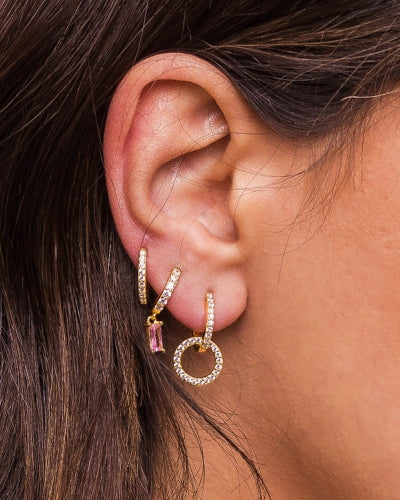
Gold Hoop Earrings
Hoop-style ornaments are among the enduring forms of jewelry found across many ancient cultures. Egyptian goldsmiths produced decorative ear ornaments in different shapes and sizes.
Decorative Drop Earrings
Some earrings featured hanging elements, beads, and colored materials that moved with the wearer.
Royal Earrings
Royal earrings could feature elaborate metalwork and colorful decorative components, reflecting the wealth and artistic sophistication of the court.
13. Amulets, Pendants, and Spiritual Protection
Amulets were among the most meaningful objects in ancient Egyptian personal adornment. They were believed to provide protection, strength, health, and spiritual assistance.
What Was an Egyptian Amulet?
An amulet was a small object believed to carry protective or beneficial powers. It could represent a deity, an animal, a sacred symbol, or an important religious concept.
Common Amulet Designs
- Scarab beetles.
- Ankh symbols.
- Wedjat or Eye of Horus.
- Djed pillars.
- Lotus flowers.
- Protective animal figures.
Gold Amulet Pendants
Gold was used to create amulets and pendants, although many were also made from stone, faience, and other materials. The selected material, symbol, and placement could all contribute to the object's meaning.
14. Important Symbols in Egyptian Gold Jewelry
Egyptian jewelry is particularly recognizable because of its symbolic imagery. These symbols were closely connected with mythology, religious practices, kingship, and ideas about life and death.

The Ankh: Symbol of Life
The ankh is a cross-shaped symbol with a loop at the top. It represents life and appears frequently in ancient Egyptian religious art.
As a jewelry motif, the ankh can be interpreted as a symbol of vitality, continuity, and spiritual meaning.
The Scarab: Symbol of Renewal
The scarab beetle was associated with the sun god Khepri and ideas of transformation and renewal.
Scarab amulets were especially popular in ancient Egypt. They were made from different materials and sometimes incorporated into rings, pendants, and funerary objects.
The Eye of Horus: Protection
The Wedjat, commonly known as the Eye of Horus, was associated with protection, healing, and restoration.
It was widely used as an amulet and appeared in different forms of Egyptian decorative art.
The Lotus Flower: Rebirth and Renewal
The lotus flower had important associations with creation, renewal, and the natural cycles of life.
Its elegant form made it a popular decorative motif in necklaces, pendants, and other ornaments.
The Falcon: Divine and Royal Power
The falcon was strongly associated with Horus, a major Egyptian deity connected with kingship and protection.
Falcon imagery appeared in royal objects, religious art, and ceremonial decoration.
| Symbol | Traditional association | Jewelry application |
|---|---|---|
| Ankh | Life and continuity | Pendants and amulets |
| Scarab | Renewal and transformation | Rings and pendants |
| Eye of Horus | Protection and restoration | Amulets and necklaces |
| Lotus | Creation and renewal | Necklaces and decorative elements |
| Falcon | Royal power and protection | Pectorals and pendants |
| Uraeus | Royal protection | Crowns and royal ornaments |
15. How Ancient Egyptians Made Gold Jewelry
Ancient Egyptian goldsmiths developed remarkable metalworking skills. Although they did not have modern electric tools or computer-controlled equipment, they could produce intricate jewelry through careful planning, manual labor, and specialized techniques.
Collecting and Preparing Gold
Gold was obtained from deposits in Egypt and neighboring regions. It was processed to remove unwanted materials and prepared for working.
Melting and Shaping
Artisans used furnaces and controlled heating methods to work with gold. Depending on the intended object, the metal could be cast, hammered, shaped, or assembled from smaller components.
Creating Decorative Patterns
Goldsmiths produced patterns through engraving, embossing, granulation, inlay, and other decorative methods.
Adding Gemstones and Inlays
Colored stones, glass, and faience could be inserted into carefully prepared spaces to create decorative compositions.
Polishing and Finishing
Final finishing helped create smooth surfaces and highlight the contrast between gold and colorful materials.
16. Traditional Goldsmithing Techniques
Several important techniques contributed to the beauty of ancient Egyptian gold jewelry.

Hammering
Hammering allowed goldsmiths to flatten metal into sheets or shape it into decorative forms. Thin gold sheets could be used for covering surfaces or creating ornamental details.
Granulation
Granulation involves attaching tiny metal granules to a surface to create patterns. The technique is associated with sophisticated ancient goldsmithing traditions, although its use and development varied across different cultures and periods.
Filigree
Filigree is a decorative technique involving fine metal wires arranged into delicate patterns. Intricate wirework helped create visually complex ornamental surfaces.
Inlay Work
Inlay involves placing colored stones or other materials into prepared areas of a metal object. It was an important method for creating colorful Egyptian jewelry.
Repoussé and Embossing
Repoussé involves shaping metal from the reverse side to create raised designs on the front. Embossing produces raised decorative patterns through controlled shaping.
Lost-Wax Casting
Lost-wax casting uses a wax model to create a mold into which molten metal is poured. This technique was known in the ancient world and contributed to the production of detailed metal objects.
17. Jewelry and Social Status in Ancient Egypt
Jewelry played an important role in communicating social identity and economic position.
Royal Families
Pharaohs and queens had access to exceptional materials and highly skilled artisans. Their jewelry could include elaborate gold collars, ceremonial ornaments, gemstones, and carefully designed royal accessories.
Priests and Religious Officials
Religious officials used jewelry and ceremonial ornaments as part of their ritual and social identities. Some objects were associated with particular deities and temple traditions.
Wealthy Families
Wealthy Egyptians could wear more elaborate personal ornaments, including gold jewelry, gemstone beads, rings, and decorative pendants.
Ordinary People
People from less wealthy backgrounds also wore jewelry. Their ornaments were more likely to use accessible materials such as faience, shell, glass, and less expensive stones.
This demonstrates that personal adornment was not exclusively a royal practice, even though the most luxurious surviving examples often come from elite contexts.
18. The Religious Meaning of Egyptian Jewelry
Religion influenced almost every aspect of ancient Egyptian culture, and jewelry was no exception.
Jewelry as Spiritual Protection
Amulets and symbolic pendants were believed to provide protection against danger and misfortune. They could be worn during everyday life or placed with the dead during burial rituals.
Jewelry and the Gods
Images of deities and sacred animals appeared in personal ornaments and ceremonial objects. These designs expressed religious devotion and connections with divine power.
Jewelry and the Afterlife
Ancient Egyptians believed that death was a transition rather than simply the end of existence. Jewelry placed in tombs could support the deceased through its protective and symbolic associations.
19. Gold Jewelry in Ancient Egyptian Burials
Funerary jewelry is among the most important sources of information about ancient Egyptian goldsmithing.
Burials could contain necklaces, rings, bracelets, amulets, pectorals, and other ornaments. Some were intended to accompany the deceased into the afterlife, while others formed part of the burial's ceremonial presentation.
Why Was Gold Placed in Tombs?
- Gold was associated with permanence and divine qualities.
- Amulets offered symbolic protection.
- Jewelry expressed the identity and status of the deceased.
- Precious objects were included as funerary provisions.
- Royal ornaments communicated kingship and sacred authority.
Jewelry on Mummies
Some Egyptian mummies were buried with jewelry placed on or around the body. The location and type of ornament could be influenced by religious beliefs and funerary practices.
What Archaeologists Learn from Burial Jewelry
Burial objects provide evidence about ancient materials, manufacturing skills, trade connections, artistic preferences, and religious traditions.
20. Gold Mining, Trade, and Royal Wealth
Ancient Egypt's gold supply was closely connected with mining and international exchange.
Gold from the Eastern Desert
The Eastern Desert contained important gold deposits. Mining activities were undertaken in difficult conditions, and gold extraction required organized labor and specialized knowledge.
Nubia and Gold Resources
Nubia, south of Egypt, was an important region for gold and other valuable resources. Its relationship with Egypt involved trade, diplomacy, political control, and periods of military conflict.
Gold and International Exchange
Gold was an important part of royal wealth and diplomatic relationships. Egyptian rulers exchanged luxury goods and precious materials with neighboring kingdoms.
Why Gold Supported Egyptian Jewelry Culture
Access to gold allowed royal workshops to create elaborate objects. The combination of valuable materials, specialized labor, and royal patronage supported the development of extraordinary jewelry traditions.
21. The Meaning of Colors in Egyptian Jewelry
Ancient Egyptian jewelry is famous for its colorful combinations. Gold was often paired with blue, green, red, and other contrasting shades.
Gold and Yellow
Gold represented sunlight, divine associations, and permanence.
Blue
Blue could be associated with the heavens, water, and divine qualities. Lapis lazuli and blue faience were particularly admired.
Green
Green was associated with vegetation, renewal, and regeneration. Green stones and faience were important decorative materials.
Red
Red had multiple associations, including vitality, power, danger, and protection. Carnelian provided a beautiful reddish-orange color in jewelry.
Black
Black could represent fertility, regeneration, and the rich dark soil associated with the Nile's agricultural cycle.
22. Popular Ancient Egyptian Jewelry Styles
Egyptian jewelry included a remarkable variety of shapes, materials, and decorative traditions.

Broad Collar Necklaces
These necklaces covered the shoulders and upper chest and often featured multiple rows of colored beads.
Scarab Jewelry
Scarab motifs were used in rings, pendants, amulets, and other decorative objects.
Geometric Gold Jewelry
Symmetry, repeating patterns, and carefully arranged shapes were important features of Egyptian ornamentation.
Floral Jewelry
Lotus flowers and other plant-inspired forms provided elegant decorative themes.
Animal-Inspired Jewelry
Falcons, cobras, scarabs, and other animals represented religious and royal ideas.
Royal Statement Jewelry
Large pectorals, elaborate collars, and ceremonial ornaments created dramatic visual statements.
23. Ancient Egyptian Jewelry vs Modern Gold Jewelry
Modern gold jewelry is very different in manufacturing methods, consumer preferences, and commercial availability. However, many of the artistic ideas used by ancient Egyptian goldsmiths remain relevant.
| Feature | Ancient Egyptian jewelry | Modern gold jewelry |
|---|---|---|
| Main purpose | Adornment, protection, status, religious symbolism | Adornment, fashion, gifting, personal expression |
| Metal | Gold and electrum | 10K, 14K, 18K, 22K and other alloys |
| Gemstones | Turquoise, lapis lazuli, carnelian and others | Diamonds, sapphires, emeralds and many alternatives |
| Production | Manual tools and traditional metalworking | Handcrafting and modern machinery |
| Design | Symbolic and ceremonial motifs | Classic, contemporary, traditional and experimental styles |
| Personalization | Names, symbols, and individual ornaments | Engraving, custom settings, and personalized designs |
Advantages of Ancient-Inspired Jewelry
- Distinctive historical character.
- Strong symbolic meaning.
- Beautiful geometric and floral motifs.
- Opportunities for colorful gemstone combinations.
- Timeless visual appeal.
Possible Disadvantages
- Highly elaborate designs may be less practical for everyday use.
- Historical motifs can become visually overwhelming if combined excessively.
- Authentic ancient artifacts require specialist expertise and provenance checks.
- Modern reproductions should not be confused with genuine archaeological objects.
24. The Influence of Egyptian Jewelry on Modern Designs
The influence of ancient Egyptian jewelry can be seen in modern fashion, luxury accessories, statement necklaces, geometric rings, symbolic pendants, and colorful gemstone designs.
Egyptian-Inspired Gold Necklaces
Modern designers often reinterpret broad collars using layered chains, polished gold elements, geometric patterns, and colorful gemstones.
Scarab-Inspired Rings
The scarab remains an attractive design motif because of its distinctive shape and association with renewal.
Geometric Gold Rings
Ancient Egyptian symmetry and carefully balanced proportions can inspire contemporary gold rings with unusual shapes and bold silhouettes.
Colorful Gemstone Combinations
The ancient combination of gold with blue, green, and red materials remains a powerful design approach. Modern designers can reinterpret this look using sapphires, emeralds, rubies, turquoise, and other gemstones.
Modern Diamond Jewelry
Diamond jewelry offers another way to interpret the luxurious character of ancient gold ornaments. Carefully selected diamonds and gold settings can create contemporary pieces that balance historical inspiration with modern wearability.
Discover contemporary styles in the diamond engagement ring collection at Fancy Diamond Jewels.
25. How to Choose Egyptian-Inspired Gold Jewelry
If you appreciate ancient Egyptian art and want to incorporate its influence into your jewelry collection, choosing the right piece involves balancing design, metal quality, symbolism, and everyday practicality.
Step 1: Choose Your Preferred Design
Decide whether you prefer a scarab pendant, an ankh necklace, a broad collar, a geometric ring, or a simple gold bracelet.
Step 2: Select the Gold Purity
Modern jewelry is available in different gold purities. Each option has different characteristics.
| Gold purity | Gold content | General characteristics |
|---|---|---|
| 10K | 41.7% | Lower gold content and generally more alloy metals |
| 14K | 58.5% | Popular balance of gold content and durability |
| 18K | 75% | Higher gold content and rich gold appearance |
| 22K | 91.7% | Very high gold content and softer construction |
| 24K | 99.9% approximately | Nearly pure gold and relatively soft |
Step 3: Consider the Gemstones
Choose gemstones based on color, durability, budget, and the appearance you want. Blue gemstones can recreate the visual effect of lapis lazuli, while green and reddish stones can provide a similar colorful contrast.
Step 4: Consider the Setting
Bezel, prong, and other settings can produce different appearances. A bezel setting offers a clean outline and surrounds the stone with metal, while prong settings expose more of the gemstone.
Step 5: Select the Right Size
Large statement pieces can be beautiful for special occasions. Smaller pendants, rings, and bracelets may be more comfortable for everyday wear.
Step 6: Check the Quality
Before purchasing, review the gold purity, gemstone details, craftsmanship, dimensions, return policy, and product specifications.
26. Egyptian-Inspired Jewelry Ideas for Different Occasions
Everyday Wear
- Minimalist gold ankh pendant.
- Small scarab-inspired ring.
- Simple geometric gold band.
- Delicate gold bracelet.
Special Occasions
- Statement gold collar necklace.
- Colorful gemstone pendant.
- Detailed gold cocktail ring.
- Layered gold bracelets.
Meaningful Gifts
Symbolic jewelry can make a thoughtful gift. A life-inspired ankh pendant or renewal-inspired scarab design can represent meaningful personal sentiments.
27. Understanding the Difference Between Ancient Artifacts and Modern Reproductions
One important distinction for jewelry enthusiasts is the difference between genuine ancient Egyptian jewelry and modern Egyptian-inspired jewelry.
Authentic Ancient Jewelry
Genuine ancient jewelry is an archaeological object with historical significance. Its authenticity, ownership history, archaeological context, and legal provenance are important considerations.
Modern Egyptian-Inspired Jewelry
Modern jewelry takes inspiration from historical motifs without claiming to be an ancient artifact. It may use contemporary gold alloys, modern gemstones, and present-day manufacturing techniques.
Why This Difference Matters
A modern reproduction can be beautiful and meaningful without being thousands of years old. Buyers should always be cautious of unsupported claims that a piece is an authentic ancient artifact.
28. How to Care for Gold Jewelry
Although modern gold jewelry is durable, regular care helps maintain its appearance and finish.
Step 1: Clean Gently
Use a soft cloth and a mild cleaning method appropriate for the metal and gemstones. Avoid aggressive scrubbing.
Step 2: Store Separately
Keep jewelry in individual pouches or compartments to reduce scratches and tangling.
Step 3: Avoid Harsh Chemicals
Remove jewelry before using household cleaning chemicals, swimming pools, or products that may damage certain gemstones or metal finishes.
Step 4: Check Settings Regularly
Inspect gemstone settings and clasps to ensure that stones remain secure and components are in good condition.
Step 5: Use Professional Cleaning When Needed
For intricate pieces or valuable gemstones, professional inspection and cleaning may be preferable.
29. What Ancient Gold Jewelry Teaches Us About Timeless Design
Ancient Egyptian jewelry offers valuable lessons for contemporary jewelry design. Its appeal was not based solely on the amount of gold used. Proportion, repetition, contrast, material selection, and symbolism were equally important.
Balance and Symmetry
Many Egyptian designs used balanced arrangements and repeating patterns. This created visual harmony and made elaborate pieces feel carefully organized.
Meaningful Details
Symbolic elements gave jewelry a personal and cultural dimension. A decorative motif could communicate protection, identity, religious belief, or royal authority.
Material Contrast
The contrast between warm gold and colorful gemstones created visual richness without requiring excessive ornamentation.
Craftsmanship Over Complexity
The finest designs combined thoughtful construction with precise workmanship. Even intricate jewelry required a coherent overall composition.
30. The Lasting Appeal of Gold Jewelry
Gold jewelry continues to attract people because it combines material beauty, craftsmanship, cultural meaning, and personal expression.
Gold as a Precious Material
Gold has maintained an important role in jewelry traditions across civilizations. Its physical properties and distinctive appearance make it especially suitable for precious ornaments.
Gold Jewelry as a Personal Heirloom
Many families pass gold jewelry between generations. Such pieces can become connected with celebrations, relationships, memories, and family traditions.
Gold Jewelry and Individual Style
From minimalist rings to elaborate statement necklaces, gold can adapt to different personal preferences and occasions.
Why Egyptian Jewelry Remains Relevant
The enduring appeal of Egyptian jewelry comes from its combination of history, craftsmanship, color, and symbolism. Its visual language continues to inspire modern designers who want to create jewelry with a distinctive character.
31. Case Studies: Three Famous Examples of Ancient Egyptian Jewelry Traditions
Case Study 1: Tutankhamun's Funerary Treasures
Historical context: Tutankhamun's tomb, discovered in 1922, contained an exceptional collection of royal funerary objects.
Jewelry significance: The objects demonstrate the importance of gold, gemstones, symbolic imagery, and elaborate craftsmanship in royal burial traditions.
Design lesson: A successful luxury object can combine extraordinary material quality with carefully selected symbolic details.
Case Study 2: Middle Kingdom Pectorals
Historical context: Middle Kingdom jewelry includes some of the most sophisticated examples of Egyptian inlay and decorative metalwork.
Jewelry significance: Royal and elite pectorals frequently combined precious materials with symbolic compositions and intricate patterns.
Design lesson: Contrasting colors, balanced proportions, and meaningful imagery can create a visually powerful jewelry piece.
Case Study 3: New Kingdom Broad Collars
Historical context: Broad collars were prominent in elite and royal jewelry traditions, particularly during the New Kingdom.
Jewelry significance: These ornaments demonstrated the skill of Egyptian artisans in bead arrangement, metal decoration, and colorful composition.
Design lesson: Repetition, layering, and thoughtful color combinations can transform simple materials into luxurious statement jewelry.
32. Practical Design Guide: Creating a Modern Egyptian-Inspired Jewelry Look
You do not need to reproduce an ancient artifact to appreciate Egyptian jewelry traditions. You can create a modern interpretation by selecting a few historical design elements and adapting them to contemporary preferences.
Example 1: A Minimalist Gold Pendant
- Choose a simple gold chain.
- Select an ankh-inspired pendant.
- Keep the pendant proportionate to the chain.
- Use a polished finish for a clean appearance.
Example 2: A Colorful Gemstone Ring
- Choose a gold band.
- Select a blue, green, or reddish gemstone.
- Consider a protective bezel setting.
- Use balanced geometric details.
Example 3: A Statement Necklace
- Use a broad collar-inspired silhouette.
- Arrange multiple rows of colored elements.
- Introduce gold details for warmth.
- Maintain symmetry and balanced proportions.
Example 4: A Modern Royal-Inspired Bracelet
- Choose a wide or layered bracelet style.
- Use a repeating geometric pattern.
- Add carefully placed gemstone accents.
- Prioritize comfort and secure construction.
33. The Enduring Legacy of Ancient Egyptian Gold Jewelry
Ancient Egyptian gold jewelry remains one of the most fascinating examples of the relationship between art, wealth, spirituality, and personal adornment.
From early gold ornaments to the extraordinary treasures of the New Kingdom, Egyptian artisans developed a visual language that combined natural materials, skilled craftsmanship, symbolic imagery, and artistic imagination.
Pharaohs and queens used precious ornaments to express their royal identity. Amulets represented protection and renewal. Broad collars demonstrated technical skill and luxurious taste. Gold rings and bracelets combined personal beauty with social and religious significance. Custom Ring Builder
Perhaps the most remarkable aspect of this history is how many of its design principles remain relevant today. The appeal of gold, the beauty of colorful gemstones, the elegance of geometric shapes, and the emotional importance of symbolic jewelry continue to influence modern fine jewelry.
For jewelry lovers, the story of ancient Egyptian gold jewelry is not simply a story about the past. It is a reminder that exceptional jewelry can carry meaning, celebrate craftsmanship, and become part of a lasting personal legacy.
Gold may be a precious metal, but its greatest beauty often comes from the stories, traditions, and craftsmanship associated with it. Ancient Egyptian jewelry teaches us that true luxury is a combination of beauty, meaning, artistry, and timeless design.
Explore Timeless Fine Jewelry at Fancy Diamond Jewels
The history of ancient Egyptian jewelry reminds us that beautiful jewelry is about more than appearance. Every design can express individuality, celebrate meaningful moments, and become a treasured part of someone's personal story.
At Fancy Diamond Jewels, explore contemporary fine jewelry, distinctive diamond rings, gemstone designs, and handcrafted styles that celebrate individual expression.
Whether you appreciate classic gold jewelry, modern geometric rings, distinctive gemstone settings, or meaningful statement pieces, discover designs that bring together craftsmanship and personal style.
Explore Fine Jewelry Collections
Discover the Story of Fancy Diamond Jewels
Frequently Asked Questions About Ancient Egyptian Gold Jewelry
1. Why was gold so important in ancient Egyptian jewelry?
Gold was important because it represented sunlight, divine power, eternity, wealth, and royal authority. Its resistance to corrosion also made it an ideal material for objects intended to last for generations and accompany the deceased into the afterlife.
2. When did ancient Egyptians start making gold jewelry?
Gold ornaments were being produced in the Nile Valley during the Predynastic period, before approximately 3100 BCE. Egyptian goldsmithing developed considerably over the following dynasties.
3. What gemstones were used in ancient Egyptian gold jewelry?
Common materials included turquoise, lapis lazuli, carnelian, jasper, and different varieties of feldspar. Glass and Egyptian faience were also used to create colorful decorative effects.
4. What was the most famous ancient Egyptian gold jewelry discovery?
The treasures discovered in Tutankhamun's tomb in 1922 are among the most famous. They include the celebrated gold funerary mask, necklaces, rings, bracelets, pectorals, and numerous other royal objects.
5. Did ancient Egyptian men wear gold jewelry?
Yes. Men, including pharaohs and members of wealthy families, wore gold necklaces, rings, bracelets, and other ornaments. Jewelry was an important part of male and female personal adornment.
6. What did the scarab symbol mean in ancient Egyptian jewelry?
The scarab was associated with the god Khepri and represented renewal, transformation, and the movement of the sun. Scarab amulets were widely used in jewelry and funerary traditions.
7. What is an Egyptian broad collar necklace?
An Egyptian broad collar, also called a wesekh collar, is a wide necklace covering the upper chest and shoulders. It commonly features multiple rows of colorful beads, gold elements, and decorative patterns.
8. Did ancient Egyptian queens wear gold jewelry?
Yes. Queens and royal women wore elaborate necklaces, bracelets, rings, earrings, and other ornaments. Their jewelry often demonstrated wealth, royal identity, and artistic sophistication.
9. What does the Eye of Horus represent in Egyptian jewelry?
The Eye of Horus, also known as the Wedjat, represents protection, healing, and restoration. It was a popular amulet and appeared in different forms of ancient Egyptian jewelry.
10. How did ancient Egyptian goldsmiths make jewelry?
They used techniques including hammering, casting, engraving, embossing, inlay work, and the assembly of individual metal components. Gold could be shaped into sheets, beads, ornaments, and decorative details.
11. What is the difference between gold and electrum?
Gold is a chemical element, while electrum is an alloy of gold and silver. Electrum generally has a paler yellow appearance than pure gold and was used in ancient Egyptian metalworking.
12. What did the ankh symbolize in ancient Egyptian jewelry?
The ankh symbol represented life and continuity. It was one of the most recognizable religious symbols in ancient Egypt and appeared in decorative art and protective ornaments.
13. Did ordinary Egyptians wear gold jewelry?
People from different social backgrounds wore jewelry, but the materials varied. Royal and wealthy families had access to more elaborate gold ornaments, while other people commonly used faience, beads, shells, glass, and accessible stones.
14. Why was jewelry placed inside Egyptian tombs?
Jewelry was placed in tombs for symbolic protection, religious significance, personal identity, and the afterlife. Amulets and precious ornaments were considered meaningful elements of funerary traditions.
15. What colors were popular in ancient Egyptian jewelry?
Gold, blue, green, red, and black were important colors. They were created using materials such as gold, lapis lazuli, turquoise, carnelian, faience, and glass.
16. How did ancient Egyptian jewelry influence modern jewelry designs?
Modern designs continue to reinterpret Egyptian motifs such as scarabs, ankhs, broad collars, geometric patterns, and colorful gemstone combinations. These influences appear in necklaces, rings, bracelets, and statement jewelry.
17. Were ancient Egyptian gold rings used for practical purposes?
Yes. Some rings were decorative, while signet rings could be used to identify owners or authenticate documents and objects through engraved seals.
18. What is the difference between ancient Egyptian jewelry and modern Egyptian-inspired jewelry?
Ancient Egyptian jewelry consists of historical archaeological objects. Modern Egyptian-inspired jewelry uses traditional motifs and design ideas but is manufactured with contemporary materials and techniques.
19. Is Egyptian-inspired gold jewelry suitable for everyday wear?
Yes. Minimalist scarab pendants, small symbolic rings, geometric gold bands, and simple bracelets can be suitable for everyday wear. Larger statement necklaces and elaborate ornaments are often better suited to special occasions.
20. Why does ancient Egyptian gold jewelry remain popular today?
Its lasting popularity comes from its beautiful craftsmanship, historical significance, distinctive symbolism, rich colors, and association with royalty and luxury. Its design principles continue to inspire contemporary jewelry enthusiasts and designers.
About Fancy Diamond Jewels
Fancy Diamond Jewels celebrates distinctive fine jewelry, thoughtful craftsmanship, and designs that express personal style. The brand offers natural diamond, lab-grown diamond, and moissanite jewelry, including engagement rings and other meaningful pieces.
Explore the collections and discover jewelry created to celebrate life's special moments.
Visit Fancy Diamond Jewels | About the Company | Explore More Jewelry Articles
Suggested blog tags: Ancient Egyptian Gold Jewelry, Egyptian Jewelry History, Ancient Jewelry, Gold Jewelry History, Pharaoh Jewelry, Egyptian Royal Jewelry, Tutankhamun Gold, Ancient Goldsmithing, Egyptian Gemstones, Luxury Gold Jewelry, Fine Jewelry, Jewelry History.


Hinterlasse einen Kommentar
Diese Website ist durch hCaptcha geschützt und es gelten die allgemeinen Geschäftsbedingungen und Datenschutzbestimmungen von hCaptcha.