
Diamond Shapes Guide: Which Shape Suits You Best?
Hook: Choosing a diamond shape is the single-most personal decision in buying diamond jewelry — it determines sparkle, silhouette, finger-flattering lines and the emotional look of a piece. This exhaustive guide walks you through every popular (and some uncommon) diamond shapes, compares them side-by-side, gives you real-world case studies, care advice, and the exact questions to ask when you shop at FancyDiamondJewels.
- Round — maximum sparkle, classic, best light performance.
- Princess — modern square brilliance; great for corners and settings.
- Oval & Marquise — elongate the finger, appear larger per carat.
- Pear — unique teardrop appeal, great for solitaire & halo settings.
- Emerald & Asscher — step cuts; emphasize clarity and elegance.
- Cushion & Radiant — mix of old-world charm with modern brilliance.
- Heart — romantic, needs high symmetry; excellent for pendants.
Table of Contents
- Why Diamond Shape Matters
- How to Choose—Quick Checklist
- Round Brilliant Cut
- Princess Cut
- Cushion Cut
- Oval Cut
- Pear Cut
- Marquise Cut
- Emerald Cut
- Asscher Cut
- Radiant Cut
- Heart Cut
- Unique & Novelty Shapes (Shield, Hexagon)
- Comparison Charts & Tables
- Case Studies: Real Customers
- Step-by-step: Choosing Your Diamond Shape
- Styling Tips & Setting Recommendations
- Care & Maintenance
- Pros & Cons Summary
- FAQs
- Call to Action
Why Diamond Shape Matters
The diamond shape defines the visual identity of your jewelry. While cut quality (the technical facet arrangement) determines sparkle, shape is about silhouette: does the diamond look classic vs modern, round vs angular, elongated vs compact? Shape influences price per carat, mounting options, apparent size, and even how resilient the diamond is to daily wear.
3 Big Effects of Shape
- Perceived size: elongated shapes like oval, marquise, and pear look larger than round at the same carat weight.
- Sparkle vs clarity emphasis: brilliant cuts (round, princess, cushion, radiant) maximize scintillation; step cuts (emerald, asscher) emphasize clarity and broad flashes.
- Durability and settings: sharp corners (princess, marquise) need protective prongs; rounded shapes (oval, round) are durable and versatile.
How to Choose — Quick Checklist
- Decide the overall style: classic, vintage, modern, or romantic.
- Consider finger shape & length: short fingers benefit from elongated cuts.
- Prioritize sparkle (brilliant) or clarity (step cut).
- Budget: round and popular shapes often command premium prices.
- Think about setting — halo, solitaire, three-stone — and metal color.
Round Brilliant Cut
Overview: The Round Brilliant is the most popular diamond shape globally. Its 58-facet design is engineered for maximum light return and scintillation.
Round brilliant diamond placeholder

When to choose Round
- You want the maximum sparkle for engagement rings and solitaires.
- You're prioritizing resale value and classic appeal.
- You prefer a symmetrical, timeless look that suits any setting.
Technical notes
- Round diamonds usually score highest on light performance reports.
- Because of demand, round diamonds can be up to 15–40% pricier per carat than fancy shapes.
Princess Cut
Overview: The Princess cut is a square-shaped brilliant-cut diamond: modern, edgy but brilliant. It pairs beautifully with straight, channel and bezel settings.
Princess cut diamond placeholder

When to choose Princess
- You like contemporary, clean lines with excellent brilliance.
- You want a square silhouette that sits well with angular wedding bands.
Cushion Cut
Overview: Cushion cuts marry an antique look with modern sparkle — square or rectangular with rounded corners and larger facets.
Cushion cut diamond placeholder

When to choose Cushion
- Desire a vintage or romantic look with soft corners.
- Prefer a mix of brilliance and fire but less extreme scintillation than round.
Oval Cut
Overview: Oval diamonds are elongated rounds that combine the sparkle of round brilliants with a flattering finger-lengthening silhouette.
Oval cut diamond placeholder

When to choose Oval
- You want a larger-looking stone per carat.
- Prefer graceful, elongated silhouettes for narrow fingers.
Pear Cut
Overview: The pear, or teardrop, is a hybrid cut combining round and marquise elements. It’s elegant and can make fingers look longer.
Pear cut diamond placeholder

Design tip
To avoid a “bow-tie” shadow in pear diamonds, choose stones with evenly distributed facets and check them in natural light.
Marquise Cut
Overview: Marquise diamonds are long with pointed ends and an elegant vintage vibe. They maximize carat face-up size.
Marquise cut diamond placeholder

When to avoid Marquise
- If you dislike sharp points (they need protection).
- If you have short, wide fingers that may make the marquise look disproportionate.
Emerald Cut
Overview: A step cut with long, rectangular facets and trimmed corners. Emerald cuts show clarity and color more than brilliance.
Emerald cut diamond placeholder

Design tip
Choose a higher clarity grade for emerald and asscher cuts; inclusions are more visible due to the large, open facets.
Asscher Cut
Overview: Asscher is a square step cut with a distinctive “hall of mirrors” effect — vintage, geometric and art-deco inspired.
Asscher cut diamond placeholder

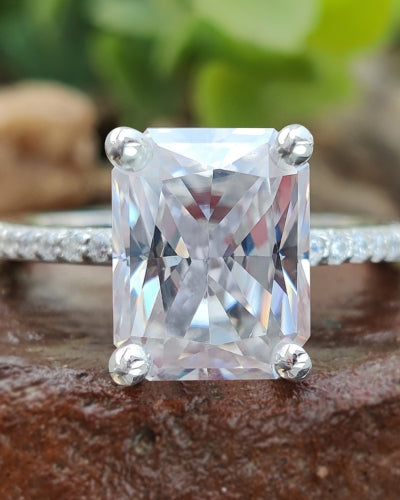
Radiant Cut
Overview: Radiant combines the trimmed corners of an emerald with brilliant cut facets — a modern energetic shape with great fire.
Radiant cut diamond placeholder

Heart Cut
Overview: The heart cut is symbolic and romantic — requires excellent symmetry and is often chosen for pendants or intimate gifts.
Heart cut diamond placeholder

Unique & Novelty Shapes (Shield, Hexagon, Kite)
FancyDiamondJewels carries a wide selection of unique shapes for those seeking something different. These shapes are eye-catching, custom-friendly, and perfect for bespoke pieces.
Shape Comparison — Table & Chart
| Shape | Best For | Look | Care Consideration |
|---|---|---|---|
| Round | All occasions, solitaires | Max sparkle | Very durable |
| Princess | Modern rings, channel settings | Sharp, geometric | Protect corners |
| Emerald | Vintage, statement rings | Elegant, clear flashes | Show inclusions easily |
| Oval/Pear/Marquise | Elongating silhouettes | Larger look per ct | Guard points |
Visual infographic placeholder
Infographic — Diamond shapes comparison placeholder

Case Studies — Real Customers (E-E-A-T real-experience paragraphs)
Case Study 1 — The Classic Round Solitaire
Client: A couple who preferred classic elegance. They chose a 1.25ct Round Brilliant set as a six-prong solitaire. Outcome: Maximum sparkle, lifetime versatility. The client highlighted that the round shape kept the ring timeless and was easy to match with wedding bands.
Case Study 2 — The Oval for Finger-Length
Client: A buyer with short fingers who wanted perceived size. Outcome: An oval cut achieved the desired lengthening effect and improved perceived size without increasing carat weight. The customer reported the ring looked larger and more flattering than a round of the same carat.
Case Study 3 — Emerald Cut Statement Piece
Client: Someone who valued clarity and a vintage look. Outcome: An emerald-cut diamond in a bezel setting offered a bold, elegant look. The buyer was advised to select a higher clarity grade to reduce visible inclusions.
Step-by-step Guide: How to Choose Your Diamond Shape
- Define your style: Classic? Modern? Vintage?
- Study finger proportions: Elongated shapes suit shorter fingers; wider bands suit larger fingers.
- Set a budget: Allocate for center stone, setting, and any side stones.
- Prioritize 2 features: Sparkle vs clarity emphasis; choose the shape accordingly.
- Try on options: Virtually or in-store, try different shapes and settings.
- Inspect the stone: Look for symmetry, bow-tie areas, and inclusion visibility.
- Confirm mounting: Protective prongs for pointed/square shapes; open galleries for step cuts.
- Purchase & insure: Ask FancyDiamondJewels about certifications and aftercare.
Styling Tips & Setting Recommendations
Solitaire
Best for Round, Oval, Pear, Cushion — a solitaire draws full attention to the center shape.
Halo
Brilliant halos amplify visual size — ideal for cushion, round, and princess shapes.
Three-stone
Works beautifully with emerald center stones flanked by trapezoid or tapered baguettes.
Bezel & Tension
Modern bezel and tension settings protect delicate points and offer a minimalist look.
Care & Maintenance
Diamond care is straightforward but depends on shape and setting.
- Clean regularly with gentle solution and a soft brush.
- For step cuts, inspect inclusions periodically and avoid heavy knocks.
- Protect sharp corners with prongs or a bezel—princess and marquise benefit most.
Pros & Cons — Quick Reference
| Shape | Pros | Cons |
|---|---|---|
| Round | Max sparkle, versatile | Higher price per carat |
| Princess | Modern look, great in channels | Fragile corners |
| Emerald | Elegant, large table | Shows inclusions |
Explore Matching Collections at FancyDiamondJewels
Browse verified collections and product pages while you decide:
- Round Brilliant Collection
- Cushion Cut Collection
- Cushion cut rings
- Square & Princess style collection
- Shield & Unique Shapes
- Lab Grown Diamond Rings
Examples & Visuals
Below are styled examples that help explain how shape + setting = final character of the ring.
Example A — Round Solitaire in Platinum
Clean, timeless, and highly reflective. Perfect for someone who wants an heirloom classic.
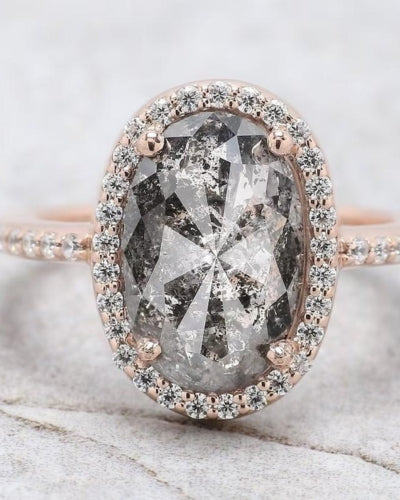
Example B — Oval Halo in Rose Gold
Warm metal and halo increase perceived size and softness; ideal for romantic styling.
Example C — Emerald with Trapezoid Shoulders
Architectural and sharp — a statement piece that highlights clarity and facet structure.
Questions to Ask Before Buying
- Does the stone have a certificate? (Ask for lab or internal report.)
- Are there images/videos of the actual stone (not stock)?
- How will the setting protect corners and points?
- Can I see the stone in different lighting conditions?
- What is your return and resizing policy?
Pricing & Budget Tips
Round cuts typically command a premium. Fancy shapes (oval, cushion, pear) can be more cost-effective if you want visual size. Step cuts may be less per carat but require higher clarity.
Wedding Band Matching
Consider band contouring: certain shapes like marquise and pear may require specially contoured bands to sit flush with the center stone.
Final Trade-offs to Consider
- Choose sparkle (brilliant) vs drama (step cuts).
- Decide whether perceived size or brilliance is more important.
- Think about longevity: protect points and corners.
FAQs
What diamond shape looks biggest for the carat weight?
Elongated shapes like oval, marquise and pear usually appear larger face-up than round or square stones of the same weight because their surface area is greater.
Which shapes hide inclusions best?
Brilliant-cut shapes (round, radiant, cushion, princess) disperse light and can mask inclusions better than step cuts (emerald, asscher), which display clarity more clearly.
Are fancy shapes cheaper than round?
Often yes—round brilliants typically carry a premium. Fancy shapes may provide better value per carat but can vary by popularity.
What is a bow-tie and which shapes show it?
A bow-tie is a dark shadow across the center of elongated brilliant cuts like oval, pear and marquise. Proper facet arrangement minimizes it.
Which shape is best for pendants?
Pear, round and heart shapes work beautifully as pendants. Bezel or secure prong settings help protect the stone.
How should I protect a princess-cut diamond?
Use V-prongs or bezel settings to protect the sharp corners from chipping and daily wear.
Is there a difference between cushion and cushion-modified cuts?
Yes — cushion-modified cuts have modern facet arrangements that increase brilliance, while traditional cushions have a chunkier facet pattern and vintage look.
Can I change the shape later?
Reshaping a diamond is not feasible without losing significant weight and value. Choose carefully — buyers sometimes remount but rarely recut.
Do lab-grown diamonds come in all shapes?
Yes — lab-grown diamonds are available in most shapes including round, princess, cushion, radiant, emerald and fancy shapes.
Which shapes are most popular in engagement rings today?
Round and oval remain very popular, with cushion and princess also strong. Trends vary year to year; FancyDiamondJewels collections show seasonal shifts.
Call to Action
If you’re ready to try shapes side-by-side, explore curated collections or request actual stone photos:
Explore Round Brilliants Browse Cushion Cuts
Prefer a personal consultation? Contact FancyDiamondJewels from the product pages above to request live images, video inspections, and custom mounting options.


Hinterlasse einen Kommentar
Diese Website ist durch hCaptcha geschützt und es gelten die allgemeinen Geschäftsbedingungen und Datenschutzbestimmungen von hCaptcha.