
Article: How to Style Natural Silver Jewelry for Everyday Wear: A Complete Guide to Effortless Elegance
How to Style Natural Silver Jewelry for Everyday Wear: A Complete Guide to Effortless Elegance
Some accessories make an outfit feel complete without demanding attention. Natural silver jewelry does exactly that. Its cool, luminous finish, understated sophistication, and remarkable versatility make it a beautiful choice for everyday dressing. Whether you prefer delicate silver chains, sculptural earrings, simple rings, or meaningful gemstone pendants, the right combination can transform even the most uncomplicated outfit into a polished personal statement.
The secret to wearing silver every day is not owning an overflowing jewelry collection. It is understanding proportion, choosing pieces that complement your wardrobe, balancing different textures, and creating combinations that feel comfortable enough for real life. A fine silver necklace can soften a structured work outfit, silver hoops can bring definition to a casual weekend look, and a thoughtfully chosen ring stack can make a simple knit sweater feel intentional.
Natural silver jewelry also works beautifully across personal styles. Minimalists can embrace clean lines and understated pieces, romantics can explore delicate pendants and organic details, and fashion enthusiasts can experiment with layered necklaces, mixed metals, and expressive statement designs. With a few practical styling principles, silver becomes less of an occasional accessory and more of a signature part of your everyday appearance.
- Start with one versatile silver necklace, a comfortable pair of earrings, and a simple ring or bracelet.
- Match jewelry proportions to your neckline, outfit structure, and personal comfort.
- Layer pieces of different lengths rather than allowing every necklace to sit at the same point.
- Combine silver with neutral colors, denim, pastels, bold colors, and textured fabrics.
- Mix silver with gold intentionally by repeating both metals across your accessories.
- Protect silver from moisture, harsh chemicals, and unnecessary friction to maintain its finish.
In this guide, you will discover how to style natural silver jewelry for everyday wear, build a versatile jewelry wardrobe, coordinate accessories with different outfits, care for your favorite pieces, and develop a personal look that feels refined without becoming complicated.
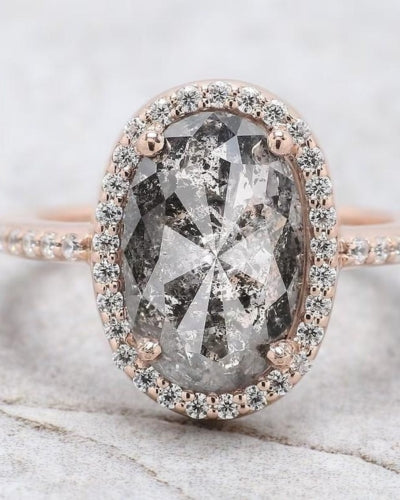
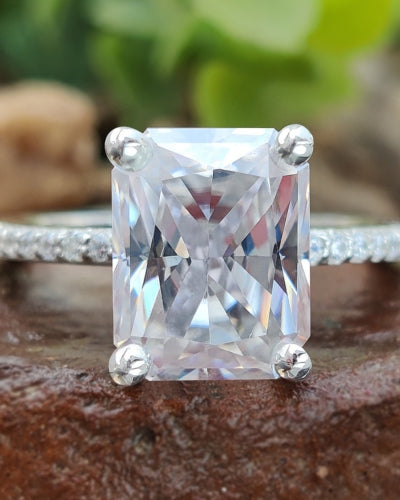
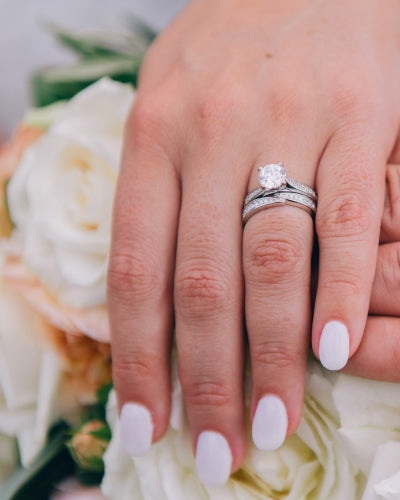
Natural silver jewelry styling inspiration featuring delicate silver necklaces, minimalist rings, and elegant everyday accessories

Table of Contents
- Why natural silver jewelry belongs in an everyday wardrobe
- Understanding natural silver and sterling silver
- Building a versatile silver jewelry collection
- How to style silver necklaces
- Choosing everyday silver earrings
- Styling silver rings and ring stacks
- How to wear silver bracelets and bangles
- The art of layering silver jewelry
- Matching silver necklaces to necklines
- Choosing clothing colors that complement silver
- Silver jewelry for work and professional outfits
- Casual everyday silver jewelry styling
- Styling silver for dinner and evening occasions
- Minimalist silver jewelry styling
- Making statement silver jewelry wearable
- Mixing silver with gold and other metals
- Pairing silver with gemstones
- Choosing silver jewelry for your complexion
- Balancing jewelry proportions
- Styling silver jewelry through the seasons
- Creating a signature everyday jewelry look
- A step-by-step daily styling routine
- Five practical outfit formulas
- Silver jewelry style comparison chart
- Pros and considerations of everyday silver
- Common silver jewelry styling mistakes
- Everyday silver jewelry care and storage
- Three everyday styling examples
- Choosing silver jewelry for your lifestyle
- Frequently asked questions
1. Why Natural Silver Jewelry Belongs in an Everyday Wardrobe
Everyday jewelry should feel effortless. It should complement your clothes, suit your routine, and remain comfortable from morning errands to evening plans. Silver is particularly appealing because its cool-toned shine works with a wide range of colors, materials, and design aesthetics.
A versatile finish for different personal styles
Silver can appear delicate and understated in a fine chain, contemporary in a geometric cuff, romantic in a small floral pendant, or bold in a pair of sculptural earrings. This range makes it easy to adapt silver accessories to different moods without completely changing your jewelry collection.
Easy coordination with everyday clothing
White shirts, black dresses, denim, knitted tops, tailored trousers, and relaxed linen outfits all provide attractive backgrounds for silver. The metal's reflective finish can introduce visual interest without competing with printed fabrics or colorful clothing.
A balance between simplicity and luxury
Silver does not need to be oversized or elaborate to look luxurious. A carefully proportioned pendant, well-finished hoop earrings, or a thoughtfully selected ring can create a polished impression through material quality, craftsmanship, and restraint.
The most useful principle is to select jewelry that works with your actual lifestyle. If you spend long hours typing, low-profile rings and bracelets may be more comfortable. If you prefer simple outfits, a distinctive necklace can become the focal point. If you wear patterned clothing frequently, small silver earrings may provide just the right finishing touch.
2. Understanding Natural Silver and Sterling Silver
Before building an everyday jewelry collection, it helps to understand what the term silver means. Pure silver, sterling silver, and silver-plated jewelry are different materials or constructions, and those differences affect durability, maintenance, and long-term wear.
Fine silver and sterling silver
Fine silver is typically marked .999, indicating approximately 99.9% silver. It is relatively soft, making it less suitable for certain jewelry designs that experience frequent impact or pressure. Sterling silver is generally marked 925 and contains 92.5% silver, with the remaining percentage made up of other metals that improve its working properties. Custom Ring Builder
Sterling silver is widely used for jewelry because its composition provides a practical balance of beauty, workability, and durability. However, the performance of any piece also depends on its thickness, design, construction, setting, and finish.
What does a 925 hallmark mean?
A 925 mark generally identifies sterling silver. Depending on the item and applicable marking requirements, you may also see a maker's mark or other identifying stamp. A hallmark is useful evidence, but a stamp alone is not a complete guarantee of authenticity. Buy from a seller that clearly describes the metal composition and provides appropriate product information.
How is silver-plated jewelry different?
Silver-plated jewelry has a layer of silver over another base material. Its appearance may initially resemble solid sterling silver, but the outer coating can wear away with friction and repeated polishing. Care instructions should therefore reflect the actual material rather than the appearance alone.
| Material | Typical identification | Everyday styling consideration |
|---|---|---|
| Fine silver | .999 or 999 | Beautiful for appropriate designs, but relatively soft. |
| Sterling silver | 925 | A versatile option for many rings, chains, earrings, and bracelets. |
| Silver-plated jewelry | Varies by product | Requires gentle care to protect its surface coating. |
| Rhodium-plated silver | Usually sterling silver with a rhodium finish | Has a bright, reflective appearance; plating may eventually wear. |
For additional guidance on metal composition, explore the sterling silver versus pure silver guide. Understanding your jewelry's actual material helps you make better decisions about daily styling and care.
3. Building a Versatile Silver Jewelry Collection
A practical everyday jewelry wardrobe begins with a few complementary pieces rather than dozens of unrelated accessories. Choose designs that can be worn independently or combined in different ways.
The five foundational pieces
- A delicate silver chain: A simple chain works with T-shirts, button-down shirts, dresses, and knitwear.
- Small silver hoops or studs: These provide a reliable option for work, travel, and casual outings.
- A comfortable everyday ring: Choose a smooth band, understated signet, or simple gemstone design.
- A fine silver bracelet: A slim chain bracelet introduces movement and subtle shine.
- A distinctive pendant: A small charm, geometric motif, or meaningful symbol adds personality.
Choose pieces that work together
Look for shared details, such as similar finishes, rounded edges, geometric shapes, or understated gemstone accents. The pieces do not need to come from the same set. A collection often looks more personal when individual items share a visual language without being identical.
Prioritize comfort and repeat wear
Pay attention to clasp security, earring weight, ring fit, chain length, and bracelet movement. A beautiful piece that constantly catches on clothing or feels uncomfortable is unlikely to become an everyday favorite.
4. How to Style Silver Necklaces for Everyday Wear
Silver necklaces can create a subtle focal point, frame the neckline, or introduce a layered detail to a simple outfit. The right length and chain style matter more than the number of necklaces you wear.
Fine chains for understated elegance
A fine silver chain works particularly well with a crew-neck T-shirt, a crisp white shirt, or a simple knit top. It offers a little reflective detail while preserving the clean lines of the outfit. Wear it alone for a minimalist look or add a small pendant for a personal touch.
Pendant necklaces for personality
A pendant introduces a clear focal point. Round, oval, geometric, and organic designs can each create a different mood. Small pendants are easy to wear every day, while larger designs work well with simple clothing that leaves enough visual space around the jewelry.
Layering chains of different lengths
For a balanced layered necklace look, choose two or three chains with noticeable differences in length or texture. For example, a short plain chain can sit above a medium-length pendant, while a longer, finer chain creates an additional vertical line.
- Choose the necklace you want to be the main focal point.
- Add a shorter or longer chain to establish separation.
- Vary the chain texture or pendant shape to create definition.
- Check that the pieces do not overlap awkwardly when you move.
- Remove one layer if the outfit already has a busy neckline or strong pattern.
When layering, keep the overall weight comfortable. Heavy pendants and delicate chains may not work well together if their clasps or links are not designed for the combined movement.
Choosing a necklace for your daily routine
For commuting and desk work, smooth chains and low-profile pendants are practical choices. For weekends, try a slightly bolder pendant or a relaxed combination of two chains. For evenings, a polished silver necklace can provide a bright accent against black, navy, or deep green clothing.
Layered natural silver necklaces featuring different chain lengths styled over a neutral everyday outfit
5. Choosing Everyday Silver Earrings
Earrings are among the easiest accessories to wear regularly because they can elevate an outfit without requiring extensive coordination. The best everyday pair is one that feels comfortable and suits both your clothing and your routine.
Silver studs for understated polish
Small studs are an excellent starting point for anyone who prefers minimal jewelry. Round silver studs, tiny geometric shapes, and subtle gemstone designs pair well with professional outfits, casual clothing, and relaxed weekend looks.
Hoops for a versatile everyday look
Small and medium hoops provide more visual presence than studs while remaining easy to coordinate. Smooth hoops look contemporary, while textured or softly irregular designs add a more artistic character.
Drop earrings for added movement
Short drop earrings create a graceful vertical line and work well with open necklines, simple blouses, and dresses. For daily wear, choose a lightweight design that does not pull uncomfortably on the earlobe.
How to coordinate earrings with other jewelry
- Wear small studs with a layered necklace for a balanced, understated combination.
- Pair medium hoops with a simple chain and one or two rings.
- Choose more noticeable earrings when you want them to be the outfit's focal point.
- Keep other accessories relatively quiet when wearing large sculptural earrings.
Consider your practical environment, too. Long earrings may be less convenient when wearing headphones, exercising, or working around machinery. Remove earrings when necessary for safety, comfort, or workplace requirements.
6. Styling Silver Rings and Ring Stacks
Rings are small accessories with a surprisingly strong visual impact. A single silver band can feel timeless, while a carefully arranged group of rings can create a contemporary, personalized look.
Start with one everyday ring
A smooth band or simple signet ring is easy to wear with almost any outfit. Choose a comfortable fit that allows natural finger movement and does not interfere with daily tasks. Rings should not feel painfully tight, especially when your fingers swell slightly in warm weather.
How to create a balanced ring stack
Combine different widths or profiles rather than choosing several rings that compete for exactly the same visual space. A slim band beside a slightly wider ring often looks more intentional than a group of equally thick designs.
- Select one ring to act as the anchor.
- Add a thinner band with a complementary finish.
- Consider a small gemstone or textured ring for contrast.
- Leave at least one finger unadorned if the overall look feels crowded.
- Check for rubbing, pinching, and discomfort before wearing the combination for a full day.
One hand or both hands?
Concentrating rings on one hand can create a defined focal point. Distributing them across both hands can feel more relaxed, particularly when the designs are delicate. Neither approach is a strict rule; choose the arrangement that feels natural and proportionate to your hands. Gemstone Ring Collection
Silver rings with gemstone accents
A gemstone ring can introduce color without losing the cool elegance of silver. Clear stones create a classic look, while dark, green, blue, or softly colored stones can make the combination more expressive. Always consider the setting's durability and the gemstone's care requirements before choosing a ring for daily use.
7. How to Wear Silver Bracelets and Bangles
Silver bracelets add movement to your outfit and bring attention to your hands and wrists. The most wearable styles complement your daily activities without clattering excessively or catching on sleeves.
Delicate chain bracelets
A fine chain bracelet offers understated shine and works with short sleeves, rolled cuffs, and simple dresses. A secure clasp and appropriate fit are essential because loose bracelets can snag or slide off more easily.
Silver bangles for a structured look
A slim bangle creates a clean, defined shape. Wearing one alone feels minimalist, while combining two or three different profiles adds texture. Avoid stacking so many pieces that they interfere with typing, writing, or other repeated hand movements.
Combining a watch and silver bracelets
A silver-toned watch can coordinate naturally with a silver bracelet. A useful starting point is to keep the bracelet slim and allow the watch to remain the main focal point. If the watch has a substantial case, one understated bracelet may be enough.
How many bracelets should you wear?
There is no universal number. One bracelet gives a clean appearance, two can provide a little contrast, and a small coordinated stack creates more visual interest. Choose based on weight, noise, comfort, and the formality of your environment.
8. The Art of Layering Silver Jewelry
Layering works best when each piece contributes something distinct. The objective is not simply to wear more jewelry, but to create a deliberate relationship between length, scale, texture, and shine.
Use different lengths
Necklaces that sit at different points along the neckline are easier to distinguish. If two pendants repeatedly overlap, change the chain lengths or replace one necklace with a plain chain.
Combine textures thoughtfully
A smooth chain, a subtly textured pendant, and a polished ring can create interest without appearing overly coordinated. Contrast is often more effective than matching every detail exactly.
Balance visual weight
If you choose bold earrings, reduce the number of necklaces. If you wear several rings, consider a simple bracelet. This approach creates balance while allowing each piece to be appreciated individually.
The two-piece, three-piece, and statement formulas
| Formula | Example | Best for |
|---|---|---|
| Two-piece | Silver studs and a fine chain | Minimal everyday outfits |
| Three-piece | Small hoops, pendant necklace, slim ring | Work and casual outings |
| Layered | Two chains, small hoops, ring stack | Relaxed outfits with simple lines |
| Statement | Sculptural earrings and one understated ring | Evening looks and special occasions |
Remember that these formulas are starting points rather than rules. Your preferred combination should reflect your personality, comfort, and the clothes you enjoy wearing most.
9. Matching Silver Necklaces to Different Necklines
The neckline of a garment changes how a necklace appears. A suitable chain length can create a harmonious line, while a poorly positioned pendant may compete with the clothing's shape.
Crew-neck tops
A short chain or small pendant can sit just above the neckline, creating a subtle accent. Alternatively, wear a longer necklace over a plain top to create a vertical line.
V-neck tops
A pendant that follows the V shape can look balanced and intentional. A simple chain is particularly effective when the neckline already provides a strong visual direction.
Collared shirts
Wear a fine chain inside an open collar for a relaxed look, or place a small pendant over a plain shirt. For a more formal appearance, a delicate necklace tucked beneath the collar can be enough.
High necklines and turtlenecks
Longer necklaces often work well over high-neck tops because they create contrast and break up a large uninterrupted area of fabric. A pendant with a clear silhouette is especially useful.
Strapless and open necklines
Open necklines provide space for a short necklace, delicate pendant, or carefully layered chains. If the outfit is already highly embellished, understated silver jewelry may be the most effective choice.
10. Choosing Clothing Colors That Complement Silver
Silver is a flexible styling metal because its cool reflective quality works with both quiet neutrals and expressive colors. The strongest combinations depend on contrast, fabric texture, and the mood you want to create.
White and cream
White clothing creates a fresh, clean backdrop for silver. Cream and ivory offer a softer contrast, allowing polished silver to stand out without making the outfit feel stark.
Black and charcoal
Black creates a strong contrast that emphasizes the shine of silver jewelry. Charcoal offers a more understated variation, particularly when paired with brushed or satin-finish silver.
Blue and denim
Silver pairs naturally with denim, navy, pale blue, and many blue-gray shades. A simple chain and small hoops can make jeans and a shirt feel more finished without losing their relaxed character.
Pastels and soft neutrals
Lavender, pale blue, blush pink, sage, and soft gray can complement silver beautifully. Delicate jewelry works especially well with these colors when the goal is a gentle, understated look.
Bold colors and prints
Silver can also work with red, emerald green, cobalt blue, and colorful prints. When clothing is visually busy, choose simpler jewelry shapes. When clothing is plain, a distinctive silver accessory can provide contrast.
| Clothing color | Silver jewelry suggestion | Overall effect |
|---|---|---|
| White | Fine chains and polished studs | Fresh and luminous |
| Black | Bold hoops or a bright pendant | Modern and striking |
| Denim blue | Everyday hoops and a simple ring | Relaxed and polished |
| Beige | Textured silver and organic shapes | Soft and contemporary |
| Sage green | Delicate silver and green gemstones | Natural and harmonious |
| Red | Minimal studs and one statement ring | Confident and balanced |
| Lavender | Fine silver chains and small pendants | Gentle and refined |

11. Silver Jewelry for Work and Professional Outfits
Workwear often benefits from accessories that look intentional without distracting from the overall appearance. Silver jewelry is a practical option because it can add polish to tailored clothing while remaining understated.
Styling silver with a blazer
A tailored blazer pairs well with small hoops, a fine chain, and a simple ring. If the blazer has a structured collar or decorative buttons, choose jewelry that complements those details rather than competing with them.
Office-friendly earrings and necklaces
Studs, small hoops, and lightweight drop earrings are useful choices for long working days. A single necklace or a restrained two-chain combination can add character to a plain shirt or dress.
Professional jewelry for presentations and meetings
When dressing for a formal meeting, consider choosing one focal accessory and keeping the remaining pieces simple. A polished pendant or elegant pair of earrings can provide visual definition without creating unnecessary distraction.
Comfort during a long workday
Low-profile rings and secure bracelets are often more convenient when typing, writing, or handling equipment. If your workplace has safety requirements, follow them and remove jewelry that could catch on machinery or interfere with protective equipment.
12. Casual Everyday Silver Jewelry Styling

Casual outfits offer an opportunity to wear silver in a relaxed and personal way. Rather than reserving jewelry for formal occasions, use a few versatile pieces to give everyday clothing more definition.
Jeans and a T-shirt
Combine straight-leg jeans, a plain T-shirt, small silver hoops, and a fine chain. Add a silver ring or slim bracelet if you want more detail. This formula works because the jewelry introduces texture without making the outfit feel overdressed.
Oversized shirts and relaxed trousers
Loose silhouettes can be balanced with clean, defined accessories. A medium-length pendant or small sculptural earrings provide contrast against relaxed fabric and generous proportions.
Knitted sweaters and cardigans
Silver jewelry can bring brightness to soft knitwear. Try a pendant over a plain sweater, a delicate bracelet with rolled sleeves, or a pair of hoops that remain visible around the face.
Weekend dresses
For a casual dress, select jewelry according to the print and neckline. A patterned dress may need only simple studs, while a plain dress offers more room for layered chains or a distinctive ring.
13. Styling Silver for Dinner and Evening Occasions
Everyday silver pieces can transition into evening wear with a small adjustment. You do not necessarily need an entirely separate collection for dinner, celebrations, or informal events.
Choose one stronger focal point
Switch small daytime studs for polished hoops, add a distinctive pendant, or choose a ring with an expressive silhouette. Keep the rest of your jewelry relatively restrained so that the focal point remains clear.
Pair silver with darker fabrics
Black, navy, burgundy, and deep green create attractive backdrops for silver. Smooth metal surfaces catch the light, while textured finishes add dimension without requiring additional color.
Use layers to create a dressier effect
Two complementary necklaces can add depth to a simple evening top. Keep the chains separated and choose pendants that work together in scale. A small gemstone detail can make the combination feel more individual.
For evening styling, the objective is not necessarily to wear more jewelry. It is to choose pieces with enough visual presence to complement the occasion while preserving the ease of your personal style.
14. Minimalist Silver Jewelry Styling
Minimalist styling relies on careful selection. Instead of combining many accessories, it uses a small number of pieces with clean shapes, thoughtful proportions, and consistent finishes.
Focus on shape and craftsmanship
A plain silver band, a delicate chain, and simple stud earrings can create a complete look when their proportions feel harmonious. Small details, including clasp quality, smooth edges, and a well-balanced design, become especially noticeable when the overall styling is simple.
Keep a consistent visual theme
Choose either smooth and polished pieces, softly textured designs, or a restrained combination of both. Repeating a shape, such as a circle or oval, can help separate pieces feel connected.
Minimalist styling formula
- One fine chain or small pendant.
- One pair of comfortable studs or small hoops.
- One ring or slim bracelet.
- Neutral clothing with clean lines.
This approach is especially useful when you want a signature everyday look that requires little planning in the morning.
15. Making Statement Silver Jewelry Wearable
Statement jewelry does not need to be reserved for special events. Larger silver earrings, chunky rings, and bold pendants can work in everyday outfits when the rest of the styling is kept deliberate.
Let one accessory lead
Choose the statement piece first. If you are wearing large hoops, consider a fine necklace rather than several bold chains. If your ring is substantial, balance it with simpler earrings.
Use simple clothing as a backdrop
Plain shirts, solid-color dresses, and uncomplicated knitwear allow distinctive jewelry to stand out. A statement necklace can become the main detail in an otherwise minimal outfit.
Consider weight and movement
Large jewelry may be more noticeable during a long day. Check that earrings are comfortable, rings do not interfere with your hands, and bracelets do not snag on clothing. Visual impact should not come at the expense of comfort.
16. Mixing Silver with Gold and Other Metals
Mixing silver and gold can make a jewelry collection more versatile. Rather than treating the metals as competing choices, think of them as complementary finishes that can connect different pieces in your wardrobe.
Start with a shared design detail
A two-tone ring, a watch with mixed-metal details, or a necklace combining silver and gold elements provides an easy starting point. Shared shapes or similar textures can also help different metals feel coordinated.
Repeat each metal intentionally
If you wear a silver necklace with gold earrings, consider adding a two-tone watch or ring that connects the combination. The metals do not need to appear in equal amounts, but repeating a secondary tone can make the overall styling feel deliberate.
Try a dominant-metal approach
Choose silver as the primary finish and introduce a small gold accent, or reverse the arrangement. This is often easier than starting with many pieces in different finishes and trying to make them work together.
| Approach | Example combination | Styling result |
|---|---|---|
| Silver dominant | Silver hoops, silver chain, gold-accented watch | Cool-toned with a warm detail |
| Gold dominant | Gold necklace, silver ring, two-tone bracelet | Warm and contemporary |
| Balanced mix | Two-tone necklace, silver earrings, gold ring | Eclectic and intentional |
For more guidance on coordinating metals, read the silver versus gold jewelry styling guide.
17. Pairing Natural Silver Jewelry with Gemstones
Silver provides a versatile background for gemstones because its cool metallic finish can emphasize color, transparency, texture, and distinctive stone patterns. A gemstone pendant or ring can also make an everyday jewelry combination feel more personal.
Clear gemstones for timeless styling
Clear gemstones create a bright, understated look against silver. A small clear-stone pendant works with workwear, casual clothing, and evening outfits. When selecting gemstone jewelry for everyday wear, pay attention to the setting's security and the stone's suitability for frequent use.
Blue gemstones for cool-toned combinations
Blue stones can create a harmonious palette with silver. Pair a blue pendant with white, navy, gray, or denim, or use a blue gemstone ring as the single colorful element in an otherwise neutral outfit.
Green gemstones for natural contrast
Green gemstones introduce color without losing the understated character of silver. Deep green shades can contrast beautifully with black and charcoal, while lighter greens complement cream, beige, and soft pastel clothing.
Dark gemstones for a contemporary look
Black, charcoal, and smoky stones give silver jewelry a more dramatic appearance. Their contrast is particularly effective with simple geometric settings, dark clothing, and minimalist outfits.
How to keep gemstone styling balanced
- Choose one colorful gemstone as the focal point when wearing several silver accessories.
- Repeat a gemstone color in a small clothing detail if you want a coordinated appearance.
- Use simpler silver pieces alongside unusually patterned or visually complex stones.
- Confirm that the stone can tolerate the cleaning method you plan to use.
- Inspect the setting periodically for movement or looseness.
Not every gemstone is suitable for rough handling, frequent soaking, or ultrasonic cleaning. Pearls, opals, turquoise, and other sensitive materials may require specialist care. Always follow the recommendations for the specific stone and its setting.
Silver gemstone ring and pendant styling inspiration featuring understated natural colors and elegant everyday jewelry

18. Choosing Silver Jewelry for Your Complexion
Silver is often associated with cool undertones, but it can look attractive on a wide range of complexions. Your personal preference, the brightness of the finish, the clothing you wear, and the jewelry's design all influence the final effect.
Cool undertones
Cool undertones are often complemented by bright silver, white metals, and cool-colored gemstones. Blue, violet, and clear accents can reinforce this palette, although there is no need to restrict your choices to these colors.
Warm undertones
Silver can provide a crisp contrast against warm or golden undertones. If bright silver feels too stark, try brushed finishes, oxidized details, or mixed-metal jewelry that introduces a warmer accent.
Neutral undertones
Neutral undertones can often accommodate a broad range of metallic finishes. Use your clothing colors and personal preferences to decide whether bright silver, darker finishes, or two-tone designs feel most natural.
A simple way to experiment
Try a silver necklace and a gold-toned accessory beside your face in natural daylight. Observe which combination makes you feel most confident and which works best with your usual clothing. This is a styling experiment, not a scientific test, and there is no requirement to choose a single metal forever.
For additional ideas, explore the guide to choosing silver and gold jewelry for your skin tone.
19. Balancing Jewelry Proportions
Proportion can make a greater difference to everyday styling than the price or number of accessories. Jewelry looks balanced when its scale works with the outfit's shape, the neckline, and the visual weight of the other pieces.
Fine jewelry with structured clothing
A delicate chain can soften a structured blazer, while small hoops can add a subtle shine to a crisp shirt. If the clothing has strong shoulders, large buttons, or pronounced tailoring, simple jewelry can provide a useful contrast.
Bold jewelry with simple silhouettes
A chunky silver necklace or oversized hoop can work beautifully with a plain dress or uncomplicated top. When clothing is minimal, a larger accessory can become a deliberate focal point rather than a competing detail.
Long necklaces and vertical lines
Longer necklaces draw the eye downward and can create a continuous line over a simple top. They are especially useful with high necklines and uncomplicated silhouettes, provided the chain does not interfere with movement.
Balance without following rigid rules
Jewelry styling should not be treated as a set of body-shape restrictions. Wear the pieces you love. Use proportion as a tool for creating a particular visual effect, not as a reason to avoid an accessory you enjoy.
20. Styling Silver Jewelry Through the Seasons
Silver can be worn year-round. Seasonal styling mainly involves changing the balance between jewelry, fabric, color, and layering.
Spring: Light layers and delicate details
Pair fine silver chains and small hoops with lightweight shirts, soft knits, and pastel clothing. A delicate pendant can complement the lighter textures commonly worn during spring.
Summer: Simple pieces and breathable fabrics
Silver works well with linen, cotton, and relaxed summer dresses. Choose comfortable pieces that suit warm conditions, and remove jewelry before swimming or activities involving chemicals and excessive moisture.
Autumn: Textures and deeper colors
Layered silver necklaces and textured rings pair well with sweaters, jackets, and deeper shades such as burgundy, forest green, and charcoal. Silver provides a cool contrast to heavier fabrics.
Winter: Jewelry against knitwear and outer layers
Long necklaces can stand out against high-neck sweaters, while small hoops remain visible around scarves and coats. Take care that chains and earrings do not catch on knitted fibers or other delicate materials.
Keep the same core pieces all year
You do not need to replace your jewelry collection every season. A versatile chain, comfortable earrings, and a favorite ring can remain useful throughout the year. Seasonal adjustments can come from the way you layer them and the colors you choose to wear alongside them.
21. Creating a Signature Everyday Jewelry Look
A signature look develops through repetition. It may involve the same small hoops, a favorite pendant, a distinctive ring, or a consistent combination of two or three pieces. The goal is to make your accessories feel like a natural extension of your personal style.
Identify what you reach for most often
Look at the pieces you wear repeatedly. Do you prefer simple geometric designs, organic shapes, polished finishes, dark gemstones, or delicate chains? These preferences can help you choose new pieces that fit your existing wardrobe.
Create a personal jewelry uniform
A jewelry uniform is a reliable combination you can wear without much thought. For example, small hoops, a fine necklace, and one ring may work with most of your outfits. On days when you want variety, replace one piece rather than rebuilding the entire look.
Make room for individual expression
Your signature look should not become a restriction. A distinctive statement ring, an inherited pendant, or a meaningful charm can add individuality even when the rest of your jewelry is minimal.
Choose meaningful pieces
Some jewelry becomes important because it marks a memory, a relationship, or a personal milestone. Incorporating meaningful pieces into everyday outfits can make a jewelry collection feel more individual than one built entirely around trends.
22. A Step-by-Step Daily Silver Jewelry Styling Routine
If you want to style silver jewelry quickly each morning, use a repeatable process. It helps you coordinate your accessories with your clothes without overthinking every detail.
Step 1: Choose your clothing first
Begin with the outfit you plan to wear. Notice the neckline, color, fabric, and overall level of formality. These details will guide the jewelry you choose.
Step 2: Decide what should stand out
Select one focal point. It could be a pendant, a pair of hoops, a gemstone ring, or a bracelet. The remaining pieces should support that choice rather than compete with it.
Step 3: Add your foundational piece
Choose the accessory that works most naturally with your outfit. For an open neckline, this may be a necklace. For a patterned top, it may be a simple pair of earrings. For a short-sleeved outfit, a bracelet might be the most effective finishing detail.
Step 4: Add one or two complementary pieces
Introduce another accessory if the outfit benefits from it. Consider finish, shape, and proportion. If your main piece is large, keep the additional jewelry understated.
Step 5: Check the overall balance
Look at the complete outfit in a mirror. Check whether the jewelry feels comfortable, whether the necklace sits correctly, and whether anything catches on your clothing. Remove one piece if the combination feels crowded.
Step 6: Check comfort and security
Before leaving, make sure earring backs and necklace clasps are secure and rings fit comfortably. Remove jewelry that could interfere with work equipment, physical activity, or other safety requirements.
Step 7: Care for the pieces after wearing
At the end of the day, gently wipe silver jewelry with a clean, soft cloth when appropriate. Store pieces separately in a dry place, particularly if they have delicate finishes or gemstones.
23. Five Practical Outfit Formulas for Everyday Silver Jewelry
Formula 1: The polished office look
Outfit: Tailored trousers, a crisp shirt, and a structured blazer.
Jewelry: Small silver hoops, a fine chain, and a simple ring.
Why it works: The clean metallic finish complements the outfit's structure without competing with its professional character.
Formula 2: The effortless weekend look
Outfit: Jeans, a plain T-shirt, and comfortable shoes.
Jewelry: Medium hoops, a pendant necklace, and a slim bracelet.
Why it works: The jewelry adds definition to basic clothing while keeping the overall look relaxed.
Formula 3: The soft, feminine look
Outfit: A flowing dress in cream, blush, or a muted floral print.
Jewelry: Delicate drop earrings, a small pendant, and a fine ring.
Why it works: Lightweight silver details complement soft fabrics and gentle colors without overwhelming the outfit.
Formula 4: The contemporary monochrome look
Outfit: Black trousers, a charcoal top, and a black jacket.
Jewelry: Sculptural silver earrings, a polished ring, and one simple chain.
Why it works: The silver creates contrast against the dark palette, providing a clear focal point.
Formula 5: The relaxed creative look
Outfit: An oversized shirt, relaxed trousers, and a simple knit layer.
Jewelry: A medium-length pendant, textured silver ring, and a slim bangle.
Why it works: The combination of clean metal shapes and relaxed clothing creates a balanced, individual style.
Everyday silver jewelry outfit inspiration featuring a fine pendant, silver hoops, a ring, and a delicate bracelet

24. Silver Jewelry Style Comparison Chart
Different jewelry combinations suit different routines. Use this chart as a starting point when deciding which pieces to wear for work, weekends, travel, and evening occasions.
| Style | Key pieces | Ideal clothing | Maintenance consideration |
|---|---|---|---|
| Minimalist | Fine chain, studs, slim ring | Plain tops, tailored outfits | Wipe gently and store separately. |
| Layered | Two or three necklaces, small hoops | Simple necklines and solid colors | Prevent tangling and chain friction. |
| Contemporary | Geometric earrings, sculptural ring | Monochrome and structured clothing | Protect edges and polished surfaces. |
| Romantic | Small pendant, delicate bracelet | Flowing dresses and soft fabrics | Keep chains from catching on textiles. |
| Gemstone-focused | Gemstone pendant or ring | Neutral clothing and simple silhouettes | Follow the specific gemstone's care needs. |
| Mixed-metal | Silver pieces with gold accents | Versatile casual and work outfits | Care for each material and finish appropriately. |
Which combination should you choose?
- For busy mornings: Keep a small collection of reliable pieces together so you can coordinate quickly.
- For travel: Choose lightweight, versatile accessories that can be worn with several outfits.
- For frequent typing: Prioritize comfortable rings and bracelets that do not interfere with movement.
- For a statement look: Select one prominent accessory and keep the other pieces relatively simple.
- For a coordinated wardrobe: Choose jewelry that complements the clothing colors and finishes you wear most often.
25. Pros and Considerations of Everyday Silver Jewelry
Silver has many practical styling advantages, but choosing the right piece requires an understanding of its limitations as well as its appeal.
Advantages of silver jewelry
- Versatility: Silver coordinates with many clothing colors, patterns, and personal styles.
- Visual lightness: Fine chains and delicate designs can add shine without dominating an outfit.
- Design variety: Silver is available in minimalist, vintage-inspired, sculptural, and gemstone-focused designs.
- Layering potential: Different chains, rings, and bracelets can be combined to create individual looks.
- Adaptability: The same pieces can often transition from casual clothing to professional and evening outfits.
Considerations before choosing silver
- Tarnishing: Silver can react with sulfur-containing substances and develop a darker surface over time.
- Scratches: Repeated contact with hard surfaces can mark polished metal.
- Material differences: Fine silver, sterling silver, and plated pieces require different care approaches.
- Setting security: Rings and gemstone jewelry need periodic checks to identify loose settings or damage.
- Allergies: Reactions may be associated with alloy metals or other components, depending on the jewelry's composition.
How to decide whether a piece suits daily wear
Consider its construction, weight, finish, and intended use. A simple sterling silver pendant may be well suited to frequent wear, while a delicate fine-silver design or a ring with an exposed, fragile setting may need more careful handling. Material alone does not determine durability; the design and workmanship matter too.
26. Common Silver Jewelry Styling Mistakes to Avoid
Wearing too many focal pieces at once
Bold earrings, a large pendant, a substantial bracelet, and multiple prominent rings can compete for attention. Instead, choose one main accessory and let the others support it.
Ignoring necklace length
Necklaces that sit awkwardly against a neckline can look unbalanced. Experiment with different lengths and check the position while standing and moving.
Choosing style over comfort
Jewelry that pinches, pulls, snags, or interferes with daily tasks is difficult to wear consistently. Check the fit and movement before committing to a full day.
Assuming every silver piece needs identical care
Plated jewelry, gemstone settings, and delicate finishes may require different cleaning methods. Avoid aggressive polishing or soaking until you understand the material and the manufacturer's care instructions.
Matching every accessory too precisely
Identical jewelry sets can look elegant, but they are not the only route to coordination. Pieces with complementary shapes, finishes, and proportions often create a more personal appearance.
Following trends without considering your wardrobe
A fashionable piece is most useful when it works with clothing you already own. Before adding a new accessory, consider how often you would realistically wear it and whether it complements your preferred style.
27. Everyday Silver Jewelry Care and Storage
Good care helps preserve the appearance of silver jewelry and can reduce unnecessary wear. A simple routine is usually more effective than occasional aggressive cleaning.
Wipe jewelry after wearing
Use a clean, soft, lint-free cloth to remove surface oils and fingerprints when appropriate. Gentle wiping is particularly helpful for frequently worn chains, rings, and bracelets. Avoid rough fabrics that may scratch delicate finishes.
Keep silver away from harsh chemicals
Remove jewelry before using household cleaning products, handling bleach, swimming in chlorinated water, or applying products that may affect the metal or its finish. Perfume, hairspray, lotions, and sunscreen can leave residue, so it is generally sensible to apply personal-care products before putting jewelry on.
Clean sterling silver gently
- Check whether the piece is sterling silver, plated silver, or a combination of materials.
- Inspect the piece for loose stones, damaged clasps, or fragile components.
- For suitable plain sterling silver, use lukewarm water and a small amount of mild soap if needed.
- Gently wipe the surface with a soft cloth, avoiding unnecessary abrasion.
- Rinse carefully if the material and construction permit it.
- Dry the piece thoroughly before storing it.
- Use a suitable silver polishing cloth for light tarnish when appropriate.
Do not assume that every piece can be soaked. Jewelry containing porous gemstones, pearls, glued components, fragile finishes, or certain plated surfaces may require a different cleaning approach. If you are uncertain, ask a qualified jeweler for advice.
Store pieces separately
Place necklaces, earrings, rings, and bracelets in separate compartments or soft pouches to reduce tangling and scratches. An anti-tarnish pouch or suitable jewelry box can help protect silver from environmental exposure.
Know when professional inspection is useful
Have gemstone settings, worn clasps, bent components, and visibly damaged pieces checked by a qualified jeweler. Stop wearing a piece if a stone becomes loose or the structure is damaged. Timely repair can help prevent further problems.
For more detailed maintenance advice, visit the jewelry cleaning and storage guide.
28. Three Everyday Styling Examples
The following examples are illustrative styling scenarios, not claims about specific customers or documented product outcomes. They demonstrate how the same principles can be adapted to different lifestyles.
Example 1: The minimalist professional
Style goal: A polished appearance suitable for office days and meetings.
Jewelry combination: Small silver studs, a fine chain, and a smooth silver band.
Outfit: A white shirt, tailored trousers, and a neutral blazer.
Styling rationale: The simple jewelry complements the structured clothing without competing with it. Each piece can also be worn separately on less formal days, making the combination practical for a compact wardrobe.
Possible adjustment: For an evening event, replace the studs with medium hoops or add a small pendant with a distinctive shape.
Example 2: The relaxed weekend dresser
Style goal: An effortless appearance that still feels considered.
Jewelry combination: Medium silver hoops, two delicate necklaces of different lengths, and a slim bracelet.
Outfit: A plain T-shirt, denim, and a lightweight outer layer.
Styling rationale: The layered necklaces introduce texture, while the hoops frame the face. The simple clothing allows the jewelry to remain visible without making the outfit feel formal.
Possible adjustment: If the necklaces tangle or feel too busy, wear one chain and let the earrings provide the main detail.
Example 3: The gemstone jewelry enthusiast
Style goal: Express personal taste through color while keeping the outfit versatile.
Jewelry combination: A silver gemstone pendant, small silver earrings, and one coordinating ring.
Outfit: A solid-color top, neutral trousers, and simple shoes.
Styling rationale: The gemstone becomes the focal point, while the silver setting connects the remaining accessories. A relatively simple outfit allows the stone's color and individual character to stand out.
Possible adjustment: For a more understated look, keep the gemstone pendant and remove the additional ring. For dinner, introduce a more prominent earring while keeping the necklace simple.
What these examples teach us
Effective everyday styling comes from matching jewelry to the situation, clothing, and desired visual effect. You do not need separate accessories for every occasion. A small, versatile collection can create many combinations through thoughtful changes in proportion and emphasis.
29. Choosing Silver Jewelry for Your Lifestyle
The most useful jewelry purchase is one you can wear comfortably and confidently. Instead of choosing a piece based on appearance alone, consider how it will fit into your daily routine.
Check the material description
Look for clear information about metal composition, purity, plating, and finish. If a piece is described as sterling silver, check whether it is marked 925 where applicable. If it is plated, understand that the surface finish may require additional care over time.
Consider your everyday activities
If you use your hands frequently, choose rings that do not interfere with movement. If you wear headphones, consider earrings that remain comfortable. If your clothing includes delicate knits, look for smooth chains and settings that are less likely to snag.
Evaluate versatility before appearance alone
Ask yourself whether the piece works with several outfits, whether it complements your existing accessories, and whether you can imagine wearing it regularly. Versatility is particularly valuable when building a smaller collection.
Look for appropriate construction
Examine the finish, clasp, links, setting, and edges. A well-designed everyday piece should be comfortable, appropriately finished, and suited to its intended use. For gemstone jewelry, also consider the security of the setting and the care needs of the stone.
Choose a piece that feels personal
Jewelry is not simply an accessory; it can be an expression of memory, identity, and taste. A simple silver band, a meaningful pendant, or an unusual gemstone can become more valuable to your personal style than a larger collection of pieces you rarely wear.
- Choose a material that is clearly described.
- Prioritize comfort, suitable construction, and secure clasps.
- Select designs that complement your existing wardrobe.
- Think about maintenance before choosing delicate finishes or gemstones.
- Start with versatile pieces and expand your collection gradually.
- Wear jewelry in ways that express your preferences rather than following every trend.
30. How to Make Everyday Silver Jewelry Feel Luxurious
Luxury styling is often less about quantity and more about intention. Silver jewelry can look refined when its proportions are considered, its surface is well maintained, and the pieces complement rather than overwhelm the outfit.
Pay attention to the finish
Clean, well-maintained jewelry usually looks more polished than pieces covered with residue or tarnish. Gently wipe suitable silver pieces after wear, and use an appropriate cleaning method for their material and finish.
Keep the composition intentional
Choose a focal point, introduce complementary accessories, and leave enough visual space for each item to be appreciated. This is especially effective with fine chains, delicate rings, and understated earrings.
Coordinate jewelry with fabric texture
Polished silver provides a crisp contrast against soft knitwear, while textured silver can work beautifully with linen, denim, and structured cotton. Experiment with the relationship between the metal finish and the fabric rather than relying only on color matching.
Wear fewer pieces with greater confidence
A single well-chosen pendant can make a plain outfit feel complete. A pair of silver hoops can frame the face without requiring additional accessories. The confidence to stop when a look feels balanced is one of the most useful everyday styling skills.
For more jewelry inspiration and material guidance, explore the FancyDiamondJewels blog.
Conclusion: Make Silver Jewelry Part of Your Everyday Signature
Learning how to style natural silver jewelry for everyday wear is about developing a collection that works with your real life. Begin with versatile essentials, understand the material you are wearing, and experiment with different combinations until you discover the proportions and finishes that feel most natural to you.
Wear delicate chains with uncomplicated tops, use silver hoops to elevate casual outfits, introduce rings for a personal touch, and let a gemstone pendant become the focal point when you want a little more color. Mix metals when the combination feels intentional, and choose statement pieces when you want your accessories to express more of your personality.
Just as importantly, take care of your jewelry. Gentle cleaning, suitable storage, and occasional inspection help preserve its appearance and identify potential problems before they become more serious.
The most successful everyday jewelry wardrobe is not necessarily the largest or most expensive. It is the one that makes getting dressed easier, complements the clothes you love, and gives you confidence in your personal style. With a few carefully chosen silver pieces, everyday outfits can feel polished, expressive, and effortlessly elegant.
31. Frequently Asked Questions About Styling Natural Silver Jewelry
1. How do you style natural silver jewelry for everyday wear?
Start with versatile pieces such as small silver hoops, a delicate chain, and a simple ring. Coordinate them with your clothing's neckline, color, and overall style. Choose one focal accessory and add complementary pieces without overcrowding the look. For busy days, prioritize comfort, secure clasps, and designs that work with several outfits.
2. Can you wear silver jewelry every day?
Yes, many silver jewelry pieces are suitable for everyday wear. Sterling silver is commonly used for daily jewelry because its alloy composition provides greater strength than fine silver. However, suitability depends on the design, construction, setting, and activity involved. Remove jewelry during swimming, strenuous activities, and exposure to harsh chemicals, and follow the care instructions for your specific piece.
3. What is the best silver jewelry for beginners?
A fine silver chain, small hoops or studs, a comfortable band ring, and a slim bracelet are useful starting points. These pieces are easy to coordinate with casual clothing, professional outfits, and simple evening looks. Choose designs that complement one another without requiring you to purchase an entire matching set.
4. Does silver jewelry look better with gold or silver accessories?
Both combinations can look attractive. Wearing silver with silver creates a consistent, cool-toned appearance, while mixing silver and gold introduces warmth and contrast. If you are new to mixed-metal styling, begin with a silver necklace and a two-tone watch or ring. Repeating one small gold detail elsewhere can make the combination feel intentional.
5. Which clothing colors look best with silver jewelry?
Silver pairs particularly well with white, black, charcoal, navy, denim, gray, lavender, and many pastel shades. It can also provide a striking contrast against red, emerald green, and other saturated colors. The best combination depends on the clothing's texture, the jewelry's finish, and your preferred aesthetic rather than a fixed color rule.
6. How many silver necklaces should you layer?
Two or three necklaces are a useful starting point. Choose different lengths so that each chain or pendant remains visible, and vary the textures or shapes slightly for definition. More layers can work when the design is deliberate, but fewer pieces are often easier to wear comfortably throughout the day. Check that chains do not tangle or catch on clothing.
7. Can silver jewelry be worn with professional office clothing?
Absolutely. Small hoops, simple studs, delicate pendants, smooth rings, and understated bracelets work well with shirts, blazers, tailored trousers, and professional dresses. For formal meetings, choose one focal accessory and keep the rest of your jewelry relatively simple. Always follow workplace safety requirements where jewelry could interfere with equipment.
8. How do you make silver jewelry look elegant rather than overly casual?
Focus on quality of finish, balanced proportions, and thoughtful coordination. Pair polished silver with structured clothing, keep the number of focal accessories limited, and choose pieces that complement the neckline and fabric. Clean jewelry and secure, well-maintained settings also contribute to a more polished appearance.
9. Does natural silver jewelry tarnish?
Yes. Silver can react with sulfur-containing substances in the environment and develop a darker surface over time. Tarnishing varies with storage conditions, exposure, the metal alloy, and the piece's finish. Regular gentle wiping, dry storage, and appropriate cleaning can help manage tarnish. Some plated or gemstone-set pieces require special care.
10. How do you clean silver jewelry safely at home?
First, identify the metal and any gemstones or surface coatings. For suitable plain sterling silver, use lukewarm water, a small amount of mild soap, and a soft cloth. Rinse if appropriate and dry thoroughly. A silver polishing cloth may help with light tarnish. Avoid aggressive abrasives and do not soak pieces with sensitive gemstones, glued components, or delicate finishes without confirming that the method is safe.
11. What does 925 mean on silver jewelry?
The 925 mark generally indicates sterling silver containing 92.5% silver, with the remaining 7.5% consisting of other metals used to improve its properties. It is a common hallmark for sterling silver jewelry. When purchasing, review the complete product description and seller information because a stamp alone does not independently verify authenticity.
12. Is sterling silver better than pure silver for everyday jewelry?
Sterling silver is often more practical for everyday designs because its alloy composition generally makes it harder than fine silver. Pure silver is softer and may be more susceptible to bending or deformation in certain designs. The best option depends on the jewelry's construction, intended use, and desired finish. For a detailed comparison, consult the sterling silver versus pure silver guide linked earlier in this article.
13. Can silver jewelry be worn with gemstones?
Yes. Silver pairs beautifully with clear, blue, green, dark, and many other gemstones. The cool metallic finish can emphasize a stone's color or natural pattern. For daily wear, consider the gemstone's durability, the setting's security, and its cleaning requirements. Some stones need more delicate care than others.
14. How should silver jewelry be stored overnight?
Store silver in a clean, dry location, preferably in a lined jewelry box or suitable pouch. Keep individual pieces separate to reduce scratches and tangling, especially with necklaces and delicate chains. Anti-tarnish storage materials may help reduce tarnishing. Avoid damp bathrooms and other locations with frequent moisture or humidity changes.
15. Can you wear silver rings and bracelets together?
Yes. A silver ring and bracelet can create a coordinated look, particularly when their finishes or design details complement one another. For everyday comfort, choose rings that fit properly and bracelets that do not interfere with hand movement. If your ring is visually prominent, a slimmer bracelet can provide balance.
16. Is silver jewelry suitable for warm skin undertones?
Yes. Silver can look attractive on warm, cool, and neutral complexions. Warm undertones may create an appealing contrast with bright silver, while brushed finishes and mixed-metal designs offer additional styling possibilities. Try different finishes in natural daylight and choose the combination that makes you feel most confident.
17. How do you style silver jewelry with a plain white T-shirt?
A plain white T-shirt is an excellent background for silver accessories. Try small hoops, a fine chain, and one ring for a minimalist look. For


Leave a comment
This site is protected by hCaptcha and the hCaptcha Privacy Policy and Terms of Service apply.