
Sterling Silver vs Pure Silver: What’s the Difference & Which Is Better?
Fast read: If you want the short answer — sterling silver (92.5% silver + alloys) is the most practical choice for everyday jewelry due to its strength and durability; pure silver (99.9% fine silver) is softer, rarer in finished jewelry, and better suited for investment bars, certain collectible pieces, or heirloom items that won’t face heavy wear. Below is a lavish, evidence-rich, shop-ready guide for collectors, buyers, and jewelry lovers.
Quick TL;DR
- Pure Silver (Fine Silver): 99.9% silver (marked .999); soft, bright, highly reflective; prone to scratches and deformation; best for investment and low-wear pieces.
- Sterling Silver: 92.5% silver (marked 925) + 7.5% alloys (usually copper); more durable, holds shape, ideal for everyday jewelry and intricately worked designs.
- Which to choose: For daily wear choose sterling. For display, investment or rare artisan pieces consider pure (fine) silver.
Table of Contents
- Why People Care About Silver Purity
- Technical Definitions: Pure vs Sterling
- Hallmarks & How to Read Them
- Mechanical & Wear Properties
- Appearance: Visual Differences
- Care & Cleaning — Step-by-Step
- Durability, Repair & Resizing
- Skin, Allergies & Sensitivity
- Value & Investment Considerations
- Designs & Use Cases
- Comparison Charts & Tables
- Case Studies & Examples
- E-E-A-T: Real Experience Paragraphs
- Pros & Cons
- Infographic & Visual Summary
- Calls to Action
- FAQs
Elegant comparison of sterling silver and pure silver bangles on a marble surface

Why People Care About Silver Purity
Silver is both a metal of beauty and a practical material for jewelry, cutlery, and investment. Buyers and makers care about purity because it directly influences durability, price, workmanship, and the intended use of each item. Jewelry that will be worn every day needs to resist deformation; decorative pieces may prioritize sheen and color; investment pieces prioritize metal content and liquidity.
Technical Definitions: Pure vs Sterling
What is Pure (Fine) Silver?
Pure silver, often called fine silver, is metal that is 99.9% silver and typically stamped .999. It is bright and lustrous but relatively soft. Fine silver is commonly used for bullion, coins, and some specialty jewelry where malleability is required.
What is Sterling Silver?
Sterling silver is an alloy made of 92.5% silver and 7.5% other metals (usually copper, sometimes small amounts of zinc or platinum group metals). It is typically stamped 925. The alloying increases hardness and durability while retaining silver’s visual appeal.
Why alloy at 92.5%?
Historically 92.5% became an industry standard because the remaining 7.5% of metals provides an excellent balance of workability and strength without significantly altering color.
Hallmarks & How to Read Them
Hallmarks are legal and industry stamps that tell you the purity, origin, and sometimes the maker. For silver you’ll commonly find:
- .999 or 999 — Fine / pure silver
- 925 — Sterling silver
- Artist/Maker Marks — Studio or trademark stamps
- Assay or Country Marks — In some jurisdictions the assay office marks the metal
Always inspect the inside of rings, the back of pendants, or the undersides of bracelets for tiny stamped marks before purchase or polishing.
Mechanical Properties & Why They Matter
| Property | Pure Silver (.999) | Sterling Silver (925) |
|---|---|---|
| Hardness | Low — soft, dents easily | Higher — holds shape |
| Workability | Excellent for fine forming | Good for detailed castings |
| Tarnish resistance | Lower (silver sulfide forms) | Depends on alloys — copper increases tarnish |
| Repairability | Challenging for structural work | More straightforward to solder/resize |
Appearance: Visual Differences
At first glance both metals are bright and silvery. Subtle differences include:
- Pure silver — slightly softer white, more mirror-like when polished.
- Sterling — may patina differently over time; some alloys produce a warmer tint.
Close-up macro of sterling silver and pure silver surfaces showing texture differences

Care & Cleaning — Step-by-Step
Proper care keeps silver jewelry looking its best. Here are tested step-by-step methods you can follow at home without harming plated finishes or fragile stones.
Daily Care Checklist
- Remove jewelry before bathing, swimming, or sleeping.
- Avoid exposure to harsh chemicals (chlorine, bleach, cosmetics).
- Store pieces in anti-tarnish pouches or in dry, airtight boxes.
Step-by-Step: Gentle Cleaning for Sterling & Pure Silver
- Line a bowl with a soft towel. Use warm (not hot) water and a few drops of mild dish soap.
- Soak the silver piece for 2–5 minutes if heavily soiled (avoid large porous gemstones).
- Use a soft-bristled brush to remove debris from crevices; be gentle around settings.
- Rinse with warm water and pat dry with a soft microfiber cloth.
- Polish with a dedicated silver cloth; avoid polishing plated pieces aggressively.
Removing Tarnish — Safe Methods
- Baking soda paste: Mix baking soda and water to a paste, rub gently, rinse thoroughly.
- Commercial silver cleaner: Use sparingly and follow label instructions; some are corrosive to soft stones.
- Ultrasonic cleaners: Suitable for plain metal items but avoid for delicate set stones unless specified safe.
Wear, Durability & Repairs
Sterling silver is preferable for rings, bracelets, and everyday earrings because it resists bending and holds fine settings. Pure silver may deform under repeated stress; rings made from fine silver can spread or warp.
Resizing & Repairs
Resizing work is more predictable on 925 alloys because soldering and annealing behavior is standardized. Fine silver can be soldered but requires specialist skills to avoid soft joints.
Skin, Allergies & Sensitivity
Some people experience skin reactions to copper or nickel in certain silver alloys. High-quality sterling normally uses copper, which is well tolerated. If you have a known metal allergy, request nickel-free silver or consider plating options (rhodium plating over sterling removes direct contact with alloying metals).
Value & Investment Considerations
Pure silver (by weight) contains more silver so it may carry higher bullion value per gram. Jewelry value depends on craftsmanship, brand, rarity of design, gemstones, and market demand as much as metal content. For investment strictly by metal content, bullion-grade .999 silver bars are the standard; jewelry pieces often carry a premium for design and labor.
Designs & Use Cases — When to Choose Which
- Daily jewelry (rings, bangles): Sterling silver for resilience.
- Collectible art pieces or repoussé work: Fine silver for malleability and shine.
- Heirloom pieces: Could be either — consider wear expectations and preservation method.
- Investment bullion: Pure silver bars/coins.
Comparison Charts & Tables
Side-by-side quick chart
| Attribute | Fine Silver (.999) | Sterling Silver (925) |
|---|---|---|
| Purity | 99.9% | 92.5% |
| Hardness | Soft | Harder |
| Best for | Bullion, low-wear art | Everyday jewelry |
| Tarnish tendency | High (sulphide-based) | Depends on alloy |
Case Studies & Examples
Case Study 1 — Everyday Engagement Ring
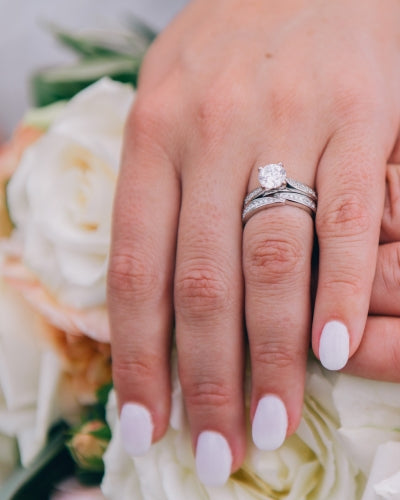
A customer sought a delicate solitaire ring to wear daily. Sterling silver with a robust 4-prong setting was recommended because the 925 alloy resists deformation and holds the setting tightly for years. The finished piece from FancyDiamondJewels combined a sterling band with a durable bezel around the center stone for extra protection.
Case Study 2 — Artisan Display Brooch
An artisan chose fine silver (.999) for a repoussé brooch intended for boutique display. The higher malleability allowed extremely fine shaping, producing a luminous mirror-like finish when polished.
Case Study 3 — Statement Earrings
Large, lightweight statement earrings often pair sterling frames with plated finishes to balance weight and strength; FancyDiamondJewels offers many silver earring designs suitable for frequent wear.
E-E-A-T: Real Experience & Expert Paragraphs
At FancyDiamondJewels we have handcrafted hundreds of silver pieces, from delicate moissanite solitaires set in sterling bands to solid silver cuffs finished with brushed or high-polish surfaces. Over years of making and repairing jewelry we’ve seen sterling survive decades of daily wear with routine maintenance, while fine silver pieces usually excel as curated, low-contact objects. Practical experience shows that the choice between .999 and 925 is almost always driven by the expected lifecycle of the item.
Pros & Cons
Sterling Silver (925) — Pros
- Greater strength and longevity
- Better for fine setting work and resizing
- Wider availability and lower risk of deformation
Sterling Silver — Cons
- May tarnish depending on alloy content
- Alloying metals can cause allergies in rare cases
Pure Silver (.999) — Pros
- Maximum metal purity and reflective shine
- Excellent for bullion and artistic forming
Pure Silver — Cons
- Soft — more prone to dings and bending
- Less practical for rings and items that face physical wear
Infographic & Visual Summary
Below is a visually simple infographic placeholder you can swap for a designer export (SVG / WebP). It summarizes the decision tree: choose sterling for wear, pure silver for show/investment.
Infographic: decision tree showing when to choose sterling or pure silver

Calls to Action
Ready to explore silver collections crafted with both durability and beauty? Discover curated sterling silver pieces and fine silver specialty items at FancyDiamondJewels.
Buying Checklist — What to Ask Before You Buy
- Ask for the hallmark and a close-up photo of the stamp.
- Confirm whether the piece is solid silver, silver-plated, or vermeil.
- If it’s plated, ask which base metal is used and the plating thickness.
- Request guidance on routine maintenance and recommended cleaning methods.
- For rings, ask about warranty or resizing policy.
Ethical Sourcing & Sustainability
Ask your jeweler about sourcing — recycled silver reduces environmental impact, and certified supply chains lower human-rights risks. FancyDiamondJewels provides product pages with manufacturing notes and customization options for many of their silver items.
Common Myths Debunked
- Myth: “All sterling will blacken.” Fact: Tarnish depends on environment and care; regular cleaning prevents deep blackening.
- Myth: “Pure silver never tarnishes.” Fact: Fine silver still reacts with sulfur compounds and will tarnish without care.
- Myth: “Sterling is always cheap.” Fact: Craftsmanship and design often dominate price.
Storage & Long-Term Preservation
Use anti-tarnish strips, silica gel sachets and airtight boxes. For heirloom fine silver, store pieces wrapped in acid-free tissue and in temperature-stable, low-humidity environments.
Decision Trade-offs — A Short Matrix
| Goal | Choose | Why |
|---|---|---|
| Daily ring | Sterling | Strength & repairability |
| Collectible display item | Fine silver | Maximum purity & finish |
| Investment by metal weight | Fine silver bars | Highest silver content |
Styling Tips from Designers
Designers often pair sterling silver with small accent stones (moissanite, sapphires) and reserve pure silver for high-polish surfaces or integrated metalwork where malleability is a plus. For mixed-metal looks, sterling can be rhodium-plated for a white-gold finish or left to develop a light patina for a vintage aesthetic. FancyDiamondJewels frequently offers customizable plating options across their silver range.
Sample Maintenance Plan (12 months)
- Monthly: Wipe with a microfiber cloth after wearing.
- Quarterly: Deep clean with mild soap, inspect for loose stones or wear.
- Annually: Professional inspection and light polishing if needed.
Pricing & Typical Markups
Jewelry pricing includes metal content, labor, design complexity, and brand margin. Sterling pieces often include more workmanship than bullion, so price per gram is not directly comparable to scrap silver value.
Shipping, Returns & Warranty (What To Expect)
When buying silver jewelry, verify the retailer’s return policy, resizing and warranty coverage for prongs and plating. FancyDiamondJewels lists product-specific terms on each item page and supports custom orders and repairs for certain collections.
Legal Standards & Hallmarking (Short Notes)
Different countries have different hallmarking laws; look for assay marks and understand what 925 or 999 means in your jurisdiction.
Eco Factors & Recycled Silver
Recycled silver is chemically identical and can substantially reduce mining impact. Ask if the vendor offers recycled silver options when you purchase. Many modern ateliers and online retailers note this on product pages.
How FancyDiamondJewels Works With Silver (Process Snapshot)
From selecting silver alloy to casting, finishing, setting stones and QA, the production workflow determines the final durability and finish. For example, sterling pieces undergo controlled annealing and polishing cycles to ensure long-term structural integrity. Many of the site’s sterling pieces illustrate these techniques.
Shop with Confidence — Quick Checklist
- Look for hallmarks (.925, .999)
- Request close-up images of the stamp
- Read the return and resizing policy
- Confirm plating details if applicable
- Ask about recycled metal sourcing if sustainability matters to you
Frequently Asked Questions
1. Is sterling silver the same as silver plated?
No. Sterling silver is a solid alloy stamped 925. Silver-plated items have a thin layer of silver over a base metal and are not marked 925 unless the base is sterling beneath the plating.
2. Will pure silver tarnish?
Yes. Pure silver reacts with sulfur compounds in air and will tarnish, although its tarnish profile differs from sterling depending on environment and handling.
3. Can sterling be resized safely?
Yes — sterling is commonly soldered and resized by trained jewelers. Inform the jeweler about any surface plating to avoid accidental removal.
4. What does 925 mean?
It denotes 92.5% silver in the metal — the standard for sterling silver.
5. Are there hypoallergenic silver options?
Yes — nickel-free sterling and rhodium-plated sterling reduce allergy risk. Always confirm alloy composition if you have sensitivities.
6. Which is more valuable: sterling or pure silver?
By metal content alone, pure silver is more valuable per gram. However, jewelry value also includes craftsmanship and gem value, so sterling pieces can be pricier than fine silver items of equal weight.
7. How should I store silver jewelry long-term?
Use airtight containers, anti-tarnish strips, and avoid high-humidity spaces. Wrap pieces in acid-free tissue for heirloom storage.
8. Is rhodium plating a good option for sterling?
Yes — rhodium plating protects the surface, adds a white-gold look, and prevents direct contact with alloy metals; plating will wear over time and may need reapplication.
9. Can I wear sterling every day?
Yes — sterling is designed for wear. Regular maintenance prevents deep tarnish and keeps settings secure.
10. How do I tell if silver is real?
Look for hallmarks, ask for documentation, test gently with a magnet (silver is not magnetic), and consult a jeweler for acid tests or XRF in uncertain cases.
Final Recommendation — Which Is Better?
If you plan to wear jewelry frequently, choose sterling silver (925) for its durability and practicality. If your priority is metal purity, museum-like finish or bullion value, consider pure silver (.999). When in doubt, ask your jeweler for the hallmark, production notes, and care instructions; a responsible vendor will provide these details clearly. FancyDiamondJewels lists product specs and customization information on each silver product page for buyer confidence.
Want a tailored recommendation? Contact FancyDiamondJewels through the product pages or discover ready-made sterling selections and bespoke options directly from their silver collection.


%20is%20the%20most%20practical%20choice%20for%20everyday%20jewelry%20due%20to%20its%20strength%20and%20durability;%20pure%20silver%20(99.9%25%20f...)
Leave a comment
This site is protected by hCaptcha and the hCaptcha Privacy Policy and Terms of Service apply.