
Design Ideas: How to Style Natural Color Diamond Jewelry — Rings, Earrings, Pendants & More
Natural colored diamonds — whether soft champagne, warm yellow, subtle brown, or icy grey — offer an unparalleled sense of individuality and luxury. Unlike traditional colorless diamonds, their subtle hue brings warmth and depth and allows you to personalize your look. In this guide, we explore how to wear and style natural‑color diamond jewelry — from rings to earrings to pendants — so each piece becomes a statement.
Why Choose Natural‑Colored Diamonds?
Natural‑colored diamonds are rare and unique — only a handful of diamonds mined each year exhibit distinct hues without artificial treatment. Their subtle tones stand out under different lighting and add character that colorless diamonds cannot replicate. Whether you’re drawn to warm champagne yellows or cool slate‑greys, a natural‑color diamond speaks to individuality and refined taste.
What makes them different?
- Color variation: subtle to vivid, warm to cool.
- Often more unique — each diamond has its own identity.
- Versatility in styling: looks great with yellow gold, rose gold, or even white gold depending on tone.
Color Tones & Metal Pairings
Choosing the right metal is key to highlighting the natural color in your diamond. The wrong metal might mute or clash with the diamond hue.
Recommended Metal & Color Pairings
| Diamond Hue | Recommended Metal | Why It Works |
|---|---|---|
| Champagne / Light Brown | Rose Gold / Yellow Gold | Warm tones enhance the richness of brown hues; rose brings subtle softness. |
| Fancy Yellow / Warm Yellow | Yellow Gold / Rose Gold | Yellow gold amplifies warmth; rose gold adds romantic contrast. |
| Grey / Slate / Salt-and‑Pepper | White Gold / Platinum / Mixed Metals | Cool metals highlight the unique grey tones, giving a modern edge. |
| Light Pink / Champagne Pink | Rose Gold | Rose gold complements soft pinkish tinges for elegant, feminine appeal. |
Experimenting with Mixed Metals
Don’t be afraid to combine metals — for example, a pendant in yellow gold and an earring in white gold — when the diamond hue is subtle grey or champagne. Mixed‑metal styling can make the diamonds pop more and add layered sophistication.
Styling Rings: From Solitaire to Stacking
Rings are often the first piece people think of when styling diamond jewelry. With natural‑color diamonds, you have a chance to tell a story — subtlety, contrast, or bold individuality.
Classic Solitaire Ring
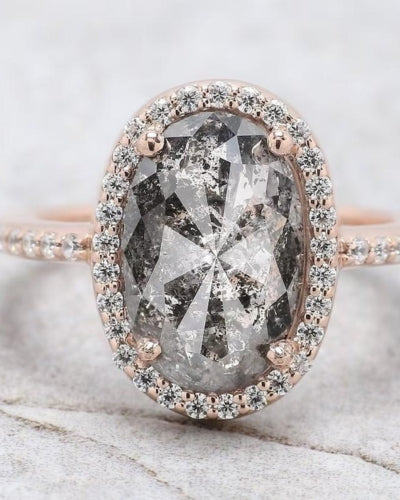
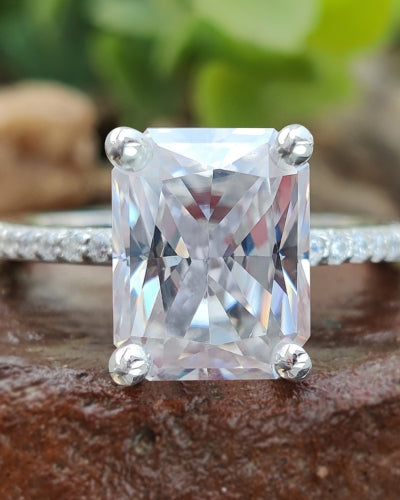
A solitaire ring draws attention to the diamond itself. If you have a champagne or yellow‑toned natural diamond, choose a yellow‑ or rose‑gold band. For salt‑and‑pepper or grey diamonds, white gold or platinum bands work best.

Stacked Rings: Elegant & Layered Look
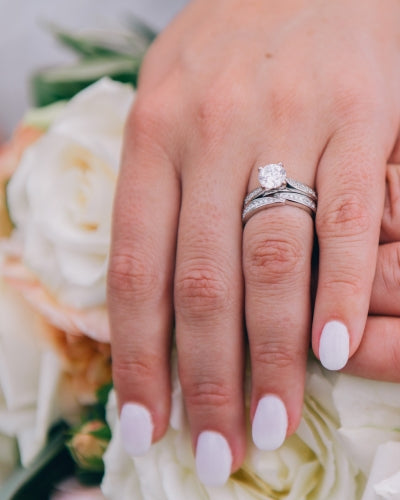
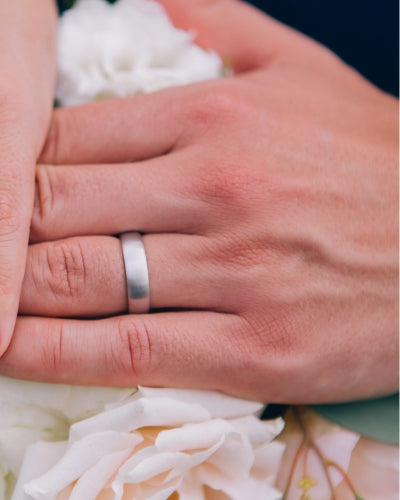
Stacking rings lets you pair natural‑color diamonds with plain bands or even colored gemstone bands — a way to make diamond rings wearable daily without overdoing it.
Step‑by‑Step: How to Style a Ring Stack
- Start with a plain metal band (solid rose or yellow gold).
- Add a natural‑color diamond ring as the centerpiece (solitaire or small cluster).
- Complement with slim accent bands (plain or with tiny white diamonds).
- Mix textures — polished, hammered, or matte finishes add depth.
- Keep overall look balanced: no more than 3–4 bands per hand to avoid clutter.
Earrings Ideas: Studs, Drops, Hoops & More
Natural‑color diamond earrings bring subtle shimmer close to the face. The right earring style can enhance the hue and complement skin tone.
Stud Earrings: Everyday Elegance
Studs with champagne or light brown diamonds set in rose gold create a soft glow — perfect for daily wear or office settings.
Natural color diamond stud earrings in rose gold
Drop or Dangle Earrings: Sophisticated Statement
For evenings or formal events, drop earrings featuring natural‑color diamonds add drama. Pair warmer tones with warm metal to keep the glow rich, or choose cool-toned diamonds with white gold for a modern vibe.

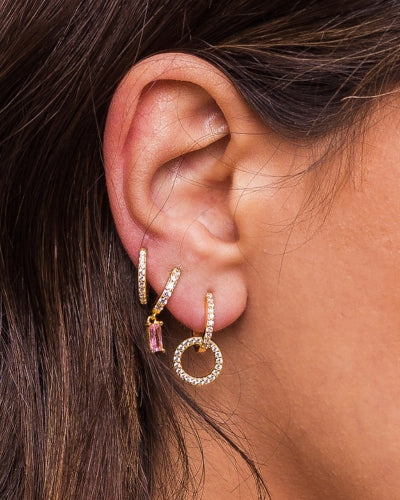
Hoops & Huggies: Subtle Luxe
Small huggie hoops with embedded natural diamonds offer a minimalist-luxe look that's versatile — from casual to chic evenings.

Pendants & Necklaces: Centerpiece & Layering Looks
A pendant draws attention to the neckline and can act as a focal point. Natural-colored diamonds make pendants stand out uniquely under ambient light.
Solitaire Diamond Pendant
A single natural-colored diamond on a delicate chain — simple, timeless, and elegant. A champagne or yellow diamond pendant in yellow gold works especially well with warm outfits.
Natural color diamond pendant solitaire on chain
Layered Necklace Look
Combine a natural-color diamond pendant with a thin chain necklace or gemstone necklace — layering adds dimension. For example, a salt-and-pepper diamond pendant layered with a rose-gold chain looks contemporary and fashionable.
Mix & Match: Coordinating Earrings, Rings, Pendants
For a cohesive look, coordinate natural-color diamond jewelry across types — but balance is key. Avoid matching every piece exactly; instead, mix subtlety and contrast.
Example Combinations
- Case A: Warm champagne diamond ring (rose gold) + champagne diamond studs (rose gold) + delicate chain pendant with light champagne stone.
- Case B: Salt-and-pepper diamond hoop earrings (white gold) + grey‑tone diamond pendant (white gold) + plain white‑gold band on ring finger.
- Case C: Fancy yellow diamond solitaire pendant (yellow gold) + yellow‑tone diamond stud earrings (yellow gold) + slender gemstone bracelet for contrast.
Day → Night: Transforming Your Diamond Look
One of the delights of natural‑color diamond jewelry is its versatility. With a few tweaks, the same pieces can take you from casual daytime to glamorous evening.
Daytime Style Tips
- Go minimal — one piece only (e.g. studs or pendant).
- Pair with neutral or pastel outfits to let the diamond color subtly show.
- Use matte or brushed metal bands for understated elegance.
Nighttime Style Tips
- Add more jewelry — layer necklaces or stack rings.
- Choose polished or high‑gloss metal finishes for extra sparkle.
- Mix diamonds with gemstone accents or contrasting metals for statement impact.
Care & Maintenance
Natural-color diamonds are durable — but to keep them sparkling, follow these guidelines:
- Clean gently with a soft brush and mild soapy water; avoid harsh chemicals.
- Store separately (e.g. in a soft pouch or lined box) to avoid scratches.
- Remove jewelry during heavy manual work or when using chemicals.
Buying Checklist: What to Look For
Before investing in natural‑color diamond jewelry, use this checklist to ensure you get quality, value, and joy from your purchase.
- Color Tone: Is it subtle champagne, warm yellow, grey, or pink? Select a tone that suits your skin and wardrobe.
- Clarity & Cut: Natural color may mask or highlight inclusions — examine under light.
- Metal Choice: Choose metal that enhances diamond color (see Metal Pairings section above).
- Setting Style: Solitaire, halo, prong, bezel — each affects how light interacts with diamond hues.
- Certificate & Authenticity: Ask for a certificate of origin or authenticity (if available).
- Daily Wear vs. Occasional Use: Decide if the piece is for everyday wear or special occasions — this affects design and durability choices.
Case Studies & Real‑life Examples
Case Study 1: Bridal Trio with Warm Champagne Diamond
A client chose a 1.2 ct warm champagne natural diamond solitaire ring set in rose gold for her engagement. For the wedding ceremony, she paired it with matching champagne diamond drop earrings and a delicate rose‑gold pendant with a small champagne diamond. The result was a harmonious warm glow that complemented her pastel lehenga and gave a vintage‑inspired tone without being loud.
Case Study 2: Modern Everyday Look with Grey Diamonds
Another customer asked for a subtle, everyday diamond piece. We recommended salt‑and‑pepper (greyish) diamonds set in white-gold hoop earrings and a matching pendant. She layered the pendant with a thin white‑gold chain and paired with casual outfits — making diamonds accessible even day‑to‑day, not just for special occasions.
Pros & Cons of Natural Color Diamonds
| Pros | Cons | |
|---|---|---|
| Uniqueness | Each diamond has its own distinct hue — no two are exactly alike. | Color variation can make matching pieces (e.g. set) challenging. |
| Versatility | Looks great with many metal types and outfit colors. | Subtle tones may go unnoticed under poor lighting. |
| Value & Rarity | Rarer than standard colorless diamonds with special appeal. | May be more expensive per carat; fewer certificates available. |
| Style Impact | Gives elegant, understated luxury — perfect for both casual and formal wear. | Requires thoughtful styling; wrong combination can dull the effect. |
Frequently Asked Questions
What are natural‑color diamonds and how are they different from colorless diamonds?
Natural‑color diamonds are mined diamonds that display a natural hue (yellow, brown, grey, etc.) without any artificial treatment. Unlike colorless diamonds — valued for their clarity and transparency — natural‑color diamonds are prized for their unique tone and individuality.
Are natural‑color diamonds durable for everyday wear?
Yes. Natural diamonds maintain the hardness and durability of regular diamonds. With proper care and setting, they are suitable for everyday wear while offering a distinct aesthetic.
Which metal is best for a champagne diamond ring?
Warm-toned metals like rose gold or yellow gold tend to complement champagne or light brown diamonds best, as they enhance the warmth and richness of the hue.
Can I mix natural‑color diamond jewelry with traditional white diamonds?
Absolutely. Mixing natural‑color diamonds with white diamonds can create contrast and highlight the unique tone of the colored diamond, especially in layers or multi-stone designs.
Do natural‑color diamonds require special cleaning?
No special chemicals are needed — a soft brush and mild soapy water work well. Avoid harsh chemicals or ultrasonic cleaners that may affect the metal settings.
Is it easy to find matching natural‑color diamond sets?
Because each diamond is unique, exact matches are rare. For coordinated sets, choose similar tones and rely on metal consistency rather than expecting identical stones.
Do natural‑color diamonds lose their hue over time?
No. The natural color of a diamond, once formed, does not fade. However, metal settings may tarnish — proper care ensures long-term brilliance.
Are natural‑color diamonds more expensive than traditional diamonds?
They can be. Because of their rarity and unique appeal, natural‑color diamonds often command higher prices per carat compared to standard white diamonds, depending on cut, color intensity, and clarity.
Which outfits best showcase natural‑color diamond jewelry?
Neutral, warm, or pastel outfits often complement the tones of natural diamonds beautifully. For grey or salt‑and‑pepper diamonds, monochrome or minimalist outfits help the subtle sparkle stand out.
Can natural‑color diamond jewelry be a good investment?
Yes — their rarity, uniqueness, and growing demand among those seeking individuality over conformity make them potential collectibles. Consider cut, clarity, and certification when evaluating long-term value.
Ready to Shop?
Explore a curated selection of natural‑color diamond pendants, rings, and earrings from our latest collection.
Shop Diamond PendantsBrowse Engagement & Ring Collection


Leave a comment
This site is protected by hCaptcha and the hCaptcha Privacy Policy and Terms of Service apply.