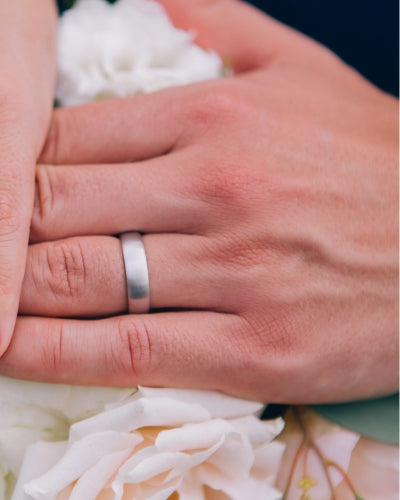
“The Future of Jewellery: Trends & Market Outlook for CVD Diamonds Ring”
Engineered diamonds (CVD) are reshaping how the jewellery industry approaches design, price, sustainability and supply. This in-depth guide focuses on CVD diamond rings — market drivers, consumer behaviors, production economics, comparison with natural diamonds, case studies, practical buying steps, SEO-focused image and content strategies for Shopify, and 10+ FAQs in schema-ready format.
Hook: Why the future of jewellery rests on CVD diamonds (and rings)
The luxury market is in motion: evolving buyer values, price transparency, and lab-scale technologies are changing the definition of rarity. CVD diamonds are central to that change — especially in rings where size, cut, and finger presence matter most. For retailers and designers, understanding the interplay between traditional natural diamonds and lab-grown CVD stones is now a commercial imperative.
Market overview & forecast
Macro picture
The global diamond jewellery market has historically been dominated by natural mined diamonds, but CVD and other lab-grown technologies are taking share — especially in engagement and fashion rings. Retailers who adapt to mixed assortments (natural + CVD) capture both value-conscious shoppers and ethically-driven buyers.
Key drivers
- Price transparency and online comparison shopping
- Sustainability and traceability concerns
- Design freedom with consistent supply of larger, high-clarity stones
- Millennial and Gen Z preferences for ethical sourcing
How retailers are responding
Successful merchants blend curated natural and CVD options, educate via rich content and provide crystal-clear grading and return policies. For a model of an active product catalogue and curated collections, see the shop's collections index and FAQ for customer-centric policy cues (internal references verified).
What are CVD diamonds?
Technical primer
CVD stands for Chemical Vapor Deposition — a technology that grows diamond crystals atom-by-atom inside a controlled chamber. The result: gem-quality diamond material with the same carbon lattice as natural diamonds but created in a lab.
Visual & gemological equivalence
At face value (and often under consumer examination), a well-cut CVD diamond appears identical to a natural diamond. Properly graded stones carry the same 4Cs metadata (cut, color, clarity, carat), though provenance and certificate text differ.
CVD vs Natural — deep comparison (ring-focused)
| Aspect | CVD Diamond | Natural Diamond |
|---|---|---|
| Price | Generally lower per-carat for comparable specs | Premium for rarity and provenance |
| Traceability | High: factory records | Variable: depends on sourcing practices |
| Environmental impact | Lower mining footprint; energy depends on manufacturing | Higher mining footprint; social impacts depend on region |
| Consumer perception | Rising acceptance, especially younger buyers | Strong sentimental and cultural value |
Ring-specific notes
- CVD allows consistent supply of larger stones with predictable color/clarity — attractive for statement rings.
- Natural stones often command emotional and resale premiums for engagement rings tied to family tradition.
Design & ring trends (2025 and beyond)
Trend 1: Center stones + mixed-material settings
Designers pair CVD center stones with textured metals and alternative side stones for modern heirloom pieces.
Trend 2: Size and presence over perfect color
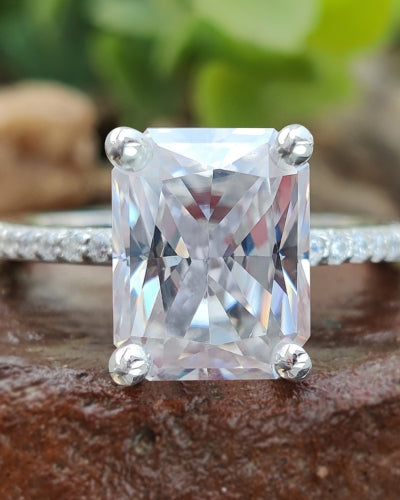
Customers opt for larger eye-clean CVD stones where carat and finger presence matter more than top-color grades.
Trend 3: Customized engraving & laser inscriptions
Because CVD supply is repeatable, brands offer personalization at scale — matching engraving, micro-pavé settings and bespoke shank shaping.
Trend 4: Salt-and-pepper and unique inclusions
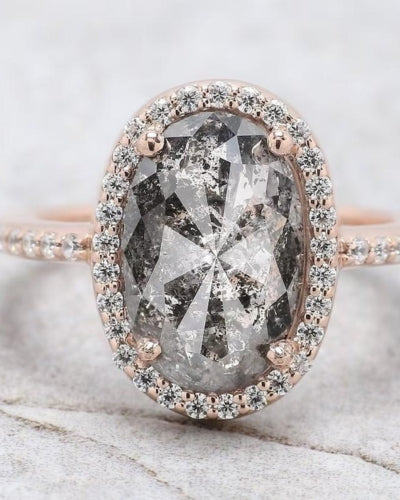
Rough and salt-and-pepper aesthetics remain popular for fashion rings — contrast with high-clarity CVD stones used for classic engagement rings.
Sourcing & supply chain: practical guide for retailers
- Vet producers for consistent batch reports and energy sourcing data.
- Request factory certificates and detailed invoices showing treatment history.
- Implement lot tracking in your inventory system for returns and warranties.
See how an established jewellery store organizes collections and product categories for easy customer navigation — use collections as a UX model when building categories for rings.
Pricing & economics: building a CVD ring price model
Step-by-step pricing model (example)
- Base stone cost (per carat) × carat weight
- Setting & metal cost (material + labor)
- Design & customization fee
- Overheads (shipping, certification, warranty)
- Desired margin (retail markup)
| Line | Example value (USD) |
|---|---|
| Stone (1.50ct CVD @ $1,200/ct) | $1,800 |
| Setting (14k gold) | $450 |
| Labor & customization | $250 |
| Overheads & certification | $150 |
| Subtotal | $2,650 |
| Retail price (40% markup) | $3,710 |
Quality, grading & certifications
Always present 4C data and reliable certificates. For CVD stones, include lab reports and laser inscription details where available
Checklist for product pages (ring)
- Carat weight
- Cut grade and cut style
- Color grade (or descriptive color for near-colorless)
- Clarity grade
- Certificate or lab report (downloadable)
- Laser inscription (if present)
Sustainability & ethics — how to frame it without greenwashing
Communicate concrete actions: energy sourcing, water usage reductions, local community support, and transparent returns. Provide a lifecycle comparison table between typical mined and lab-grown production footprints (high-level).
| Metric | Typical mined diamond | Typical CVD diamond |
|---|---|---|
| Land disturbance | High | Low |
| Energy usage | Variable | High (can be renewable) |
| Traceability | Variable | High |
Business & retail opportunities
Opportunity 1: Customization-first rings
Offer tiered customization: choice of CVD or natural center stone, metal, and engravings. Market to couples who want size for budget.
Opportunity 2: Trade-in & upgrade programs
Trade-ins make upgrading easier and increase lifetime customer value.
Opportunity 3: Subscription-style financing
Flexible payments and layaway increase average order value when combined with transparent grading and warranty.
Shopify publishing & SEO checklist (ring product page optimizations)
On-page SEO essentials
- Unique SEO title & meta description per product (include "CVD diamond ring" and main specs)
- Use schema JSON-LD for Product and FAQ
- Image alt text with keywords and measurements
- Internal linking from collections and relevant guides
- Fast WebP images + lazy loading
Step-by-step buying guide: choosing the perfect CVD diamond ring
Step 1 — Define priority
Decide what matters most: carat weight, cut brilliance, budget, or ethical traceability.
Step 2 — Set a budget & target specs
Choose a target carat and acceptable color/clarity range. For rings, prioritize cut and polish for sparkle.
Step 3 — Request lab reports & return policy
Always request certificates and confirm return/exchange windows.
Step 4 — Inspect photos and ask for video
High-resolution images and video allow remote buyers to judge face-up size and proportions.
Step 5 — Finalize metal & setting
Choose ring shank style and metal — consider durability for daily-wear engagement rings.
Shop curated CVD ringsCase studies & examples
Case Study A — Boutique retailer increases AOV by 23%
By adding a curated CVD collection and bundling engraving + warranty, the retailer increased average order value and shortened decision time for buyers seeking larger stones. Use clear product pages and a comparison chart to show value.
Case Study B — Designer line using larger CVD centers
A designer launched a statement ring line using 2–4 carat eye-clean CVD centers, marketing on presence over color grade, and achieved rapid social traction with influencer photography.
Pros & cons
Pros
- Cost-effective per carat for larger sizes
- Predictable, scalable supply
- High traceability
- Design flexibility
Cons
- Resale market still emerging
- Some consumers prefer natural provenance for emotional reasons
- Energy footprint depends on manufacturing source
Comparison charts and quick-reference tables
When to choose a CVD ring (quick heuristic)
- Want larger stone for budget: choose CVD.
- Need guaranteed traceability: CVD gives clearer chain-of-custody.
- Desire the mined-diamond prestige: choose natural diamond.
Quick specs comparison (visual)
| Use-case | Recommended |
|---|---|
| Heirloom engagement ring | Natural or high-grade CVD with documented certificate |
| Fashion statement ring | CVD for larger sizes and lower cost |
| Ethical-first buyer | CVD with transparency on energy & sourcing |
Highlight — Quick checklist for product pages (ring)
- Headline: include "CVD diamond ring" + key spec (eg. "1.5ct round")
- Bullet points: 4Cs, metal, shank size, lead time
- Image gallery: feature face-up and angled views, include scale reference
- Downloadable certificate link
- Shipping, returns, and warranty summary
Infographic placeholders
Below are ready-made image placeholders for your infographics — replace with final art in WebP format and keep file names descriptive for SEO.


Frequently asked questions (10+) — schema-ready using <details> blocks
What is a CVD diamond and is it a "real" diamond?
Yes. CVD diamonds have the same crystal structure and chemical composition as natural diamonds — they're real diamonds grown in controlled laboratory conditions.
Are CVD diamonds cheaper than natural diamonds?
Generally, yes — for similar color/clarity/cut specifications CVD diamonds typically cost less per carat, especially at larger sizes.
Do CVD diamonds come with certificates?
Reputable CVD stones are accompanied by lab reports from recognized gem labs; always request the certificate and laser inscription if available.
Do CVD diamonds scratch or wear differently?
No — diamond is the hardest known natural material; CVD diamonds have the same hardness and wear properties as natural diamonds.
Can I insure a CVD diamond ring?
Yes. Most insurers cover lab-grown diamonds; check policy language for coverage specifics and appraisals.
How do I verify the origin of a CVD diamond?
Ask for supplier batch records, manufacturing certificates and lab reports that note lab-grown origin. Transparent vendors provide documentation.
Are CVD diamonds ethical?
CVD diamonds avoid many issues associated with mining, but ethical claims should be backed by manufacturing transparency (energy sourcing, labor practices).
What's the resale value of CVD diamonds?
The resale market for lab-grown diamonds is evolving and currently shows lower resale multiples compared to natural diamonds — but that can vary by market and time.
How to care for a CVD diamond ring?
Regular cleaning with mild soap and warm water, safe ultrasonic/steam cleaning per setting type, and annual checkups for prongs and setting integrity.
Can I mix CVD and natural diamonds in a single ring?
Yes — many designers mix center and accent stones for aesthetic or budget reasons. Disclose origin on product pages for transparency.
How long will a CVD ring take to make?
Turnaround varies by supplier and customization; standard lead times are typically 2–6 weeks depending on setting and engraving needs.
Conclusion — the ring market outlook in one paragraph
CVD diamonds are not just a trend — they are a structural market shift offering predictable supply, larger sizes for less cost, and meaningful traceability. For rings — where presence, cut and wearability matter — CVD stones offer powerful options for both designers and buyers. Retailers who invest in education, clear certification, and optimized Shopify product pages will be best positioned to capture the growing demand. For inspiration on collection structure and customer-facing FAQ presentation, see the site's collections index and FAQ pages.


%20are%20reshaping%20how%20the%20jewellery%20industry%20approaches%20design,%20price,%20sustainability%20and%20supply.%20This%20in-depth%20guide%20focuses%20on%20CVD%20diamond%20rings%20%E2%80%94%20market%20d...)
Leave a comment
This site is protected by hCaptcha and the hCaptcha Privacy Policy and Terms of Service apply.