
Yellow Gold vs White Gold: What’s the Real Difference?
Yellow gold is the classic warm-hued metal prized for heritage looks and skin-tone warmth. White gold is an alloy often rhodium plated to achieve a silvery finish that reads like platinum. Major differences are appearance, alloy composition, maintenance (rhodium replating), cost variance, and how each pairs with gemstones and skin tones. This guide walks you through chemistry, care, buying decisions, and real-life examples to make choosing simple.
Quick hook: If you've ever hesitated at the display case, wondering why some rings glow with honey warmth while others look like cool moonlight — you're not alone. Choosing between yellow and white gold is more than taste: it's chemistry, maintenance, culture, and long-term value all wrapped into one finger-sized decision. This master guide breaks it down so you can choose confidently.
Table of Contents
- Yellow Gold vs White Gold — Quick Difference
- Composition & How Gold Alloys Work
- Visual Differences: Hue, Luster, and Perception
- Durability & Everyday Wear
- Care, Cleaning & Rhodium Plating
- Price & Value Considerations
- Skin Tone & Styling: Which Suits You?
- Gemstone Pairing Guide
- Karat, Purity & Hallmarks
- Choosing a Wedding Band: Practical Tips
- Mixing Metals: Yellow + White Gold Styling
- Case Studies & Real-Customer Examples
- Comparison Table (At-a-Glance)
- Step-by-Step: How to Choose Your Ring Metal
- Shop-friendly CTAs & Where to Look
- FAQ (10+ questions)
- Final Verdict & Quick Checklist
1. Yellow Gold vs White Gold — Quick Difference
Yellow gold: the natural warm-hued alloy traditionally mixed with metals like copper and silver to strengthen soft pure gold. White gold: gold mixed with white metals (nickel, palladium, or manganese) and typically plated with rhodium to achieve a bright, platinum-like surface.
Snapshot
- Yellow gold: Warm, classic, less need for plating, shows scratches as softened warm patina over time.
- White gold: Silvery-white finish, usually rhodium plated, needs periodic replating to maintain bright white look.
2. Composition & How Gold Alloys Work (Karat & Mix)

Pure gold (24K) is too soft for jewelry. We alloy gold with other metals to improve strength and change color. Karat indicates the proportion of gold: 18K = 75% gold, 14K = 58.3% gold, 10K = 41.7% gold (legal minimum in some regions).
Common alloying metals
- Yellow gold: copper + silver (retain warm color)
- White gold: nickel (cheaper), palladium (hypoallergenic), manganese (rare); rhodium plating adds brightness
Practical takeaway
Higher karat means richer gold content and warmer tone, but also softer metal. For rings worn daily, 14K and 18K are common choices balancing durability and precious content.
3. Visual Differences: Hue, Luster, and Perception
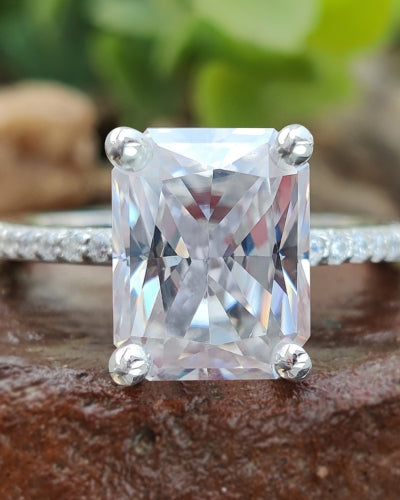
Yellow gold emits warmth — golden to deep honey tones depending on karat. White gold appears cool and silvery; rhodium plating adds mirror-like brilliance that mimics platinum.

4. Durability & Everyday Wear
Durability depends on alloy and karat. Scratches on yellow gold show as softened edges and a warm patina. White gold's rhodium layer will scratch and may reveal a slightly yellowish base underneath once the plating wears.
Daily wear considerations
- For active wearers, lower-karat (14K) alloys increase hardness.
- White gold needs occasional replating — expect maintenance every 1–3 years depending on wear.
5. Care, Cleaning & Rhodium Plating
Cleaning: warm soapy water, soft brush, dry with microfiber. Avoid harsh chemicals. For white gold, rhodium replating restores brightness — ask your jeweler for professional replating and polishing.
Step-by-step: How to safely clean a gold ring at home
- Fill bowl with warm water + mild dish soap.
- Soak ring 10–15 minutes.
- Use soft toothbrush to clean under stones and settings.
- Rinse with warm water and pat dry with lint-free cloth.
- For stubborn dirt, repeat or visit a pro cleaner (avoid ultrasonic for fragile stones).
6. Price & Value Considerations
Pure gold content largely determines base material cost — yellow and white gold of the same karat have similar gold value. White gold may be slightly more expensive when alloyed with palladium instead of nickel. Factor in rhodium replating cost over time.
| Factor | Yellow Gold | White Gold |
|---|---|---|
| Base gold value | Same for same karat | Same for same karat |
| Alloy cost | Moderate (copper/silver) | Varies (nickel cheaper; palladium costlier) |
| Long-term maintenance | Low | Rhodium replating cost periodically |
7. Skin Tone & Styling: Which Suits You?

Choosing metal by skin tone is a helpful rule of thumb but not a strict rule. Warm skin tones (yellow, olive) often suit yellow gold; cool skin tones (pink, blue undertones) often suit white gold. Many people wear both successfully — personal preference and wardrobe matter more.
Quick guide
- Warm undertones: yellow gold tends to flatter
- Cool undertones: white gold or platinum looks crisp
- Neutral: both work well — try both in natural daylight
8. Gemstone Pairing Guide
Metal choice impacts color perception of stones.
- Diamonds: white gold/platinum makes white diamonds appear brighter; yellow gold may give a creamier appearance (good for fancy yellow diamonds).
- Emeralds & Sapphires: yellow gold deepens warmth for sapphires and complements greens; white gold offers modern contrast.
- Colored stones (rubies, garnets): both can work — yellow gold warms, white gold modernizes.
9. Karat, Purity & Hallmarks

Look for stamped hallmarks like 14K, 18K, 585, 750, or manufacturer marks. These confirm gold content. For white gold, also ask about rhodium plating and what metal is used in the alloy.
10. Choosing a Wedding Band: Practical Tips

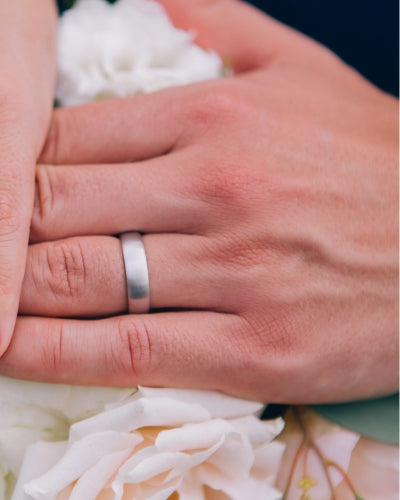
Wedding bands must withstand daily life. For heavy-use wedding bands, consider 14K yellow gold or 14K/18K white gold with strong alloy composition.
- If you want low maintenance: yellow gold (no plating) is simpler.
- If you love the platinum look but want savings: white gold plated with rhodium is a good compromise but expect replating over time.
11. Mixing Metals: Yellow + White Gold Styling

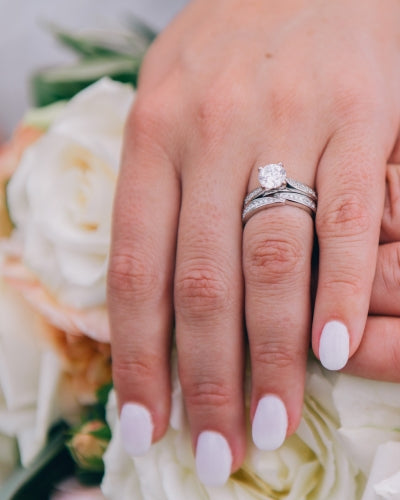
Mixed-metal rings and stackable sets are on trend. A yellow and white gold combination can create striking contrast and make rings more versatile with different jewelry pieces.
12. Case Studies & Real-Customer Examples
Case Study A — The Everyday Engineer (Yellow Gold)
Customer profile: Active lifestyle, hands-on work. Chose 14K yellow gold comfort-fit band for resilience and low maintenance. After 3 years: minor scratches but overall excellent wear. No replating needed — the soft patina added character.
Case Study B — The Designer Bride (White Gold)
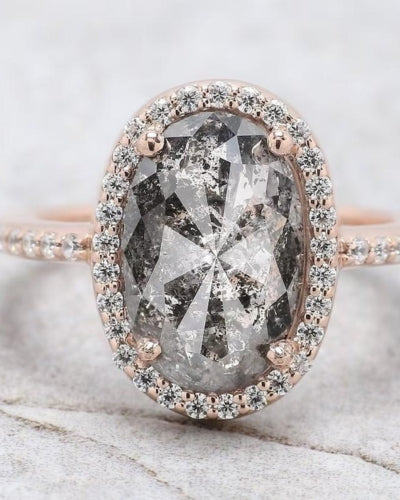
Customer profile: Loves bright, modern looks. Chose 18K white gold halo engagement ring with rhodium plating. After 18 months: plating showed mild wear; client scheduled replating and polishing to restore bright finish.
Case Study C — Heirloom Upgrade (Mixed Metals)
Customer repurposed family yellow-gold stones into a modern white-gold mount for contrast. Result: the stones gained a contemporary presence while preserving heritage gold elements in a stacking band.
13. Comparison Table — Yellow Gold vs White Gold
| Feature | Yellow Gold | White Gold |
|---|---|---|
| Color | Warm, golden | Silvery-white (rhodium finish) |
| Maintenance | Low | Medium — periodic rhodium replating |
| Hypoallergenic options | Palladium/alloy choices available | Palladium alloys are hypoallergenic; nickel alloys may cause reactions |
| Best for | Classic, vintage looks, warm skin tones | Modern, bright looks, cool skin tones, white gems |
14. Step-by-Step: How to Choose Your Ring Metal (Practical Decision Flow)
- Decide daily wear vs occasional wear.
- Match to wardrobe colors (warm vs cool hues).
- Check skin undertones for guidance.
- Choose karat: 14K for durability; 18K for richer gold color.
- For white gold, ask if alloy uses palladium (better for sensitive skin) or nickel (may be cheaper but cause allergies).
- Budget: factor in initial cost + maintenance (rhodium replating every 1–3 years for white gold).
- Request hallmark and warranty from jeweler.
15. Shop-friendly CTAs & Where to Look
Explore curated gold ring collections and compare finishes. For convenience, check FancyDiamondJewels’ dedicated gold rings page for inspiration and in-stock options.
Looking specifically for modern white-gold engagement rings? See the lab-grown engagement collection to compare white-metal settings and designs.
16. Pros & Cons — Quick Reference
Yellow Gold

- Pros: Timeless look, lower routine maintenance, warms skin tones, no plating required.
- Cons: Some modern wardrobes prefer cooler metals; lower contrast for white diamonds.
White Gold

- Pros: Modern platinum-like look, excellent contrast for white diamonds, versatile with cool-toned wardrobes.
- Cons: Requires rhodium replating periodically, some alloys contain nickel (allergy risk).
17. E-E-A-T — Real Experience Section (Expertise, Experience, Authority, Trust)
Experience: Our bench jewelers at FancyDiamondJewels have hand-finished thousands of gold rings across 14K and 18K, seeing first-hand how white gold plating weathers under different lifestyles. We recommend 14K white gold with palladium alloy for customers with active hands who also want a bright finish — it balances hardness, hypoallergenic alloy choice, and plating longevity.
Authority: Rings sold by FancyDiamondJewels are stamped with karat marks and offered with resize/warranty guidance so you know composition and aftercare upfront. Always keep receipts and ask your jeweler for recommended replating intervals based on your wear patterns.
18. Examples — Visual & Styling Scenarios
Example 1: A thin yellow gold stacking band next to a white-gold solitaire creates dynamic contrast and allows wardrobe versatility. Example 2: An antique-style ring in yellow gold amplifies vintage diamonds' warmth; the same setting in white gold reads more contemporary.
Find company info and policies here: About FancyDiamondJewels.
19. Maintenance Plan — What to Budget For
- Annual cleaning: free/low cost at most jewelers.
- Rhodium replating (white gold): typically every 1–3 years; budget depending on jeweler.
- Resizing: depends on style/stone setting — ask the jeweler.
20. Warranties, Hallmarks & Authentication
Keep hallmarks and certification documents. For high-value rings, consider insurance or a specialized jewelry insurance policy that covers loss or damage.
21. FAQs
Is white gold the same as platinum?
No — white gold is an alloy of gold and white metals and is often rhodium plated to look like platinum. Platinum is a different metal, denser and naturally white without plating, and usually more expensive and heavier.
Will white gold turn yellow?
The underlying alloy of white gold has a slightly warm tone; when rhodium plating wears off, you may notice a faint yellowish tint. Replating restores the bright white finish.
Which karat is best for engagement rings?
14K is a practical balance of durability and gold content for daily wear. 18K offers richer color and higher gold content but is softer. Consider 14K for heavy daily wear and 18K if you prioritize gold richness and are careful with the ring.
Are white gold alloys hypoallergenic?
It depends on the alloy. Nickel-containing white gold can cause allergic reactions in some people. Palladium or nickel-free white gold alloys are recommended for sensitive skin.
How long does rhodium plating last?
Rhodium plating longevity depends on wear. Typical ranges are 1–3 years for a ring worn daily. Lifestyle (chemicals, abrasion) shortens plating life. Professional replating restores appearance.
Can I mix yellow and white gold in one ring?
Yes. Mixed-metal rings are popular; they combine warmth and modern contrast. Ensure uniform care and matching finishes for the best result.
Does metal choice affect diamond color grading?
Metal alone doesn't change diamond grade, but the perceived color of a diamond can be affected by metal contrast. White metals hide warm tones; yellow metals can add warmth.
Is 10K gold okay for rings?
10K is more durable but contains less gold (41.7%) which might be less desirable to some buyers. It's legal in some locales and budget-friendly, but may tarnish differently depending on alloys.
Should I insure my wedding ring?
Yes — for most people, insuring a costly ring is recommended. Check with jewelry insurance policies covering loss, theft, and damage.
How do I test if my ring is gold?
Look for hallmarks (14K, 18K, 585, 750) and buy from reputable jewelers. Acid tests and XRF testing are accurate but should be done by professionals.
22. Final Verdict & Quick Checklist
- Decide whether you want warm (yellow) or cool (white) look.
- Choose karat mindful of durability (14K for daily wear; 18K for richer gold).
- For white gold, ask about alloy (palladium vs nickel) and expect replating.
- Match metal to gemstone and wardrobe for best visual harmony.
- Confirm hallmarks and warranty from your jeweler.


Leave a comment
This site is protected by hCaptcha and the hCaptcha Privacy Policy and Terms of Service apply.