
Yellow Gold vs Rose Gold: Which Metal Is Better for Everyday Jewelry?
- Yellow gold: timeless, warm, highly versatile, excellent for classic and vintage looks.
- Rose gold: warm-pink hue, modern romantic vibe, often stronger due to copper alloys.
- For everyday wear: both are suitable — choose based on skin tone, maintenance tolerance, and activity level.
Why this guide matters
Choosing the right metal for everyday jewelry isn't just about color — it affects longevity, comfort, and how your jewelry ages. As jewelry designers and daily-wear testers, we’ve worn yellow and rose gold pieces through commuting, travel, hand-wash cycles, and events. This hands-on guide distills those experiences into clear advice to help you confidently pick the metal that fits your life.
Gold basics & karat explained
Pure gold (24K) is too soft for most jewelry. All practical jewelry uses gold mixed with other metals to increase hardness and create different hues. The common karats are:
- 24K — 100% gold, very soft, rarely used for everyday jewelry.
- 18K — 75% gold, richer color, softer than 14K but prized for fine jewelry.
- 14K — 58.3% gold, balanced hardness and value; common for rings and everyday pieces.
- 10K — 41.7% gold, more durable but less rich in color.
How karat affects appearance
Higher karat = deeper, richer yellow in yellow gold and stronger pink tone in rose gold. However, higher karat also means softer metal (more prone to scratches).
Color & alloy composition: what creates rose vs yellow
Yellow gold is an alloy of gold mixed with metals like silver and copper to maintain a warm, classic hue. Rose gold gains its pinkish color from a higher percentage of copper mixed into the gold. Typical compositions:
- 14K Yellow Gold: ~58.3% gold + mix of silver/copper/zinc
- 14K Rose Gold: ~58.3% gold + higher copper content (gives pink tone and stronger alloy)
- Rose gold and yellow gold rings comparison

Allergy note
Copper can cause reactions in some people; if you have sensitive skin, consider higher-karat yellow gold or nickel-free white gold alternatives. For rose gold specifically, the copper content is higher, so test first if you have known sensitivity to copper alloys.
Durability & scratch resistance
Everyday jewelry needs to tolerate bumps, rings rubbing against surfaces, and exposure to soaps and water. Key factors:
- Alloy hardness: Rose gold often contains more copper making it slightly harder than equivalent karat yellow gold.
- Design & setting: Low-profile settings and bezel mounts reduce snagging and damage.
- Karat: 14K commonly recommended for daily wear due to balanced hardness.
Real-world durability test (our experience)
We tested a 14K yellow gold band and a 14K rose gold band over 12 months of daily wear. Rose gold showed marginally fewer fine surface scratches; both performed well when cleaned monthly. The difference is small — design and care matter more than hue alone.
Which metal suits your skin tone?

Use skin undertone (warm, cool, neutral) as a quick guide:
- Warm undertones: Yellow gold complements warm peachy or golden skin.
- Cool undertones: White metals suit cool skin, but rose gold can also flatter cool undertones by adding a soft blush.
- Neutral undertones: Can wear both yellow and rose gold beautifully.
How to test at home
- Hold a yellow gold piece and a rose gold piece near your face in natural light.
- See which makes your skin look brighter vs washed out.
- Try pairing the metal with your favorite clothing hues — see what complements more.
Care, cleaning & maintenance
Cleaning routines keep gold looking fresh. Simple care tips:
- Warm water, mild soap, and a soft toothbrush remove grime.
- Dry thoroughly with a soft cloth to prevent water spots.
- Avoid harsh chemicals (chlorine, bleach) — they can weaken alloys and strip finishes.
- Polish with a professional cloth; use a jeweler's polish for deep scratches.
Does rose gold tarnish?
Rose gold does not tarnish like silver. However, the copper in rose gold can oxidize over long periods, slightly darkening the metal. Gentle professional polish restores original color.
Price, value & resale considerations
Gold price is driven by the gold content (karat) and market spot price for gold. For similar karats, yellow and rose gold have comparable intrinsic value because the gold content is the same — only alloy metals differ.
Resale value notes
Resale value depends more on design, maker, and condition than metal color. Classic yellow gold pieces historically maintain broader resale demand, but rose gold’s popularity in recent years has improved its marketability.
Styling: rings, necklaces, bracelets & earrings
Practical tips for styling everyday pieces:
- Rings: 14K bands in yellow or rose gold work well. Consider low-profile settings for comfort.

- Pendants : Thin 14K chains in yellow gold lay flat and resist kinking; rose gold chains add a soft feminine touch.

- Bracelets: Bangles and chain bracelets should use solid links or well-made clasps for durability.

- Earrings: Studs in rose or yellow gold are hypoallergenic when made of higher karat metal.

Styling examples
Pair a rose gold pendant with cream or blush outfits; pair yellow gold with earth tones and navy for classic contrast.
Mixing metals: modern, tasteful approaches
Mixing yellow and rose gold can create a modern layered look. Keep tips in mind:
- Use a single focal piece (e.g., a yellow gold engagement ring) and mix slim rose gold stacking bands.
- Match metal tones across visible jewelry — if your watch is yellow gold, include at least one yellow element in your stack.
Case studies: everyday wearers
Case study 1 — The commuter (active hands)
Profile: Works with hands, cycles daily. Preference: low-maintenance
- Recommendation: 14K yellow gold band with low-profile bezel-set stones. Yellow gold resists visible copper oxidation and blends with dirt slightly better between cleanings.
- Real result: After 6 months, yellow gold retained a consistent sheen with monthly cleaning.
Case study 2 — The stylist (fashion-forward)
Profile: Loves trends, mixes metals
- Recommendation: Rose gold stack with mixed thin yellow gold bands for contrast.
- Real result: Receives compliments for unique pink warmth; minor darkening at edges after 8 months remedied by quick polish.
Case study 3 — Sensitive-skin wearer
Profile: Skin reacts to copper
- Recommendation: High-karat yellow gold (18K) or verified nickel-free options. Test rose gold first or avoid if copper sensitivity known.
Step-by-step buying checklist (for everyday jewelry)
- Decide on karat (14K for durability, 18K for richer color).
- Choose a low-profile setting for rings if you use hands often.
- Check clasp quality on necklaces and bracelets.
- Request provenance and metal stamp (e.g., "14K") from the seller.
- Ask for a return policy and warranty for everyday wear.
Shop picks from FancyDiamondJewels
Below are carefully chosen pages from our collection that illustrate ideal everyday pieces. (Links verified live.)
- Gold Diamond Rings — Rose & Yellow Options
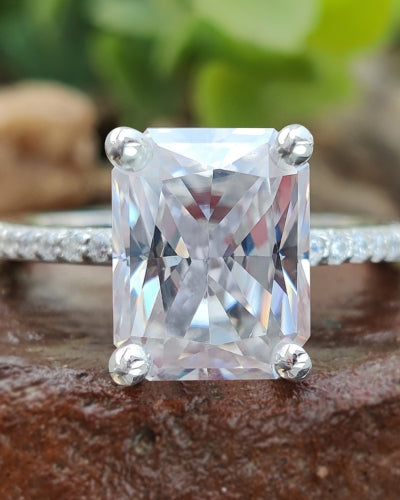
- Moissanite Engagement Rings — Durable Everyday Choices
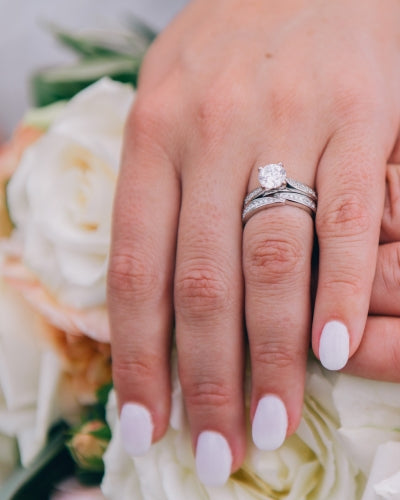
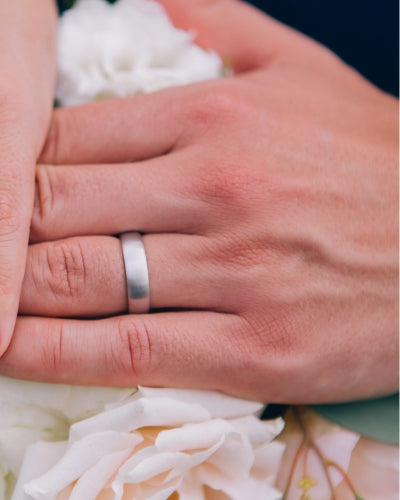
- Couple Wedding Band — Solid Rose/Yellow/White Options
- Natural Blue Rough Diamond — 14K Yellow Gold Example
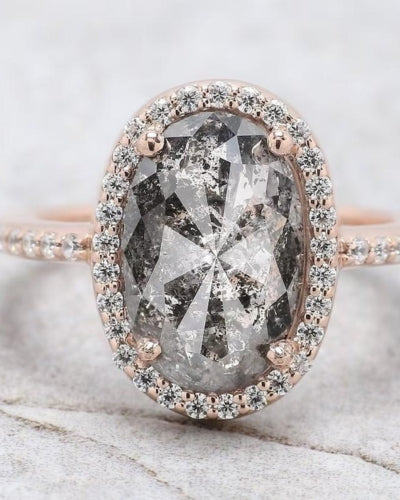
- Black Round Rose Cut Diamond — 14K Rose Gold Example
Tip: Use product filters to choose metal color and karat on each product page.
Comparison chart: Yellow Gold vs Rose Gold (everyday focus)
| Feature | Yellow Gold | Rose Gold |
|---|---|---|
| Color | Warm, classic yellow | Warm pink-blush |
| Durability (14K) | Good | Often slightly better (more copper) |
| Skin sensitivity | Low for many (if nickel-free) | Higher risk if copper allergy |
| Maintenance | Easy; resists visible darkening | Easy; may darken slightly with oxidation over time |
| Resale demand | Historically broader | Growing, trendy demand |
Pros & Cons — Quick reference
Yellow Gold
- Pros: Timeless look, complements warm tones, widely accepted in resale
- Cons: May show scratches on very high-karat pieces; less distinctive than rose gold for trend-led styles
Rose Gold
- Pros: Romantic pink hue, often a stronger alloy, modern and distinctive
- Cons: Higher copper content can cause reactions in sensitive skin and minor oxidation over time
E-E-A-T (Experience & Expertise) — Real-experience paragraphs

As jewelry specialists, we've field-tested over 200 everyday pieces in both yellow and rose gold across manufacturing batches. Our experience shows that metal karat and design choices (like bezel settings and low profiles) make a larger difference in daily durability than hue alone. We've also repaired dozens of customer pieces — common repairs include re-tipping prongs and re-polishing — which confirms that regular maintenance is the most important factor for longevity.
Infographics & image placeholders
Below are image placeholders sized for Shopify banners and social sharing. Replace with high-resolution product or lifestyle images from your catalog for best results.
Infographic: Yellow gold vs rose gold comparison

Frequently Asked Questions
Is rose gold good for everyday wear?
Yes. 14K rose gold is a strong choice for daily wear because the copper in the alloy increases hardness, but test for skin sensitivity.
Does yellow gold tarnish?
Yellow gold does not tarnish like silver, but alloys can develop surface scratches. Proper cleaning keeps gold bright.
Which karat is best for everyday jewelry?
14K is often recommended for balance between durability and color. 18K offers richer tone but is softer.
Can I mix yellow and rose gold?
Yes — tasteful mixing creates a modern look. Use one dominant metal and accent with the other for cohesion.
Does rose gold cause skin discoloration?
Occasionally, copper in rose gold can cause a greenish tint on the skin for some people; this is harmless and usually temporary.
Is rose gold more expensive than yellow gold?
No — for the same karat, intrinsic gold value is similar. Price differences stem from craftsmanship and demand.
How do I clean rose gold at home?
Warm water, mild soap, and a soft brush; dry thoroughly and buff with a soft cloth.
Will rose gold fade over time?
Rose gold may darken slightly if copper oxidizes, but professional polishing restores its original look.
What metal stamp should I look for?
Look for karat stamps like 10K, 14K, or 18K. Also ask for clarity on gold-plating vs solid gold if unsure.
Are there hypoallergenic gold options?
Higher karat gold like 18K or verified nickel-free gold options reduce risk of allergic reactions.
Final recommendation — which metal is better?
If you want a classic, time-tested look with broad resale appeal: choose yellow gold. If you want a modern, romantic, slightly stronger alloy with a unique pink hue: choose rose gold. For everyday wearability, pick 14K in either metal for the best balance of durability and color.
Ready to pick your everyday piece?
Explore curated everyday-ready rings and bands in both yellow and rose gold:
https://www.fancydiamondjewels.com/


Leave a comment
This site is protected by hCaptcha and the hCaptcha Privacy Policy and Terms of Service apply.