
How to Choose Wedding Bands That Match Your Engagement Ring
Choosing a wedding band is more than selecting a beautiful ring—it is about creating harmony with the engagement ring you already love. A well-matched wedding band elevates the center stone, improves comfort, and ensures your bridal set looks elegant from every angle. Many couples underestimate how much thought goes into pairing these rings, only to realize later that small design mismatches affect daily wear. wedding band bridal set
This in-depth guide draws on real jewelry design experience and buyer insights to help you confidently choose a wedding band that complements your engagement ring in every way.
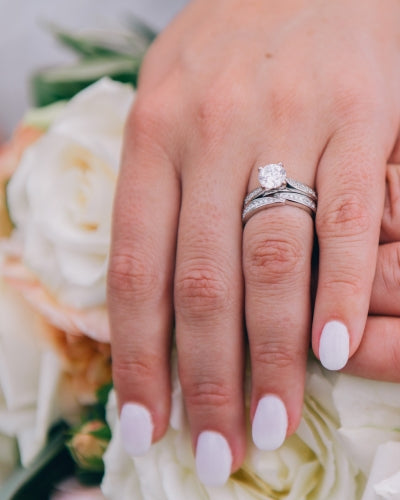
Explore Wedding Band StylesEngagement ring and matching wedding band bridal set

Table of Contents
- Why Matching Matters
- Start With Your Engagement Ring
- How to Match Metals
- Ring Shape Compatibility
- Understanding Setting Height
- Curved, V-Shaped, and Straight Bands
- Choosing the Right Band Width
- Diamond vs Plain Bands
- Stacking Logic Explained
- Comfort and Daily Wear
- Lifestyle Considerations
- Real Matching Examples
- Common Matching Mistakes
- FAQs
Why Matching Your Wedding Band Matters
A wedding band that aligns with your engagement ring creates visual flow. When metals clash or profiles fight for attention, even expensive rings can look disjointed. Matching also improves wearability—bands that sit flush reduce spinning, rubbing, and long-term damage. wedding band
Start With Your Engagement Ring
Analyze the Center Stone Shape
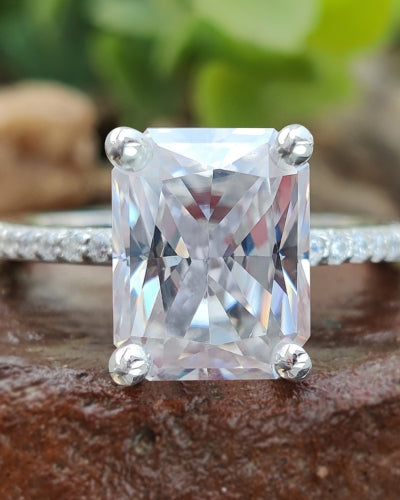
Round, oval, pear, emerald, and marquise diamonds all interact differently with wedding bands. Rounded stones usually pair well with curved or straight bands, while elongated shapes benefit from contouring. fancydiamondjewels.com
Observe the Setting Style
- Solitaire settings allow flexibility
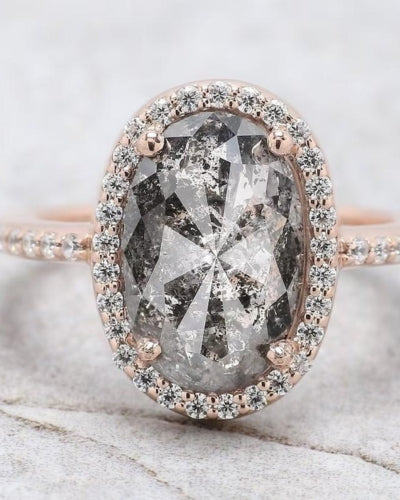
- Halo settings need contour alignment
- Three-stone rings require spacing balance

How to Match Metals Perfectly

| Engagement Ring Metal | Best Wedding Band Match |
|---|---|
| Platinum | Platinum or White Gold |
| Yellow Gold | Yellow Gold |
| Rose Gold | Rose Gold |
| Two-Tone | Mixed Metal Band |
Matching metal color preserves visual consistency and ensures even wear over time.
Ring Shape Compatibility
The band’s contour should echo the engagement ring’s outline. Straight bands suit low-set solitaires, while curved or V-shaped bands hug prominent center stones.
Understanding Setting Height
High-set engagement rings often leave a gap if paired with straight bands. Curved bands solve this by nesting under the center stone.
Curved, V-Shaped, and Straight Bands
- Curved Bands: Seamless fit around center stones
- V-Shaped Bands: Dramatic framing for elongated diamonds
- Straight Bands: Classic and versatile

Choosing the Right Band Width
Balance is key. Slim engagement rings pair best with delicate bands, while bold rings can support wider bands without overpowering.
Diamond vs Plain Wedding Bands

Diamond Bands
- Add sparkle
- Match engagement ring brilliance
Plain Bands
- Minimalist elegance
- Timeless appeal
Understanding Ring Stacking Logic
Stacking involves visual rhythm. Uniform band heights and metal tones create harmony.
Comfort and Daily Wear
Rounded interiors, proper spacing, and flush alignment reduce friction during daily activities.
Lifestyle Considerations
Active lifestyles benefit from low-profile bands, while formal wearers can embrace intricate detailing.
Real Matching Case Studies
Case Study 1: Solitaire + Curved Diamond Band

A classic round solitaire paired with a pavé curved band creates a seamless bridal look.
Case Study 2: Halo Ring + Plain Contour Band

The plain band supports the halo without competing visually.
Common Matching Mistakes to Avoid
- Ignoring setting height
- Mixing metal colors unintentionally
- Choosing bands too wide
- View Matching Wedding Bands
Frequently Asked Questions
Should my wedding band sit flush with my engagement ring?
Flush fit improves comfort and aesthetics but is not mandatory if spacing feels intentional.
Can I mix metals between rings?
Yes, when done deliberately with balanced design elements.
Are curved bands better than straight bands?
Curved bands work best for prominent center stones, while straight bands offer versatility.
How many wedding bands can I stack?
Most people stack one to three bands comfortably.
Do diamond bands damage engagement rings?
Not when properly aligned and professionally crafted.
Is comfort fit important?
Yes, especially for long-term daily wear.
Can I upgrade my wedding band later?
Absolutely. Many couples add anniversary bands over time.
Should both partners’ bands match?
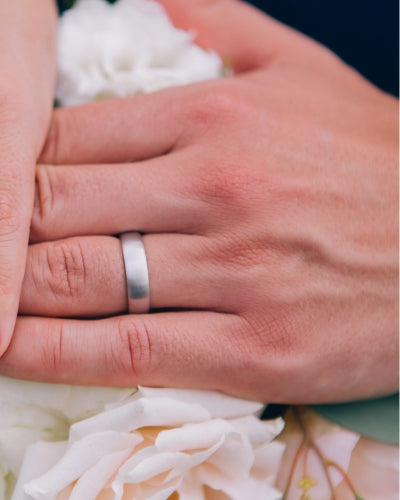
They can complement each other without being identical.
What band width is most popular?
Between 1.8mm and 2.5mm for women’s bands.
Where can I explore coordinated bridal sets?
You can explore curated collections directly at FancyDiamondJewels.
Final Thought: The best wedding band feels like it was always meant to be part of your engagement ring. Thoughtful matching ensures your bridal set remains elegant, comfortable, and timeless for a lifetime.


Laisser un commentaire
Ce site est protégé par hCaptcha, et la Politique de confidentialité et les Conditions de service de hCaptcha s’appliquent.