
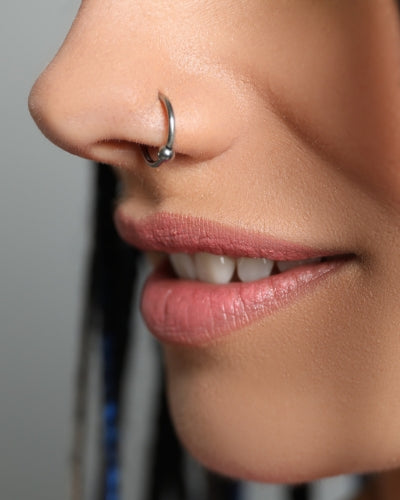
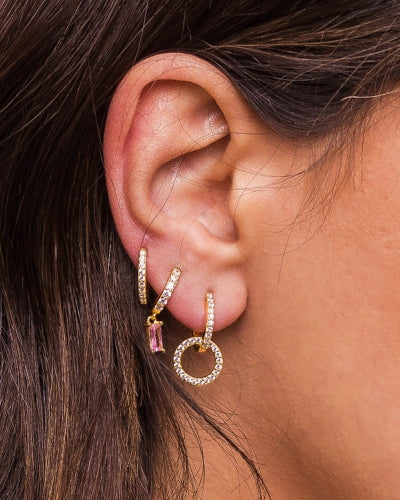
Jewelry in 2026 is about more than sparkle. It is about identity, individuality, emotional meaning, and the freedom to wear something that feels personal. From delicate diamond rings and layered necklaces to unusual salt and pepper diamonds and statement engagement rings, women's jewelry preferences are evolving alongside changing lifestyles and shopping habits.
Generation Z and Millennial women share a love of beautiful jewelry, but they may approach design, personalization, budgets, and everyday wear differently. Some prefer understated pieces that complement every outfit, while others gravitate toward distinctive gemstones, vintage-inspired details, or timeless fine jewelry that marks important milestones.
Understanding the differences between Gen Z and Millennial jewelry trends can help shoppers discover their own style and help jewelry lovers choose more meaningful gifts. In this guide, we explore the jewelry styles, diamond preferences, buying considerations, and design ideas shaping women's jewelry in 2026.

- Gen Z: Often drawn to self-expression, layering, personalization, versatile designs, and distinctive jewelry.
- Millennials: May prioritize craftsmanship, sentimental value, timeless silhouettes, versatility, and milestone purchases.
- Shared trend: Both generations can appreciate jewelry that feels individual rather than generic.
- Popular design direction: Minimalist rings, sculptural settings, colored and salt and pepper diamonds, stackable bands, and personalized gifts.
- Best buying principle: Choose jewelry according to personal taste, lifestyle, budget, and care requirements rather than generation alone.
1. Why Are Girls' Jewelry Preferences Changing in 2026?
Women's jewelry preferences reflect more than fashion cycles. They are influenced by personal milestones, work and social lifestyles, online discovery, changing budgets, and the desire to make purchases that feel meaningful. In 2026, these influences are visible in the growing variety of styles available to modern jewelry shoppers.
The idea that every woman should own the same traditional diamond ring or save fine jewelry for special occasions is giving way to a more flexible approach. A delicate diamond band might be worn to work, a sculptural ring might become a signature accessory, and a distinctive gemstone might represent an important personal achievement.
Jewelry as self-expression
For many younger shoppers, accessories are part of their personal identity. Jewelry can communicate a preference for minimalism, vintage fashion, contemporary design, romantic symbolism, or unconventional beauty. A ring does not need to follow a traditional engagement-ring design to feel special.
Everyday luxury is becoming more practical
Fine jewelry is increasingly considered for regular wear rather than only weddings, anniversaries, and formal events. Buyers may look for lightweight earrings, comfortable bands, subtle pendants, and versatile pieces that coordinate with different wardrobes.
Individuality matters more than a single trend
Some women prefer a classic round diamond, while others appreciate an asymmetrical setting or a salt and pepper diamond with naturally occurring inclusions. These preferences can exist within the same generation, friendship group, or family.
2. Understanding Gen Z Jewelry Preferences
Generation Z generally refers to people born from the late 1990s through the early 2010s, although exact boundaries vary. The older members of this generation are entering important career, relationship, and independent purchasing milestones, creating new opportunities for jewelry brands to connect with them.
Individual style over strict tradition
Gen Z jewelry preferences often include pieces that look distinctive and feel personal. Some shoppers enjoy asymmetrical earrings, geometric rings, mixed metals, unusual diamond cuts, or combinations of delicate and oversized accessories.
Traditional jewelry remains relevant, but the design may be updated with a modern setting, an unexpected stone shape, or a personalized detail.
Layering and stackable jewelry
Stackable rings, slim bands, layered necklaces, and coordinated earrings provide flexibility. Instead of purchasing a single accessory for every occasion, a shopper can create different combinations from a small collection.
- Thin rings worn together for a personalized look.
- Simple diamond studs paired with small hoops.
- Layered chains with different lengths.
- One distinctive gemstone ring combined with understated bands.
- Mixed-metal accessories for a contemporary finish.
Affordable luxury and careful spending
Younger shoppers may be balancing jewelry purchases with education, housing, travel, or other financial priorities. They can appreciate fine craftsmanship while still comparing prices, exploring smaller stones, and looking for versatile designs.
Affordable luxury does not necessarily mean choosing the cheapest product. It can mean selecting a piece that offers the desired appearance, material quality, comfort, and craftsmanship within a realistic budget.
Jewelry that feels authentic
Natural inclusions, unusual silhouettes, and custom details may appeal to buyers who want their jewelry to look different from mass-produced designs. A distinctive diamond can become a conversation piece while retaining the personal meaning of a fine-jewelry purchase.
Explore the available salt and pepper diamond engagement ring collection for examples of unconventional stone patterns and distinctive ring styles.
3. Understanding Millennial Jewelry Preferences
Millennials are commonly defined as people born between 1981 and 1996. Many are balancing professional responsibilities, family milestones, relationships, and long-term purchasing decisions. Jewelry may be selected as a personal reward, an anniversary gift, an engagement ring, or a piece to mark a major life event.
Timeless design remains attractive
Classic silhouettes can appeal to buyers who want jewelry to remain wearable as fashion changes. Round and oval diamond rings, elegant pendants, diamond studs, and refined gold bands offer styling flexibility.
Timeless does not mean predictable. A classic ring can feel contemporary through its proportions, setting, metal color, or choice of diamond.
Craftsmanship and materials matter
Buyers making significant purchases may pay close attention to metal purity, setting construction, finishing, stone security, sizing, and after-sales support. Understanding these details makes it easier to compare two pieces that appear similar in photographs.
Sentimental value influences decisions
Jewelry can mark engagements, anniversaries, career achievements, birthdays, or family memories. Engraving, inherited stones, meaningful shapes, and custom settings can make a piece more emotionally significant.
Investment language needs careful interpretation
Some Millennials may view diamond jewelry as a long-term possession, but jewelry should not automatically be treated as a financial investment. Resale values can depend on the stone, documentation, design, brand, condition, and market demand. A purchase should first meet the buyer's aesthetic and financial needs.
For additional style inspiration, explore everyday diamond jewelry trends for Gen Z and Millennials.
4. Gen Z vs. Millennials: Jewelry Preferences Compared
The following comparison describes broad style tendencies rather than fixed rules. Personal taste, culture, income, lifestyle, and occasion can matter more than age.
| Jewelry factor | Possible Gen Z preference | Possible Millennial preference |
|---|---|---|
| Overall style | Experimental, expressive, versatile | Classic, refined, versatile |
| Ring design | Geometric, stackable, distinctive | Solitaire, oval, vintage-inspired |
| Personalization | Individual details and mix-and-match looks | Engraving and milestone symbolism |
| Everyday wear | Lightweight, adaptable pieces | Practical pieces with lasting appeal |
| Shopping approach | Digital discovery and comparison | Digital research and detailed evaluation |
| Budget priorities | Value, flexibility, and price awareness | Quality, longevity, and overall value |
| Statement pieces | Unusual silhouettes and expressive styling | Distinctive designs with versatile wearability |
| Gift preferences | Personal, fashionable, meaningful | Sentimental, enduring, milestone-focused |
Where the generations overlap
Both generations can love minimalist jewelry, unique natural diamonds, personalized gifts, and well-made gold pieces. Both can also appreciate luxury, and both may be careful about spending.
A Millennial may prefer a bold geometric diamond ring, while a Gen Z shopper may choose a traditional solitaire. The comparison is most helpful as a starting point for understanding options—not as a formula for predicting an individual's taste.
5. The Rise of Minimalist Diamond Jewelry
Minimalist diamond jewelry combines clean lines, restrained proportions, and adaptable design. Its appeal lies in how easily a piece can move between different outfits and occasions.
Popular minimalist pieces
- Delicate diamond bands with slim profiles.
- Small diamond stud earrings.
- Fine chains with simple diamond pendants.
- Solitaire rings with understated settings.
- Thin gold stacking rings.
Why minimalist jewelry works
Minimalist jewelry is usually easy to coordinate with existing accessories. It can complement office clothing, casual outfits, and formal styling without requiring an entirely different jewelry collection.
However, simplicity does not automatically guarantee durability. Very thin bands and delicate settings still need suitable construction, appropriate sizing, and regular inspection.
How to make minimalism feel personal
Choose a distinctive stone shape, an unusual band profile, a meaningful engraving, or a metal color that suits your wardrobe. A simple ring with a salt and pepper diamond, for example, can offer understated proportions with a distinctive central stone.
6. Statement Jewelry and Bold Designs
Statement jewelry provides a different route to personal expression. Rather than blending into an outfit, a bold ring, sculptural pendant, or oversized earring becomes a focal point.
Statement ring trends
Geometric shapes, larger center stones, asymmetrical settings, unusual silhouettes, and textured bands can make a ring stand out. Kite, shield, hexagon, emerald, and marquise shapes each create a different visual effect.
How to balance bold jewelry
- Pair a prominent ring with simple earrings.
- Choose a statement necklace with a clean neckline.
- Combine one sculptural piece with a few understated accessories.
- Check the ring's height and edges before selecting it for daily wear.
Statement jewelry is not only for special occasions
A bold design can become an everyday signature if it is comfortable and appropriate for the wearer's routine. Buyers who work with their hands may prefer a lower setting, while someone who primarily wears jewelry at events may welcome a taller or more elaborate design.
The key is to balance appearance with comfort, maintenance, and practical use.
7. Why Salt and Pepper Diamonds Appeal to Modern Women

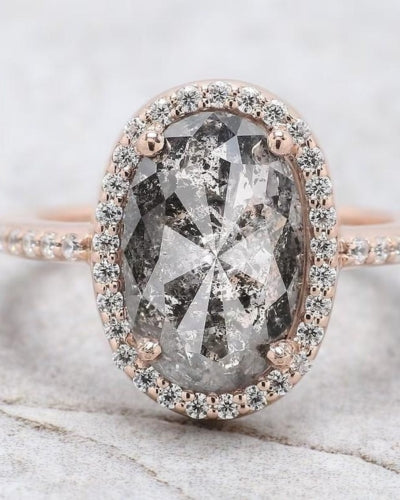
Salt and pepper diamonds are diamonds that display visible inclusions and contrasting patterns, often appearing in combinations of grey, black, white, or translucent areas. Their natural internal characteristics create an appearance that can differ dramatically from one stone to another.
For shoppers who want jewelry with an individual character, these diamonds offer a compelling alternative to the uniform look many people associate with traditional white diamond engagement rings.
Natural patterns and individuality
Each stone has its own visual character. Some appear smoky and subtle; others show high-contrast patterns or dramatic dark inclusions. This variation makes selecting the actual stone particularly important.
Modern designs for different personalities
- Minimalist: A small salt and pepper diamond in a clean bezel setting.
- Vintage-inspired: A rose-cut stone paired with delicate detailing.
- Geometric: A kite, shield, or hexagonal stone in a structured setting.
- Romantic: An oval or pear-shaped stone with a warm gold band.
- Bold: A larger central stone with a substantial band or distinctive profile.
Are salt and pepper diamonds suitable for engagement rings?
They can be an excellent aesthetic choice for someone who appreciates their appearance and understands the characteristics of the individual stone. Suitability depends on the stone's structure, inclusions, cut, setting, and intended wear.
Visible inclusions should not be assumed to have no effect on durability. A knowledgeable jeweler should assess the individual diamond, especially if inclusions reach the surface or are located near vulnerable points.
What should buyers examine?
- Review clear photographs or video of the actual stone.
- Ask about its dimensions, cut, and visible inclusions.
- Understand the setting and how it protects vulnerable edges.
- Confirm the metal type and ring size.
- Review documentation, return terms, resizing options, and care instructions.
Browse salt and pepper diamond engagement rings to explore designs for different preferences and occasions.
8. Diamond Shapes Influencing Ring Design
Diamond shape changes the character of a ring even when the metal and setting remain the same. In 2026, shoppers exploring modern jewelry can consider classic shapes alongside more unusual cuts.
Round diamonds
Round diamonds offer a familiar silhouette and can suit minimalist, vintage, and contemporary designs. Their proportions work across many ring settings.
Oval diamonds
Oval diamonds create an elongated appearance on the finger. They can look elegant in a solitaire setting or more decorative when surrounded by accent stones.
Emerald-cut diamonds
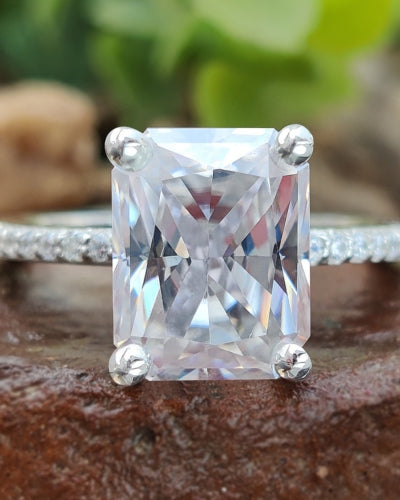
Emerald cuts emphasize clean geometry and broad step facets. They often appeal to buyers who prefer a structured, architectural look.
Marquise and pear shapes
These elongated shapes introduce movement and a distinctive outline. Their pointed ends need thoughtful setting protection, especially in rings intended for frequent wear.
Kite, shield, and hexagon shapes
Geometric diamonds can create a more unconventional look. They are especially interesting for shoppers seeking distinctive engagement rings or jewelry that feels less traditional.
| Shape | Visual character | Design consideration |
|---|---|---|
| Round | Classic and balanced | Works with many settings |
| Oval | Soft and elongated | Check proportions and setting security |
| Emerald | Geometric and refined | Clarity and inclusions are especially visible in open facets |
| Pear | Elegant and expressive | Protect the pointed tip |
| Marquise | Dramatic and elongated | Protect both ends |
| Kite or shield | Distinctive and architectural | Confirm setting support and comfortable wear |
The best shape is the one that suits the wearer's hand, personal style, and preferred level of visual drama.
9. Personalized Jewelry and Emotional Meaning
Personalization can transform a beautiful accessory into a meaningful keepsake. It allows the wearer to connect the piece with a person, memory, milestone, or individual preference.
Popular ways to personalize jewelry
- Initials, dates, or short engravings.
- Birthstone accents or meaningful gemstone colors.
- A diamond selected for its distinctive natural pattern.
- Custom band shapes and metal combinations.
- Matching rings created for an important occasion.
- Settings inspired by personal sketches or reference designs.
Why customization appeals across generations
A younger buyer may want a design that expresses an individual aesthetic. An older buyer may choose an engraving that commemorates an anniversary. Both are using personalization to create a stronger connection between the jewelry and the wearer.
How to approach a custom design
Begin with the meaning or appearance you want the jewelry to communicate. Select the stone, metal, proportions, and setting next. Ask for a clear explanation of the final specifications, production timeline, sizing, and any limitations before approving the design.
See examples of personalized natural diamond ring ideas for inspiration when developing a piece that reflects individual taste.
10. Everyday Fine Jewelry: Small Pieces, Lasting Style
Everyday fine jewelry is designed to fit naturally into a person's routine. The most useful pieces are not necessarily the most expensive or elaborate; they are the ones the wearer reaches for repeatedly.
Building a practical jewelry collection
- One versatile ring: Choose a comfortable profile that coordinates with everyday clothing.
- Simple earrings: Studs or small hoops can work across casual and formal settings.
- A pendant: A delicate necklace can be worn alone or layered.
- A bracelet: Select a secure closure and comfortable fit.
- A special piece: Add a distinctive ring or necklace that reflects personal taste.
Comfort is part of luxury
Jewelry that catches on clothing, twists constantly, or feels heavy may remain unworn. Before purchasing, consider the weight, profile, clasp, band width, and how the item will interact with your daily activities.
Versatility without sacrificing personality
A simple band can be paired with a distinctive diamond. Minimal earrings can balance a bold ring. A classic necklace can sit alongside a personalized pendant. A thoughtful collection combines coordination with room for individual expression.
11. Gold Colors and Metal Choices in 2026
Metal color influences the mood of a jewelry design and the way a gemstone appears. Yellow gold, white gold, and rose gold each offer a different visual character.
Yellow gold
Yellow gold creates a warm, traditional appearance and pairs naturally with many vintage-inspired designs. It can also create an appealing contrast with grey or dark salt and pepper diamonds.
White gold
White gold offers a cool-toned appearance that works well with contemporary settings. Buyers should ask whether the piece has a rhodium finish and what maintenance that finish may require.
Rose gold
Rose gold brings a soft pink warmth to rings and fine jewelry. It can complement both romantic and modern designs, particularly when paired with grey or brown-toned stones.
How to choose the right metal
- Consider the metals you already wear most often.
- Compare the color against your preferred gemstones.
- Check the alloy and metal purity.
- Consider maintenance, allergies, and everyday use.
- Choose the finish that you will enjoy wearing over time.
There is no universal rule that one metal belongs to one generation. Metal choice is a personal design decision influenced by wardrobe, taste, budget, and practical needs.
12. Responsible Shopping and Transparency
Many jewelry buyers want more information about what they purchase. They may ask about the origin of a natural diamond, whether a stone is natural or laboratory-grown, how materials are described, and what documentation accompanies the product.
Ask clear questions
- Is the diamond natural or laboratory-grown?
- What documentation or grading information is available?
- What is known about the stone's origin and sourcing?
- Which metal and alloy are used?
- What care, repair, or resizing services are available?
Understand the terminology
Natural diamonds form through geological processes, while laboratory-grown diamonds are created using technological processes. Both are diamonds, but their origins differ. Natural inclusions in salt and pepper diamonds describe their appearance and characteristics; they are not, by themselves, proof of ethical sourcing.
Look beyond broad marketing claims
Terms such as responsible, sustainable, and ethical should be supported by clear information. Ask what a claim specifically means and what documentation is available instead of assuming that a particular stone type automatically meets every sourcing standard.
Consider long-term use
A well-chosen piece that is cared for and worn for years may align with a buyer's preference for thoughtful consumption. Durability, repairability, material quality, and timeless personal appeal all matter when evaluating a jewelry purchase.
13. How Jewelry Shopping Habits Are Changing
Online shopping has made it easier to compare styles, explore stone shapes, examine product details, and discover designs beyond the traditional jewelry store display. At the same time, a digital photograph cannot answer every question about a piece.
Discovery and research
Some shoppers discover designs through social content, search results, recommendations, or conversations with friends. Others begin with a specific need, such as an engagement ring or anniversary gift, and compare available options.
Product information matters
Good product pages should explain stone characteristics, metal composition, dimensions, sizing, available documentation, and care. Detailed images of the actual item are particularly valuable for distinctive diamonds, whose patterns can vary considerably.
Questions to answer before checkout
- What exactly is included in the purchase?
- Are the product images representative of the actual piece?
- Can the ring be resized?
- What are the delivery and return terms?
- Is the stone's description clear?
- Who can help if the item requires maintenance?
For online shoppers, confidence comes from transparent product information and a clear understanding of the purchase—not from attractive photographs alone.
14. Budgeting for Diamond Jewelry
Jewelry budgets vary widely, and there is no single amount that defines a suitable purchase for Gen Z or Millennials. A responsible budget begins with the buyer's finances and the purpose of the piece.
Set a comfortable spending limit
Decide how much you can spend without compromising essential expenses, emergency savings, or other financial goals. Avoid treating a cultural rule or social expectation as a mandatory spending target.
Understand what affects price
- Diamond type, size, and individual characteristics.
- Cut, shape, color, and clarity considerations.
- Metal type, weight, and purity.
- Setting complexity and craftsmanship.
- Certification or grading documentation where applicable.
- Customization, finishing, and after-sales services.
Compare complete products
Two rings with similar carat weights may differ significantly in appearance, materials, workmanship, and price. Compare the total specifications rather than selecting solely by size or promotional price.
Where to prioritize spending
For a frequently worn ring, comfortable construction and a secure setting may matter more than elaborate decorative details. For a special-occasion piece, the buyer may prioritize a distinctive design or a larger visual presence.
The right purchase balances design, materials, practical needs, and a budget that feels manageable.
15. Modern Engagement Ring Preferences

Engagement rings remain meaningful symbols of commitment, but the range of acceptable designs has expanded. Couples may select traditional solitaires, vintage-inspired settings, unusual diamond shapes, colored stones, or custom designs that reflect their relationship.
Traditional solitaire rings
A solitaire focuses attention on one central stone. Its clean design can suit buyers who appreciate simplicity, and it can be adapted through different diamond shapes, metal colors, and setting heights.
Vintage-inspired rings
Milgrain edges, engraved bands, rose cuts, and antique-inspired details create a romantic appearance. Buyers should consider how intricate details will hold up under regular wear and whether cleaning or repairs may require special attention.
Alternative engagement rings
Salt and pepper diamonds, geometric shapes, and asymmetrical settings offer alternatives for people who prefer distinctive designs. These styles can feel personal without requiring a large or elaborate setting.
Practical features to compare
- Stone security and protective setting design.
- Comfort and suitability for everyday wear.
- Metal durability and maintenance needs.
- Resizing and future repair options.
- Compatibility with a wedding band.
Explore salt and pepper diamond engagement rings if you are considering a ring with a distinctive natural appearance.
16. How to Style Jewelry in 2026

Everyday minimalism
Choose one or two delicate pieces, such as a fine chain and simple ring. Keep the proportions comfortable and let the jewelry complement rather than compete with the outfit.
Layered necklaces
Combine chains of different lengths to create separation between pendants. Avoid excessive tangling by considering chain weight, clasp design, and how the pieces sit when you move.
Ring stacking
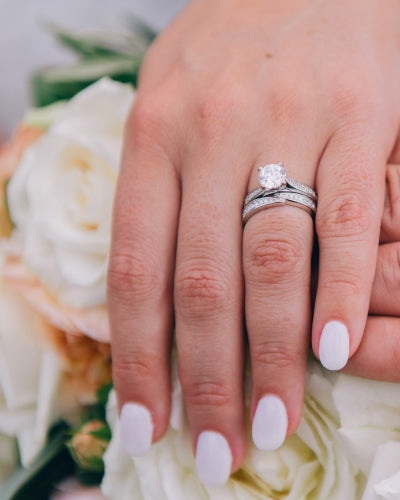
Pair a central ring with slim bands in matching or contrasting metals. Make sure adjacent rings do not rub uncomfortably or place unnecessary pressure on delicate settings.
Mixing statement and subtle pieces
A prominent diamond ring can work well with simple earrings. A sculptural necklace may need little additional decoration. Choosing one focal point can create a balanced overall look.
Styling for special occasions
For formal events, consider how jewelry interacts with clothing, neckline, hairstyle, and other accessories. A distinctive ring may become the focus, while smaller earrings and a simple bracelet provide balance.
Personal style develops through experimentation. The most successful combination is one that feels comfortable and authentic to the wearer.
17. Step-by-Step Guide: How to Choose the Right Jewelry
Step 1: Define the purpose
Decide whether the piece is for daily wear, an engagement, a birthday, an anniversary, a personal milestone, or a special event. The intended purpose affects design, durability, and budget.
Step 2: Identify the wearer's style
Observe the jewelry they already wear. Do they choose delicate chains, bold rings, warm gold, cool metals, vintage details, or clean modern lines? Existing preferences offer a more reliable guide than generational stereotypes.
Step 3: Choose the main feature
Select the element that matters most: diamond shape, stone pattern, metal color, setting, engraving, or overall silhouette. A clear priority makes it easier to compare options.
Step 4: Establish a realistic budget
Set a spending limit before browsing. Leave room for any necessary resizing, care, or maintenance costs, and do not assume a higher price always means a better choice for your needs.
Step 5: Evaluate materials and construction
Confirm the metal type, stone details, setting security, comfort, and relevant documentation. For salt and pepper diamonds, pay particular attention to the actual stone's inclusions and structural characteristics.
Step 6: Review photographs and specifications
Look for multiple angles and clear measurements. If possible, view a video or ask for additional photographs to understand the stone's appearance in different lighting conditions.
Step 7: Check fit and practicality
For rings, verify the size and resizing options. For necklaces and bracelets, check length, closure, and fit. Consider whether the piece suits the wearer's daily activities.
Step 8: Read the purchase terms
Review delivery, returns, warranty coverage, repairs, and customization conditions before placing an order. Clarify any unanswered questions with the seller.
Step 9: Make the decision without rushing
Compare your strongest options against the original requirements. Choose the piece that best balances appearance, comfort, quality, meaning, and budget.
Step 10: Plan for care
Follow the recommended cleaning and storage instructions. Schedule professional inspections when appropriate, particularly for frequently worn rings or settings with exposed stone edges.
18. Minimalist vs. Statement Jewelry: Pros and Cons
| Consideration | Minimalist jewelry | Statement jewelry |
|---|---|---|
| Visual impact | Subtle and understated | Bold and attention-grabbing |
| Styling | Often easy to coordinate | May become the outfit's focal point |
| Everyday use | Can be practical with suitable construction | Depends on size, weight, and setting |
| Personal expression | Can communicate refined simplicity | Can communicate a distinctive aesthetic |
| Layering | Usually easy to combine | May need simpler complementary pieces |
| Maintenance | Depends on design and materials | Intricate details may require extra attention |
Advantages of minimalist jewelry
- Easy to coordinate with different outfits.
- Often suitable for work and casual settings.
- Can be combined with other pieces.
- Offers a restrained look that many people enjoy.
Potential disadvantages of minimalist jewelry
- Very delicate designs may require careful handling.
- Some styles may feel too subtle for buyers who prefer dramatic accessories.
- Thin settings are not automatically more durable or easier to maintain.
Advantages of statement jewelry
- Creates a strong focal point.
- Can express a distinctive personality.
- Offers opportunities for unusual shapes and stone patterns.
- Can make a simple outfit feel more individual.
Potential disadvantages of statement jewelry
- Larger pieces may feel heavy or less comfortable.
- Some designs may be harder to coordinate with everyday clothing.
- Exposed points and intricate settings may require extra care.
Neither style is inherently better. The ideal choice depends on how the wearer plans to use the jewelry and what makes them feel confident.
19. Three Illustrative Jewelry Style Examples
The following examples are illustrative buyer scenarios, not documented customer testimonials. They demonstrate how different priorities can lead to different jewelry choices.
Example A: The everyday minimalist
A young professional wants one ring that can be worn to work, on weekends, and at social events. She prefers a low-profile design and does not want a large stone that catches on clothing.
Possible solution: A slim gold band with a securely set small diamond. The choice emphasizes comfort, versatility, and understated style.
Buying lesson: A simple design can still feel distinctive when the proportions, metal, and stone are carefully chosen.
Example B: The classic milestone buyer
A woman wants to celebrate an anniversary with a piece she can wear for years. She values craftsmanship and prefers jewelry that coordinates with pieces already in her collection.
Possible solution: A classic diamond pendant or refined ring in a familiar metal color, with clear specifications and care guidance.
Buying lesson: A milestone purchase can combine timeless design with personal meaning without relying on a trend.
Example C: The unconventional diamond enthusiast
A shopper is drawn to natural stone patterns and wants an engagement ring that looks different from a traditional white diamond solitaire. She likes geometric design and warm metal tones.
Possible solution: A carefully evaluated salt and pepper diamond in a geometric setting with suitable protection for vulnerable edges.
Buying lesson: Distinctive appearance should be balanced with structural suitability, accurate product information, and an appropriate setting.
What these examples reveal
The three shoppers have different preferences, but each benefits from the same process: define the purpose, understand the materials, compare designs, establish a budget, and consider long-term wear.
20. The Future of Women's Jewelry: What Could Continue Through 2026 and Beyond?
Jewelry trends change, but some design directions have lasting appeal because they address practical needs as well as aesthetics. The following are reasonable areas to watch, not guarantees about what every buyer will prefer.
Personalized design
Custom details, distinctive stones, engravings, and meaningful combinations can help jewelry feel individual. Personalization is likely to remain relevant wherever buyers want a stronger connection to a purchase.
Versatile fine jewelry
Pieces that move between casual and formal settings provide value through repeated wear. Stackable bands, simple pendants, and adaptable earrings can support a flexible wardrobe.
Alternative diamond aesthetics
Salt and pepper diamonds and unusual shapes offer visual options beyond conventional silhouettes. Their appeal comes from the character of the individual stone and the design possibilities it creates.
More informed online shopping
Clear specifications, useful product photography, accessible care information, and transparent purchase terms help customers make better decisions. Shoppers benefit when a product description explains both its beauty and its practical requirements.
Personal taste over generational labels
The strongest long-term direction may be greater freedom to choose. A shopper can love a classic solitaire one day and a bold geometric ring the next. Jewelry is most meaningful when it reflects the individual rather than an expectation attached to age.
21. Jewelry Care: Protecting Beauty and Longevity
Appropriate care helps jewelry retain its appearance and reduces the chance of avoidable damage. Different gemstones, metals, and settings can require different cleaning methods, so always follow guidance suitable for the specific piece.
Clean carefully
For many durable diamond and gold pieces, gentle cleaning with lukewarm water, mild soap, and a soft brush may be appropriate. Avoid aggressive scrubbing and do not assume every setting can tolerate ultrasonic cleaning or chemical products.
Remove jewelry for risky activities
Consider removing rings before heavy lifting, gardening, contact sports, or activities that can expose a setting to impact. Chemicals, hard surfaces, and repeated friction can damage metal finishes or loosen stones.
Store pieces separately
Keep jewelry in a clean, dry place and separate pieces to reduce scratching and tangling. Secure pouches or compartments can help protect delicate settings and chains.
Inspect settings regularly
Check for loose stones, bent prongs, damaged clasps, or changes in fit. If a diamond moves or a setting appears damaged, stop wearing the item and consult a qualified jeweler.
Give distinctive diamonds extra attention
Salt and pepper diamonds vary in their inclusions and structural characteristics. Ask for care instructions specific to the actual stone and its setting rather than assuming all diamonds are equally resistant to every kind of impact.
22. Frequently Asked Questions About Gen Z vs. Millennials Jewelry Trends
1. What jewelry styles are popular among Gen Z women in 2026?
Gen Z shoppers may gravitate toward stackable rings, delicate necklaces, mixed metals, geometric designs, personalized jewelry, and distinctive diamond shapes. Preferences vary widely, so the best style is the one that suits the individual's taste and lifestyle.
2. How do Millennial jewelry preferences differ from Gen Z?
Some Millennials prioritize classic silhouettes, craftsmanship, versatility, and jewelry connected to life milestones. Some Gen Z shoppers experiment more with layering, personalization, and unconventional designs. These are broad tendencies rather than rules that apply to everyone.
3. Are salt and pepper diamond rings trending in 2026?
Salt and pepper diamonds are a distinctive option for buyers interested in unconventional engagement rings and natural inclusion patterns. Their appeal depends on individual taste, design, and the appearance of the specific stone.
4. What makes salt and pepper diamonds different from white diamonds?
Salt and pepper diamonds display visible inclusions that can create grey, black, white, or contrasting patterns. Traditional white diamonds are often selected for a brighter, more uniform appearance. Each stone should be evaluated individually.
5. Are salt and pepper diamonds real diamonds?
Yes. Salt and pepper diamonds are diamonds with visible inclusions and distinctive appearances. Buyers should review the stone description and available documentation to confirm the identity and characteristics of the specific diamond they are considering.
6. Which diamond shapes suit modern engagement rings?
Round, oval, emerald, pear, marquise, kite, shield, and hexagonal shapes can all work in modern engagement rings. The best option depends on the wearer's preferred appearance, the stone's proportions, the setting, and practical considerations.
7. Is minimalist jewelry better for everyday wear?
Minimalist jewelry can be easy to coordinate and comfortable for regular use, but durability depends on the materials and construction. A simple ring with a delicate setting may need just as much care as a more elaborate design.
8. Is statement jewelry suitable for everyday use?
Yes, if the piece is comfortable, securely constructed, and appropriate for the wearer's activities. Consider weight, height, edges, clasps, and potential exposure to impacts before choosing a bold design for daily wear.
9. Which metal is best for a salt and pepper diamond ring?
Yellow gold offers warmth, white gold creates a cool-toned appearance, and rose gold adds a soft pink hue. The best choice depends on personal preference, metal composition, maintenance requirements, and how the metal complements the individual stone.
10. Are personalized diamond rings a good gift?
Personalized diamond rings can be meaningful gifts for engagements, anniversaries, birthdays, and personal milestones. Consider the recipient's style, ring size, preferred metal, and whether customization affects delivery, returns, or resizing.
11. How should I choose a diamond ring on a budget?
Set a comfortable spending limit, compare complete product specifications, and prioritize the qualities that matter most to you. Consider stone appearance, setting quality, metal type, comfort, available documentation, and after-sales support rather than carat weight alone.
12. Do Millennials prefer traditional diamond engagement rings?
Some Millennials prefer traditional solitaires and classic settings, while others choose alternative diamonds, geometric designs, or custom rings. Personal taste, relationship preferences, budget, and lifestyle are more reliable guides than generation alone.
13. Why is personalization important in modern jewelry?
Personalization lets the wearer connect a piece with their identity, relationships, memories, or milestones. An engraving, unusual stone, custom setting, or meaningful shape can make a design feel more individual.
14. What should I check before buying a salt and pepper diamond engagement ring?
Review photographs of the actual stone, its dimensions, visible inclusions, cut, setting security, metal composition, sizing, documentation, and purchase terms. Ask about care and repair options, especially when the stone has exposed points or surface-reaching inclusions.
15. Are diamond rings a financial investment?
Diamond jewelry can hold personal and sentimental value, but resale prices are not guaranteed. Market demand, the stone, documentation, craftsmanship, condition, and resale channel can affect value. Buy primarily because the piece suits your needs and budget.
16. How can I make jewelry feel more personal without custom manufacturing?
Choose a stone with a distinctive pattern, combine existing rings, select a meaningful metal color, or create a coordinated set. Engraving may also be possible, depending on the design and material.
17. What is the best jewelry gift for a young woman?
The best gift reflects the recipient's personal style and the occasion. Delicate rings, diamond pendants, earrings, personalized pieces, and distinctive gemstones can all be thoughtful choices when the size, materials, and design suit the recipient.
18. How do I care for diamond jewelry?
Follow care instructions for the specific stone and setting, clean gently when appropriate, store pieces separately, and inspect clasps and settings regularly. Remove jewelry during activities that can expose it to impacts or harsh chemicals.
19. Can Gen Z and Millennials enjoy the same jewelry styles?
Absolutely. Both generations can appreciate minimalist rings, statement designs, classic diamond jewelry, personalized pieces, and salt and pepper diamonds. Individual preferences are more important than age-based categories.
20. How can I find a jewelry style that suits me?
Start with your daily wardrobe, existing accessories, preferred metal colors, comfort requirements, and budget. Compare a few styles, review their materials and construction, and choose a piece that you will enjoy wearing regularly.
Conclusion: Jewelry in 2026 Is About Individuality
The conversation around Gen Z vs. Millennials jewelry trends is not simply a contest between modern and traditional design. It reflects a broader range of ways women choose, wear, and connect with fine jewelry. Custom Ring Builder
Gen Z shoppers may enjoy expressive styling, stackable rings, and distinctive designs. Millennial shoppers may appreciate timeless silhouettes, craftsmanship, and milestone pieces. Yet both generations can value personalization, versatility, quality, and a strong emotional connection with what they wear.
Salt and pepper diamond rings illustrate this evolution particularly well. Their natural patterns offer a distinctive look for buyers who want an engagement ring or fine-jewelry piece that feels individual. Whether paired with a minimalist gold band, a vintage-inspired setting, or a bold geometric design, the stone can become a personal expression of style.
The best jewelry choice is ultimately the one that balances beauty, comfort, materials, budget, and meaning. Instead of following a generational rule, explore the designs that feel right for you.
Find Your Signature Jewelry Style
Explore distinctive diamond designs, compare shapes and settings, and discover jewelry that reflects your own story.


Laisser un commentaire
Ce site est protégé par hCaptcha, et la Politique de confidentialité et les Conditions de service de hCaptcha s’appliquent.