
How to Choose the Perfect Natural Diamond Ring
ᴛᴀʙʟᴇ ᴏꜰ ᴄᴏɴᴛᴇɴᴛꜱ
- Why Choose a Natural Diamond Ring?
- Step 1: Understand the 4Cs of Natural Diamonds
- Step 2: Choose the Right Diamond Shape
- Step 3: Select the Perfect Ring Setting
- Step 4: Choose the Right Metal for the Band
- Step 5: Get the Right Ring Size
- Step 6: Always Check Diamond Certification
- Step 7: Set a Realistic Budget
- Step 8: Think Long-Term Value and Meaning
- Common Mistakes to Avoid
- Frequently Asked Questions (FAQs)
- Final Thoughts

Choosing a natural diamond ring is one of the most meaningful and exciting purchases you’ll ever make. Whether it’s for an engagement, wedding, anniversary, or a personal milestone, a natural diamond ring represents love, commitment, success, and timeless elegance.
But with so many options—diamond shapes, cuts, settings, metals, certifications, and budgets—choosing the perfect natural diamond ring can feel overwhelming.
This complete guide will walk you step by step through everything you need to know, so you can make a confident, informed, and emotionally satisfying decision.
➡️ᴡʜʏ ᴄʜᴏᴏꜱᴇ ᴀ ɴᴀᴛᴜʀᴀʟ ᴅɪᴀᴍᴏɴᴅ ʀɪɴɢ?
Before diving into how to choose one, it’s important to understand why natural diamonds hold such lasting value.
Natural diamonds are formed deep within the Earth over billions of years under extreme heat and pressure. Each stone is a rare gift of nature, making every natural diamond truly one of a kind.
Key reasons people prefer natural diamond rings:
- Authentic rarity and natural origin
- Long-term emotional and financial value
- Symbol of eternal love and commitment
- Superior durability (hardest natural substance)
- Strong resale and heirloom potential
A natural diamond ring isn’t just jewelry—it’s a legacy.
👣ꜱᴛᴇᴘ 1: ᴜɴᴅᴇʀꜱᴛᴀɴᴅ ᴛʜᴇ 4ᴄꜱ ᴏꜰ ɴᴀᴛᴜʀᴀʟ ᴅɪᴀᴍᴏɴᴅꜱ
The foundation of choosing the perfect natural diamond ring begins with understanding the 4Cs: Cut, Color, Clarity, and Carat Weight.
1. Cut – The Most Important Factor
The cut determines how brilliantly a diamond sparkles. Even a flawless diamond will look dull if the cut is poor.
Popular cut grades:
- Excellent
- Very Good
- Good
Tip: Always prioritize cut. A well-cut diamond appears brighter and often looks larger than its actual carat weight.
2. Color – From Colorless to Warm Tones
Natural white diamonds are graded from D (colorless) to Z (noticeable yellow or brown tint).
Best choices for rings:
- D–F: Premium, icy white
- G–H: Excellent value with near-colorless beauty
- I–J: Slight warmth, great for yellow or rose gold settings
Fancy color diamonds (yellow, pink, blue) are graded differently and prized for their intensity and rarity.
3. Clarity – Natural Beauty with Character
Clarity refers to natural inclusions or blemishes inside the diamond.
Common clarity grades:
- FL / IF – Flawless (very rare and expensive)
- VVS1–VVS2 – Extremely clean
- VS1–VS2 – Eye-clean and excellent value
- SI1–SI2 – Minor inclusions, often invisible to the naked eye
Tip: VS and SI diamonds often look flawless without magnification and cost significantly less.
4. Carat Weight – Size Matters, but Balance Matters More
Carat refers to weight, not size. A well-cut diamond can appear larger than a heavier one with poor proportions.
Smart approach:
- Balance carat weight with cut quality
- Consider slightly under popular weights (e.g., 0.90 instead of 1.00 carat) to save money
👣ꜱᴛᴇᴘ 2: ᴄʜᴏᴏꜱᴇ ᴛʜᴇ ʀɪɢʜᴛ ᴅɪᴀᴍᴏɴᴅ ꜱʜᴀᴘᴇ
Diamond shape affects the ring’s personality and style.


Popular Natural Diamond Shapes:
- Round Brilliant – Maximum sparkle, classic and timeless
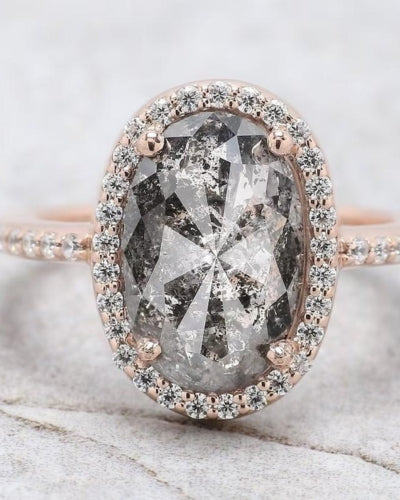
- Oval – Elegant, elongates the finger
- Princess – Modern, sharp brilliance
- Cushion – Soft, romantic vintage look
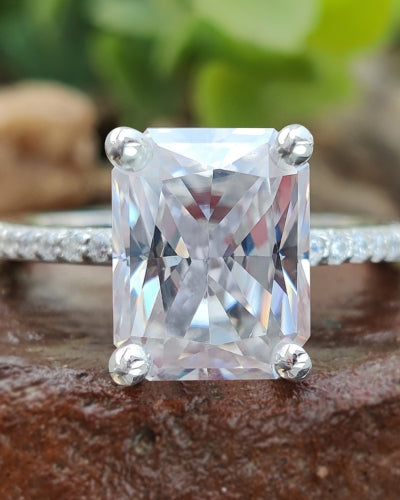
- Emerald – Sophisticated with mirror-like clarity
- Pear – Unique and graceful
- Marquise – Bold, makes fingers look longer
Choose a shape that matches the wearer’s personal style and lifestyle.
👣ꜱᴛᴇᴘ 3: ꜱᴇʟᴇᴄᴛ ᴛʜᴇ ᴘᴇʀꜰᴇᴄᴛ ʀɪɴɢ ꜱᴇᴛᴛɪɴɢ
The setting determines how the diamond is held and how it looks on the hand.
Popular Natural Diamond Ring Settings:
 Solitaire – Timeless, focuses on the diamond
 Halo – Adds sparkle and makes the center stone look larger
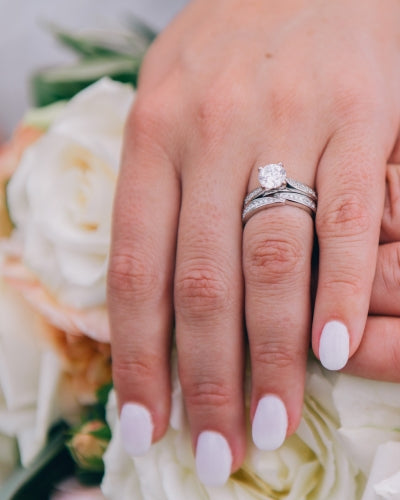
 Three-Stone – Symbolizes past, present, and future
 Pavé – Extra brilliance along the band
 Bezel – Modern, secure, and sleek
 Vintage – Intricate details and old-world charm
Tip: Lifestyle matters. Active lifestyles benefit from secure settings like bezel or low-profile prongs.
👣ꜱᴛᴇᴘ 4: ᴄʜᴏᴏꜱᴇ ᴛʜᴇ ʀɪɢʜᴛ ᴍᴇᴛᴀʟ ꜰᴏʀ ᴛʜᴇ ʙᴀɴᴅ
The metal influences the ring’s appearance, durability, and maintenance.


Best Metals for Natural Diamond Rings:
- Platinum – Strong, hypoallergenic, luxurious
- White Gold – Bright and modern
- Yellow Gold – Classic and warm
- Rose Gold – Romantic and trendy
Matching tip:
- White diamonds → Platinum or white gold
- Fancy yellow diamonds → Yellow gold
- Vintage styles → Rose or yellow gold
👣ꜱᴛᴇᴘ 5: ɢᴇᴛ ᴛʜᴇ ʀɪɢʜᴛ ʀɪɴɢ ꜱɪᴢᴇ
A perfect diamond deserves a perfect fit.
Sizing tips:
- Measure professionally whenever possible
- Fingers swell in heat and shrink in cold
- Comfort-fit bands are ideal for daily wear
- Check Below Link : https://www.fancydiamondjewels.com/pages/ring-size-finder
If unsure, it’s easier to resize slightly larger than smaller.
👣ꜱᴛᴇᴘ 6: ᴀʟᴡᴀʏꜱ ᴄʜᴇᴄᴋ ᴅɪᴀᴍᴏɴᴅ ᴄᴇʀᴛɪꜰɪᴄᴀᴛɪᴏɴ
Never buy a natural diamond ring without proper certification.
Trusted Diamond Certification Labs:
- GIA (Gemological Institute of America) – Global gold standard
- IGI (International Gemological Institute) – Popular for jewelry retail
- HRD – European authority
- Check Below Link : https://www.lukhidiamond.com/pages/contact-to-lukhidiamond
A certificate confirms the diamond’s authenticity, quality, and natural origin.
👣ꜱᴛᴇᴘ 7: ꜱᴇᴛ ᴀ ʀᴇᴀʟɪꜱᴛɪᴄ ʙᴜᴅɢᴇᴛ
A perfect ring is one that fits both the heart and the budget.
Smart budgeting tips:
- Prioritize cut over size
- Choose near-colorless and eye-clean diamonds
- Upgrade setting style instead of carat size
- Focus on long-term satisfaction, not trends
Remember: There’s no “correct” price—only the right choice for you.
👣ꜱᴛᴇᴘ 8: ᴛʜɪɴᴋ ʟᴏɴɢ-ᴛᴇʀᴍ ᴠᴀʟᴜᴇ ᴀɴᴅ ᴍᴇᴀɴɪɴɢ
A natural diamond ring often becomes:
- An engagement symbol
- A wedding heirloom
- A family treasure passed down generations
Choose a design that will still feel beautiful and meaningful decades from now.
➡️ᴄᴏᴍᴍᴏɴ ᴍɪꜱᴛᴀᴋᴇꜱ ᴛᴏ ᴀᴠᴏɪᴅ
- Choosing size over cut quality
- Ignoring certification
- Buying based on trends alone
- Not considering lifestyle and comfort
- Rushing the decision
Take your time. A natural diamond ring is meant to last forever.
➡️ꜰᴀQꜱ
1. What is a natural diamond ring?
A natural diamond ring features a diamond that was formed naturally within the Earth over billions of years. These diamonds are rare, unique, and valued for their authenticity, durability, and long-term emotional and financial significance.
2. How can I tell if a diamond is natural?
The best way to confirm a diamond is natural is by checking its certification from a trusted gemological laboratory such as GIA, IGI, or HRD. The certificate clearly states whether the diamond is natural and provides detailed quality grading.
3. Which of the 4Cs is most important when choosing a diamond ring?
Cut is the most important of the 4Cs because it directly affects how much a diamond sparkles. A well-cut diamond will look brighter and more beautiful than a larger diamond with a poor cut.
4. What diamond shape is best for a natural diamond ring?
There is no single best shape—it depends on personal style. Round brilliant diamonds offer maximum sparkle, oval and pear shapes elongate the finger, while cushion and emerald cuts provide a classic or vintage look.
5. What clarity grade should I choose?
For most buyers, VS1, VS2, or SI1 clarity grades are ideal. These diamonds appear clean to the naked eye and offer excellent value without the high cost of flawless grades.
6. What color grade is best for a natural diamond ring?
Near-colorless diamonds in the G–H range are a popular choice because they offer a beautiful white appearance at a more affordable price. Colorless grades (D–F) are premium, while warmer tones pair well with yellow or rose gold.
7. Is carat weight more important than diamond quality?
No. While carat weight affects size, overall beauty depends more on cut quality. A slightly smaller, well-cut diamond often looks larger and more brilliant than a heavier diamond with poor proportions.
8. Which metal is best for a natural diamond ring?
Platinum is highly durable and luxurious, white gold offers a modern look, yellow gold is timeless, and rose gold provides a romantic feel. The best choice depends on personal style and daily wear needs.
9. Are natural diamond rings a good long-term investment?
Natural diamond rings can retain long-term value, especially when they feature high-quality diamonds, classic designs, and proper certification. They are often cherished as heirlooms passed down through generations.
10. Can a natural diamond ring be resized later?
Yes, most natural diamond rings can be resized, especially those made in gold or platinum. However, designs with intricate settings or full eternity bands may have resizing limitations.
11. How do I take care of a natural diamond ring?
Clean your ring regularly with warm water, mild soap, and a soft brush. Avoid harsh chemicals and remove the ring during heavy physical activities. Professional cleaning once or twice a year helps maintain its brilliance.
12. Are natural diamonds better than lab-grown diamonds?
Natural diamonds are valued for their rarity, natural origin, and long-term significance. Lab-grown diamonds are more affordable but do not carry the same geological history or heirloom value.
➡️ꜰɪɴᴀʟ ᴛʜᴏᴜɢʜᴛꜱ
Choosing the perfect natural diamond ring is a journey of emotion, knowledge, and personal expression. When you understand the diamond’s quality, select a thoughtful design, and buy from a trusted source, your ring becomes more than jewelry—it becomes a symbol of love, success, and timeless beauty.

A natural diamond ring isn’t just worn.
It’s cherished.
It’s remembered.
And it lasts forever.


Laisser un commentaire
Ce site est protégé par hCaptcha, et la Politique de confidentialité et les Conditions de service de hCaptcha s’appliquent.