Evolution of the Round Diamond Cut: From Old Mine to Ideal Cut
Few gems captivate the imagination like a perfectly cut round diamond. Its journey from handcrafted antique forms to scientifically perfected brilliance spans centuries of craftsmanship, technology, and human artistry. In this in-depth guide, we explore the transformation of the round diamond cut, comparing styles, understanding their characteristics, and empowering you to choose with confidence.
Table of Contents
- 1. Historical Origins of Round Diamond Cuts
- 2. Old Mine Cut: Characteristics & Legacy
- 3. Old European Cut: The Transitional Style
- 4. Rise of the Round Brilliant
- 5. Ideal Cut Revolution
- 6. Cut Comparison: Old Mine vs Old European vs Ideal
- 7. Buyer’s Guide: Choosing Your Round Diamond
- 8. Case Studies from Real Jewelry Lovers
- 9. FAQs
- 10. JSON-LD Schema
1. Historical Origins of Round Diamond Cuts
The story of round diamond cuts begins centuries ago, long before computers and lasers. Cutters focused on preserving carat weight while coaxing brilliance from rough stones. Early methods were manual and intuitive, giving rise to fascinating historical cuts.
Artisan Beginnings
Diamond cutting started with simple polish and shaping techniques. Craftsmen recorded that early round stones often exhibited irregular facets and large culets — characteristics now prized in antique pieces. These early forms laid the foundation for later refinements.
Infographic showing evolution of round diamond cuts

2. Old Mine Cut: Characteristics & Legacy
The Old Mine Cut is one of the earliest recognizable round cuts, produced before machine precision. It features a high crown, deep pavilion, and large facets that create a warm, soft glow.
- Faceting: Fewer, larger facets that give candlelit charm.
- Table: Small table relative to modern standards.
- Shape: Slightly cushion-like and often asymmetrical.
Collectors treasure Old Mine Cuts for their history and character — each piece tells a unique story of hand craftsmanship in an era long before strict standards dominated the diamond world.
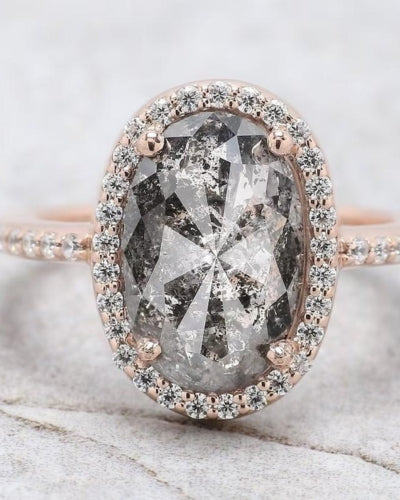
Visual Example: Antique Engagement Ring
Old Mine Cut round diamond engagement ring

3. Old European Cut: The Transitional Style
Emerging in the late 19th and early 20th centuries, the Old European Cut modernized antique cuts, introducing more symmetrical faceting while retaining a vintage aesthetic. These stones often exhibit a smaller table and a noticeable culet.
- Symmetry: Improved over Old Mine.
- Brilliance: More sparkle than earlier cuts but less than modern brilliants.
- Popularity: Peaked before the rise of the round brilliant.
Today, Old European Cuts are celebrated for their romantic, antique look and often appear in heirloom and estate jewelry. You can learn more about antique cuts and related ring styles in our vintage diamond guide.

4. Rise of the Round Brilliant
The development of the Round Brilliant Cut in the early 20th century marked a revolution in diamond cutting. With 58 precisely calculated facets, this cut maximized light return and sparkle.
- Facet Design: 33 top, 25 bottom facets.
- Symmetry: Strict geometric patterns.
- Brightness: Exceptional fire and scintillation.
The Round Brilliant quickly became the most desirable diamond style — sought after for solitaires and engagement rings alike.
Find exquisite round brilliant pieces in our Round Rose Cut & Round Diamond collection, where you can explore contemporary cuts that pay homage to this legacy.

5. Ideal Cut Revolution
With advancements in optics and precision engineering, the Ideal Cut emerged as the pinnacle of round diamond performance. Designers calculated exact angles and proportions to enhance brilliance, fire, and scintillation.
- Proportion Precision: Exact angles for light optimization.
- Symmetry Excellence: Near-perfect alignment of facets.
- Light Return: Exceptional brilliance even in low light.
Today, the Ideal Cut represents the science of diamond cutting, marrying beauty with technical mastery.

6. Cut Comparison — Old Mine vs Old European vs Ideal
| Feature | Old Mine Cut | Old European Cut | Ideal Cut |
|---|---|---|---|
| Facet Count | Large, fewer | More than Old Mine | 58 exact facets |
| Brilliance | Warm glow | Moderate sparkle | Maximum fire & brilliance |
| Symmetry | Variable | Improved | Strict precision |
| Modern Desirability | Vintage appeal | Classic antique | Contemporary favorite |
Pros & Cons Summary
- Old Mine Cut: + Antique charm; — lower brilliance.
- Old European Cut: + Historic elegance; — less sparkle than modern cuts.
- Ideal Cut: + Maximum brilliance; — less vintage character.
7. Buyer’s Guide: Choosing Your Round Diamond
Selecting a round diamond involves balancing cut, color, clarity, and carat — the famous 4Cs. But cut quality often has the greatest impact on visual performance.
Step-by-Step Diamond Evaluation
- Set your budget and focus on cut quality first.
- Decide between vintage charm (Old Mine/Old European) and modern brilliance (Ideal).
- Examine proportions and light performance reports.
- Compare side-by-side with similar stones.
- Consider jewelry setting style and lifestyle wear.
For a comprehensive diamond comparison across shapes (including rounds), check our diamond shapes guide.
8. Case Studies — Real Customer Experiences
Case Study: Choosing Between Old Style and Modern Cut
A buyer was drawn to the romance of an Old European cut but desired the brilliance of a modern ring. After consultation, they selected a modern Round Brilliant set in a halo setting, achieving both vintage flair and dazzling sparkle.
Case Study: Vintage Heirloom Ring Restoration
A client inherited an Old Mine cut diamond from a grandparent. We re-polished facets to preserve weight and enhance light performance, creating a custom engagement ring that honors heritage and shines beautifully.
9. Frequently Asked Questions
What makes an Ideal Cut diamond different?
An Ideal Cut diamond is engineered to exact proportions that maximize light return, resulting in unmatched brilliance and fire.
Are Old Mine Cut diamonds worth buying?
Yes — they offer historic appeal and unique character, especially for collectors or vintage jewelry lovers.
Can Old European cuts sparkle like modern cuts?
They offer moderate sparkle, with a softer look compared to very precise modern brilliants.
Is round always the best shape?
Round diamonds are most popular due to exceptional light performance, but personal preference matters most.
Do cut grades affect price?
Yes — superior cut grades typically command higher prices due to their visual impact.
How to compare vintage and modern cuts?
Compare light performance in various lighting and consider aesthetic goals: antique charm vs maximum brilliance.
Should I prioritize cut over carat?
Many experts recommend prioritizing cut, as it has the greatest influence on how beautiful the diamond actually looks.
What setting suits Ideal Cut diamonds?
Solitaire and halo settings enhance brilliance; six-prong settings provide security and symmetry.
Can old cuts be re-cut into modern cuts?
Yes, but recutting reduces weight and may change character; consider carefully.
Where can I view round diamond collections?
Explore our curated round diamond collection to view exquisite examples.:contentReference[oaicite:3]{index=3}


Laisser un commentaire
Ce site est protégé par hCaptcha, et la Politique de confidentialité et les Conditions de service de hCaptcha s’appliquent.