
Article: The World's Oldest Gold Jewelry: Discover the 6,500-Year-Old Varna Gold Treasure
The World's Oldest Gold Jewelry: Discover the 6,500-Year-Old Varna Gold Treasure
Imagine wearing a piece of gold jewelry that carries a story older than the pyramids of Egypt, older than Stonehenge, and older than many of the civilizations that shaped recorded history. Imagine discovering that people were already transforming gold into beautiful ornaments more than 6,500 years ago, using simple tools, remarkable patience, and an understanding of craftsmanship that continues to inspire jewelers today.
Gold has always represented something extraordinary in human culture. Its warm glow, natural beauty, resistance to corrosion, and rarity have made it one of the most treasured materials throughout history. But the story of gold jewelry began long before modern engagement rings, diamond necklaces, royal crowns, and luxury boutiques existed.
One of the most remarkable chapters in this story comes from Varna, a coastal city in present-day Bulgaria. Here, archaeologists uncovered an extraordinary prehistoric burial site containing thousands of gold objects. The discovery transformed our understanding of early metallurgy, ancient social organization, and the origins of luxury jewelry.
Known as the Varna Gold Treasure, this archaeological collection dates primarily to approximately 4600–4350 BC. That means many of its objects are roughly 6,500 years old.
These are not ordinary archaeological discoveries. They reveal a society capable of producing sophisticated gold ornaments, organizing skilled metalworking, creating elaborate burial traditions, and using precious materials to communicate identity and status.
In this comprehensive exploration, we will travel back to prehistoric Europe to discover how the Varna gold artifacts were created, why they were buried with the dead, what they reveal about ancient society, and how their artistic legacy connects with the modern world of fine jewelry.
- Location: Varna, Bulgaria.
- Discovery: October 1972.
- Historical period: Late Copper Age, also called the Chalcolithic or Eneolithic period.
- Approximate dating: 4600–4350 BC, depending on the dating model and archaeological context.
- Age: Approximately 6,500 years.
- Gold discoveries: More than 3,000 gold objects.
- Combined gold weight: More than six kilograms in commonly reported archaeological summaries.
- Famous burial: Grave 43.
- Historical importance: One of the earliest known large-scale collections of worked gold objects.

Table of Contents
- What Is the Varna Gold Treasure?
- How Was the Ancient Gold Treasure Discovered?
- How Old Is the Varna Gold Jewelry?
- The Varna Necropolis: An Extraordinary Archaeological Site
- The 3,000 Ancient Gold Artifacts
- The Mystery of Grave 43
- What Did Ancient Gold Jewelry Look Like?
- How Was Gold Jewelry Made 6,500 Years Ago?
- How Did Ancient Humans Discover Gold?
- Why Was Gold So Valuable in Ancient Times?
- Ancient Gold Trade and Early Economic Connections
- What Gold Reveals About Ancient Society
- Varna Gold Compared With Ancient Egyptian Gold
- Why the Copper Age Was Important
- The Evolution of Gold Jewelry Through History
- How Ancient Jewelry Inspires Modern Designs
- Ancient Gold Shapes and Modern Diamond Cuts
- Understanding Modern Gold Purity
- Ancient Craftsmanship and Modern Jewelry Making
- How to Choose Jewelry Inspired by Ancient History
- How to Care for Gold Jewelry
- Unanswered Mysteries of the Varna Treasure
- A Timeline of Gold Jewelry History
- Conclusion: 6,500 Years of Golden Beauty
- Frequently Asked Questions
1. What Is the Varna Gold Treasure?
The Varna Gold Treasure is an extraordinary collection of prehistoric gold artifacts discovered in the Varna Chalcolithic Necropolis in Bulgaria. It is internationally recognized for the remarkable quantity, variety, and craftsmanship of its gold objects.
The collection belongs to the Late Copper Age, a period when communities in southeastern Europe were developing increasingly sophisticated technologies, agricultural systems, trading networks, and social structures.
What makes Varna especially important is that its gold artifacts demonstrate a surprisingly advanced level of metalworking at a time when many familiar ancient civilizations had not yet emerged.
Why Is the Varna Treasure So Important?
The discovery is important for several reasons:
- It contains one of the world's earliest major archaeological collections of worked gold.
- It demonstrates that prehistoric communities possessed specialized metalworking knowledge.
- It provides evidence of social differences and the concentration of valuable objects among certain individuals.
- It reveals connections between metallurgy, trade, ritual, and community identity.
- It shows that gold jewelry was already an important expression of human culture thousands of years ago.
The Varna collection is particularly remarkable because the gold objects were not simply scattered across a settlement. Many were deliberately placed in graves, suggesting that they carried symbolic meanings beyond their material value.
For historians and jewelry enthusiasts, the collection provides an extraordinary opportunity to understand the earliest development of precious-metal adornment.
2. How Was the Ancient Gold Treasure Discovered?
One of the most fascinating parts of the Varna story is that the discovery happened accidentally rather than through a carefully planned archaeological expedition.
In October 1972, construction and excavation work was taking place in the western industrial area of Varna, Bulgaria. During this activity, an excavator operator named Raycho Marinov encountered archaeological material that attracted attention.
The discovery was eventually recognized as a major prehistoric burial site. Archaeologists began investigating the area, uncovering graves containing pottery, tools, ornaments, copper objects, and extraordinary quantities of gold.
From an Accidental Discovery to a Historic Excavation
The archaeological work continued over numerous excavation seasons. Researchers gradually uncovered hundreds of graves and thousands of objects.
The scale of the discovery was astonishing. The artifacts included gold ornaments, copper tools, flint objects, stone implements, shell decorations, and other materials that provided valuable information about prehistoric life.
The excavation helped establish Varna as one of the most significant archaeological discoveries in the study of early European metallurgy.
Why Was the Discovery Unexpected?
Before the Varna discoveries, popular historical narratives often emphasized the development of complex metalworking in later civilizations.
Varna demonstrated that communities in southeastern Europe had already developed sophisticated goldworking traditions during the fifth millennium BC.
The discovery challenged assumptions about how early precious-metal craftsmanship developed and highlighted the importance of prehistoric Balkan societies.
3. How Old Is the Varna Gold Jewelry?
The phrase "6,500-year-old gold jewelry" is frequently used when describing the Varna treasure because the archaeological material dates to approximately 4600–4350 BC.
Depending on the exact dating range used, individual objects and burials can be described as approximately 6,400 to 6,600 years old.
The important point is that the Varna gold artifacts belong to a prehistoric period long before the development of writing systems in many parts of the ancient world.
Understanding the Historical Dating
Archaeologists use several methods to establish the age of prehistoric discoveries. These include radiocarbon dating of suitable organic materials, analysis of archaeological layers, comparisons of pottery and tools, and the study of burial contexts.
Radiocarbon dating is particularly useful when organic material associated with an archaeological site can be tested. Researchers then calibrate the measurements to account for variations in atmospheric carbon over time.
For the Varna cemetery, scientific dating studies have helped refine its chronology and provide a clearer understanding of when the burial ground was used.
Why Is It Better to Say Approximately 6,500 Years Old?
Archaeological discoveries rarely represent a single moment in history. A cemetery can be used over several generations, meaning that different graves may belong to different dates.
Therefore, describing the entire Varna collection as exactly 6,500 years old would be misleading.
The more accurate description is that the Varna gold treasure comes from a period approximately 6,500 years ago, with the cemetery generally dated to the middle of the fifth millennium BC.
4. The Varna Necropolis: An Extraordinary Archaeological Site
The Varna Necropolis is the archaeological burial ground where the extraordinary gold discoveries were made.
The site is located near the Black Sea coast in northeastern Bulgaria. Its position places it within a region that was important for prehistoric communities, agricultural activity, resource exchange, and connections between different cultural groups.
The cemetery provides a rare opportunity to study how people lived, organized their communities, expressed status, and treated the dead during the Late Copper Age.
What Did Archaeologists Discover?
Excavations revealed hundreds of graves, including burials containing human remains and symbolic graves without human skeletons.
These symbolic graves are generally known as cenotaphs. They are especially interesting because some contained elaborate grave offerings despite the absence of a buried body.
The objects placed in these graves included gold ornaments, copper objects, pottery, shell decorations, and other valuable materials.
Why Is the Necropolis Historically Significant?
The Varna Necropolis provides evidence of a society with considerable social and economic complexity.
The distribution of gold was highly unequal. Certain graves contained enormous quantities of precious objects, while others contained little or no gold.
This difference suggests that gold was connected to social identity, authority, ritual practices, and the position of individuals within their communities.
The cemetery therefore reveals much more than the history of jewelry. It provides insight into the development of social hierarchy and specialized craftsmanship in prehistoric Europe.
Infographic explaining the Varna Necropolis archaeological site and its 6500-year-old gold discoveries

5. The 3,000 Ancient Gold Artifacts
One of the most extraordinary features of the Varna discovery is the sheer quantity of gold objects recovered from the cemetery.
Archaeological summaries commonly report more than 3,000 gold artifacts with a combined weight exceeding six kilograms.
Although this quantity may seem modest by the standards of modern jewelry production, it was remarkable for a prehistoric society.
Types of Gold Objects Found at Varna
The collection includes a diverse range of objects that demonstrate the creativity and technical knowledge of ancient craftspeople.
- Gold beads: Small decorative elements that could be used in necklaces or other ornaments.
- Gold pendants: Decorative pieces that may have been attached to cords, garments, or personal accessories.
- Gold bracelets: Wrist ornaments demonstrating the importance of personal adornment.
- Gold rings and ring-like ornaments: Small forms of precious-metal decoration.
- Gold appliques: Thin decorative pieces that could be attached to clothing or other objects.
- Gold clothing ornaments: Decorative elements that may have enhanced ceremonial or everyday garments.
- Gold-covered objects: Items in which gold was combined with other materials.
Why Are These Objects So Remarkable?
The artifacts demonstrate that ancient people understood how to manipulate gold into different forms.
They were able to create small decorative objects, produce repeated shapes, and combine gold with other materials.
Such work required more than simply finding gold. It required knowledge of the material, suitable tools, practical skills, and considerable attention to detail.
The variety of objects also demonstrates that prehistoric jewelry was not limited to a single decorative style.
6. The Mystery of Grave 43
Among the many discoveries at Varna, Grave 43 is one of the most famous and historically significant.
This burial contained the remains of an adult man accompanied by an extraordinary collection of gold objects and other valuable grave offerings.
The quantity of gold associated with Grave 43 was exceptional. Archaeological accounts commonly report approximately 990 gold objects weighing around 1.5 kilograms.
What Made Grave 43 Special?
The burial contained numerous objects that demonstrated the high position of the individual within the community.
Among the associated discoveries were gold ornaments, decorative pieces, and objects connected with authority or ceremonial importance.
The burial is frequently interpreted as evidence that some individuals held exceptional social status during the Varna period.
Was the Man a Leader or a Metalworker?
One interesting question concerns the identity of the person buried in Grave 43.
Some interpretations suggest that he may have been a community leader, an influential individual, or someone associated with specialized metalworking.
However, his exact occupation and political position cannot be established with certainty from the grave goods alone.
What can be said confidently is that the burial demonstrates a remarkable concentration of valuable objects around one individual.
What Does Grave 43 Tell Us About Ancient Jewelry?
The burial demonstrates that gold ornaments could communicate identity and status.
Gold was not merely a material chosen because it was attractive. Its presence in an important burial may have expressed authority, prestige, spiritual beliefs, or connections with particular traditions.
For modern jewelry enthusiasts, Grave 43 is a powerful reminder that jewelry has always been closely connected with personal meaning and social identity.
Gold artifacts associated with Grave 43 in the ancient Varna Necropolis

7. What Did Ancient Gold Jewelry Look Like?
Ancient gold jewelry was different from the sophisticated diamond jewelry available today, but the fundamental creative principles were surprisingly familiar.
People wanted attractive ornaments that could be worn, displayed, exchanged, or preserved as meaningful possessions.
The Varna collection demonstrates that prehistoric jewelry designers understood the visual appeal of repetition, proportion, surface decoration, and carefully formed shapes.
Simple Forms With Lasting Beauty
Many ancient ornaments were created using relatively simple geometric forms.
Small beads, curved elements, flat decorative pieces, and repeated shapes could be combined to create visually interesting accessories.
These objects show that beauty does not always require complicated decoration. Even a simple gold ornament can have an extraordinary visual presence when its proportions and finish are carefully considered.
Ancient Jewelry and Personal Expression
Jewelry allowed people to express aspects of their identity.
Different ornaments may have communicated age, social position, cultural affiliation, ceremonial roles, or personal significance.
Although the precise meaning of every object is unknown, the variety of designs suggests that adornment was an important part of prehistoric life.
8. How Was Gold Jewelry Made 6,500 Years Ago?
Creating gold jewelry during the Copper Age required patience, experimentation, and an understanding of the physical properties of metals.
Ancient craftspeople did not have modern casting machines, computer-aided design software, laser welders, or precision polishing equipment.
Instead, they depended on practical knowledge, hand tools, and techniques developed through repeated experience.
Step 1: Finding and Collecting Gold
Natural gold can occur in river sediments, gravel deposits, and mineral-bearing geological formations.
Ancient communities could potentially obtain gold from naturally exposed deposits or alluvial sources.
Its distinctive yellow appearance and resistance to corrosion made it visually attractive and relatively easy to recognize.
Step 2: Preparing the Material
Once collected, gold had to be separated from unwanted materials.
Depending on its natural form, this could involve washing, sorting, and selecting suitable pieces for further working.
Step 3: Shaping the Gold
Gold is a highly malleable metal. It can be hammered into thin sheets and shaped without immediately breaking when handled correctly.
Ancient artisans could exploit this property to create decorative forms and small ornaments.
Step 4: Forming Decorative Details
Small pieces could be shaped, curved, flattened, or formed into repeated decorative patterns.
Different techniques allowed artisans to create a variety of ornaments from the same basic material.
Step 5: Finishing the Jewelry
The final stage involved improving the object's shape and appearance.
Careful finishing could make the surface more visually attractive and ensure that the object was suitable for its intended use.
Ancient Goldsmithing Compared With Modern Manufacturing
| Feature | Ancient Goldsmithing | Modern Jewelry Making |
|---|---|---|
| Design | Hand-planned shapes | Hand sketches and CAD design |
| Tools | Simple hand tools | Precision machines and hand tools |
| Shaping | Manual hammering and forming | Rolling, casting, forming and machining |
| Finishing | Manual surface preparation | Mechanical and hand polishing |
| Production | Small-scale specialist craftsmanship | Custom and larger-scale production |
| Quality control | Visual and practical inspection | Measurements and specialist testing |
Although the technology has changed dramatically, the central idea remains the same: transforming a precious material into an object that people can wear, treasure, and pass down.
9. How Did Ancient Humans Discover Gold?
Gold is a naturally occurring chemical element that can sometimes be found in its metallic form in nature.
Unlike many metals, it does not always need complex chemical processing before it can be recognized as a material worth collecting.
Natural Gold in Rivers and Streams
One possible source of early gold was alluvial deposits, where small gold particles accumulated in river sediments.
Gold is dense, so it can become concentrated in particular locations as moving water transports lighter materials away.
Ancient people may have recognized these naturally occurring golden particles through observation and experimentation.
Why Gold Was Easier to Recognize
Gold has several unusual properties:
- It has a distinctive yellow metallic color.
- It does not readily tarnish under ordinary environmental conditions.
- It is relatively soft and highly malleable.
- It can be shaped into thin sheets.
- It is rare compared with many common natural materials.
These characteristics helped make gold an attractive material for early ornament production.
10. Why Was Gold So Valuable in Ancient Times?
Gold was valuable because of a combination of natural scarcity, visual beauty, durability, and cultural meaning.
Unlike food or many other necessities, gold does not decay quickly. A gold ornament could survive for generations if it was protected from physical damage.
Gold as a Symbol of Status
The unequal distribution of gold at Varna suggests that precious-metal objects were associated with differences in social position.
People who possessed large quantities of gold may have occupied influential positions in their communities.
Gold therefore became more than a decorative material. It could communicate prestige, authority, and belonging.
Gold as a Symbol of Permanence
Gold's resistance to corrosion gives it a special relationship with time.
Many materials deteriorate, but gold can retain its distinctive appearance for thousands of years under suitable conditions.
This characteristic may help explain why gold became associated with permanence, continuity, and remembrance in numerous historical cultures.
Gold and Spiritual Meaning
Ancient communities often placed meaningful objects in burials.
At Varna, gold ornaments were among the offerings placed with the dead, including in symbolic burials.
These practices suggest that gold could carry ritual or symbolic importance, although the exact beliefs of the people who created the objects remain uncertain.
11. Ancient Gold Trade and Early Economic Connections
The Varna discoveries also reveal the importance of exchange and resource networks during the prehistoric period.
Communities in the region had access to different materials, including copper, gold, stone, shells, and other resources.
The presence of objects made from materials originating in different areas suggests that people were connected through exchange networks.
Why Trade Was Important
Trade allowed communities to obtain resources that were not easily available in their immediate surroundings.
It also helped spread technical knowledge, decorative ideas, and cultural practices.
The movement of materials could create relationships between communities separated by considerable distances.
Gold and Other Valuable Materials
The Varna cemetery contained not only gold but also numerous shell ornaments, including Mediterranean Spondylus shells, and other decorative materials.
Such discoveries demonstrate that prehistoric communities valued a range of materials for their appearance and possible symbolic significance.
Gold was part of a larger system of material culture rather than an isolated invention.
12. What Gold Reveals About Ancient Society
The Varna treasure offers a fascinating window into prehistoric social organization.
One of the most important observations is that the distribution of gold among graves was highly unequal.
Some graves contained numerous valuable objects, while others had very few.
Evidence of Social Hierarchy
Such differences suggest that individuals did not all occupy identical positions within their society.
Some people may have held authority, controlled important resources, or possessed special ceremonial roles.
The concentration of gold in a small number of burials is particularly significant because it indicates that precious objects were distributed according to social distinctions.
Specialized Artisans
Producing thousands of carefully formed gold objects required technical knowledge.
It is reasonable to infer that some members of the community developed specialist skills in working metals and other decorative materials.
Specialized craftspeople may have produced objects for individuals who held influential positions or for particular ceremonial occasions.
What We Still Cannot Know
Archaeological evidence does not provide a complete picture of the Varna community.
Researchers continue to investigate its social organization, religious traditions, political structures, and economic relationships.
The gold objects provide valuable clues, but their exact meanings cannot always be reconstructed.
13. Varna Gold Compared With Ancient Egyptian Gold
Ancient Egypt is famous for its spectacular gold jewelry, elaborate burial treasures, royal ornaments, and decorative craftsmanship.
However, the Varna gold collection is significantly older than the most famous gold treasures associated with ancient Egyptian royal history.
This comparison helps demonstrate how early goldworking traditions developed in different parts of the world.
| Feature | Varna Gold | Ancient Egyptian Gold |
|---|---|---|
| Historical period | Fifth millennium BC | Developed across several later millennia |
| Geographical region | Southeastern Europe | Northeastern Africa |
| Major materials | Gold, copper, shells and stone | Gold, gemstones, faience and other materials |
| Important context | Prehistoric burial traditions | Royal, religious and funerary traditions |
| Design characteristics | Early geometric ornaments and decorative objects | Elaborate motifs, symbolic figures and detailed ornaments |
Different Cultures, Similar Fascination With Gold
Despite their geographical and historical differences, both traditions demonstrate the importance of gold as a material associated with prestige and symbolism.
Gold became an important part of human cultural expression in many societies because it combined beauty with exceptional durability.
14. Why the Copper Age Was Important
The Varna gold treasure belongs to the Chalcolithic period, often called the Copper Age.
This period represents an important stage in technological development when communities began using copper alongside traditional stone tools.
What Was the Chalcolithic Period?
The term Chalcolithic combines words associated with copper and stone.
It describes societies in which copper technology became increasingly important while stone tools remained widely used.
In southeastern Europe, this period witnessed important developments in metalworking, settlement organization, trade, and social complexity.
Why Gold and Copper Appeared Together
Gold and copper have different physical properties, but both can be worked into useful and decorative objects.
The appearance of gold ornaments alongside copper objects at Varna demonstrates that prehistoric metalworking traditions were developing in a technologically interesting environment.
Gold was especially suitable for decorative work because of its malleability and distinctive appearance.
15. The Evolution of Gold Jewelry Through History
The Varna collection represents an early and extraordinary chapter in the history of gold jewelry.
Over thousands of years, jewelry design continued to evolve as civilizations developed new materials, tools, decorative traditions, and artistic styles.

Prehistoric Gold Jewelry
Early gold ornaments were often relatively simple in form, with an emphasis on material, shape, and symbolic use.
The Varna collection demonstrates that even prehistoric craftspeople could produce an impressive variety of decorative objects.
Ancient Civilizations and Elaborate Goldwork
Later societies developed more elaborate jewelry traditions.
Gold became an important material in royal ornaments, religious objects, ceremonial accessories, and personal adornment.
Craftspeople increasingly combined gold with colored stones, glass, enamel, and other decorative materials.
Medieval Gold Jewelry
During the medieval period, gold jewelry was strongly connected with religious institutions, royal authority, and elite fashion.
Intricate metalwork, gemstones, decorative settings, and symbolic motifs became important elements of jewelry design.
Renaissance Jewelry
The Renaissance brought renewed interest in classical art, proportion, craftsmanship, and elaborate decorative expression.
Jewelry designs became increasingly sophisticated, with precious stones and detailed gold settings playing important roles.
Modern Fine Jewelry
Today, gold jewelry is available in countless styles, from minimalist everyday pieces to elaborate diamond engagement rings.
Computer-aided design, precision casting, advanced stone-setting methods, and contemporary finishing techniques have expanded what jewelers can create.
Yet the fundamental attraction of gold remains remarkably similar to that experienced by people thousands of years ago.
16. How Ancient Jewelry Inspires Modern Designs
Ancient jewelry continues to inspire contemporary designers because it demonstrates the lasting appeal of simple shapes, meaningful materials, and carefully balanced proportions.
The Varna collection reminds us that jewelry does not need to follow short-lived fashion trends to remain beautiful.

Minimalist Gold Jewelry
Minimalist jewelry often uses clean shapes, subtle curves, and uncomplicated designs.
These principles have a connection with the visual simplicity found in many ancient ornaments.
A carefully proportioned gold band or small pendant can create an elegant appearance without unnecessary decoration.
Geometric Jewelry Designs
Geometric shapes are widely used in modern fine jewelry.
Circles, triangles, ovals, squares, and irregular forms can create distinctive pieces that feel both contemporary and timeless.
Vintage-Inspired Engagement Rings
Vintage-inspired rings often combine intricate settings, decorative metalwork, and distinctive diamond arrangements.
Although these designs may draw inspiration from much later historical periods, their underlying philosophy shares something with ancient jewelry: the desire to create meaningful objects that can be treasured over time.
Modern Handmade Jewelry
Handcrafted jewelry maintains an important connection with traditional metalworking.
Each piece requires attention to material selection, proportions, finishing, and practical wearability.
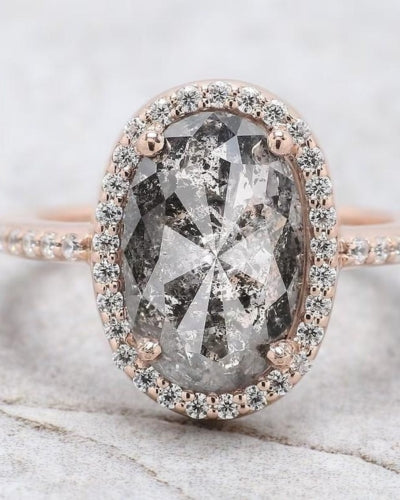
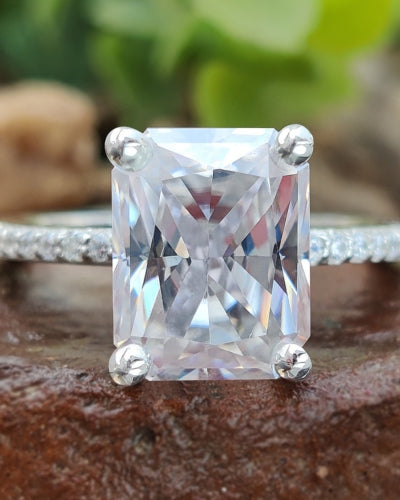
At Fancy Diamond Jewels, handcrafted jewelry and custom design possibilities allow customers to explore distinctive combinations of metal, stone shape, and personal style.
Explore the half-moon diamond engagement ring collection for an example of how distinctive geometric forms can become contemporary jewelry designs.
17. Ancient Gold Shapes and Modern Diamond Cuts
One of the most interesting connections between ancient ornaments and modern jewelry is the importance of shape.
Although prehistoric goldsmiths did not have today's diamond-cutting technology, the visual appeal of carefully formed shapes remains an important part of jewelry design.
Round Shapes
Round shapes are among the most recognizable forms in jewelry.
Modern round brilliant diamonds are specifically cut to optimize light performance, while ancient round ornaments were appreciated for their balanced appearance and decorative possibilities.
Oval Shapes
Oval jewelry designs create an elongated and elegant appearance.
Oval gemstones are popular in contemporary rings because their proportions can create a graceful visual effect.
Pear Shapes
Pear-shaped gemstones combine a rounded end with a pointed tip.
The shape offers an expressive appearance and works particularly well in pendants and engagement rings.
Hexagon and Shield Shapes
Modern fancy diamond shapes offer distinctive alternatives to traditional round stones.
Hexagonal and shield-shaped diamonds are especially attractive to people who prefer unusual geometry and individual design character.
Why Shape Matters
The outline of a gemstone influences the overall personality of a piece of jewelry.
A round diamond may appear classic, while a pear or shield shape can feel more distinctive.
When choosing modern jewelry, the shape should complement the setting, band proportions, and personal preference.
Explore the jewelry collections to discover different contemporary approaches to shape and design.
18. Understanding Modern Gold Purity
One important difference between ancient gold objects and modern fine jewelry is the way metal purity is measured and specified.
Modern gold jewelry is commonly described using karats, which indicate the proportion of pure gold in an alloy.
What Is 24K Gold?
24K gold is considered pure gold for ordinary jewelry-marking purposes, although commercial purity can vary according to the applicable standard.
It has a rich yellow appearance but is relatively soft compared with lower-karat gold alloys.
What Is 18K Gold?
18K gold contains 75% gold and 25% other metals.
It offers a balance between high gold content, appearance, and practical durability.
What Is 14K Gold?
14K gold contains approximately 58.5% gold.
It is widely used in contemporary jewelry because its alloy composition can provide good durability for everyday designs.
What Is 10K Gold?
10K gold contains approximately 41.7% gold.
It offers a lower gold content than 14K and 18K, and its suitability depends on the design, local standards, and wearer's preferences.
| Gold Purity | Gold Percentage | General Characteristics |
|---|---|---|
| 24K | 99.9% approximately | Very high purity, relatively soft |
| 18K | 75% | High gold content and luxurious appearance |
| 14K | 58.5% | Popular balance of gold content and durability |
| 10K | 41.7% | Lower gold content and generally greater hardness than higher-karat alloys |
Yellow, White, and Rose Gold
Gold alloys can produce different colors depending on the metals used in their composition.
- Yellow gold: Maintains a traditional warm gold appearance.
- White gold: Uses white-colored alloying metals and may receive a rhodium finish.
- Rose gold: Uses copper to create its distinctive warm pink tone.
These choices allow modern jewelry designers to create pieces that reflect different personalities and preferences.
19. Ancient Craftsmanship and Modern Jewelry Making
Although modern technology has transformed jewelry production, craftsmanship remains at the center of fine jewelry.
The Varna treasure reminds us that beautiful objects require more than valuable materials. Their quality also depends on the knowledge, skill, and judgment of the person creating them.
Why Craftsmanship Still Matters
A beautiful diamond ring requires careful consideration of several elements.
- The quality and suitability of the precious metal.
- The proportions of the ring and its setting.
- The security of the gemstone.
- The finishing of the band.
- The comfort of the design.
- The overall balance and visual appearance.
The Importance of Custom Jewelry
Custom jewelry allows customers to create pieces that reflect their personal stories.
Rather than choosing a completely standardized design, customers can consider gemstone shapes, metal colors, band styles, and decorative details.
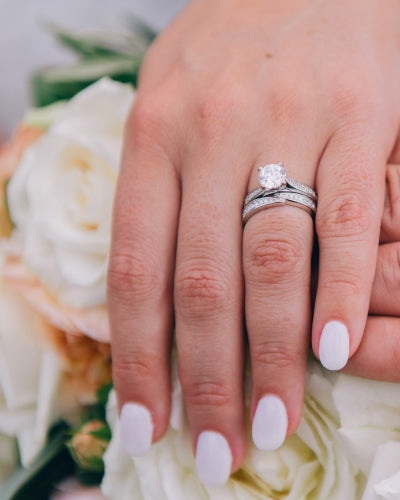
A custom engagement ring can therefore become more than a decorative accessory. It can represent an important relationship, personal milestone, or family tradition.
For design inspiration, visit the guide to designing custom natural diamond jewelry.
20. How to Choose Jewelry Inspired by Ancient History
Historical inspiration can be a wonderful starting point for selecting meaningful jewelry.
Whether you prefer minimalist gold ornaments, vintage-inspired engagement rings, or distinctive fancy-shaped diamonds, a few practical considerations can help you make the right choice.
Step 1: Choose Your Design Inspiration
Think about the historical qualities you admire.
Do you prefer geometric shapes, simple gold forms, intricate details, or bold statement jewelry?
Step 2: Select the Precious Metal
Choose between yellow, white, and rose gold based on your preferred appearance.
Consider the metal purity and how frequently you intend to wear the piece.
Step 3: Select a Gemstone
If your design includes a diamond, explore different shapes and appearances.
Natural diamonds, lab-grown diamonds, and moissanite offer different characteristics and purchasing considerations.
Step 4: Consider the Setting
The setting affects the appearance, comfort, and protection of a gemstone.
Prong, bezel, halo, and other settings offer different visual effects and practical characteristics.
Step 5: Check the Specifications
Before purchasing, carefully review the following:
- Metal purity and hallmarking information.
- Diamond type and treatment disclosure.
- Gemstone measurements and carat weight.
- Ring size and band dimensions.
- Setting quality and finishing.
- Available documentation and return conditions.
Step 6: Consider Long-Term Wearability
A beautiful ring should also be comfortable and practical.
Consider your daily activities, preferred band width, gemstone height, and maintenance requirements before making a final decision.
Use the ring sizing and jewelry size guide to understand the measurements involved in selecting a suitable design.
21. How to Care for Gold Jewelry
Gold jewelry can remain beautiful for many years when handled and maintained correctly.
Although gold is resistant to corrosion, jewelry can still accumulate dirt, develop scratches, or experience damage to its settings.
Everyday Gold Jewelry Care
- Remove jewelry before activities that may cause impact or abrasion.
- Avoid exposing delicate jewelry to harsh cleaning chemicals.
- Store individual pieces separately to reduce scratching.
- Clean suitable jewelry gently with mild soap and lukewarm water.
- Use a soft cloth for drying.
- Have gemstone settings inspected periodically.
How to Store Diamond Rings
Diamond jewelry should be stored separately from softer gemstones and other jewelry to prevent scratching.
Individual pouches or lined compartments can help protect the surfaces of precious-metal settings.
When Should Jewelry Be Professionally Inspected?
Consider professional inspection when a gemstone appears loose, a setting becomes damaged, or a ring experiences an impact.
Early attention can help prevent a small issue from becoming a more expensive repair.
22. Unanswered Mysteries of the Varna Gold Treasure
Despite decades of archaeological research, the Varna collection continues to raise fascinating questions.
The objects are physically present, but understanding the complete world of the people who created them is much more difficult.
Who Controlled the Gold?
The uneven distribution of gold among graves suggests that access to valuable materials was not equal.
Researchers continue to investigate the social systems that allowed certain individuals to possess exceptional quantities of gold.
Why Were Some Graves Symbolic?
Some Varna graves contained elaborate offerings but no human remains.
These cenotaphs suggest that burial practices could involve symbolic representations of individuals or ritual traditions that are not fully understood today.
What Did the Gold Objects Represent?
Gold may have communicated social position, spiritual meaning, identity, authority, or a combination of these ideas.
Without written records from the people who created the objects, researchers must rely on archaeological context and careful interpretation.
How Much of the Cemetery Remains Undiscovered?
Estimates have suggested that a portion of the original necropolis remains unexcavated.
This means that future archaeological work may provide additional information about the community and its goldworking traditions.
23. A Timeline of Gold Jewelry History
The following timeline highlights important developments in the wider history of gold adornment.
| Period | Historical Development |
|---|---|
| Fifth millennium BC | Varna gold artifacts demonstrate advanced prehistoric goldworking in southeastern Europe. |
| Fourth millennium BC | Goldworking and other metalworking traditions continue developing across different regions. |
| Third millennium BC | Gold becomes increasingly important in several ancient civilizations and elite burial traditions. |
| Second millennium BC | Gold jewelry traditions become increasingly elaborate in several Mediterranean and Near Eastern cultures. |
| First millennium BC | Distinctive regional jewelry styles develop throughout the ancient Mediterranean and beyond. |
| Medieval period | Gold jewelry becomes closely associated with religious, royal, and aristocratic traditions. |
| Renaissance | Detailed decorative metalwork and gemstone settings develop further. |
| Modern period | Industrial technologies expand jewelry design, manufacturing, and gemstone-setting possibilities. |
| Twenty-first century | Custom jewelry, advanced CAD design, lab-grown diamonds, and new creative techniques expand consumer choice. |
24. Pros and Cons of Ancient-Inspired Jewelry
Ancient-inspired jewelry can be an excellent choice for people who appreciate historical design, meaningful symbolism, and timeless aesthetics.
However, it is important to distinguish between a contemporary piece inspired by history and an authentic archaeological artifact.
Advantages
- Distinctive appearance: Historical motifs can make modern jewelry look individual and expressive.
- Meaningful symbolism: Designs can represent continuity, heritage, permanence, and personal identity.
- Timeless inspiration: Simple geometric forms often remain visually appealing across generations.
- Customization: Ancient-inspired concepts can be adapted to modern metal and gemstone preferences.
- Versatility: Historical influences can work in both understated and elaborate jewelry.
Possible Disadvantages
- Design limitations: Some historical forms may not suit every person's everyday style.
- Comfort considerations: Highly decorative designs may require careful attention to wearability.
- Maintenance: Intricate settings may require more frequent cleaning.
- Historical confusion: A modern reproduction should never be mistaken for an authentic ancient artifact.
The best approach is to appreciate historical inspiration while selecting jewelry that meets modern expectations for comfort, durability, and quality.
25. Case Studies: What the Varna Discoveries Teach Modern Jewelry Designers
The Varna collection provides several useful design lessons that can be considered from a contemporary jewelry perspective.
Case Study One: The Importance of Proportion
Ancient ornaments demonstrate that decorative objects can create visual interest through carefully balanced shapes.
Modern designers can apply this principle when selecting the width of a ring band, the size of a gemstone, or the proportions of a pendant.
A well-proportioned piece often appears more elegant than a design containing too many competing decorative elements.
Case Study Two: The Beauty of Repetition
Repeated decorative elements are a familiar feature of many historical jewelry traditions.
Modern designers use similar visual principles in eternity bands, halo settings, cluster rings, and necklaces containing repeated gemstones.
Repetition creates rhythm and visual continuity, making it a useful design technique across different jewelry styles.
Case Study Three: The Importance of Personal Meaning
The placement of gold ornaments in ancient burials demonstrates that jewelry could carry significance beyond appearance.
Modern engagement rings and anniversary jewelry often perform a similar emotional role.
A ring can represent a relationship, a promise, a family milestone, or a personal achievement.
Case Study Four: Material Selection
Gold was an exceptional choice for ancient ornaments because it combined visual appeal with durability and malleability.
Modern jewelers continue to consider the relationship between materials, design, and intended use.
Gold alloys, natural diamonds, lab-grown diamonds, and moissanite offer different creative possibilities.
Case Study Five: The Value of Skilled Craftsmanship
The Varna artifacts demonstrate the importance of specialized metalworking knowledge.
Modern jewelry production may use advanced machines, but careful finishing, stone setting, and design judgment remain essential.
26. Why Gold Jewelry Remains Popular After Thousands of Years
Gold jewelry has survived enormous changes in human society.
People have experienced different political systems, economic conditions, artistic movements, and technologies, yet gold remains a popular choice for personal adornment.
Its Natural Beauty
Gold has a distinctive appearance that is difficult to confuse with other materials.
Its warm color makes it suitable for both traditional and contemporary jewelry designs.
Its Historical Associations
Gold has been connected with power, prestige, celebration, family traditions, and important life events for thousands of years.
These associations continue to influence how people choose and wear gold jewelry.
Its Design Flexibility
Gold can be used in rings, earrings, bracelets, necklaces, pendants, and many other forms of jewelry.
It can also be combined with diamonds and colored gemstones to create distinctive designs.
Its Emotional Significance
Many people purchase gold jewelry to celebrate engagements, weddings, anniversaries, birthdays, and other meaningful occasions.
Jewelry can become part of a family's history, carrying memories from one generation to another.
27. How Fancy Diamond Jewels Connect Ancient Inspiration With Modern Jewelry
The story of the Varna gold treasure demonstrates that jewelry has always been about more than the material from which it is made.
It is also about design, creativity, craftsmanship, personal expression, and the emotions associated with precious objects.
At Fancy Diamond Jewels, the appreciation of distinctive jewelry design is reflected in handcrafted and customizable pieces featuring natural diamonds, lab-grown diamonds, and moissanite.
Modern jewelry offers many possibilities for people who appreciate unusual shapes, individual details, and meaningful designs.
Discover Distinctive Diamond Shapes
From traditional round brilliant diamonds to pear, oval, hexagon, shield, and half-moon shapes, different gemstones can create entirely different visual personalities.
Fancy Diamond Jewels offers a range of designs for customers who prefer distinctive diamond shapes and contemporary settings.
Explore Custom Jewelry Possibilities
Custom jewelry allows you to select the elements that matter most to you.
You can consider your preferred gemstone, metal color, ring proportions, setting style, and other design details when planning a personalized piece.
Choose a Meaningful Piece
Whether you are selecting an engagement ring, wedding band, anniversary gift, or personal keepsake, think about the story you want the jewelry to represent.
That emotional connection is one of the most enduring qualities of jewelry, from prehistoric gold ornaments to modern diamond rings.
Explore the collections at Fancy Diamond Jewels:
- Discover half-moon diamond engagement rings.
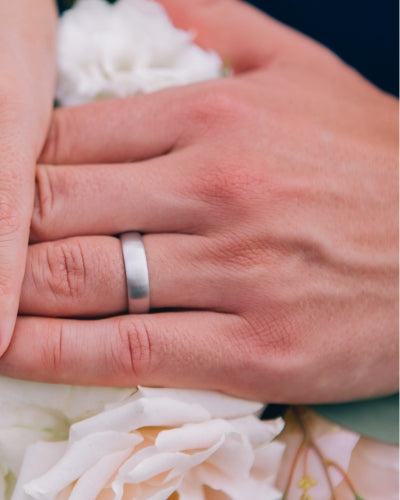
- Explore men's wedding bands.
- Learn about Fancy Diamond Jewels and its craftsmanship.
- Find your suitable jewelry size.
28. Conclusion: 6,500 Years of Golden Beauty
The Varna Gold Treasure is much more than an extraordinary collection of prehistoric ornaments. It is a remarkable record of human creativity, technical knowledge, social organization, and the desire to create beautiful objects.
Dating to approximately 4600–4350 BC, the Varna Necropolis preserves one of the most important early collections of worked gold artifacts ever discovered.
Its more than 3,000 gold objects demonstrate that prehistoric communities in southeastern Europe possessed impressive metalworking abilities and developed complex traditions surrounding personal adornment and burial practices.
The discovery of Grave 43, the symbolic burials, and the unequal distribution of gold provide fascinating insights into the social structure of the people who created these objects. Custom Ring Builder
Perhaps the most extraordinary lesson is that the human attraction to jewelry has remained remarkably consistent over thousands of years.
Ancient people valued gold for its beauty, rarity, durability, and meaning. Modern jewelry lovers continue to appreciate these same qualities.
Today, the technology used to create jewelry is vastly different, but the central idea remains unchanged: a carefully crafted piece of jewelry can represent identity, love, celebration, and memories that last a lifetime.
From the ancient gold ornaments of Varna to contemporary handcrafted gold and diamond rings, the history of jewelry is ultimately a story about human creativity and the desire to preserve beauty through time.
More than 6,500 years later, gold continues to shine. And the story of jewelry is still being written.
Frequently Asked Questions About the World's Oldest Gold Jewelry
Here are answers to some of the most common questions about the Varna Gold Treasure, prehistoric gold jewelry, ancient goldsmithing, and the history of gold ornaments.
1. What is the world's oldest gold jewelry?
The Varna Gold Treasure in Bulgaria is widely recognized as one of the earliest known large-scale collections of worked gold artifacts. It dates to approximately 4600–4350 BC and contains more than 3,000 gold objects.
2. How old is the Varna Gold Treasure?
The Varna Gold Treasure is approximately 6,500 years old. The cemetery is generally dated to the middle of the fifth millennium BC, with archaeological dating studies refining the chronology of individual graves and the overall site.
3. Where was the Varna Gold Treasure discovered?
The treasure was discovered in the Varna Chalcolithic Necropolis in Varna, Bulgaria, near the Black Sea coast. It was accidentally discovered during excavation work in October 1972.
4. Who discovered the Varna Gold Treasure?
The archaeological site was accidentally encountered by excavator operator Raycho Marinov in 1972. Archaeologists subsequently investigated the discovery and conducted extensive excavations over several seasons.
5. How many gold artifacts were found at Varna?
More than 3,000 gold artifacts have been reported from the Varna Necropolis. Their combined weight exceeds six kilograms according to commonly cited archaeological summaries.
6. What types of jewelry were found in the Varna Necropolis?
The discoveries include gold beads, pendants, bracelets, decorative ornaments, clothing appliques, and other gold objects. The collection also includes copper objects, pottery, shells, and stone artifacts.
7. What is special about Grave 43 at Varna?
Grave 43 is famous for its exceptionally large quantity of gold objects. It contained the remains of an adult man accompanied by approximately 990 gold objects weighing around 1.5 kilograms, making it one of the most remarkable burials at the site.
8. How did people make gold jewelry 6,500 years ago?
Prehistoric goldsmiths used hand tools and knowledge of gold's physical properties to shape ornaments. Techniques included hammering, flattening, forming, and manually finishing gold into decorative objects.
9. Why was gold valuable in prehistoric times?
Gold was valued for its distinctive appearance, rarity, durability, and malleability. It could also communicate social position, prestige, identity, and possibly spiritual or ceremonial meaning.
10. Was gold used before the Varna civilization?
There are earlier gold finds and ornaments from different prehistoric contexts, although their dating and archaeological significance vary. Varna is particularly important because it contains one of the earliest securely dated large-scale collections of worked gold artifacts.
11. Was the Varna civilization older than ancient Egypt?
The Varna cemetery dates to the fifth millennium BC, making it much older than the Egyptian dynastic civilization. However, it is important to distinguish the prehistoric Varna culture from later civilizations and political states.
12. What is the Copper Age?
The Copper Age, also called the Chalcolithic or Eneolithic period, was a prehistoric period when communities increasingly used copper while continuing to use stone tools. The Varna Necropolis belongs to the Late Copper Age.
13. Did ancient people wear gold rings?
Gold ring-like ornaments and other personal decorations were part of prehistoric adornment traditions. The Varna discoveries include different types of gold ornaments, although not every artifact can be confidently identified as a modern-style ring.
14. What does the Varna Gold Treasure tell us about ancient society?
The unequal distribution of gold among graves suggests that prehistoric society included social differences and individuals with varying levels of status or influence. The finds also demonstrate specialized craftsmanship and connections through material exchange.
15. Can we see the Varna Gold Treasure today?
Important Varna artifacts are displayed in museum collections, including the Varna Archaeological Museum. Exhibition availability and displayed objects can vary over time.
16. Why is ancient gold jewelry still important today?
Ancient gold jewelry provides evidence of early craftsmanship, cultural traditions, social identity, and human creativity. It also helps modern designers understand how simple shapes, precious materials, and meaningful details can create lasting beauty.
17. What is the difference between ancient gold and modern gold jewelry?
Ancient gold ornaments were produced using prehistoric hand-working methods and varied in composition and form. Modern jewelry uses standardized gold alloys, precision manufacturing, advanced finishing, and contemporary gemstone-setting techniques.
18. Which gold purity is best for modern jewelry?
The best gold purity depends on your preferences and intended use. 18K gold offers high gold content, while 14K gold is a popular choice for balancing gold content and durability. The right option depends on the design and individual requirements.
19. How has gold jewelry design changed over 6,500 years?
Gold jewelry has evolved from early handmade ornaments into highly sophisticated designs featuring gemstones, detailed metalwork, advanced settings, and modern manufacturing technologies. However, gold's appeal as a beautiful and meaningful material has remained strong.
20. Does modern jewelry still use ancient design inspiration?
Yes. Modern jewelry frequently incorporates geometric forms, repeated decorative elements, vintage-inspired settings, and minimalist gold designs. These styles demonstrate how historical design principles can continue to influence contemporary jewelry.
21. What makes gold suitable for jewelry?
Gold is highly malleable, naturally attractive, and resistant to corrosion under ordinary conditions. Its ability to be alloyed with other metals also makes it suitable for a wide range of jewelry designs.
22. What is the difference between 14K and 18K gold?
14K gold contains approximately 58.5% gold, while 18K gold contains 75% gold. Both are used in modern fine jewelry, but they differ in gold content, alloy composition, appearance, and practical characteristics.
23. Why are handmade gold jewelry designs special?
Handmade jewelry involves skilled attention to proportions, finishing, details, and individual design requirements. It can offer distinctive features and customization that make a piece more personal.
24. How should gold and diamond jewelry be maintained?
Store jewelry separately, avoid harsh chemicals, clean suitable pieces gently, and have gemstone settings inspected periodically. Professional attention is recommended if a stone becomes loose or a setting is damaged.
25. Where can I explore modern gold and diamond jewelry designs?
You can explore contemporary engagement rings, wedding bands, natural diamond jewelry, lab-grown diamond designs, and moissanite jewelry at Fancy Diamond Jewels.
Explore More Fine Jewelry Designs
The story of the Varna Gold Treasure reminds us that jewelry is one of humanity's oldest forms of artistic expression.
Whether you appreciate the history of prehistoric gold ornaments or the beauty of contemporary diamond engagement rings, the right piece of jewelry can become a meaningful part of your personal story.
Discover distinctive designs, explore different gemstone shapes, and find inspiration for your next special occasion.
Fancy Diamond Jewels – Where Timeless Elegance Meets Craftsmanship.


Laisser un commentaire
Ce site est protégé par hCaptcha, et la Politique de confidentialité et les Conditions de service de hCaptcha s’appliquent.