
Custom Natural Diamond Jewelry: How to Design Your Dream Jewelry
Custom natural diamond jewelry is more than a beautiful accessory. It is an opportunity to turn an idea, memory, milestone, or personal style into a piece that feels uniquely yours. Instead of choosing a finished ring, necklace, bracelet, or pair of earrings from a limited selection, a custom design allows you to make decisions about the diamond, shape, metal, setting, proportions, finish, and personal details.
Whether you are designing a custom natural diamond engagement ring, a meaningful anniversary gift, a personalized pendant, or a one-of-a-kind everyday piece, the process becomes much easier when you understand what decisions need to be made and in what order.
The most successful custom jewelry designs usually begin with one simple question: What do you want this jewelry to say about you? The answer can guide everything from the choice of a distinctive rose-cut diamond to a classic round brilliant, from warm yellow gold to romantic rose gold, and from a minimalist solitaire to a more detailed vintage-inspired setting.
Designing custom natural diamond jewelry involves choosing the diamond, defining the jewelry style, selecting the metal, deciding on the setting, determining proportions and comfort, establishing a realistic budget, reviewing the design, confirming the diamond and materials, approving the final piece, and caring for the finished jewelry. The goal is not simply to create something unusual, but to create something that feels intentional, wearable, durable, and personally meaningful.

Table of Contents
- What Is Custom Natural Diamond Jewelry?
- Why Choose Custom Natural Diamond Jewelry?
- Step 1: Define Your Jewelry Style
- Step 2: Choose Your Natural Diamond
- Understanding Natural Diamond Shapes
- Choosing Diamond Color
- Natural Inclusions and Individual Character
- Why Consider a Rose-Cut Natural Diamond?
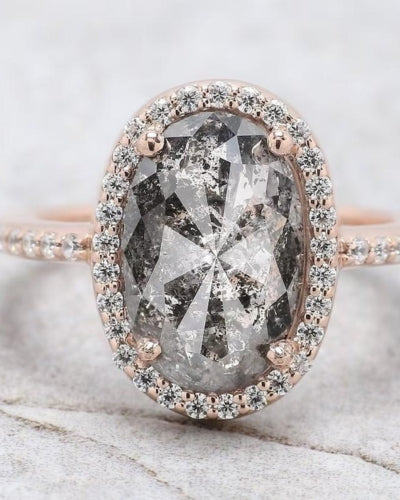
- Designing With Salt-and-Pepper Diamonds
- Step 3: Choose the Metal
- Step 4: Select the Setting
- Step 5: Get the Proportions Right
- Step 6: Design for Your Lifestyle
- Step 7: Build a Custom Jewelry Budget
- Step 8: Add Personal Details and Engraving
- Step 9: Prepare Reference Images
- Step 10: Review the Design
- Step 11: Confirm the Natural Diamond
- Step 12: Understand the Crafting Process
- How to Evaluate Custom Jewelry Quality
- Custom vs Ready-Made Jewelry
- Pros and Cons of Custom Natural Diamond Jewelry
- Custom Jewelry Design Examples
- Common Custom Jewelry Mistakes
- How to Care for Custom Natural Diamond Jewelry
- Frequently Asked Questions
What Is Custom Natural Diamond Jewelry?
Custom natural diamond jewelry is jewelry created according to a customer's individual specifications rather than selected solely from an existing finished design. The customization can be extensive or subtle. You might begin with an existing ring silhouette and change the diamond, metal, band width, setting, or finish. Alternatively, you can start with a completely new concept.
A custom design may include a particular natural diamond shape, a specific diamond color, a preferred metal purity, a distinctive setting, a particular band profile, accent stones, engraving, or hidden design details.
For example, a customer might want an elongated oval natural diamond with a slim 14K yellow gold band and a low-profile bezel setting. Another customer may prefer a geometric hexagon natural diamond, rose gold, and a minimalist setting. Both can be considered custom natural diamond jewelry because the design is built around the customer's specifications.
Fancy Diamond Jewels provides a design-your-own engagement ring experience where shoppers can explore different center-stone shapes and ring styles as a starting point for customization.
Why Choose Custom Natural Diamond Jewelry?
The biggest attraction of custom jewelry is control. You can decide which features matter most rather than accepting every feature of a ready-made piece.
Personal Expression
A custom piece can reflect your personality. Someone who prefers understated jewelry may choose a small natural diamond, a clean band, and a discreet setting. Someone who loves unusual shapes may select a hexagon, kite, coffin, shield, or antique-inspired diamond.
Emotional Meaning
Custom jewelry can incorporate details connected to a relationship or milestone. An engraving can represent a date, initials, private phrase, or symbolic number. A particular diamond shape can also have personal significance.
Design Flexibility
Customization allows different elements to work together. You can combine a specific diamond with a specific metal, band width, setting height, and finish instead of searching for a finished piece that happens to contain all of those features.
Future Heirloom Potential
A thoughtfully designed natural diamond piece can become a meaningful family keepsake. When designing an heirloom-minded piece, consider durability, timeless proportions, secure setting construction, and whether the design will remain wearable for many years.
Explore Natural Diamond Engagement Rings
Step 1: Define Your Jewelry Style Before Choosing the Diamond
One of the most common mistakes in custom jewelry design is selecting a diamond first and trying to build the entire design around it without considering the overall style. Begin by identifying the visual direction you want.
Classic Luxury
Classic designs usually emphasize balanced proportions, clean lines, and timeless silhouettes. Round, oval, emerald, and pear-shaped natural diamonds can work particularly well in classic designs.
Minimalist Jewelry
Minimalist jewelry typically uses fewer decorative elements. A solitaire, bezel setting, slim band, or clean geometric design can make the natural diamond the visual focus.
Vintage-Inspired Jewelry
Vintage-inspired designs can include antique-style cuts, milgrain details, engraved shoulders, decorative galleries, and softer proportions.
Modern Geometric Jewelry
Geometric natural diamonds such as hexagon, kite, shield, coffin, and elongated shapes can create a contemporary appearance. These designs are especially useful when the goal is to create something visibly different from a conventional round engagement ring.
Romantic Jewelry
Pear, oval, heart, and marquise shapes can create a softer visual language. Curved bands, delicate accents, and warm metal colors can reinforce the romantic character.
Step 2: Choose Your Natural Diamond
The diamond is often the visual and emotional center of a custom jewelry project. However, choosing the right natural diamond is not simply about carat weight. Shape, dimensions, color, clarity characteristics, cut style, surface appearance, and overall personality can all affect the final design.
Start by deciding whether you want a traditional brilliant appearance, a softer rose-cut appearance, an antique character, or a naturally distinctive salt-and-pepper appearance.
The natural diamond engagement ring collection includes a wide range of shapes and styles that can help you understand the different visual possibilities before beginning a custom project.
Understanding Natural Diamond Shapes
| Diamond Shape | Visual Character | Common Design Direction |
|---|---|---|
| Round | Classic and balanced | Solitaire, halo, three-stone, minimalist |
| Oval | Elegant and elongated | Modern solitaire, vintage, delicate |
| Pear | Graceful and distinctive | Romantic, statement, directional |
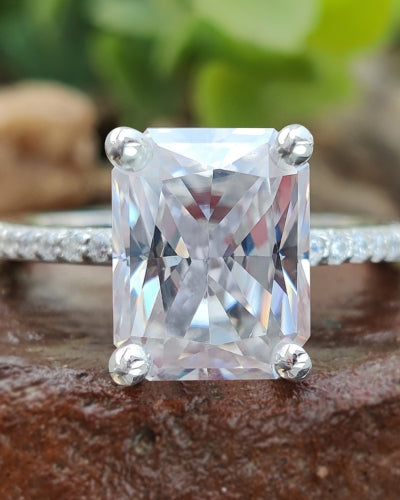
| Emerald | Clean and sophisticated | Architectural, classic, minimalist |
| Marquise | Long and dramatic | Vintage, elongated, botanical-inspired |
| Hexagon | Geometric and contemporary | Modern, bezel, minimalist |
| Kite | Angular and artistic | Alternative, geometric, statement |
| Shield | Bold and unconventional | Contemporary, artistic, cluster |
| Cushion | Soft and romantic | Vintage, classic, halo |
| Rose Cut | Flat-backed and softly reflective | Antique, minimalist, organic |
The shape you choose affects more than the appearance of the diamond. It also influences how the ring or jewelry piece is proportioned. Long shapes may work well with vertically oriented designs, while angular shapes can inspire symmetrical or geometric settings.
Choosing the Color of Your Natural Diamond
Natural diamonds are not limited to traditional colorless appearances. Depending on the stone, you may encounter white, brown, yellow, gray, black, green, pink, blue, and salt-and-pepper appearances.
For custom jewelry, color can become one of the most important design decisions because the metal and setting should complement the stone rather than compete with it.
White and Near-Colorless Appearance
White or near-colorless diamonds can support almost any jewelry style. They are particularly versatile for classic engagement rings and everyday jewelry.
Brown Natural Diamonds
Brown diamonds can create a warm, earthy appearance. Yellow gold and rose gold can emphasize their warmth, while contrasting metals can produce a more contemporary look.
Yellow Natural Diamonds
Yellow diamonds can become a strong focal point. A simple setting often works well because it allows the diamond's color to remain the primary visual feature.
Gray and Salt-and-Pepper Diamonds
Salt-and-pepper diamonds are valued by many jewelry buyers for their distinctive internal character. Their natural inclusions can create patterns of black, gray, white, and translucent areas. Instead of seeking uniformity, the design can be built around the individual appearance of the stone.
Natural Inclusions and Individual Character
When designing custom natural diamond jewelry, it is important to understand that natural diamonds can contain internal characteristics. These features are part of the stone's individual identity and can influence its appearance.
For some custom jewelry buyers, a highly unusual internal pattern is precisely what makes a diamond attractive. The goal is therefore not always maximum uniformity. Instead, the right question may be: Does this particular diamond have the visual character I want?
This approach can be especially relevant when choosing salt-and-pepper, rose-cut, antique-style, or naturally colored diamonds.
Why Consider a Rose-Cut Natural Diamond?
Rose-cut diamonds have a distinctive historical appearance. Their faceting creates a softer, more subtle reflection compared with the intense sparkle associated with many modern brilliant cuts.
For buyers who prefer understated luxury, a rose-cut natural diamond can become an excellent foundation for a custom design.
Rose cuts are particularly interesting in minimalist rings, low-profile settings, antique-inspired jewelry, geometric designs, and pieces where the natural personality of the stone is intended to remain visible.
A custom jeweler can also design the setting around the specific dimensions of the rose-cut diamond, helping the finished jewelry feel proportionate rather than using a generic setting intended for another stone profile.
Designing With Salt-and-Pepper Natural Diamonds
Salt-and-pepper natural diamonds have become popular among buyers who want individuality rather than a completely uniform diamond appearance.
The name generally refers to diamonds containing a mixture of dark and light internal characteristics that can create a speckled or smoky appearance. Each stone can look different.
Why Custom Design Works Well With Salt-and-Pepper Diamonds
- The diamond can become the central visual feature.
- Unique internal patterns can inspire an unconventional setting.
- Geometric shapes can emphasize the stone's individuality.
- Minimalist settings can prevent the design from becoming visually crowded.
- Warm metals can create a softer overall appearance.
Fancy Diamond Jewels offers a dedicated salt-and-pepper diamond engagement ring collection for exploring different stone shapes and design directions.
Custom salt and pepper natural diamond engagement ring with unique stone character
Step 3: Choose the Metal
The metal determines the visual frame surrounding your natural diamond. It also affects the warmth, weight, durability, and overall personality of the jewelry.
| Metal Direction | Visual Effect | Design Consideration |
|---|---|---|
| Yellow Gold | Warm and traditional | Complements warm diamond colors |
| Rose Gold | Romantic and soft | Works beautifully with blush and warm tones |
| White Gold | Bright and contemporary | Creates a clean neutral frame |
| Platinum | Dense and sophisticated | Often selected for premium, durable designs |
| Silver | Bright and accessible | Useful for certain lightweight jewelry designs |
Match the Metal to the Diamond
There is no universal rule that one metal must accompany one diamond color. The important consideration is the overall visual relationship.
A warm yellow diamond can be paired with yellow gold for a monochromatic appearance or contrasted against a cooler metal for definition. A gray diamond can work with both warm and cool metals depending on the desired mood.
Consider Metal Purity
When ordering custom jewelry, clarify the metal purity before production. Gold may be offered in different purities, and the choice affects the metal's composition and characteristics.
Fancy Diamond Jewels provides different metal options across its jewelry designs, allowing shoppers to explore combinations before committing to a custom configuration.
Step 4: Select the Setting
The setting holds the diamond and establishes much of the ring's visual identity.
Prong Setting
Prongs hold the stone at specific points while exposing more of the diamond. This can allow light to interact with the stone while maintaining a classic jewelry appearance.
Bezel Setting
A bezel surrounds the stone with metal. It can create a sleek, modern appearance and a strong visual frame around geometric or unusual diamonds.
Halo Setting
A halo places smaller stones around a central diamond. It can increase the visual presence of the center stone and create a decorative silhouette.
Three-Stone Setting
A three-stone design uses a central stone with additional stones on either side. It can create a balanced composition and offers many opportunities for personalization.
Low-Profile Setting
A low-profile design keeps the center diamond closer to the finger. This can be useful for customers who prefer a streamlined appearance or frequently use their hands.
The ring design builder can be used as a starting point for exploring different center-stone shapes and setting styles.
Step 5: Get the Proportions Right
Good custom jewelry is not simply about selecting beautiful individual components. Those components need to work together.
Consider:
- Center diamond length and width.
- Band width.
- Band thickness.
- Setting height.
- Shoulder width.
- Accent stone size.
- Finger coverage.
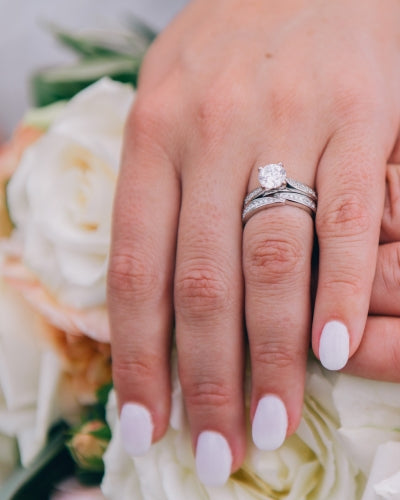
- Relationship between the center stone and wedding band.
- Overall visual balance.
A large center stone paired with an extremely thin band can create a very delicate appearance, while a substantial band can make the same diamond look more architectural. Neither is automatically correct; the goal is to match proportions with the intended design and lifestyle.
Step 6: Design for Your Lifestyle
A dream piece should be beautiful when you first receive it and practical enough to wear according to your lifestyle.
If You Work With Your Hands
Consider a secure setting, comfortable band profile, and a design that does not have unnecessary protrusions.
If You Want Everyday Jewelry
Focus on comfort, durability, cleaning access, and a setting that feels secure for regular wear.
If You Want Occasional Statement Jewelry
You can prioritize larger visual proportions, unusual silhouettes, elaborate details, and stronger decorative elements.
If You Want an Heirloom
Think beyond current trends. Ask whether the design has a strong underlying structure, whether it can be maintained or resized when appropriate, and whether the style has personal meaning that will remain relevant.
Step 7: Build a Custom Jewelry Budget
Custom jewelry pricing can vary considerably because multiple components contribute to the final cost.
| Cost Factor | Why It Matters |
|---|---|
| Natural Diamond | Shape, size, color, characteristics, and overall quality influence price. |
| Metal | Purity, type, weight, and market conditions affect cost. |
| Setting Complexity | Detailed or intricate designs generally require additional work. |
| Accent Stones | Additional diamonds or gemstones add material and setting costs. |
| Engraving | Personalization may add production work. |
| Craftsmanship | Hand finishing and specialized construction contribute to the final price. |
A practical strategy is to divide your budget into priorities. Decide whether the largest portion should go toward the natural diamond, metal, craftsmanship, or customization details.
Step 8: Add Personal Details and Engraving
Engraving can transform a beautiful piece of jewelry into something deeply personal. It does not need to be visible from the outside.
Popular Engraving Ideas
- Initials.
- Important dates.
- Roman numerals.
- A short private phrase.
- A meaningful word.
- Coordinates or location-inspired details.
- Simple symbols.
- Family initials.
Keep the available engraving area in mind. A narrow band may not accommodate a long message, while a wider band can provide more space.
Step 9: Prepare Reference Images
Reference images are one of the easiest ways to communicate a design idea. However, the best reference board does not need to show one exact ring.
Instead, collect examples for different elements:
- One image for the diamond shape.
- One for the metal color.
- One for the band profile.
- One for the setting.
- One for the overall mood.
- One for engraving or decorative details.
Then explain which parts you like and which parts you do not like.
For example: “I like the oval diamond from image one, the yellow-gold color from image two, and the low-profile bezel from image three, but I want a thinner band.” This gives a designer a much clearer direction than sending a single photograph and saying, “Make this.”
Step 10: Review the Design Before Production
A digital design preview or CAD model can be an important checkpoint before crafting begins. It allows you to review the general proportions, stone orientation, band width, setting structure, and overall silhouette.
Look at the design from multiple angles rather than only from the top.
Top View
Check the overall shape, center-stone proportions, symmetry, and finger coverage.
Side View
Check the setting height, underside, profile, and relationship between the stone and finger.
Three-Quarter View
This view often provides the best sense of how the design will appear in real life because it combines the top and side perspectives.
Step 11: Confirm the Natural Diamond
Before approving the final jewelry, make sure the diamond specification is clearly understood.
Ask for the relevant information about:
- Natural diamond origin.
- Shape.
- Measurements.
- Carat weight where applicable.
- Color description.
- Clarity characteristics where applicable.
- Cut style.
- Treatment disclosure where relevant.
- Certification or report availability when applicable.
For unusual natural diamonds, photographs and videos can be particularly helpful because they show the actual appearance of the stone rather than only a written specification.
Step 12: Understand the Custom Jewelry Crafting Process
A custom jewelry project generally moves through several stages. The exact process varies by design, but understanding the sequence helps you know what to expect.
- Idea: Explain what you want to create.
- Consultation: Discuss diamond, metal, style, budget, and dimensions.
- Diamond Selection: Identify the natural diamond or stone specification.
- Design: Develop the jewelry concept and proportions.
- CAD or Design Approval: Review the proposed structure before production.
- Production: The jewelry is crafted according to the approved specifications.
- Finishing: The piece is polished, detailed, and prepared for final inspection.
- Final Review: Check the finished piece before shipment.
Fancy Diamond Jewels describes a custom-order workflow that can include sharing an idea or reference image, receiving a quote, reviewing a 3D CAD design, receiving gem photographs or video, crafting the jewelry, and receiving final photographs or video before shipment.
How to Evaluate Custom Natural Diamond Jewelry Quality
Quality should be evaluated as a combination of the diamond, metal, craftsmanship, construction, and finishing.
Check the Diamond
Make sure the stone matches the agreed specifications and that its visual characteristics are consistent with what you selected.
Check the Setting
The diamond should be securely held. Look for clean construction and consistent finishing around the setting.
Check the Metal
Verify the metal type and purity against the agreed specifications.
Check the Finish
Examine polished areas, edges, engraving, and transitions between different parts of the design.
Check Comfort
A custom ring should not only look good in photographs. It should feel comfortable when worn. Pay attention to edges, interior surfaces, setting height, and the relationship between the ring and adjacent fingers.
Custom Natural Diamond Jewelry vs Ready-Made Jewelry
| Feature | Custom Jewelry | Ready-Made Jewelry |
|---|---|---|
| Design Control | High | Limited to available designs |
| Diamond Selection | Can be specified around individual preferences | Determined by the existing piece |
| Metal Selection | Can often be customized | Usually predetermined |
| Engraving | Can be incorporated into the design | May be limited or unavailable |
| Proportions | Designed around the customer | Pre-established |
| Production Time | Usually requires a production process | May be available immediately |
| Personalization | Extensive | Usually limited |
The choice depends on how important personalization, timing, and design flexibility are to you.
Pros and Cons of Custom Natural Diamond Jewelry
Advantages
- Greater control over the final design.
- Ability to choose a distinctive natural diamond.
- Opportunity to personalize metal, setting, proportions, and finish.
- Potential to create a meaningful one-of-a-kind piece.
- Ability to incorporate personal engraving and hidden details.
- Design can be adapted to lifestyle and comfort preferences.
- Unusual diamond shapes can be incorporated into a purpose-built setting.
Considerations
- Custom projects can take longer than purchasing ready-made jewelry.
- More decisions are required from the customer.
- Complex designs can increase production costs.
- Changes after production begins may be limited.
- It is important to communicate specifications clearly.
Custom Jewelry Design Examples
Case Study 1: Minimalist Oval Natural Diamond Ring
Imagine a customer who wants a ring that feels elegant enough for an engagement but simple enough for daily wear. The design brief might specify an oval natural diamond, yellow gold, a slim band, and a low-profile setting.
The design priority would be proportion and comfort rather than excessive decoration. The oval diamond becomes the focal point while the simple band creates a clean silhouette.
Case Study 2: Geometric Hexagon Diamond Ring
A customer who prefers unconventional jewelry might choose a hexagon natural diamond with a bezel setting and a slightly wider band.
In this case, the geometric outline of the stone becomes part of the overall design language. A simple band can keep the jewelry modern without competing with the diamond's shape.
Case Study 3: Salt-and-Pepper Rose-Cut Ring
Another customer might prefer a salt-and-pepper natural diamond with a rose cut. Instead of hiding the stone's internal characteristics, the design can use a simple setting that keeps the diamond visually exposed.
A warm metal such as yellow or rose gold could create an organic appearance, while a cool metal could create stronger contrast.
Case Study 4: Personalized Anniversary Ring
A custom anniversary ring could incorporate a natural diamond selected for its shape and character, paired with an engraving on the inside of the band. The exterior remains minimal while the hidden engraving creates personal meaning.
Common Custom Jewelry Mistakes to Avoid
1. Choosing Size Before Style
A larger diamond is not automatically the best choice for every design. Start with shape, visual character, proportions, and lifestyle.
2. Ignoring the Side Profile
Many buyers focus entirely on the top view. A ring's side profile affects comfort, appearance, and how it interacts with a wedding band.
3. Choosing a Setting Without Considering the Diamond
The setting should be appropriate for the stone's shape and dimensions. Unusual diamonds often benefit from purpose-built settings.
4. Forgetting Future Wear
A dramatic design can be beautiful, but if you plan to wear the jewelry every day, comfort and security should be considered during the design stage.
5. Overloading the Design
Custom does not mean every possible detail must be included. Sometimes the most luxurious result comes from choosing one strong focal element and allowing the rest of the design to remain restrained.
6. Not Confirming Specifications
Always confirm the diamond, metal, size, setting, engraving, and dimensions before final production.
How to Care for Custom Natural Diamond Jewelry

Proper care helps preserve the appearance of your jewelry over time.
Clean Regularly
Remove everyday buildup such as oils, lotions, and dust using an appropriate gentle cleaning method for the specific jewelry materials.
Inspect the Setting
Periodically examine the setting for visible damage or movement. If a stone appears loose, have the jewelry inspected before continued wear.
Store Separately
Keep jewelry pieces separated when possible to reduce scratching and tangling.
Be Careful During Physical Activities
Remove or protect jewelry when performing activities that could expose it to impact, chemicals, or unnecessary abrasion.
Schedule Professional Checks
For valuable or frequently worn jewelry, periodic professional inspection can help identify wear before it becomes a larger problem.
Luxury custom natural diamond jewelry care and maintenance guide
Custom Natural Diamond Jewelry Design Checklist
| Design Stage | Questions to Answer |
|---|---|
| Purpose | Is it an engagement ring, anniversary gift, everyday piece, or heirloom? |
| Style | Do you prefer classic, minimalist, vintage, romantic, or geometric design? |
| Diamond | Which natural diamond shape, color, size, and character do you prefer? |
| Metal | Which metal color and purity fit the design? |
| Setting | Do you prefer prong, bezel, halo, three-stone, or another setting? |
| Proportion | How wide and thick should the band be? |
| Comfort | Will the jewelry work with your daily activities? |
| Personalization | Do you want engraving or another meaningful detail? |
| Budget | Which design elements are the highest priority? |
| Approval | Have all specifications been checked before production? |
How to Start Your Custom Natural Diamond Jewelry Project
The easiest way to begin is to write a short design brief. It does not need to use technical jewelry terminology.
For example:
My Custom Jewelry Brief
I want a custom natural diamond engagement ring with an oval center diamond. I prefer a warm yellow-gold metal color, a clean minimalist style, and a comfortable low-profile setting. I want the ring to look elegant enough for formal occasions but practical enough for regular wear. I would also like a small engraving inside the band.
This simple description gives a jeweler enough information to begin a conversation about the stone, setting, metal, proportions, and budget.
You can also explore existing styles first through the Fancy Diamond Jewels collection to identify shapes, settings, and design elements that appeal to you.
What Makes a Custom Natural Diamond Piece Feel Truly Personal?
Personalization is not necessarily about adding more decoration. It can be as subtle as selecting a particular diamond because its shape reminds you of something meaningful, choosing a metal color that you have always loved, or engraving a private date inside the band.
The strongest custom designs usually have a clear reason behind each major element.
The diamond has a reason.
The setting has a reason.
The metal has a reason.
The proportions have a reason.
Even the smallest hidden detail can have a reason.
That is what turns custom jewelry from a collection of components into a personal object with a story.
Real-World Custom Design Experience: Why Communication Matters
In custom jewelry work, communication is one of the most important parts of the experience. Customers often know what they like visually but may not know the technical term for it. A photograph, sketch, measurement, or simple description can bridge that gap.
For example, a customer might say, “I want the diamond to sit very close to my finger.” That statement can lead to a discussion about setting height and wedding-band compatibility. Another customer might say, “I want the diamond to look natural and imperfect.” That can lead to a conversation about salt-and-pepper or other naturally distinctive diamonds.
The more clearly the desired outcome is communicated before production, the easier it becomes to translate the idea into a finished piece.
Fancy Diamond Jewels' custom process includes reference images, design approval, gem photographs or videos, craftsmanship updates, and final visual confirmation as part of its described workflow.
Infographic: The Custom Natural Diamond Jewelry Journey
Custom natural diamond jewelry design process from diamond selection to final jewelry

- Define your story.
- Choose your jewelry style.
- Select the natural diamond.
- Choose the metal.
- Select the setting.
- Confirm proportions.
- Set your budget.
- Add personalization.
- Review the design.
- Approve the final specifications.
- Craft the jewelry.
- Inspect and enjoy your finished piece.
Why Custom Natural Diamond Jewelry Can Become an Heirloom
An heirloom is not defined only by monetary value. Emotional relevance, craftsmanship, durability, and the story attached to a piece can become equally important.
A custom natural diamond ring designed for an engagement may eventually represent an entire relationship. A custom pendant may commemorate a family milestone. A pair of earrings may become a gift associated with an important achievement.
Because custom jewelry begins with a specific story or intention, it can carry that story forward more clearly than an anonymous piece selected solely because it was available.
Design Your Dream Jewelry With Confidence
Designing custom natural diamond jewelry does not require you to become a jewelry expert. You simply need to understand the major decisions and communicate what matters to you.
Start with the story. Define your style. Choose a natural diamond with a character you genuinely love. Select the metal and setting. Pay attention to proportions and comfort. Establish your budget before committing to details. Review the design carefully. Confirm the actual stone and specifications. Then let skilled craftsmanship turn the concept into a finished piece.
The most important part of the process is remembering that there is no requirement for your custom jewelry to look like anyone else's. A custom piece can be classic, unusual, minimal, colorful, geometric, romantic, vintage-inspired, or completely personal.
Your dream jewelry should ultimately reflect your own taste and the meaning you want it to carry.
Start Designing Your Ring
Discuss a Custom Jewelry Project
Frequently Asked Questions About Custom Natural Diamond Jewelry
1. What is custom natural diamond jewelry?
Custom natural diamond jewelry is a jewelry piece designed around a customer's specific preferences. The diamond, metal, setting, proportions, finish, engraving, and other details can be selected or customized according to the project.
2. Can I design my own natural diamond engagement ring?
Yes. A custom engagement ring can be developed by selecting a natural diamond shape and combining it with your preferred setting, metal, band profile, proportions, and personal details.
3. Which natural diamond shape is best for a custom ring?
There is no single shape that is right for every person. Round, oval, pear, emerald, marquise, hexagon, kite, shield, cushion, rose-cut, and other shapes can all be used depending on your preferred style, proportions, and design goals.
4. Can I use a salt-and-pepper natural diamond in custom jewelry?
Yes. Salt-and-pepper natural diamonds can be incorporated into custom rings and other jewelry. Their individual internal character can be used as a focal point in minimalist, geometric, vintage-inspired, and alternative designs.
5. Can I choose the metal color for custom natural diamond jewelry?
In many custom projects, customers can select a preferred metal color such as yellow gold, rose gold, or white gold, subject to the available design and material options.
6. Can a custom natural diamond ring include engraving?
Yes. Engraving can often be added to the inside or another suitable area of the jewelry. Popular choices include initials, dates, short phrases, symbols, and meaningful numbers.
7. How long does custom jewelry take to make?
Production time varies according to the diamond, design complexity, customization requirements, approvals, and production schedule. A custom project generally requires more time than selecting a ready-made piece.
8. Can I provide a reference image for my custom jewelry?
Yes. Reference images can be very helpful. It is best to explain which elements you want to use from each reference, such as the diamond shape, setting, metal, band width, or overall style.
9. Should I choose the diamond before designing the ring?
For many custom projects, selecting or defining the center diamond early is useful because its measurements and shape can influence the setting and overall proportions.
10. Can unusual diamond shapes be used for custom jewelry?
Yes. Unusual shapes such as hexagon, kite, shield, coffin, antique, and other geometric forms can be incorporated into custom jewelry when an appropriate setting is designed around the stone.
11. Is custom natural diamond jewelry more expensive than ready-made jewelry?
Not necessarily in every situation. Pricing depends on the natural diamond, metal, design complexity, craftsmanship, personalization, and other specifications. A simple custom design may have very different costs from a highly elaborate one.
12. Can I design custom natural diamond earrings or a pendant instead of a ring?
Yes. The same customization principles can be applied to earrings, pendants, necklaces, bracelets, and other jewelry. The diamond shape, metal, proportions, setting, and intended use should all be considered.
13. What should I confirm before approving a custom jewelry order?
Confirm the natural diamond specifications, stone dimensions, metal type and purity, metal color, ring size where applicable, setting style, band dimensions, engraving, accent stones, overall design, pricing, and production details.
14. Can custom natural diamond jewelry be designed for everyday wear?
Yes. Everyday jewelry should be designed with comfort, setting security, appropriate proportions, and lifestyle requirements in mind. A lower-profile and practical design may be preferable for frequent wear.
15. How do I start a custom jewelry project with Fancy Diamond Jewels?
You can begin by exploring the available jewelry styles and the ring builder, then prepare your preferred diamond shape, metal, setting, size, budget, and reference images. You can also use the contact page to discuss a custom project.
Final Custom Natural Diamond Jewelry Checklist
- Choose the purpose of the jewelry.
- Define your preferred style.
- Select a natural diamond with a character you love.
- Choose the diamond shape and orientation.
- Select the metal color and purity.
- Choose a suitable setting.
- Decide the band width and overall proportions.
- Consider everyday comfort.
- Set a realistic budget.
- Decide whether engraving is important.
- Prepare reference images.
- Review the design from multiple angles.
- Confirm the actual diamond specifications.
- Confirm all metal and craftsmanship details.
- Approve the design before production.
- Inspect the finished piece carefully.
- Follow appropriate jewelry care practices.
About Fancy Diamond Jewels
Fancy Diamond Jewels specializes in handcrafted jewelry and offers natural diamond jewelry across a broad range of shapes, styles, metals, and design directions. The brand also provides custom-order options for customers who want to create jewelry around a particular idea, diamond, or personal specification.
To explore natural diamond jewelry, visit the Fancy Diamond Jewels online collection or explore the natural diamond engagement ring collection.


Dejar un comentario
Este sitio está protegido por hCaptcha y se aplican la Política de privacidad de hCaptcha y los Términos del servicio.