
Moissanite Diamond Ring vs Cubic Zirconia Diamond Ring: Which Lasts Longer?
𝗧𝗮𝗯𝗹𝗲 𝗼𝗳 𝗖𝗼𝗻𝘁𝗲𝗻𝘁𝘀
- 1. Introduction
- 2. What Is a Moissanite Diamond Ring?
- 3. What Is a Cubic Zirconia (CZ) Ring?
- 4. Hardness Comparison (Durability Test)
- 5. Scratch Resistance and Daily Wear
- 6. Long-Term Clarity and Shine
- 7. Lifespan Comparison
- 8. Which Ring Is Better for Engagement?
- 9. Pros and Cons
- 10. Final Verdict: Which Lasts Longer?
- 11. FAQs
𝟭. 𝗜𝗻𝘁𝗿𝗼𝗱𝘂𝗰𝘁𝗶𝗼𝗻
When choosing a diamond alternative, two of the most popular options are moissanite and cubic zirconia (CZ). Both look similar to diamonds at first glance, but when it comes to durability and lifespan, the difference is huge.
If you're investing in a ring—especially for daily wear like an engagement ring—understanding which one lasts longer is essential.
𝟮. 𝗪𝗵𝗮𝘁 𝗜𝘀 𝗮 𝗠𝗼𝗶𝘀𝘀𝗮𝗻𝗶𝘁𝗲 𝗗𝗶𝗮𝗺𝗼𝗻𝗱 𝗥𝗶𝗻𝗴?

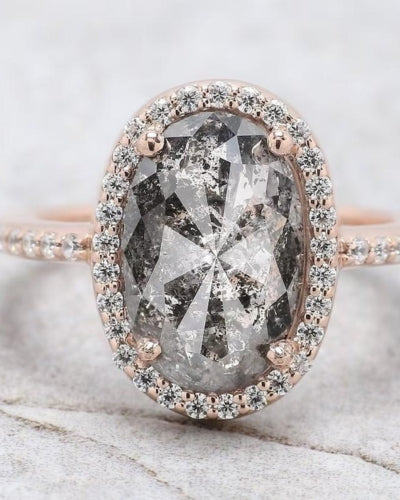
Moissanite is a lab-created gemstone made from silicon carbide, known for its incredible brilliance and durability. It is considered one of the closest alternatives to real diamonds in terms of strength and sparkle.
Originally discovered in a meteor crater, moissanite is now carefully engineered in laboratories to achieve exceptional clarity and brilliance. What makes it stand out is its intense sparkle—often even more fiery than a diamond—thanks to its high refractive index.
In addition to its beauty, moissanite is extremely durable, ranking just below diamonds on the Mohs hardness scale, which makes it highly resistant to scratches and perfect for everyday wear. Because of its affordability and ethical sourcing, moissanite has become a popular choice for engagement rings and fine jewelry, offering a luxurious look without the high cost of traditional diamonds.
Key Features:
- Extremely hard and durable
- High brilliance (more sparkle than diamond)
- Suitable for everyday wear
𝟯. 𝗪𝗵𝗮𝘁 𝗜𝘀 𝗮 𝗖𝘂𝗯𝗶𝗰 𝗭𝗶𝗿𝗰𝗼𝗻𝗶𝗮 (𝗖𝗭) 𝗥𝗶𝗻𝗴?

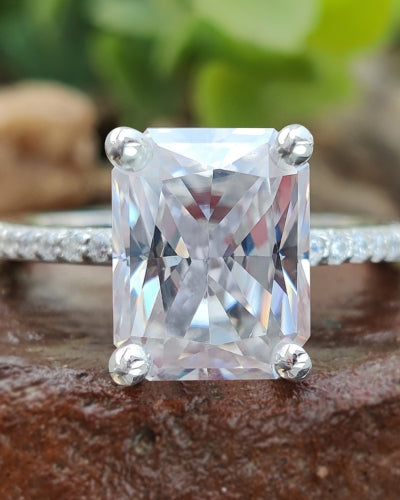
Cubic zirconia is a synthetic gemstone made from zirconium dioxide. It is widely used because it is very affordable and visually similar to diamonds when new.
A cubic zirconia (CZ) ring is a piece of jewelry that features a gemstone made from cubic zirconia, a man-made material designed to closely resemble a natural diamond. Known for its clear, sparkling appearance, CZ is created in laboratories using zirconium dioxide and is cut and polished to mimic the brilliance and fire of a real diamond.
Because it is significantly more affordable than diamonds, cubic zirconia rings are a popular choice for fashion jewelry, travel rings, or budget-friendly engagement options. While CZ offers impressive shine initially, it is softer than diamonds and may lose its sparkle over time with regular wear.
Key Features:
- Budget-friendly
- Looks bright initially
- Common in fashion jewelry
𝟰. 𝗛𝗮𝗿𝗱𝗻𝗲𝘀𝘀 𝗖𝗼𝗺𝗽𝗮𝗿𝗶𝘀𝗼𝗻 (𝗗𝘂𝗿𝗮𝗯𝗶𝗹𝗶𝘁𝘆 𝗧𝗲𝘀𝘁)
Durability starts with hardness, measured on the Mohs scale:
| Stone | Hardness |
|---|---|
| Moissanite | 9.25 – 9.5 |
| Cubic Zirconia | 8 – 8.5 |
Moissanite is significantly harder, making it far more resistant to scratches and damage.
👉 Even a small difference on this scale is huge—each step represents a major increase in strength.
𝟱. 𝗦𝗰𝗿𝗮𝘁𝗰𝗵 𝗥𝗲𝘀𝗶𝘀𝘁𝗮𝗻𝗰𝗲 𝗮𝗻𝗱 𝗗𝗮𝗶𝗹𝘆 𝗪𝗲𝗮𝗿

Moissanite:
- Resists scratches from everyday objects
- Maintains smooth surface and polish for years
Cubic Zirconia:
- Prone to micro-scratches
- Scratches accumulate quickly, reducing shine
Over time, CZ stones develop tiny abrasions that dull their appearance, while moissanite remains almost unchanged.
𝟲. 𝗟𝗼𝗻𝗴-𝗧𝗲𝗿𝗺 𝗖𝗹𝗮𝗿𝗶𝘁𝘆 𝗮𝗻𝗱 𝗦𝗵𝗶𝗻𝗲

This is where the biggest difference appears.
Moissanite:
- Does NOT turn cloudy
- Keeps its brilliance for decades
- Non-porous structure prevents dirt absorption
Cubic Zirconia:
- Becomes cloudy over time
- Absorbs oils, lotions, and dirt
- Loses sparkle permanently
CZ stones often look “glassy” or dull after prolonged use.
𝟳. 𝗟𝗶𝗳𝗲𝘀𝗽𝗮𝗻 𝗖𝗼𝗺𝗽𝗮𝗿𝗶𝘀𝗼𝗻

Moissanite Lifespan:
- 20–40+ years (or even lifetime)
- Maintains clarity and sparkle
- Minimal maintenance required
Cubic Zirconia Lifespan:
- 1–3 years (daily wear)
- 2–5 years maximum with care
- Often needs replacement
Moissanite is designed for long-term use, while CZ is considered temporary jewelry.
𝟴. 𝗪𝗵𝗶𝗰𝗵 𝗥𝗶𝗻𝗴 𝗜𝘀 𝗕𝗲𝘁𝘁𝗲𝗿 𝗳𝗼𝗿 𝗘𝗻𝗴𝗮𝗴𝗲𝗺𝗲𝗻𝘁?
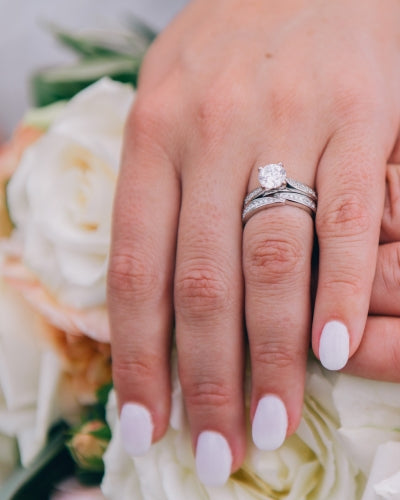
For engagement rings, durability is critical because the ring is worn every day.
✔ Choose Moissanite if you want:
- A lifetime ring
- High durability
- Long-lasting sparkle
✔ Choose Cubic Zirconia if you want:
- A low-cost temporary ring
- Travel or backup jewelry
Most jewelers recommend moissanite for engagement rings due to its strength and longevity.
𝟵. 𝗣𝗿𝗼𝘀 𝗮𝗻𝗱 𝗖𝗼𝗻𝘀
Moissanite :-
Pros:
- Extremely durable
- Long-lasting brilliance
- Scratch-resistant
- Ideal for daily wear
Cons:
- More expensive than CZ
- Slight rainbow sparkle (not identical to diamond)
Cubic Zirconia :-
Pros:
- Very affordable
- Looks like diamond initially
- Easy to replace
Cons:
- Scratches easily
- Turns cloudy
- Short lifespan
- Not suitable for daily wear
𝟭𝟬. 𝗙𝗶𝗻𝗮𝗹 𝗩𝗲𝗿𝗱𝗶𝗰𝘁: 𝗪𝗵𝗶𝗰𝗵 𝗟𝗮𝘀𝘁𝘀 𝗟𝗼𝗻𝗴𝗲𝗿?
👉 Winner: Moissanite (By a Huge Margin)
- Lasts decades or lifetime
- Maintains brilliance and clarity
- Requires minimal replacement
👉 Cubic Zirconia:
- Lasts only a few years
- Loses shine quickly
- Needs frequent replacement
💡 Conclusion:
If you want a ring that truly lasts, moissanite is the clear winner. CZ may save money upfront, but moissanite provides far better value in the long run.
𝟭𝟭. 𝗙𝗔𝗤𝘀
1. Does moissanite last forever?
Yes, with proper care, moissanite can last a lifetime without losing its sparkle.
2. Why does cubic zirconia get cloudy?
Because it develops microscopic scratches and absorbs oils, which permanently dull its surface.
3. Is moissanite better than CZ for daily wear?
Absolutely. Moissanite is specifically suited for daily use, while CZ is not.
4. Can CZ be cleaned to look new again?
Cleaning helps temporarily, but it cannot remove internal scratches or cloudiness.
5. Which is more cost-effective long-term?
Moissanite—because it doesn’t need frequent replacement like CZ.


%20Ring?%0A4.%20Hardness%20Comparison%20(Durability%20Test)%0A5.%20Scratch%20Resistance%20and%20Daily%20Wear%0A6.%20Lo...)
Dejar un comentario
Este sitio está protegido por hCaptcha y se aplican la Política de privacidad de hCaptcha y los Términos del servicio.