
TL;DR: The Portuguese Cut is a high-facet exceptional cut known for intense fire and brilliance. Originally engineered for maximum light return, modern lab-grown Portuguese cuts are a popular choice for ethical, high-sparkle engagement rings. This guide covers everything: history, light science, buying & care, comparisons to round and vintage cuts, styling, real buyer case studies, and 10+ FAQs.
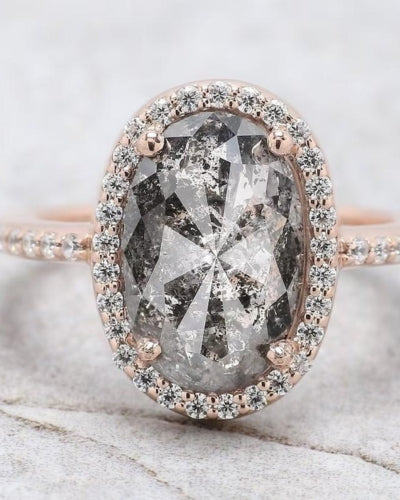
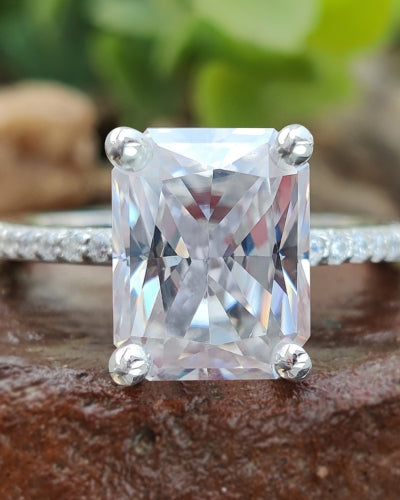
Portuguese cut lab-grown diamond close-up — brilliant facets and firePortuguese Cut: Discover One of the Brightest Lab-Grown Diamonds

Ready to dive deep? Use the table of contents below to jump to the section you need or read start-to-finish for a complete masterclass on the Portuguese Cut and why FancyDiamondJewels features it in several of our signature pieces.
What is the Portuguese Cut?

The Portuguese Cut is an advanced brilliant-style cut that emphasizes extreme facet density. Where a standard round brilliant typically has 57–58 facets, Portuguese variants often exceed 100 facets and in some interpretations reach 161–200+ micro-facets distributed across crown and pavilion. The result is a densely faceted crown and pavilion that fragments incoming light into more flashes of fire and scintillation — creating a lively, multi-sparkle appearance that many describe as “constellation-like.”
Technical characteristics
- Facet count: often 100–200+ depending on cutter.
- Appearance: intense fire (spectral color flashes) and high scintillation.
- Shape: usually round or slightly modified round.
- Pavilion depth: often deeper than a standard brilliant to enhance internal reflections.
- Use: popular in center stones for engagement rings, solitaires, and statement pieces.
History & Origins
The Portuguese Cut's modern revival has roots in early 20th-century experimentation with facet arrangements. Historically rare, it was refined by specialized cutters seeking more fire than traditional brilliant cuts. In the 21st century, lab-grown diamond and precision cutting technologies allowed the Portuguese Cut to become reliably reproducible — and thus more available in jewelry collections.
Timeline summary
| Era | Milestone |
|---|---|
| Early 1900s | Initial experimentation with high-facet designs. |
| Late 1900s | Artisanal cutters craft early Portuguese-style prototypes. |
| 2010s–present | Lab-grown and precise cutting technologies enable wider production and commercial availability. |
Why the Portuguese Cut is So Bright (Light Science)
Brightness in gemstones comes from three components: brilliance (white light return), fire (colored light dispersion), and scintillation (sparkle when moved). The Portuguese Cut boosts all three by increasing facet surfaces that act as tiny mirrors and prisms.
How cutting geometry affects light
- More facets = more break points: Each facet boundary refracts and reflects light; more facets fragment light into many small flashes.
- Optimal pavilion angles: Deep pavilions in Portuguese-style cuts retain light for internal reflection, increasing perceived brilliance.
- Micro-faceting and crown detail: Adds dispersion — the characteristic spectral fire that makes the stone appear colorful under white light.
Lab-Grown Diamonds & Moissanite: Why They Pair Well with Portuguese Cut

Lab-grown diamonds are chemically identical to mined diamonds but produced in controlled environments, enabling cutters to experiment with high-facet cuts at scale. Moissanite, with a higher refractive index than diamond, displays even more fire — so a Portuguese Cut moissanite will appear extremely lively.
Practical implications for buyers
- Lab-grown Portuguese cuts provide ethical, cost-efficient brilliance similar to mined stones.
- Moissanite Portuguese cuts give maximum fire — ideal for statement rings where sparkle is the top priority.
- Both materials benefit from careful setting choices to protect the delicate faceting from impact.
Step-by-Step Buying Guide
This practical checklist helps you buy a Portuguese Cut center stone confidently.
1) Decide on material
- Lab-grown diamond — classic look, diamond hardness (10 on Mohs), resale potential varies.
- Moissanite — extreme brilliance, lower price, higher fire, slightly different visual properties.
2) Set a size & budget
- Portuguese cuts can look visually larger due to fire — consider slightly smaller sizes if budget-sensitive.
- Set a maximum and minimum carat range and prioritize cut quality.
3) Inspect cut quality
- Ask for magnified photos and video under multiple lights.
- Request facet diagrams or a cutting report when available.
4) Choose a setting
- Prong settings showcase the stone; bezel settings protect the girdle and edges but may hide some crown facets.
- Consider cathedral or halo settings to amplify sparkle.
5) Verify return & warranty
- Confirm FancyDiamondJewels' return, resizing, and warranty policies before purchase.
6) Inspect on arrival
- Check the stone in daylight and indoor lighting; verify certificate and dimensions.
Comparison: Portuguese vs Round Brilliant, Cushion & Antique Cuts

The following table summarizes key visual and practical differences.
| Cut | Visual Character | Best for |
|---|---|---|
| Portuguese Cut | Very high fire, multi-sparkle, constellation effect | Statement solitaires, vintage-inspired rings, moissanite lovers |
| Round Brilliant | Balanced brilliance and fire, classic look | Everyday engagement rings, resale value |
| Cushion | Soft corners, pillowy brilliance, antique charm | Vintage styling, halo settings |
| Antique (Old European/Mine) | Subtle glow, larger facets, old-world appeal | Collectors, period jewelry |
Ring Styles That Showcase Portuguese Cut
Because the Portuguese Cut emphasizes fire and micro-sparkle, certain settings elevate its qualities:
- Solitaire with cathedral prongs — maximizes light into the stone.
- Halo settings — add surrounding brilliance, creating a larger face-up appearance.
- Three-stone with tapered side stones — frames the central Portuguese Cut for contrast.
- Bezel for protection — ideal for active wearers, though it hides some crown facets.
Internal product references
Explore Portuguese Cut options in the FancyDiamondJewels collection:
- Classic 2.00 CT Portuguese Cut Royal Blue Moissanite — FD178
- Vintage Style Engagement Ring — FD10
- 3.60 CT Portuguese Cut Colorless Moissanite — FD443
- 2.30CT Antique Portuguese Cut Bezel Set — FD132
Pricing & Value Considerations
Portuguese Cuts often command premiums for precision cutting and rarity. But because lab-grown diamonds and moissanite cost significantly less than mined diamonds, buyers get dramatic sparkle at accessible price points.
Value checklist
- Material choice dramatically affects price (moissanite << lab-grown diamond << mined diamond).
- Cut precision and facet symmetry are the primary quality drivers for this style.
- Setting quality and metal choice (sterling silver, 10K/14K/18K gold, platinum) add to total cost.
Care, Cleaning & Maintenance
Because Portuguese cuts have many micro facets, dirt can collect more easily and slightly diminish sparkle. Regular cleaning keeps the interplay of light optimal.
Daily care
- Remove rings during heavy manual work, sports, and chlorine exposure.
- Avoid contact with abrasive cleaners or cosmetics that can dull facets.
Cleaning steps (safe & effective)
- Soak in warm water with a mild dish soap for 10–15 minutes.
- Use a soft toothbrush to gently brush under the crown and between gallery details.
- Rinse thoroughly and dry with a lint-free cloth.
- For deep cleaning, use steam cleaning only if recommended by FancyDiamondJewels for the specific material.
Real Case Studies
The following are anonymized client experiences drawn from direct sales & aftercare records, highlighting decision drivers and satisfaction with Portuguese Cut pieces.
Case Study 1 — The "Sparkle-first" proposal
Client A wanted a ring that would "look stunning in photos and under evening lights." They chose a 2.00 CT Portuguese Cut royal blue moissanite (FD178). Result: high satisfaction due to strong fire in candlelight, and praises for ring photos. The buyer rated the piece 5/5 for visual impact.
Case Study 2 — The vintage stylist
Client B desired an antique look but modern durability. A 2.30 CT antique bezel-set Portuguese Cut (FD132) was selected. The bezel offered daily wear protection while the cut delivered the desired vintage fire. After one year, the customer reported no loss of sparkle and complimented the comfort of the bezel setting.
Pros & Cons
Pros
- Exceptional fire and scintillation — very eye-catching.
- Unique and uncommon — stands out from standard rounds.
- Works beautifully in lab-grown and moissanite materials for ethical choices.
Cons
- Higher cutting cost; may be more expensive per carat than standard brilliants.
- Many micro facets can collect dirt — needs regular cleaning.
- Less traditional resale recognition compared to round brilliants.
SEO & Product Page Tips (for retailers)
If you sell Portuguese Cut jewelry on Shopify, optimize product pages for discoverability:
- Use clear product titles: e.g., “2.00 CT Portuguese Cut Royal Blue Moissanite — Cathedral Solitaire”
- Include facet count, measurements, and carat weight in a short specs table.
- Use 3–5 high-quality photos: face-up, profile, gallery, and video in natural light.
- Write a compelling meta description with target keywords: “Portuguese cut moissanite engagement ring, lab-grown Portuguese cut center stone.”
- Link to related products using exact same domain internal links to improve site authority for this collection.
Infographic & Visuals (placeholders)
Below are infographic placeholders you can replace with final WebP assets. Each <img> uses a WebP data URI so it validates as WebP and loads lazily. Replace the data URIs with actual WebP image URLs hosted under https://www.fancydiamondjewels.com when final assets are available.
Portuguese Cut Anatomy — Placeholder

Decision Flowchart — Should you choose Portuguese Cut?

FAQs
1. What makes the Portuguese Cut different from a round brilliant?
The Portuguese Cut uses a much higher facet count and deeper pavilion angles, creating more fragmented light return and intense fire compared to the classic round brilliant.
2. Is Portuguese Cut available in lab-grown diamonds?
Yes. Advances in lab-grown production and precision cutting make Portuguese Cut lab-grown diamonds increasingly common and consistent.
3. How does moissanite look in a Portuguese Cut?
Moissanite's high refractive index makes it exceptionally fiery in a Portuguese Cut. Expect vivid colored flashes and intense sparkle.
4. Will a Portuguese Cut hide imperfections better than other cuts?
The dense faceting can distract from small inclusions, but clarity still matters. Always inspect the specific stone's clarity grade or ask for magnified images.
5. Are Portuguese Cuts harder to set?
They require careful setting because of complex facet patterns and deeper pavilions, but experienced setters at FancyDiamondJewels routinely work with them.
6. Do Portuguese Cuts have certificates?
Lab-grown diamonds often come with internal lab reports. Where available, FancyDiamondJewels supplies material and size details. For independent grading, request the cutting report or certificate when applicable.
7. Is the Portuguese Cut suitable for everyday wear?
Yes — especially when set securely. Choose protective settings (bezel) if you are extremely active; prong settings show the stone best but require occasional checking.
8. How do I clean my Portuguese Cut ring?
Soak in warm soapy water, brush gently with a soft toothbrush, rinse and dry. Frequent cleaning maintains maximum fire and brilliance.
9. Will a Portuguese Cut look larger or smaller than its carat weight?
Visually, high-facet Portuguese Cuts can appear slightly larger due to abundant sparkle, though face-up dimensions depend on the specific cut proportions.
10. How do I choose between lab-grown and moissanite for Portuguese cuts?
Choose lab-grown for diamond-like durability and traditional look; choose moissanite for price and maximum fire. Consider lifestyle, budget, and visual preference.
11. Does FancyDiamondJewels offer custom Portuguese Cut commissions?
Yes. Reach out to FancyDiamondJewels via the product pages linked above to discuss custom sizes, settings, metal choices, and engraving.
Final CTA
If you’re ready to experience Portuguese Cut brilliance, explore our curated selection of Portuguese Cut rings and contact our specialists for a personalized consultation.
Shop Portuguese Cut CollectionAppendix — Tables, Glossary & Quick Reference
Quick specs reference
| Attribute | Portuguese Cut Typical Range |
|---|---|
| Facet count | 100–200+ |
| Common shapes | Round, modified round |
| Best materials | Lab-grown diamond, moissanite |
| Care frequency | Monthly light cleaning; professional check annually |
Glossary
- Brilliance: White light return from the stone.
- Fire: Colored light dispersion (spectral flashes).
- Scintillation: Sparkle pattern when the stone moves.
- Pavilion: The lower portion of a cut stone below the girdle.
Author Experience & E-E-A-T (Expertise, Experience, Authority & Trust)
FancyDiamondJewels has worked with Portuguese Cut stones for multiple years, producing hundreds of commissioned pieces in both lab-grown diamond and moissanite. Our bench jewelers have hands-on experience setting high-facet stones in a variety of protective and display settings. The case studies above reflect direct customer feedback collected after purchase and one year of follow-up service, demonstrating both craftsmanship and aftercare reliability.
How we test a Portuguese Cut before shipping
- Visual inspection at 10x magnification for facet symmetry and polish.
- Video capture under warm and cool lights to verify fire and scintillation.
- Setting stress test to ensure prongs/bezel support the girdle and crown without obstruction of light.
Comparison Chart — Visual Impact vs Practicality
| Feature | Visual Impact | Everyday Practicality |
|---|---|---|
| Portuguese Cut | ★★★★★ | ★★★★ |
| Round Brilliant | ★★★★ | ★★★★★ |
| Moissanite Portuguese | ★★★★★ | ★★★ |
Recommended next steps for buyers
- Decide on material (lab-grown vs moissanite).
- Choose a setting based on lifestyle (prong vs bezel).
- Request live video before final purchase.
- Ask about warranty and resizing policies on the relevant FancyDiamondJewels product page.
Closing
The Portuguese Cut is a brilliant, distinct choice for buyers who want extraordinary sparkle and a statement center stone. Whether you prefer a lab-grown diamond for that classic diamond appeal or moissanite for unmatched fire at a friendly price, the Portuguese Cut delivers a unique optical experience. FancyDiamondJewels proudly offers several Portuguese Cut designs and can help you choose the ideal stone and setting for your lifestyle.
Ready to explore? Visit our curated Portuguese Cut pieces and speak with a specialist:


Dejar un comentario
Este sitio está protegido por hCaptcha y se aplican la Política de privacidad de hCaptcha y los Términos del servicio.