Artículo: Best Lab-Grown Diamond Jewelry Sets for Wedding Anniversaries
Best Lab-Grown Diamond Jewelry Sets for Wedding Anniversaries
Celebrate Every Chapter of Your Love Story with Timeless Diamond Jewelry
A wedding anniversary is more than a date on the calendar. It is a celebration of shared memories, promises kept, challenges overcome, and the life two people continue to build together. The right jewelry gift can turn that meaningful occasion into a memory that lasts long after the celebration ends. For couples seeking the beauty of diamonds with greater flexibility in their jewelry budget, lab-grown diamond jewelry sets offer an exciting range of elegant possibilities. fancydiamondjewels.
From coordinated diamond necklaces and earrings to matching rings, bracelets, and thoughtfully designed jewelry combinations, a lab-grown diamond set can make an anniversary feel truly special. Whether you are celebrating your first year together, renewing your commitment after a decade, or marking a golden milestone, the perfect set should reflect the recipient's personality, lifestyle, and individual taste.
This comprehensive guide explores the best lab-grown diamond jewelry sets for wedding anniversaries, how to choose complementary pieces, which diamond shapes suit different styles, how to compare quality, and how to create a meaningful gift within your budget.
- For classic elegance: Choose a round brilliant diamond pendant with matching stud earrings.
- For a romantic look: Consider heart motifs, pear-shaped diamonds, or delicate rose-gold settings.
- For milestone anniversaries: Explore a coordinated ring, necklace, and earring combination.
- For everyday wear: Prioritize comfortable settings, secure clasps, and versatile designs.
- For a personalized gift: Consider a meaningful diamond shape, an engraved message, or a coordinated metal color.
- Before purchasing: Confirm the stone type, metal purity, diamond specifications, sizing, documentation, and return terms.
1. Why Choose Lab-Grown Diamond Jewelry for a Wedding Anniversary?
Diamonds have long been associated with commitment, enduring beauty, and important life milestones. Lab-grown diamonds provide another way to celebrate those values. They are diamonds produced using controlled technological processes rather than geological formation deep within the Earth. Their crystal structure and essential chemical composition are the same as those of natural diamonds, although their origins differ.
Beauty That Suits a Special Occasion
Lab-grown diamonds can be cut into the same familiar shapes used in traditional diamond jewelry, including round brilliant, oval, pear, emerald, princess, and cushion cuts. They can also be incorporated into solitaire pendants, halo earrings, tennis bracelets, eternity bands, and elaborate coordinated sets.
Their appearance depends on the individual stone's cut, proportions, color, clarity, and craftsmanship. A well-selected diamond can deliver beautiful brilliance and fire while complementing the metal and design of the finished piece.
More Flexibility When Planning a Gift
Lab-grown diamonds often cost less than comparable natural diamonds, although the difference varies with carat weight, grading characteristics, market conditions, and the product's construction. This can give shoppers more flexibility when deciding between a larger center stone, a more intricate setting, additional matching pieces, or a different precious-metal option.
For example, a buyer comparing two pendant designs might decide that a lab-grown diamond allows room in the budget for matching earrings. Another shopper may prefer to use the available budget for a beautifully crafted anniversary ring rather than purchasing several smaller items.
A Modern Choice for a Modern Relationship
Some couples appreciate lab-grown diamonds because they are created through technological innovation. Others focus primarily on their appearance, the available designs, or the opportunity to personalize a meaningful gift. There is no single reason every buyer chooses them.
It is important, however, not to assume that laboratory production automatically guarantees a lower environmental impact or identical sourcing practices for every product. Energy consumption, manufacturing methods, metal sourcing, transportation, and business practices all influence a product's wider footprint. Buyers who prioritize these factors should look for specific, verifiable information.
2. What Is a Lab-Grown Diamond Jewelry Set?
A lab-grown diamond jewelry set is a coordinated group of jewelry pieces featuring laboratory-grown diamonds. The pieces may share a diamond shape, metal color, setting style, decorative motif, or overall design language. A set can contain two pieces or several, depending on the collection and the buyer's preferences.
Common Types of Jewelry Sets
- Necklace and earring sets: A pendant or necklace paired with matching studs, drops, or hoops.
- Ring and earring sets: A diamond ring coordinated with earrings in a similar setting style.
- Necklace, earrings, and bracelet sets: A more complete combination for formal occasions and milestone celebrations.
- Ring and wedding-band combinations: A center-stone ring paired with a complementary band or anniversary band.
- Custom coordinated sets: Individually selected pieces designed around a shared shape, motif, or metal color.
Matching Does Not Have to Mean Identical
Some jewelry sets feature exactly the same motif in every piece. Others use a subtler connection. For example, a round diamond pendant may be paired with pavé earrings, or an oval center stone may be complemented by small round diamonds in a bracelet.
The objective is visual harmony rather than absolute uniformity. A coordinated set should feel intentional while allowing each piece to work independently.
Placeholder for a coordinated lab-grown diamond anniversary jewelry set featuring a pendant, earrings, and ring

Infographic image placeholder: A coordinated anniversary jewelry set with matching diamond shapes and complementary settings.
3. Best Lab-Grown Diamond Jewelry Set Combinations for Anniversaries
3.1 Diamond Pendant and Stud Earrings
This combination is a strong choice for someone who prefers timeless jewelry. A solitaire pendant provides a focal point near the neckline, while matching stud earrings add sparkle without competing for attention. Round brilliant diamonds are a classic option, but oval and pear-shaped stones can create a slightly more distinctive look.
The combination works for everyday outfits, office wear, dinners, and family celebrations. It is also practical for shoppers who want a coordinated gift without choosing a large number of separate pieces.
3.2 Diamond Necklace and Drop Earrings
For a more formal presentation, pair a delicate diamond necklace with drop earrings. The movement of drop earrings can create a graceful effect, particularly with eveningwear, formal dresses, and celebration outfits.
Choose proportions carefully. If the earrings have prominent halos or multiple stones, a simpler necklace often creates a more balanced appearance. Conversely, an understated pair of drops can complement a more detailed pendant.
3.3 Anniversary Ring and Matching Band
An anniversary ring can symbolize the years a couple has spent together and the memories they continue to create. A matching band may echo the center stone, metal, or setting of an existing engagement ring.
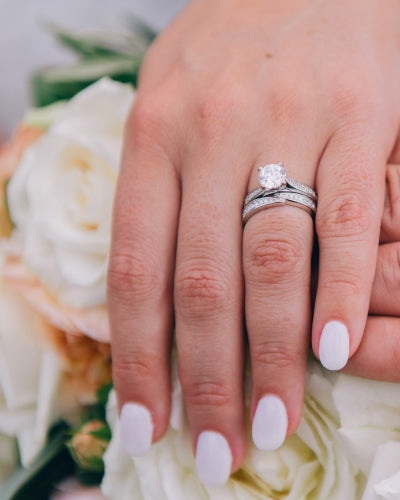
Before purchasing, consider whether the new ring will be worn beside the wedding band. A high setting, wide band, or protruding side stones may leave a gap or rub against the neighboring ring. A contoured or custom-designed band can sometimes create a closer fit.
3.4 Diamond Tennis Bracelet and Stud Earrings
A diamond tennis bracelet paired with stud earrings creates a polished combination for a person who enjoys refined accessories. The bracelet provides continuous sparkle along the wrist, while the earrings maintain a classic silhouette.
Pay particular attention to bracelet length, flexibility, clasp security, and the construction of the links. The number of diamonds alone does not determine comfort or durability.
3.5 Ring, Pendant, and Earring Set
A three-piece set is especially suitable for milestone anniversaries. The ring can serve as the principal gift, with the pendant and earrings extending the design into a coordinated collection.
To prevent the look from becoming overly elaborate, choose one shared element. This could be the same diamond shape, a consistent metal color, a halo setting, or a repeated geometric motif.
3.6 Personalized Jewelry Sets
A personalized set may include a pendant representing a meaningful date, a ring engraved with initials, or pieces selected around a shared memory. Personalization does not need to be complicated. Sometimes a simple, thoughtfully selected design communicates more than an elaborate arrangement.
4. Choosing Lab-Grown Diamond Jewelry by Anniversary Year
Anniversary traditions can provide inspiration, but they are not strict rules. You can choose any jewelry design that feels meaningful to your relationship. The following ideas connect milestone celebrations with different jewelry styles.
| Anniversary | Jewelry suggestion | Design direction |
|---|---|---|
| 1st | Pendant and stud earrings | Delicate, contemporary, versatile |
| 5th | Diamond ring and matching band | Personal, celebratory, wearable |
| 10th | Three-piece diamond set | Refined, coordinated, memorable |
| 15th | Diamond necklace and bracelet | Elegant, polished, occasion-ready |
| 20th | Statement ring and earrings | Distinctive, sophisticated, expressive |
| 25th | Diamond eternity band and pendant | Timeless, symbolic, celebratory |
| 30th | Custom diamond jewelry set | Personalized, enduring, individual |
| 40th | Coordinated necklace and earrings | Classic, distinctive, elegant |
| 50th | Heirloom-inspired diamond set | Meaningful, enduring, sentimental |
First Anniversary: Keep It Personal
The first anniversary is an opportunity to celebrate the beginning of married life. A small pendant, simple studs, or a delicate ring can be a lovely choice. Consider the recipient's preferred metal color and whether she typically wears jewelry every day.
Fifth Anniversary: Add a New Layer of Meaning
A fifth-anniversary gift might introduce a new piece that complements the original wedding jewelry. A diamond band, an oval pendant, or a pair of earrings can expand an existing collection without replacing cherished pieces.
Tenth Anniversary: Celebrate a Major Milestone
A decade together often inspires a more substantial gift. A coordinated set, a redesigned ring, or a piece featuring a distinctive diamond shape can mark the occasion. If the recipient already owns a diamond engagement ring, choose complementary proportions rather than assuming that a larger center stone is necessary.
Twenty-Fifth and Fiftieth Anniversaries: Honor the Shared Story
Long-term anniversaries are particularly suited to jewelry with personal significance. A family-inspired design, a custom engraving, or a coordinated set that reflects an earlier wedding piece can make the gift more intimate.
5. Popular Lab-Grown Diamond Shapes for Anniversary Jewelry
Diamond shape affects the overall personality of a jewelry set. Some shapes are familiar and understated, while others have a more elongated or architectural appearance. The best choice depends on the recipient's style and the design of the finished piece.
Round Brilliant Diamonds
Round brilliant diamonds are a classic choice for earrings, pendants, rings, and bracelets. Their familiar outline makes them easy to coordinate across multiple pieces. They work particularly well for shoppers who value versatility and a traditional appearance.
Oval Diamonds
Oval diamonds create an elongated silhouette that can look graceful in rings and pendants. Oval center stones also pair well with round side stones, making them suitable for coordinated sets with a slightly contemporary feel.
Pear-Shaped Diamonds
Pear-shaped diamonds combine a rounded end with a pointed tip. They can add visual movement to pendants and drop earrings. When selecting a pear-shaped stone, inspect the symmetry and the pointed end's protection within the setting.
Emerald-Cut Diamonds
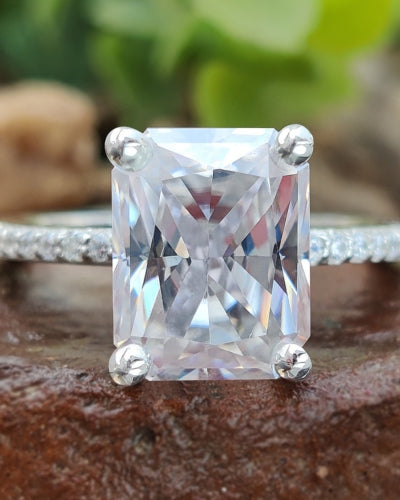
Emerald cuts have a rectangular outline and step-cut facets. Their appeal often comes from clean lines and broad flashes of light rather than the pattern of sparkle associated with brilliant cuts. They suit minimalist, vintage-inspired, and architectural jewelry.
Cushion-Cut Diamonds
Cushion cuts combine a square or rectangular outline with softened corners. Depending on the facet pattern, they can produce a romantic or vintage-inspired look. They are a useful option for shoppers seeking something different from a round brilliant.
Princess-Cut Diamonds
Princess cuts offer a square outline and a modern appearance. They work well in geometric rings and coordinated earrings. Settings should protect the corners, which can be more exposed than the edges of a round stone.
Infographic placeholder comparing round, oval, pear, emerald, cushion, and princess lab-grown diamond shapes

| Diamond shape | Visual character | Suitable jewelry |
|---|---|---|
| Round | Classic and versatile | Studs, pendants, rings, tennis bracelets |
| Oval | Elongated and graceful | Rings, pendants, drop earrings |
| Pear | Distinctive and flowing | Pendants, drops, statement rings |
| Emerald | Clean and architectural | Rings, pendants, earrings |
| Cushion | Soft and romantic | Rings, halo pendants, earrings |
| Princess | Geometric and contemporary | Rings, studs, structured pendants |
6. Choosing the Right Metal Color for a Diamond Jewelry Set
White Gold
White gold creates a bright, neutral background for colorless-looking diamonds. It works well for matching earrings, pendants, rings, and bracelets. White gold is commonly finished with rhodium plating, which may need refreshing over time depending on wear and care.
Yellow Gold
Yellow gold adds warmth and a traditional jewelry appearance. It can be especially attractive for vintage-inspired designs and pieces intended to complement an existing yellow-gold wedding band.
Rose Gold
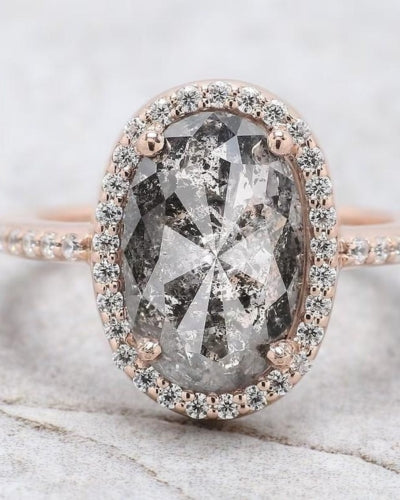
Rose gold offers a warm pink tone that many people associate with romance. It can work beautifully with solitaire pendants, delicate bands, and vintage-style settings. The exact color depends on the alloy composition and manufacturing specifications.
Platinum
Platinum is a naturally white precious metal used in fine jewelry. It is generally denser than gold and may have a different price and weight. Buyers should confirm that a piece is actually made from platinum rather than assuming that a white appearance identifies the metal.
| Metal | Style | What to consider |
|---|---|---|
| White gold | Modern and neutral | Alloy composition and plating maintenance |
| Yellow gold | Warm and classic | Karat, color, and compatibility with existing jewelry |
| Rose gold | Romantic and distinctive | Alloy composition and personal preference |
| Platinum | Cool-toned and substantial | Metal purity, weight, and overall budget |
For the most cohesive result, match the metal colors across the principal pieces. Alternatively, a two-tone design can create an intentional contrast when the shapes and settings share a clear visual connection.
7. How to Match Anniversary Jewelry to Personal Style

For Minimalist Jewelry Lovers
Choose a solitaire pendant, small round studs, or a fine diamond band. Minimalist designs are generally easier to wear frequently and can coordinate with a wide variety of outfits.
For Classic and Traditional Style
Look for round brilliant diamonds, symmetrical settings, simple hoops, and traditional metal colors. A coordinated pendant and earring set is an especially adaptable option.
For Modern and Fashion-Forward Style
Consider oval or emerald-cut diamonds, geometric settings, asymmetrical details, or mixed-metal designs. The goal is to select a distinctive shape without compromising the wearer's comfort.
For Vintage-Inspired Style
Milgrain edges, engraved details, halo settings, and cushion-cut diamonds can evoke earlier jewelry traditions. Look for designs that balance decorative details with secure stone settings and practical wearability.
For Formal and Statement Jewelry
Consider drop earrings, a more prominent pendant, or a tennis bracelet. When combining statement pieces, avoid allowing every item to compete for attention. One focal piece with simpler coordinating jewelry usually creates a balanced result.
8. Understanding Lab-Grown Diamond Quality Before Buying
A coordinated jewelry set should be evaluated as both a collection of diamonds and a finished product. Diamond quality matters, but construction, comfort, metal specifications, and setting security also influence the value of the purchase.
Cut: Brilliance and Light Performance
Cut refers to how well a diamond's proportions, symmetry, and finish contribute to its interaction with light. For round brilliant diamonds, cut quality can have a substantial influence on brightness and sparkle. For fancy shapes, compare the stone's face-up appearance, proportions, symmetry, and light performance rather than relying on shape alone.
Color: The Appearance of the Diamond
Diamond color grading describes how close a stone is to colorless under specified grading conditions. Higher color grades can cost more, but the practical difference depends on the stone, setting, lighting, and the buyer's preferences. Compare diamonds in consistent lighting where possible.
Clarity: Inclusions and Blemishes
Clarity considers internal characteristics and surface features. Not every inclusion is visible without magnification, and not every visible feature has the same effect on beauty or durability. For small accent diamonds in earrings or bracelets, appearance and setting quality should be considered alongside the grading information available.
Carat Weight: Understanding Diamond Size
Carat measures diamond weight, not its exact visible dimensions. Two diamonds of the same carat weight can look different in size because their shapes and proportions differ. For a jewelry set, consider total carat weight as well as the size and distribution of individual stones.
Certification and Product Documentation
For a significant purchase, ask what documentation accompanies the center diamond and whether an independent grading report is available. Confirm the report's identifying details where applicable. A grading report is not the same as a warranty, and documentation for a center stone does not automatically cover every small accent stone in a set.
9. How to Plan a Budget for Anniversary Jewelry Sets
There is no universal amount that couples should spend on an anniversary gift. A sensible budget reflects personal finances, the significance of the occasion, and the recipient's preferences. A carefully chosen pendant and earring set can be as meaningful as a more elaborate collection.
Decide What Matters Most
Begin by choosing your priority. It might be a larger center diamond, a particular precious metal, a coordinated three-piece set, a custom design, or a specific level of diamond documentation. Identifying the priority makes it easier to compare alternatives.
Compare the Complete Product, Not Just the Diamond
The final price may reflect diamond quality, the number of stones, metal purity, design complexity, craftsmanship, finishing, customization, and after-sales services. Two sets with similar total carat weights can differ significantly in construction and appearance.
Budget Planning Example
| Budget approach | Possible purchase strategy | Priority |
|---|---|---|
| Value-focused | Small pendant and matching studs | Versatility and thoughtful design |
| Balanced | Coordinated ring and necklace | Quality and complementary styles |
| Milestone-focused | Three-piece jewelry set | Coordination and presentation |
| Custom-focused | Individually designed pieces | Personalization and specifications |
These categories are planning approaches, not fixed price bands. Obtain current quotes for the exact specifications and currency relevant to your purchase. Include applicable taxes, shipping, resizing, insurance, and maintenance where appropriate.
10. Lab-Grown Diamond Jewelry Set Comparison Chart
Use this comparison to narrow down your options before reviewing individual products.
| Set type | Best for | Everyday versatility | Buying consideration |
|---|---|---|---|
| Pendant and studs | Classic gifting | High | Chain length and earring backing |
| Ring and band | Milestone anniversaries | Depends on design | Fit with existing wedding rings |
| Necklace and drops | Formal celebrations | Moderate | Length, weight, and comfort |
| Tennis bracelet and studs | Refined luxury | Moderate to high | Clasp security and bracelet fit |
| Three-piece set | Major milestones | Varies by pieces | Budget and design coordination |
| Custom set | Personalized gifting | Depends on design | Production time and written specifications |
Advantages of Buying a Coordinated Set
- The pieces are designed to complement one another.
- A single design direction simplifies styling decisions.
- It can be easier to plan a complete anniversary gift.
- Shared motifs can create a consistent appearance across different jewelry types.
Potential Disadvantages
- Some recipients may prefer choosing each piece individually.
- A large set may include items that are rarely worn.
- Matching pieces may limit the flexibility to combine them with existing jewelry.
- Replacing one item later may be difficult if a design is discontinued.
Buying a set is most useful when the recipient will genuinely wear several of its pieces. If she prefers a signature necklace or a particular ring, one exceptional item may be a better choice than a collection purchased only for completeness.
11. Step-by-Step Guide to Buying Lab-Grown Diamond Anniversary Jewelry
Step 1: Identify the Occasion
Decide whether the gift marks an early anniversary, a major milestone, a vow renewal, or a personal celebration. The occasion can guide the design, but it should not dictate a particular spending level.
Step 2: Review Existing Jewelry
Look at the jewelry the recipient wears most often. Notice metal colors, necklace lengths, earring sizes, ring shapes, and whether her style is understated or elaborate. If the gift is a surprise, use these observations rather than relying on assumptions.
Step 3: Choose the Set Combination
Select two or three pieces that suit her habits. For example, pendant and studs are a useful starting point for someone who wears simple jewelry daily. A ring and bracelet may be more suitable for a person who regularly wears both.
Step 4: Set Your Spending Limit
Establish the total amount you are comfortable spending before comparing individual products. Leave room for taxes, shipping, sizing adjustments, or other charges that may apply.
Step 5: Select the Diamond Shape
Choose a shape that complements the recipient's existing jewelry. Round diamonds are versatile, oval diamonds offer an elongated silhouette, and emerald cuts provide a more architectural appearance.
Step 6: Confirm Diamond Specifications
Review the stated stone type, carat weight, color, clarity, cut information where applicable, and any grading report. Confirm whether a listed weight refers to the center stone, total diamond weight, or another measurement.
Step 7: Check Metal Purity and Construction
Confirm the exact metal used in each piece. Check whether the item is solid gold, gold-filled, gold-plated, sterling silver, or platinum. These materials have different compositions, maintenance requirements, and price points.
Step 8: Confirm Sizing and Comfort
Check ring size, bracelet length, necklace length, and earring dimensions. Consider whether the pieces will be worn for long periods and whether their settings could catch on clothing or hair.
Step 9: Review Documentation and Policies
Read the product description, delivery terms, return policy, warranty conditions, and resizing policy. For custom orders, request written confirmation of the design, metal, stones, dimensions, and expected production timeline.
Step 10: Plan the Presentation
Prepare a gift box, a handwritten anniversary note, and a quiet moment to present the jewelry. A thoughtful presentation makes the occasion feel personal without requiring extravagant arrangements.
Infographic placeholder showing ten steps for choosing a lab-grown diamond anniversary jewelry set

12. Personalized Lab-Grown Diamond Anniversary Jewelry Ideas
Engraved Dates and Initials
A date, pair of initials, or short message can turn a familiar jewelry design into a personal keepsake. Confirm the available engraving area and character limit before finalizing the order.
Meaningful Diamond Shapes
Choose a shape that reflects a shared preference or memory. A heart motif can communicate romance, while a clean emerald-cut design may suit a partner who appreciates modern architecture and minimalism.
Coordinated Metal Colors
Use a consistent metal color across the set for a classic appearance. Alternatively, create a deliberate two-tone combination that echoes existing jewelry or the recipient's favorite accessories.
Custom Ring and Pendant Combinations
A custom set can share one central design element without repeating every detail. For example, an oval center stone in a ring could be complemented by a pendant featuring a smaller oval diamond and round accent stones.
Personalization Checklist
- Confirm the spelling of names and initials.
- Check the anniversary date carefully.
- Approve the design and metal specifications in writing.
- Ask whether engraving affects returns or resizing.
- Confirm production and delivery timelines well before the anniversary.
13. How to Present a Lab-Grown Diamond Jewelry Set as an Anniversary Gift
Write a Personal Note
A short message can explain why you chose the jewelry. Mention a shared memory, a quality you admire, or a moment that represents your relationship. A personal message is often more meaningful than a generic description of the gift.
Choose the Right Setting for the Surprise
Consider presenting the jewelry during a quiet dinner, a weekend trip, a family gathering, or a private celebration at home. The best setting depends on whether the recipient enjoys public surprises or prefers intimate moments.
Reveal the Pieces One at a Time
If the set contains several items, present them together or reveal them individually. A pendant followed by matching earrings, for instance, can make the coordinated design feel like a complete story.
Keep the Packaging Practical
Use a secure box that protects the jewelry during storage and travel. Include any relevant product documentation, care instructions, and purchase information in a separate envelope.
14. How to Clean and Maintain Lab-Grown Diamond Jewelry
Lab-grown diamonds have the same fundamental hardness as natural diamonds, but that does not make every jewelry setting indestructible. Prongs, chains, clasps, and metal finishes still require appropriate care.
Clean Gently
For suitable jewelry, use lukewarm water, a small amount of mild soap, and a soft brush. Rinse carefully over a secure basin or container and dry with a soft, lint-free cloth. Avoid harsh chemicals and abrasive cleaning materials.
Check Settings Regularly
Inspect rings, earrings, and bracelets for loose stones, bent prongs, damaged links, or worn clasps. If a diamond moves in its setting, stop wearing the piece until it has been examined by a qualified jeweler.
Store Pieces Separately
Diamonds can scratch other jewelry, and some metal finishes are more vulnerable to marks than others. Store each item in a separate soft compartment or pouch to reduce contact and tangling.
Use Professional Cleaning When Appropriate
Professional inspection and cleaning can help identify wear before it becomes a larger problem. Ask a jeweler before using ultrasonic or steam cleaning, especially if the piece includes delicate settings, other gemstones, treated stones, or construction that may be unsuitable for those methods. Custom Ring Builder
Wear Jewelry Thoughtfully
Remove delicate pieces before strenuous exercise, heavy manual work, swimming, or activities where jewelry could snag or suffer an impact. Follow any care instructions provided for the specific product.
15. Common Mistakes to Avoid When Buying Anniversary Jewelry Sets
Mistake 1: Choosing Only by Carat Weight
A higher carat weight does not automatically mean a more beautiful diamond. Cut quality, shape, proportions, setting, and the recipient's taste also matter.
Mistake 2: Assuming Every White Stone Is a Diamond
Moissanite, cubic zirconia, and other simulants may resemble diamonds but have different properties and compositions. Check that the product description identifies the stone correctly.
Mistake 3: Ignoring Metal Specifications
Gold-plated jewelry is not the same as solid gold. Read the exact metal description for every item in a set and ask for clarification when wording is ambiguous.
Mistake 4: Buying a Set That Is Too Elaborate
A matching collection may look impressive in a product photograph but feel impractical for the recipient. Consider how frequently she wears jewelry and whether the pieces fit her usual wardrobe.
Mistake 5: Forgetting Ring Size
A beautiful ring can become an inconvenience if it does not fit. Verify the size before ordering, particularly when the ring has a complex setting or resizing restrictions.
Mistake 6: Overlooking Delivery Time
Custom jewelry can require additional production time. Place the order early enough to accommodate sizing, shipping, and any requested changes.
Mistake 7: Assuming Lab-Grown Means Resale Value Is Guaranteed
Lab-grown diamond jewelry should primarily be purchased for its beauty, personal meaning, and intended use. Future resale prices are uncertain and depend on market conditions, product specifications, and buyer demand.
16. Three Anniversary Gift Scenarios: Choosing a Set That Fits
The following examples are illustrative shopping scenarios, not verified customer testimonials. They show how different priorities can lead to different jewelry choices.
Scenario A: A Couple Celebrating Their First Anniversary
One partner prefers understated jewelry and wears small earrings every day. The buyer chooses a delicate round diamond pendant with matching studs. The shared shape makes the pieces look coordinated, while the simple design remains suitable for regular wear.
Lesson: For an early anniversary, a versatile set that reflects existing habits can be more successful than a dramatic style change.
Scenario B: A Couple Celebrating Their Tenth Anniversary
The recipient enjoys distinctive rings and already owns a wedding band. The buyer considers an oval lab-grown diamond ring, a complementary band, and a pendant that echoes the oval shape. Before ordering, the buyer checks ring compatibility, diamond documentation, and metal specifications.
Lesson: For a milestone anniversary, use the occasion to add a meaningful piece while ensuring it fits the jewelry the recipient already loves.
Scenario C: A Couple Celebrating Their Twenty-Fifth Anniversary
The recipient prefers classic accessories and frequently wears gold jewelry. The buyer explores a coordinated yellow-gold pendant and earring set, prioritizing comfortable dimensions, secure settings, and a timeless design. A handwritten message references the couple's shared journey.
Lesson: A milestone gift becomes more personal when the design and presentation reflect the couple's actual story.
17. Shopping for Lab-Grown Diamond Anniversary Jewelry at FancyDiamondJewels
When exploring anniversary jewelry, begin by comparing the designs available in the relevant product category. Consider the shape, setting, metal option, stone specifications, and whether the product is offered in the combination you want.
Explore Coordinated Ring Designs
Ring designs can provide inspiration for a complete anniversary gift. A solitaire, halo, or multi-stone ring can serve as the central piece around which you select a pendant or earrings.
Explore the FancyDiamondJewels jewelry collections to compare available styles and identify designs that suit your anniversary plans.
Review Product Specifications Carefully
Read each listing in full. Check whether the item is made with a lab-grown diamond, moissanite, cubic zirconia, or another stone. Verify the selected metal, karat, ring size, total carat weight, and any available documentation before completing your purchase.
Consider a Coordinated Bridal-Style Set
A ring and matching band can be an excellent starting point for an anniversary gift, especially if the recipient prefers jewelry that works with an existing wedding ring. Review the design, proportions, and available options before choosing a combination.
View an oval halo ring-set design for inspiration. Confirm the selected stone option and product specifications directly on the listing; the product title alone should not be treated as confirmation of the selected variant.
Learn More About Lab-Grown Diamond Bridal Sets
Understanding how a coordinated ring and wedding band work together can help you plan a complementary anniversary gift. Review the design principles, setting considerations, and buying checklist before selecting individual pieces.
Read the lab-grown diamond bridal set buying guide for additional ideas about ring combinations and purchasing considerations.
Make the Final Decision with Confidence
Before placing an order, compare the product description with your checklist. Ensure that the selected stones, metal, sizes, and design match your expectations. If a detail is unclear, seek confirmation before purchasing rather than relying on assumptions based on photographs.
Explore Jewelry Collections18. Frequently Asked Questions About Lab-Grown Diamond Anniversary Jewelry Sets
1. What is the best lab-grown diamond jewelry set for a wedding anniversary?
A pendant and matching stud earrings are versatile choices for many recipients. A ring and complementary band can be better for someone who prefers rings, while a necklace, earrings, and bracelet set may suit a major milestone. Choose according to personal style, comfort, and budget.
2. Are lab-grown diamonds real diamonds?
Yes. Lab-grown diamonds have the same fundamental crystal structure and chemical composition as natural diamonds. They differ in origin: lab-grown diamonds are produced using technological processes, whereas natural diamonds form through geological processes.
3. Are lab-grown diamond anniversary gifts less expensive?
Lab-grown diamonds often cost less than comparable natural diamonds. However, the final price of a jewelry set also depends on stone quality, total carat weight, metal, craftsmanship, design complexity, and other product specifications.
4. Which anniversary is best for gifting diamond jewelry?
Diamond jewelry can be given for any anniversary. First, fifth, tenth, twenty-fifth, and fiftieth anniversaries are common occasions for meaningful jewelry gifts, but there is no requirement to wait for a particular milestone.
5. What should a lab-grown diamond jewelry set include?
A set may include a necklace and earrings, a ring and matching band, or a combination of three or more pieces. There is no universal definition, so check which items are included in the specific product listing.
6. Which diamond shape is best for anniversary jewelry?
Round brilliant diamonds are classic and versatile. Oval shapes offer an elongated appearance, pear shapes create a distinctive silhouette, emerald cuts have a clean geometric look, and cushion cuts can feel romantic. The best shape depends on the recipient's preferences.
7. Is a lab-grown diamond jewelry set suitable for everyday wear?
Many designs can be worn regularly, provided their settings and construction suit the intended use. Simple pendants and securely set studs are often practical. Delicate chains, prominent rings, and elaborate pieces may need more care and protection.
8. How do I choose the right metal for an anniversary jewelry set?
Consider the recipient's existing jewelry and skin sensitivities. White gold provides a cool-toned appearance, yellow gold offers warmth, rose gold has a pink hue, and platinum is a naturally white precious metal. Confirm the actual metal composition and purity.
9. How can I verify that a diamond is lab-grown?
Review the product description and request applicable grading documentation. For a graded diamond, check whether the report identifies its laboratory-grown origin and verify the report details when possible. Do not rely solely on visual appearance to determine origin.
10. Can I combine a lab-grown diamond ring with a natural diamond wedding band?
Yes. Lab-grown and natural diamonds can be worn together. Focus on compatible ring profiles, metal colors, setting heights, and comfortable fit rather than assuming that all stones must have the same origin.
11. Are lab-grown diamonds suitable for customized anniversary jewelry?
They can be used in many custom designs, including rings, pendants, earrings, and bracelets. Confirm that the desired shape, size, setting, and metal are available and ask for written approval of the final specifications before production.
12. What is the difference between total carat weight and center-stone carat weight?
Center-stone carat weight refers to the principal diamond's weight. Total carat weight generally combines the weights of the diamonds in a multi-stone piece or set, depending on how the listing defines the term. Always check the product's exact wording.
13. How should I clean lab-grown diamond jewelry at home?
For suitable pieces, use lukewarm water, mild soap, and a soft brush. Rinse carefully and dry with a soft cloth. Avoid harsh chemicals and check the manufacturer's instructions before using ultrasonic cleaners or steam.
14. Is lab-grown diamond jewelry a good gift for a twenty-fifth anniversary?
It can be a meaningful choice. Consider an eternity band, coordinated pendant and earrings, or a custom-designed set that reflects the recipient's style. The significance of the gift comes from its suitability and personal meaning, not a mandatory price or size.
15. Should I buy a complete set or individual jewelry pieces?
A complete set is convenient when the recipient enjoys coordinated jewelry. Individual pieces may offer more flexibility if she has a distinct style or prefers wearing one signature item. Choose based on likely use rather than the number of items included.
16. Do lab-grown diamonds retain their resale value?
Future resale value is uncertain and depends on changing market conditions, the diamond's specifications, the jewelry's condition, and buyer demand. Purchase anniversary jewelry primarily for personal enjoyment and meaning rather than assuming it will appreciate in value.
17. What should I check before ordering an anniversary jewelry set online?
Confirm the exact stone type, metal purity, diamond specifications, product dimensions, sizing options, documentation, delivery timeline, and applicable return or warranty terms. For custom orders, request written confirmation of the finished design.
18. How early should I order a custom anniversary jewelry set?
Order well ahead of the anniversary and allow time for design approval, production, shipping, sizing, and potential adjustments. The appropriate lead time depends on the product and seller, so confirm the expected delivery date before paying.
19. Final Thoughts: Celebrate Your Anniversary with Meaningful Diamond Jewelry
The best lab-grown diamond jewelry sets for wedding anniversaries are not necessarily the largest or most elaborate. They are the pieces that reflect a relationship, suit the recipient's personal style, and feel natural to wear long after the celebration has passed.
A classic pendant and earring combination can become a treasured everyday gift. A diamond ring and matching band can mark a new chapter in a couple's life. A coordinated necklace, earrings, and bracelet can make a milestone anniversary feel especially memorable. Each option offers a different way to celebrate the same idea: a relationship that continues to grow.
Before making your final choice, compare the designs, verify the stone and metal specifications, consider comfort and maintenance, and establish a budget that feels right for you. Take time to personalize the gift through a meaningful design or handwritten note.
With thoughtful selection and careful attention to product details, a lab-grown diamond anniversary jewelry set can become a beautiful reminder of shared experiences, lasting affection, and the memories still waiting to be made.
Your Anniversary Jewelry Checklist
- Choose a set that suits the recipient's everyday style.
- Decide which jewelry pieces will be worn most often.
- Verify that the diamonds are lab-grown and check the available documentation.
- Confirm metal purity, sizes, dimensions, and setting details.
- Review delivery, returns, resizing, and warranty terms.
- Make the gift personal with a thoughtful message or meaningful design.


Dejar un comentario
Este sitio está protegido por hCaptcha y se aplican la Política de privacidad de hCaptcha y los Términos del servicio.