
What Is September’s Birthstone jewelry? Sapphire Meaning, Colors & History
September’s birthstone is sapphire, one of the world’s most admired gemstones and a timeless choice for meaningful jewelry. Best known for its rich blue color, sapphire is actually available in a remarkable range of shades, from soft pink and yellow to green, violet, white, and rare orange-pink tones.
For centuries, sapphire has been associated with qualities such as wisdom, loyalty, sincerity, protection, truth, and lasting commitment. That combination of beauty, symbolism, and impressive durability makes sapphire especially meaningful for September birthdays, anniversaries, promise rings, engagement rings, wedding jewelry, and personalized gifts.

Table of Contents
- What Is September’s Birthstone?
- Why Is Sapphire September’s Birthstone?
- Sapphire Meaning and Symbolism
- History of Sapphire
- Ancient Sapphire Symbolism
- Sapphire Colors Explained
- Blue Sapphire
- Pink Sapphire
- Yellow Sapphire
- Padparadscha Sapphire
- Fancy-Color Sapphires
- Natural vs. Treated Sapphire
- Lab-Created Sapphire
- Sapphire Durability and Hardness
- How Sapphire Is Cut
- Sapphire Clarity
- What Determines Sapphire Value?
- How to Buy September Birthstone Jewelry
- How to Choose a September Birthstone Ring
- How to Choose a Sapphire Necklace
- How to Choose Sapphire Earrings
- Sapphire Engagement Rings
- Best Metals for Sapphire Jewelry
- Best Sapphire Ring Settings
- September Birthstone Gift Ideas
- How to Clean and Care for Sapphire Jewelry
- Common Sapphire Buying Mistakes
- Sapphire Jewelry Examples and Buying Scenarios
- Pros and Cons of Sapphire Jewelry
- Frequently Asked Questions
- Final Thoughts
What Is September’s Birthstone?
The traditional September birthstone is sapphire. Sapphire is a gemstone variety of the mineral corundum and is most famous for its blue color. However, the word sapphire does not automatically mean blue. Corundum gemstones in colors other than red are generally called sapphires, while red corundum is known as ruby.
This distinction is important because September birthstone jewelry does not have to be limited to traditional royal-blue designs. Someone celebrating a September birthday can choose a blue sapphire, pink sapphire, yellow sapphire, white sapphire, green sapphire, violet sapphire, or another attractive fancy-color variety.
Sapphire is particularly appealing for jewelry because it combines strong visual identity with excellent durability. It is hard enough for many types of everyday jewelry, while its wide color range allows designers to create traditional, romantic, modern, vintage-inspired, and highly personalized pieces.
Quick Sapphire Facts
| Feature | Sapphire |
|---|---|
| September birthstone | Yes |
| Mineral family | Corundum |
| Most famous color | Blue |
| Other colors | Pink, yellow, green, violet, white and more |
| Red variety of corundum | Ruby |
| Mohs hardness | Approximately 9 |
| Popular jewelry | Rings, earrings, necklaces, bracelets and engagement rings |
| September symbolism | Wisdom, loyalty, sincerity and protection |
Why Is Sapphire September’s Birthstone?
Birthstones developed through a combination of cultural traditions, historical associations, religious symbolism, and later standardized jewelry traditions. Sapphire became strongly associated with September and has remained one of the most recognizable birthstones in modern jewelry.
Its symbolism also makes the gemstone particularly suitable for a birthstone. Sapphire has long been connected with qualities that people naturally associate with meaningful relationships: loyalty, trust, sincerity, wisdom, and commitment.
That emotional connection helps explain why sapphire remains popular beyond birthday jewelry. A September birthstone ring can become an everyday reminder of a birthday, family relationship, friendship, milestone, or personal achievement.
Sapphire Meaning and Symbolism
Sapphire meaning is often connected with wisdom, truth, loyalty, sincerity, protection, and faithfulness. While gemstone symbolism varies across cultures and historical periods, these themes have remained closely associated with sapphire for generations.
Wisdom
Sapphire is traditionally associated with clear thinking and wisdom. This makes a sapphire birthstone gift particularly appropriate for someone beginning a new chapter of life, celebrating an academic achievement, or marking an important birthday.
Loyalty and Faithfulness
Blue sapphire has a long-standing association with loyalty and devotion. That symbolism gives sapphire special appeal in engagement rings and anniversary jewelry.
Protection
Historical traditions have sometimes treated sapphire as a protective gemstone. Although gemstone symbolism should not be confused with scientifically proven effects, this history contributes to the emotional story behind sapphire jewelry.
Sincerity and Truth
The clean, deep appearance of blue sapphire has often been associated symbolically with honesty and sincerity. For this reason, sapphire can be a thoughtful choice for a promise ring or sentimental gift.
History of Sapphire
The history of sapphire reaches back thousands of years. Ancient civilizations valued colored gemstones for their beauty, rarity, and symbolic significance, and sapphire gradually became associated with royalty, spirituality, protection, and prestige.
Blue sapphire has been especially admired because of its intense color. Historically, deep blue stones were visually distinctive and could be incorporated into ceremonial objects, personal ornaments, and important jewelry.
Over time, sapphire became closely connected with royal and formal jewelry. Its durability also helped it survive as an heirloom gemstone. A carefully maintained sapphire ring or necklace can remain beautiful for generations, making the stone especially appropriate for jewelry with sentimental value.
Why Sapphire Has Lasted Through Jewelry History
- Its strong blue color creates immediate visual recognition.
- Its hardness makes it suitable for many jewelry applications.
- It is available in numerous colors.
- Its symbolism is compatible with love, loyalty and wisdom.
- Its appearance works with both classic and contemporary designs.
- It can be used as a central gemstone or an accent stone.
Ancient Sapphire Symbolism
Sapphire has accumulated a rich symbolic history across different cultures. Blue gemstones were frequently connected with the sky, spirituality, truth, and protection. These associations helped sapphire become more than a decorative stone.
Historical symbolism should always be understood in context rather than treated as a universal belief. Different societies assigned different meanings to gemstones, and modern buyers may interpret sapphire in their own way.
Today, the most useful approach is to treat sapphire symbolism as a source of storytelling. A September birthstone ring can represent a person's birthday, a relationship, a personal achievement, or a promise for the future.
Sapphire Colors Explained
When people hear “sapphire,” they usually imagine a rich blue gemstone. However, sapphire colors extend far beyond blue. The range includes pink, yellow, green, violet, white, orange-pink and other hues.
| Sapphire Color | Visual Character | Popular Jewelry Style |
|---|---|---|
| Blue | Classic, rich and elegant | Engagement rings, heirloom rings |
| Pink | Romantic and feminine | Birthstone rings, fashion jewelry |
| Yellow | Warm and vibrant | Gold rings, statement jewelry |
| Green | Natural and distinctive | Alternative gemstone rings |
| Violet | Rich and dramatic | Statement rings |
| White | Clean and understated | Minimalist jewelry |
| Orange-Pink | Rare and expressive | Collector and luxury jewelry |
Blue Sapphire: The Classic September Birthstone
Blue sapphire is the traditional image of September’s birthstone. Its color can range from light blue to deep, saturated blue, with the exact appearance influenced by the gemstone's composition, origin, treatment, cut, and lighting.
A beautiful blue sapphire does not need to be almost black to look valuable. In jewelry, the ideal color is a matter of preference as well as quality. Some buyers prefer a vivid medium-blue appearance, while others love a darker, dramatic tone.
How to Choose a Blue Sapphire
- Decide whether you prefer light, medium, or deep blue.
- Look at the stone under more than one lighting condition when possible.
- Check whether the color appears reasonably even across the stone.
- Consider the cut and proportions rather than color alone.
- Ask whether the gemstone has received treatment.
- Consider the setting and metal color together with the sapphire.
Pink Sapphire
Pink sapphire offers a softer interpretation of the September birthstone. Its color can range from delicate pastel pink to stronger, more saturated shades.
Pink sapphire works especially well with rose gold, yellow gold, and white metal. It is a beautiful choice for someone who loves the symbolism of a September birthstone but wants something less traditional than blue.
Who Should Choose Pink Sapphire?
- Someone who prefers romantic jewelry.
- A September birthday celebrant who dislikes traditional blue.
- Someone creating a feminine engagement ring.
- A buyer looking for a colored gemstone with strong personal character.
- Anyone who enjoys rose-gold jewelry and warm color combinations.
Yellow Sapphire
Yellow sapphire introduces a warm, sunny character to September birthstone jewelry. It can range from pale yellow to richer golden tones and pairs beautifully with yellow gold.
Yellow sapphire can be especially attractive when the goal is to create a birthstone ring that feels bright, distinctive, and personal without relying on traditional blue.
Padparadscha Sapphire
Padparadscha sapphire is among the most distinctive sapphire varieties, prized for its delicate balance of pink and orange tones. The color is often compared with warm sunset or peach-like hues.
Because its color character is so specific, padparadscha-style jewelry can feel exceptionally special. It is often chosen by buyers who want a September birthstone with a rare and unusual appearance.
Why Color Precision Matters
With highly distinctive sapphire colors, subtle differences in hue and saturation can dramatically change the visual appearance. Buyers should therefore evaluate the actual gemstone rather than relying only on a product name.
Fancy-Color Sapphires
“Fancy-color sapphire” is a useful term for sapphires that are not the traditional blue variety. These stones expand the creative possibilities of September birthstone jewelry.
Fancy-color sapphire can be used for a colorful solitaire, a multi-stone ring, a gemstone pendant, earrings, or a custom engagement ring. The right choice depends on personal taste rather than a rule that says September jewelry must be blue.
Natural vs. Treated Sapphire
When purchasing sapphire, one of the most important questions is whether the stone is natural and whether it has received any treatment.
Natural Sapphire
A natural sapphire formed through geological processes. Natural stones can contain inclusions and variations that reflect their formation history.
Treated Sapphire
Some sapphires receive treatments intended to improve color and/or clarity. Treatment is not automatically a negative; however, it is an important part of understanding what you are buying and how the gemstone should be cared for.
Buying Checklist
- Ask whether the sapphire is natural or lab-created.
- Ask whether it has been treated.
- Request available documentation when appropriate.
- Compare the actual stone's color and appearance.
- Understand the care recommendations for the specific gemstone.
Lab-Created Sapphire
Lab-created sapphire is sapphire material produced through controlled laboratory processes rather than geological formation. It can offer buyers a consistent color and an accessible way to enjoy the visual character of sapphire.
The key is transparency. Natural sapphire and lab-created sapphire are different purchasing categories, so the description should clearly identify which type is being offered.
| Factor | Natural Sapphire | Lab-Created Sapphire |
|---|---|---|
| Formation | Natural geological process | Controlled laboratory process |
| Appearance | Can be exceptionally beautiful | Can offer attractive consistent color |
| Inclusions | May contain natural inclusions | May show laboratory-related characteristics |
| Availability | Depends on natural supply | Controlled production |
| Buyer priority | Natural origin and rarity | Color, consistency and accessibility |
Sapphire Durability and Hardness
Sapphire ranks approximately 9 on the Mohs scale of hardness, making it one of the harder gemstones commonly used in jewelry. Only diamond is higher on the traditional Mohs scale.
This hardness is one reason sapphire works particularly well for rings and other jewelry that may receive regular wear. However, hardness does not mean indestructibility. A gemstone can still chip or suffer damage from a strong impact, and the setting surrounding it also needs protection.
Is Sapphire Good for Everyday Wear?
Generally, sapphire is a strong choice for everyday jewelry when the gemstone is properly set and cared for. A secure setting, sensible lifestyle habits, and regular inspection can help preserve the ring or jewelry piece.
How Sapphire Is Cut
The cut of a sapphire influences how its color, brilliance, proportions, and overall personality appear. Popular shapes include oval, cushion, round, pear, emerald, radiant, and other custom silhouettes.
Oval Sapphire
Oval sapphires are elegant and versatile. Their elongated shape can create a graceful visual line on the finger.
Cushion Sapphire
Cushion cuts combine softened corners with a classic outline. They work especially well in vintage-inspired and romantic settings.
Round Sapphire
Round sapphires offer balanced symmetry and a traditional appearance. They are excellent for buyers who prefer timeless proportions.
Pear Sapphire
Pear-shaped sapphires combine a rounded end with a pointed tip, creating a distinctive silhouette that can look beautiful in pendants and engagement rings.
Sapphire Clarity
Clarity is important, but sapphire should not always be evaluated using exactly the same visual expectations as a diamond. Natural sapphires commonly contain inclusions, and some inclusions can help indicate natural formation.
The practical goal is to find a gemstone whose inclusions do not significantly distract from the beauty, durability, or overall appearance of the stone.
What to Look For
- Inclusions that are not overly distracting.
- A gemstone that looks attractive at normal viewing distance.
- No obvious durability concerns.
- Good overall color distribution.
- A cut that complements the gemstone's natural characteristics.
What Determines Sapphire Value?
Sapphire value depends on multiple factors. Color is usually one of the most important considerations, but origin, treatment, clarity, cut, carat weight, rarity, and market demand can also influence value.
| Factor | Why It Matters |
|---|---|
| Color | Hue, saturation and tone strongly affect visual appeal. |
| Origin | Some origins can carry additional market significance. |
| Treatment | Treatment history affects classification, value and care. |
| Clarity | Distracting inclusions can reduce visual appeal. |
| Cut | Influences color presentation, symmetry and beauty. |
| Carat weight | Larger attractive stones can become considerably rarer. |
| Rarity | Unusual colors and exceptional quality can command premiums. |
How to Buy September Birthstone Jewelry: Step-by-Step
Buying September birthstone jewelry becomes much easier when you separate emotional preferences from technical considerations.
Step 1: Decide What the Jewelry Should Represent
Is the piece a birthday gift, engagement ring, anniversary gift, family keepsake, or everyday accessory? The purpose should guide the design.
Step 2: Choose the Sapphire Color
Blue is the classic choice, but do not overlook pink, yellow, green, white, violet, or other fancy colors.
Step 3: Choose the Jewelry Type
- Ring for a highly personal everyday symbol.
- Necklace for a versatile birthday gift.
- Earrings for elegant daily or occasion wear.
- Bracelet for a subtle luxury statement.
- Engagement ring for a meaningful alternative to a traditional diamond center stone.
Step 4: Select the Metal
Compare yellow gold, rose gold, white gold, and other available metal options with the sapphire's color.
Step 5: Review the Stone Details
Confirm gemstone type, color, treatment information, dimensions, carat weight, cut, and available documentation.
Step 6: Consider the Setting
The setting determines both style and protection. Choose a design that fits the recipient's lifestyle.
Step 7: Confirm Size and Customization
For rings, confirm the correct size. For custom pieces, confirm the stone dimensions, metal, setting style, engraving, and finishing details before production.
How to Choose a September Birthstone Ring
A September birthstone ring can be as simple or elaborate as you want. For everyday wear, a low-profile solitaire or bezel design can be practical. For special occasions, a halo, three-stone, or vintage-inspired design can create a more dramatic effect.
| Style | Best For | Visual Effect |
|---|---|---|
| Solitaire | Minimalists | Focuses attention on sapphire |
| Halo | Glamorous style | Creates extra visual presence |
| Three-stone | Romantic symbolism | Balanced and meaningful |
| Bezel | Active lifestyles | Clean and protective |
| Pavé | Maximum sparkle | Decorative and luxurious |
| Vintage-inspired | Old-world style | Detailed and romantic |
How to Choose a September Birthstone Necklace
A sapphire necklace is one of the easiest ways to wear a September birthstone without worrying about ring size. A small sapphire pendant can be understated enough for everyday wear, while a larger gemstone can become a statement piece.
Three Easy Necklace Styles
- Solitaire pendant: Ideal for classic elegance.
- Halo pendant: Adds additional sparkle around the center sapphire.
- Personalized pendant: Combines the birthstone with initials, dates, or other meaningful elements.
How to Choose Sapphire Earrings
Sapphire earrings are a particularly versatile September birthday gift. Studs are subtle and easy to wear, while drop earrings offer more movement and visual drama.
For everyday jewelry, consider smaller stones and secure settings. For formal occasions, larger sapphires or sapphire-and-diamond combinations can create a more luxurious effect.
Sapphire Engagement Rings
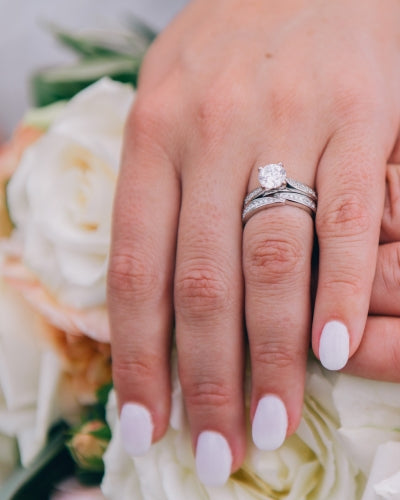
A sapphire engagement ring is an excellent choice for someone who wants color and symbolism in the center stone. Sapphire's durability, distinctive appearance, and association with loyalty make it particularly compelling for engagement jewelry.
A sapphire engagement ring can also be personalized with diamond accents, contrasting metals, vintage detailing, hidden gemstones, or a custom band.
For shoppers who want to explore colored-stone ring designs, a selection of sapphire and gemstone styles can be found through FancyDiamondJewels' ring collection.
Blue Sapphire vs Diamond Engagement Ring
| Feature | Blue Sapphire | Diamond |
|---|---|---|
| Primary visual appeal | Color | Brilliance and light return |
| September symbolism | Strong | Not the traditional September birthstone |
| Hardness | Approximately 9 Mohs | 10 Mohs |
| Color choices | Many sapphire colors | Primarily colorless with fancy colors available |
| Personality | Distinctive and colorful | Classic and highly recognizable |
Best Metals for Sapphire Jewelry
Yellow Gold
Yellow gold creates a warm contrast with blue sapphire and is particularly attractive for vintage-inspired jewelry. It also complements yellow and golden sapphire beautifully.
Rose Gold
Rose gold creates a romantic combination with pink sapphire and can soften the contrast of a deep blue gemstone.
White Gold
White gold offers a clean, contemporary appearance. It can make blue sapphire look crisp and sophisticated.
Mixed Metals
Mixed-metal designs allow the wearer to combine warmth and coolness in one piece. This can be particularly effective for modern customized jewelry.
Best Sapphire Ring Settings
The setting is more than a design choice. It affects how securely the gemstone is held and how much of the sapphire is visible.
Prong Setting
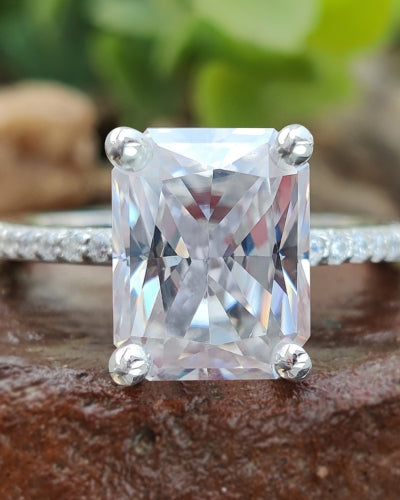
Prongs expose more of the gemstone and can allow light to interact with the stone from different directions. They create a classic engagement-ring appearance.
Bezel Setting
A bezel surrounds the gemstone with metal and provides a clean, modern silhouette. It can be a useful choice for people who want a more protected profile.
Halo Setting
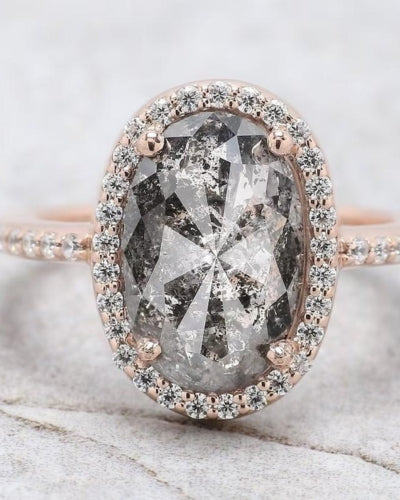
A halo places smaller accent stones around the center sapphire. It increases the visual footprint of the center stone and creates additional sparkle.
Three-Stone Setting
A three-stone design offers an appealing symbolic structure and allows sapphire to be combined with diamonds or other gemstones.
For additional inspiration about ring settings and how they influence a gemstone's appearance, explore the ring setting guide.
September Birthstone Gift Ideas
If you are shopping for someone born in September, the best gift is usually one that balances the symbolism of the birthstone with the recipient's personal style.
- Classic blue sapphire solitaire ring.
- Delicate sapphire pendant.
- Small sapphire stud earrings.
- Pink sapphire ring for a romantic style.
- Yellow sapphire ring for a warm, colorful look.
- Sapphire and diamond anniversary ring.
- Custom September birthstone engagement ring.
- Vintage-inspired sapphire jewelry.
- Birthstone stacking band.
- Personalized sapphire jewelry with an engraving.
How to Clean and Care for Sapphire Jewelry
Good sapphire care is straightforward, but jewelry should always be treated according to the specific gemstone, treatment history, and setting.
Simple At-Home Cleaning Routine
- Place lukewarm water in a small bowl.
- Add a small amount of mild soap.
- Allow the jewelry to soak briefly.
- Use a very soft brush to clean around the setting.
- Rinse carefully with clean water.
- Dry with a soft lint-free cloth.
- Inspect the setting before wearing the jewelry again.
What to Avoid
- Harsh household chemicals.
- Rough abrasive materials.
- Strong impacts against hard surfaces.
- Leaving jewelry loose with other pieces where stones can scratch settings or surfaces.
- Using an aggressive cleaning method without understanding whether the sapphire has been treated.
Storage
Store sapphire jewelry separately when possible. A soft jewelry pouch or individual compartment helps reduce unnecessary contact with other pieces.
Common Sapphire Buying Mistakes
Mistake 1: Assuming Every Sapphire Is Blue
Blue is classic, but fancy-color sapphires provide many more possibilities.
Mistake 2: Choosing Only by Carat Weight
A larger sapphire is not automatically more beautiful. Color, cut, clarity, proportions, and overall appearance matter.
Mistake 3: Ignoring Treatment Information
Always understand whether a sapphire has been treated and whether that affects care or value.
Mistake 4: Forgetting the Setting
A beautiful gemstone can still be unsuitable for a particular lifestyle if the setting is too exposed or impractical.
Mistake 5: Buying Without Considering Color Compatibility
Think about the recipient's wardrobe, skin-tone preferences, existing jewelry, and favorite metal before choosing a sapphire color.
Sapphire Jewelry Examples and Buying Scenarios
Case Study 1: The September Birthday Gift
A buyer wants a meaningful gift for a partner's September birthday but knows the recipient prefers understated jewelry. Instead of selecting a large statement piece, the buyer chooses a small blue sapphire pendant in a simple setting. The result is a piece that communicates the birthstone symbolism while remaining practical for everyday wear.
Case Study 2: The Alternative Engagement Ring
A couple wants an engagement ring that feels traditional but is more colorful than a standard diamond solitaire. A medium-blue sapphire becomes the center stone, surrounded by small diamond accents. The design keeps the classic engagement-ring structure while giving the ring a highly individual identity.
Case Study 3: The Non-Traditional September Birthday
A September birthday celebrant loves warm colors and rarely wears blue. A yellow sapphire becomes a better choice than traditional blue because the gemstone still represents September while matching the person's existing jewelry collection.
Case Study 4: The Heirloom-Inspired Ring
A buyer wants a ring that looks as though it could have been passed through the family for generations. An oval blue sapphire, warm gold metal, delicate detailing, and a classic setting create an old-world appearance while allowing the piece to be newly made and personalized.
Pros and Cons of Sapphire Jewelry
| Pros | Cons |
|---|---|
| Traditional September birthstone | Quality varies considerably between stones |
| Approximately 9 Mohs hardness | Treatment information may require careful review |
| Wide range of colors | Premium rare colors can become expensive |
| Strong symbolism | Some buyers may prefer diamond's neutral appearance |
| Excellent for personalized jewelry | Color preferences are highly subjective |
| Suitable for many ring designs | Individual gemstones can have different inclusion patterns |
September Sapphire Jewelry: Styling Ideas

September birthstone jewelry can be styled in ways ranging from minimal to dramatic. A tiny sapphire pendant can work with everyday clothing, while a larger sapphire ring can become the focal point of an evening outfit.
Minimalist Styling
Pair a small sapphire pendant with simple gold jewelry. Keep the rest of the look clean so the gemstone remains the visual accent.
Layered Styling
Combine a sapphire pendant with fine chains of different lengths. Keep the colors coordinated for a polished result.
Statement Styling
Use a larger sapphire ring or bold earrings as the centerpiece and keep other jewelry understated.
Bridal Styling
Sapphire can be incorporated into bridal jewelry as a center stone, accent stone, hidden gemstone, or meaningful September birthstone detail.
How to Personalize September Birthstone Jewelry
Customization turns a standard birthstone concept into a personal story. Consider combining sapphire with an engraving, a meaningful date, initials, a distinctive gemstone cut, or a metal color associated with the recipient.
For example, a September birthday ring could feature an oval sapphire, a delicate pavé band, and an engraved date inside the shank. An engagement ring could use sapphire as the center stone and include small diamonds representing important milestones.
Customization is especially useful when a buyer wants a piece that is not simply “September jewelry” but something created around a particular person.
September Birthstone vs Other Birthstones
| Month | Common Birthstone | Signature Color | |
|---|---|---|---|
| January | Garnet | Red | |
| February | Amethyst | Purple | |
| March | Aquamarine | Blue | |
| April | Diamond | Colorless | |
| May | Emerald | Green | |
| June | Pearl / Alexandrite | White / Color-change | |
| July | Ruby | Red | |
| August | Peridot | Green | |
| September | Sapphire | Blue and many fancy colors | |
| October | Opal / Tourmaline | Multicolor / Pink and other colors | |
| November | Topaz / Citrine | Blue, yellow and warm tones | |
| December | Turquoise / Tanzanite | Blue and blue-green |
Why September Birthstone Jewelry Makes a Meaningful Gift
Birthstone jewelry combines three powerful qualities: personalization, symbolism, and wearability. Instead of giving a generic gift, the buyer can choose something directly connected with the recipient's birth month.
Sapphire adds another layer because its symbolism naturally fits milestones and relationships. Wisdom can represent a new chapter, loyalty can represent a relationship, and protection can represent a heartfelt wish for someone's future.
This is why a sapphire gift can work for birthdays, anniversaries, graduations, engagements, weddings, and other important moments.
How to Choose the Perfect September Birthstone Jewelry for Her
- Check her current jewelry. Does she wear yellow gold, rose gold, or white metal?
- Look at her favorite colors. Do not assume blue is her favorite simply because sapphire is September's traditional birthstone.
- Consider her lifestyle. An active person may benefit from a secure, low-profile ring.
- Choose the jewelry category. Ring, necklace, earrings, bracelet, or custom piece.
- Choose the sapphire color. Blue is classic; fancy colors are more distinctive.
- Consider the gemstone shape. Oval and cushion are classic, while pear and geometric shapes can feel more contemporary.
- Personalize the details. Consider engraving, accent stones, or a custom setting.
Infographic: September Sapphire at a Glance
September birthstone sapphire infographic showing sapphire meaning colors history and jewelry facts

Infographic content: September Birthstone → Sapphire → Meaning: Wisdom, Loyalty, Sincerity → Classic Color: Blue → Other Colors: Pink, Yellow, Green, Violet and More → Hardness: Approximately 9 Mohs → Popular Jewelry: Rings, Necklaces, Earrings and Engagement Rings.
Infographic: Sapphire Color Guide
Sapphire colors guide showing blue pink yellow green violet and fancy-color sapphires
Expert-Inspired Buying Perspective
When evaluating a gemstone for jewelry, the most useful approach is to consider the complete combination rather than chasing a single specification. A sapphire that looks beautiful in the actual setting can be a better choice for the wearer than a technically larger stone that does not match their preferred color or design.
In practical jewelry selection, proportion matters. The gemstone should work with the finger, setting, band width, metal color, and intended lifestyle. This is especially important for sapphire because its color becomes a central design element rather than merely a source of sparkle.
For custom jewelry, the most successful results typically begin with the wearer's preferences: desired color, shape, metal, lifestyle, budget, and symbolism. Once these are clear, the gemstone and setting can be selected as a unified design rather than as separate decisions.
Explore Sapphire-Inspired Jewelry Styles
If you are exploring colored gemstone jewelry, engagement rings, or alternative gemstone styles, you can browse available designs through FancyDiamondJewels.
For buyers interested in distinctive gemstone ring designs, the collection includes styles featuring sapphire and other colorful gemstones in different shapes and settings.
Explore Jewelry CollectionsFrequently Asked Questions About September’s Birthstone
1. What is September’s birthstone?
September’s traditional birthstone is sapphire. Blue sapphire is the best-known variety, but sapphire also occurs in many other colors.
2. What does September birthstone sapphire mean?
Sapphire is traditionally associated with wisdom, loyalty, sincerity, truth, faithfulness, and protection. These meanings make sapphire a popular choice for meaningful gifts and relationship jewelry.
3. Is sapphire always blue?
No. Blue is the classic sapphire color, but sapphires can also be pink, yellow, green, violet, white, orange-pink, and other colors.
4. Is sapphire a good gemstone for an engagement ring?
Yes. Sapphire's approximately 9 Mohs hardness makes it a durable gemstone for many engagement-ring designs. The setting should still be selected according to the wearer's lifestyle.
5. What is the most popular sapphire color?
Blue sapphire is the most recognizable and traditionally popular sapphire color. The preferred shade can range from lighter blue to rich, saturated blue.
6. What is a fancy-color sapphire?
Fancy-color sapphire generally refers to sapphire in colors other than the traditional blue, including pink, yellow, green and violet varieties.
7. Is pink sapphire a September birthstone?
Yes. Sapphire is the September birthstone regardless of whether the sapphire is blue or another recognized sapphire color.
8. Is yellow sapphire a September birthstone?
Yes. Yellow sapphire is a color variety of sapphire and can be used as September birthstone jewelry.
9. Is sapphire harder than emerald?
Sapphire ranks approximately 9 on the Mohs scale, while emerald is generally softer. Hardness is only one part of gemstone durability, so the setting and individual gemstone characteristics also matter.
10. Can sapphire be worn every day?
Sapphire is generally well suited to everyday jewelry because of its high hardness. However, it should still be protected from severe impacts, chemicals, and unnecessary abrasion.
11. How should I clean a sapphire ring?
A mild soap solution, lukewarm water, and a soft brush can be appropriate for many sapphire jewelry pieces. Always consider the gemstone's treatment and setting before using a cleaning method.
12. Is natural sapphire better than lab-created sapphire?
Neither is automatically “better” for every buyer. Natural sapphire appeals to shoppers who value natural geological origin, while lab-created sapphire can provide consistent material and an accessible alternative. Transparency about origin is essential.
13. What is the best sapphire shape for an engagement ring?
Oval, cushion, round, pear, emerald, and radiant shapes can all work beautifully. The best shape depends on the desired style, finger proportions, setting, and personal preference.
14. Does sapphire make a good September birthday gift?
Yes. Sapphire is directly associated with September, making sapphire rings, necklaces, earrings, and other jewelry meaningful birthday gifts.
15. Can a sapphire engagement ring be customized?
Yes. Sapphire can be incorporated into custom designs with different cuts, metal colors, accent stones, settings, band profiles, and personalized details.
16. What metal looks best with blue sapphire?
Blue sapphire can look beautiful with yellow gold, rose gold, white gold, and other metals. White metals create a crisp contemporary appearance, while yellow gold creates warmer contrast.
Final Thoughts: Why Sapphire Is the Perfect September Birthstone
Sapphire is September's birthstone, but its appeal goes far beyond its calendar association. Its rich history, symbolic meaning, impressive hardness, and extraordinary range of colors make it one of the most versatile gemstones available for personal jewelry.
Blue sapphire remains the timeless classic, but September-born jewelry lovers are not limited to blue. Pink, yellow, green, violet, white, and other fancy-color sapphires allow each person to interpret the birthstone in a way that matches their personality.
When choosing September birthstone jewelry, focus on the complete design: gemstone color, cut, clarity, treatment, setting, metal, lifestyle, and personal meaning. A beautiful sapphire is not simply a gemstone—it can become a reminder of a birthday, a relationship, a promise, or an important moment in life.
Whether you are looking for a delicate September birthstone necklace, a sapphire ring, elegant earrings, or a distinctive sapphire engagement ring, the most meaningful choice is one that feels personal to the person who will wear it.
- Confirm that sapphire is the gemstone you want.
- Choose the color that best matches the recipient.
- Review cut, proportions and overall appearance.
- Understand natural, treated, or lab-created origin.
- Select a secure and lifestyle-appropriate setting.
- Choose a metal that complements the sapphire.
- Confirm ring size where applicable.
- Consider customization for an extra personal touch.
- Keep documentation and care information with the jewelry.
For more gemstone-inspired jewelry and custom ring ideas, visit FancyDiamondJewels.
Shop September Birthstone JewelryAbout This Guide
This guide is designed to help September-born jewelry lovers and gift buyers understand sapphire from both a gemstone and jewelry-design perspective. It covers the most important considerations before purchasing a September birthstone piece, from color and symbolism to durability, setting, customization, and care.


Dejar un comentario
Este sitio está protegido por hCaptcha y se aplican la Política de privacidad de hCaptcha y los Términos del servicio.