
Artículo: Gen Z vs. Millennials: How Girls' Jewelry Trends Are Changing
Gen Z vs. Millennials: How Girls' Jewelry Trends Are Changing
Jewelry has always been more than a beautiful accessory. It can celebrate a milestone, preserve a memory, express individuality, represent a relationship, or simply make an ordinary day feel special. However, the way younger women choose, style, and value their jewelry is evolving. What once revolved around traditional gifts, coordinated sets, and special-occasion pieces is increasingly sharing space with personalized rings, layered necklaces, unconventional diamonds, vintage-inspired designs, and jewelry worn every day.
Two generations are helping shape this transformation: Generation Z and millennials. Although their tastes overlap, they often approach jewelry from different perspectives. Gen Z women tend to explore trends through digital inspiration, experimental styling, and expressive combinations. Millennial women often balance personal style with versatility, craftsmanship, sentimental value, and long-term wearability. Neither generation follows a single formula, but their preferences reveal fascinating changes in how modern women experience fine jewelry.
From distinctive salt and pepper diamond rings to delicate gold necklaces and sculptural earrings, the modern jewelry wardrobe is becoming more individual. The most exciting shift is not simply what women wear. It is the growing freedom to decide what jewelry means to them.
This guide explores Gen Z vs. millennial jewelry trends, the differences between their styling habits, the growing popularity of personalized diamond jewelry, and practical ways to choose pieces that feel current without losing their timeless appeal.
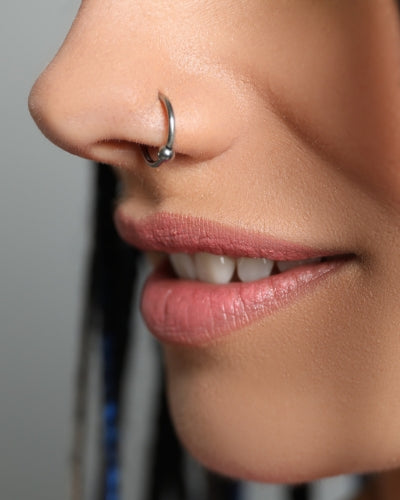
Editorial jewelry inspiration featuring modern diamond rings, delicate gold necklaces, and contemporary women's jewelry styling

1. The Changing Landscape of Women's Jewelry
For generations, jewelry was often purchased around recognizable milestones: engagements, weddings, anniversaries, birthdays, graduations, and family celebrations. Traditional pieces such as diamond solitaires, pearl earrings, gold chains, and coordinated jewelry sets remain important, but modern consumers have broadened the occasions on which they wear and purchase jewelry.
A woman might now buy herself a diamond ring after completing a professional qualification, choose a birthstone pendant to remember a loved one, or purchase distinctive earrings simply because they complement her personal style. Jewelry is becoming part of everyday self-expression rather than something reserved exclusively for formal occasions.
From occasional accessories to personal collections
Instead of depending on a single signature piece, many younger women build collections that evolve with their lives. These collections might include a minimalist necklace for daily wear, a bold ring for evenings, small hoops for work, and a sentimental pendant for special moments.
This approach makes jewelry more adaptable. Pieces can be combined, separated, restyled, and worn in different settings. The result is a wardrobe of accessories that feels personal instead of rigidly coordinated.
From traditional expectations to individual choices
Earlier conventions often suggested that certain jewelry belonged to particular ages, occasions, or relationships. Contemporary styling is more flexible. A young woman can choose an unconventional engagement ring, a millennial can wear playful colorful jewelry, and either generation can combine heirloom pieces with contemporary designs.
The central development is choice. Jewelry is increasingly selected according to personal preference, lifestyle, budget, and meaning rather than a strict generational rulebook.
2. Understanding Gen Z and Millennial Shoppers
Generation Z is commonly defined as people born from 1997 through 2012, while millennials are commonly defined as those born from 1981 through 1996. These ranges are widely used conventions rather than universal definitions.
In 2026, these generations occupy different life stages. Many millennials have established careers, households, or families, while Gen Z includes both younger adults entering the workforce and older adults developing independent purchasing habits. These circumstances can influence the types of jewelry people consider, but age alone does not determine taste.
Gen Z: discovery, experimentation, and identity
Many adult Gen Z consumers encounter jewelry through short-form videos, creator styling, online product photography, and visual inspiration. They may experiment with stacking rings, ear piercings, mixed metals, unusual diamond shapes, or combinations that deliberately contrast with traditional styling.
They can also be highly interested in meaningful purchases. Personalization, distinctive silhouettes, and designs that communicate individuality may be as important as a recognizable brand name.
Millennials: versatility, meaning, and longevity
Millennials have also embraced online discovery and trend-driven fashion. However, many shoppers in this generation are balancing multiple needs: jewelry that looks beautiful, works with existing wardrobes, feels meaningful, and remains wearable as their lifestyle changes.
A well-made gold ring, a diamond pendant, or versatile hoop earrings can move between professional settings, social events, and relaxed weekends. For some millennial shoppers, this versatility justifies investing in a carefully selected piece rather than purchasing many short-lived trends.
Why these differences should not become stereotypes
Generational trends describe broad patterns, not individual personalities. Some Gen Z women prefer understated heirloom jewelry, while some millennials love colorful maximalist styling. Culture, income, location, family traditions, personal taste, and access to jewelry all affect purchasing decisions.
The most useful comparison therefore considers the motivations behind jewelry choices rather than assuming that every person born in a particular year follows the same aesthetic.
3. Gen Z vs. Millennial Jewelry Trends: A Detailed Comparison
The following table summarizes common tendencies that can help explain how younger women approach jewelry. These are broad styling observations, not fixed rules for every shopper.
| Jewelry factor | Common Gen Z tendency | Common millennial tendency |
|---|---|---|
| Overall aesthetic | Experimental, expressive, trend-aware | Versatile, polished, personally meaningful |
| Rings | Stacking, unusual shapes, mixed styles | Signature rings, elegant settings, versatile bands |
| Necklaces | Layered chains, charms, statement pendants | Everyday chains, pendants, balanced layering |
| Earrings | Curated ear stacks, asymmetry, bold hoops | Hoops, studs, versatile statement designs |
| Shopping inspiration | Social feeds, creators, visual discovery | Social media, search, reviews, personal recommendations |
| Personalization | Identity-led designs and playful customization | Initials, birthstones, milestones, sentimental gifts |
| Buying motivation | Self-expression, experimentation, celebration | Self-reward, gifting, milestone purchases, everyday wear |
| Trend approach | Mixing current aesthetics with individual touches | Combining trends with established wardrobe staples |
| Luxury approach | Potential interest in distinctive designs and accessible entry points | Potential emphasis on versatility, craftsmanship, and longevity |
| Sentimental value | Personal identity, friendships, memories, milestones | Family connections, milestones, relationships, heirlooms |
What the comparison means for jewelry buyers
These differences suggest that the same jewelry piece can appeal to both generations for different reasons. A geometric diamond ring might appeal to a Gen Z shopper because it feels distinctive and photographs beautifully. A millennial shopper might appreciate the same ring because its unusual shape offers an alternative to a conventional solitaire while remaining suitable for everyday wear.
Similarly, a simple gold necklace can become a foundation for experimental layering or a refined everyday accessory. The design does not have to belong exclusively to one generation.
What research tells us about younger diamond buyers
Research released by De Beers Group in 2026, drawing on its US diamond acquisition research, highlights the growing importance of younger consumers in natural diamond demand. Its findings also point to broader occasions for diamond ownership, including birthdays, personal milestones, and self-purchases. These findings concern a specific market and should not be interpreted as a universal picture of every country or shopper.
The broader lesson is that diamond jewelry is not limited to engagement rings. Younger buyers can associate diamonds with identity, achievement, and personal celebration as well as romance.
4. How Gen Z Styles Jewelry
Gen Z jewelry styling often draws its appeal from flexibility. Rather than treating a necklace, ring, or pair of earrings as a complete look by itself, many younger women combine pieces to create a recognizable personal aesthetic.
Ring stacking and curated combinations
Stacking several rings allows the wearer to combine different textures, widths, stones, and metal colors. A slim gold band might sit beside a geometric diamond ring, while a signet-style ring adds a more substantial shape.
The most effective stacks have a sense of balance. Repeating a metal color, matching one detail, or varying ring widths can create a cohesive appearance without making the combination feel overly coordinated.
Layered necklaces with personal meaning
Multiple necklaces create dimension around the neckline. A short chain, a mid-length pendant, and a longer delicate necklace can form a layered look that works with casual shirts, dresses, and open necklines.
Personalized pendants, birthstones, and symbolic charms add another layer of expression. Rather than simply following a trend, the wearer can use each necklace to represent a memory, interest, or relationship.
Unconventional shapes and expressive stones
Heart-shaped, pear-shaped, hexagonal, oval, kite-shaped, and shield-shaped stones offer alternatives to familiar round designs. Distinctive cuts can make rings and pendants feel architectural, vintage-inspired, romantic, or modern.
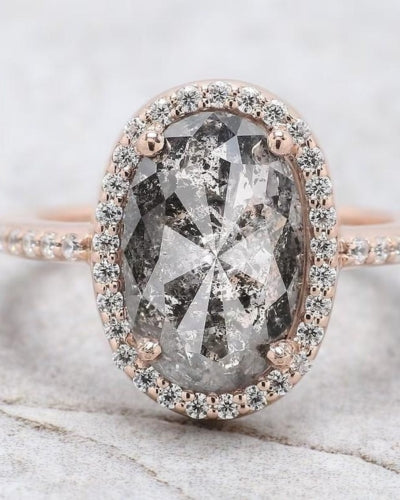
Salt and pepper diamonds, which contain visible natural inclusions that create distinctive internal patterns, appeal to some shoppers seeking a less conventional diamond appearance. Each stone can have its own character, making careful selection particularly important.
Mixing aesthetics instead of following one trend
A Gen Z-inspired look might combine a delicate chain with a substantial ring, vintage-style earrings with contemporary clothing, or silver jewelry with a warm gold accent. The appeal comes from contrast and individuality rather than strict matching.
For shoppers who enjoy experimentation, the best starting point is often a small collection of versatile pieces that can be restyled instead of buying an entirely new set for every trend.
5. How Millennials Style Jewelry
Millennial jewelry trends often bring together personal meaning, practical versatility, and carefully chosen statement pieces. Rather than eliminating trends, this approach adapts them to existing wardrobes and changing lifestyles.
Signature pieces that work across occasions
A signature piece is jewelry that feels recognizably personal and can be worn repeatedly. It might be a diamond pendant, a pair of gold hoops, a slim bracelet, or a distinctive engagement ring.
Signature jewelry works particularly well when its proportions, metal color, and design complement several outfits. The goal is not to wear the same look every day but to create a dependable foundation for different combinations.
Meaningful gifts and milestone jewelry
Jewelry often carries emotional value because it can mark an important moment. An anniversary ring, a necklace celebrating a promotion, or a pendant given after a major life change can become a lasting reminder of that experience.
Many millennial shoppers also appreciate gifts that reflect the recipient's established taste. Choosing a familiar metal color, a preferred gemstone, or a design that complements existing jewelry can make a present feel especially thoughtful.
Refined styling with occasional statement pieces
A restrained everyday combination can include small earrings, a slim chain, and a simple ring. For an evening event, the same wearer might add a bold pendant or sculptural earrings.
This flexible approach helps jewelry transition between professional environments, social occasions, and relaxed weekends without requiring a completely different collection for each setting.
Investing in quality rather than chasing every trend
Some millennial buyers prioritize durable materials, comfortable settings, and craftsmanship because they want pieces to remain useful for years. Others enjoy affordable fashion jewelry and frequent experimentation. Neither approach is inherently better; the right choice depends on budget, intended use, and expectations for longevity.
When a purchase represents a substantial expense, evaluating construction, gemstone characteristics, care requirements, and available documentation is more useful than relying on a trend label alone.
6. Personalization: The Growing Appeal of Meaningful Jewelry
Personalization is one of the most important ways contemporary jewelry can feel distinctive. A design becomes more meaningful when it reflects a name, date, birth month, favorite shape, treasured memory, or personal aesthetic.
Initial necklaces and engraved pendants
Initial necklaces offer a simple way to make a delicate chain feel personal. Engraved pendants can carry dates, short messages, or symbols with sentimental significance.
These designs can be worn alone for a minimalist look or layered with other necklaces. Their adaptability makes them suitable for both everyday use and thoughtful gifting.
Birthstones and symbolic gemstones
Birthstone jewelry connects color with identity, birthdays, family relationships, or personal memories. A pendant featuring a birthstone can be a subtle alternative to a name necklace, while a gemstone ring can provide a colorful focal point.
When selecting a gemstone, consider hardness, durability, setting security, and care needs. Different stones respond differently to daily wear, cleaning products, and impact.
Custom diamond rings
Custom ring design allows shoppers to choose a stone shape, metal color, setting style, band width, and decorative details. The resulting ring can reflect personal preferences more closely than a standard design.
For example, a shopper might choose a pear-shaped stone in rose gold for a soft, romantic appearance or a geometric hexagonal diamond in yellow gold for a more architectural look.
Fancy Diamond Jewels offers customization-oriented jewelry options. Buyers exploring an individual design can begin with the Fancy Diamond Jewels collection and identify the design features that matter most to them.
How to personalize jewelry without overcomplicating it
- Choose the meaning you want the piece to represent.
- Select a design style that suits the recipient or wearer.
- Decide whether the personalization should be visible or discreet.
- Confirm the material, engraving options, and sizing requirements.
- Review the final design before authorizing production.
The best personalized jewelry does not necessarily contain many custom details. Often, one thoughtful choice makes a stronger impression than several competing decorative elements.
7. The Evolution of Diamond Rings
Diamond rings remain an important part of women's jewelry, but the range of available designs has expanded considerably. Modern shoppers can choose traditional brilliant cuts, vintage-inspired rose cuts, unconventional shapes, colored diamonds, minimalist settings, or elaborate geometric designs.
Round brilliant diamonds
Round brilliant diamonds are popular for their familiar circular outline and light performance. Their symmetrical appearance suits classic solitaire rings, halo settings, and many contemporary designs.
For someone who prefers traditional elegance, a round diamond can provide a versatile foundation that works with different wardrobes and occasions.
Pear and oval diamond rings
Pear-shaped diamonds combine a rounded end with a pointed tip, creating an elegant teardrop silhouette. Oval diamonds provide an elongated outline that can look graceful in solitaire and halo settings.
Both shapes can suit modern or vintage-inspired jewelry, depending on the setting, band design, and proportions of the stone.
Hexagonal, kite, and shield-shaped diamonds
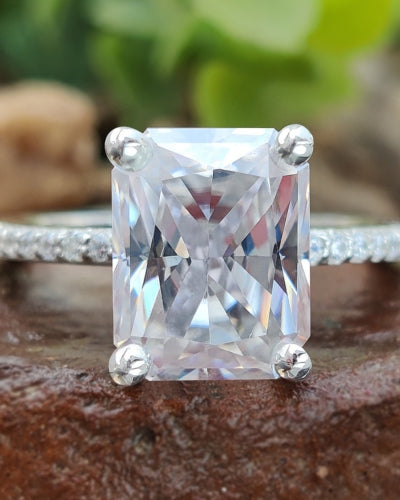
Geometric diamonds appeal to shoppers who want something less conventional. Hexagonal stones create a structured silhouette, kite shapes introduce sharp angles, and shield-shaped stones can make a ring feel bold and architectural.
These shapes can be particularly striking in minimalist settings that allow the stone's outline to remain visible. They can also be paired with accent diamonds or curved wedding bands for a more elaborate look.
Rose-cut diamonds and vintage-inspired settings
Rose-cut diamonds typically have a domed crown with triangular facets and a relatively flat base. Unlike modern round brilliant cuts, their appearance often emphasizes broad reflections and a softer, antique-inspired glow.
They can work beautifully in rustic, romantic, and unconventional designs, including rings featuring salt and pepper diamonds.
Choosing the right diamond ring
Rather than selecting a ring solely because a shape is fashionable, consider the wearer's personal style, comfort, preferred metal, daily activities, and maintenance expectations.
Explore distinctive shapes through the Fancy Diamond Jewels jewelry collection and compare the proportions, settings, and stone characteristics that appeal to you.
8. Why Salt and Pepper Diamonds Attract Attention
Salt and pepper diamonds are natural diamonds with visible inclusions that create a mixture of light, dark, gray, and sometimes contrasting patterns. Instead of aiming for a uniformly clear appearance, these stones celebrate internal character and visual variation.
Their appeal aligns with a broader preference for jewelry that feels distinctive rather than identical. A salt and pepper diamond can have a cloudy appearance, scattered dark inclusions, dramatic contrast, or a more subtle gray tone. The exact appearance depends on the individual stone.
Salt and pepper diamond engagement ring inspiration showcasing natural inclusions and an unconventional center stone

What makes these diamonds visually distinctive?
- Natural variation: Inclusions create patterns that differ from stone to stone.
- Muted color palettes: Gray, black, white, and smoky tones can complement several metal colors.
- Alternative aesthetics: They suit rustic, vintage-inspired, minimalist, and geometric designs.
- Individual character: No two stones should be assumed to look identical.
Which metal colors work well?
Rose gold can introduce warmth and a romantic contrast. Yellow gold offers a rich, traditional tone, while white gold and silver create a cooler, understated appearance. The right choice depends on the stone, the setting, and the wearer's existing jewelry.
Are salt and pepper diamonds suitable for engagement rings?
They can be, provided the stone and setting are appropriate for the intended wear. As with any diamond ring, ask about the stone's characteristics, the security of its setting, and any care recommendations. Visible inclusions vary in type and location, so a knowledgeable jeweler should help assess the individual stone.
How to select a salt and pepper diamond ring
- Decide whether you prefer a subtle gray appearance or stronger black-and-white contrast.
- Compare the actual stone's appearance rather than relying only on its shape or carat weight.
- Choose a setting that protects vulnerable edges and holds the stone securely.
- Consider the ring's height, comfort, and suitability for everyday activities.
- Confirm metal purity, sizing, care instructions, and the available product documentation.
For women who appreciate unusual gemstones, a salt and pepper diamond can offer an expressive alternative to a conventional clear diamond.
9. Layered Necklaces and Personalized Pendants
Layered necklaces are a versatile styling choice because they create dimension without requiring a single oversized statement piece. They can appear casual, romantic, minimalist, or glamorous depending on the lengths, textures, and pendants involved.
The three-layer necklace formula
A useful starting point is to combine three necklaces with visibly different lengths.
- First layer: A short chain that sits near the collarbone.
- Second layer: A medium-length necklace with a small pendant.
- Third layer: A longer chain that introduces movement and contrast.
The lengths should be sufficiently different to reduce tangling and allow each necklace to remain visible. Necklace length depends on body proportions, neckline, chain thickness, and pendant size, so the same measurements may look different on different wearers.
Personalized pendants and meaningful charms
Initials, birthstones, small hearts, geometric shapes, and engraved pieces can add emotional significance. A personalized pendant can also be combined with an unadorned chain to balance detail with simplicity.
Styling necklaces with different necklines
Shorter necklaces often complement open necklines, while longer pendants can work well with high-neck tops. Layered chains can create a relaxed look with a simple T-shirt or add subtle detail to a formal outfit.
For everyday wear, lightweight chains and securely attached pendants are practical choices. Remove delicate necklaces before sleeping, swimming, or exercising if their construction or care instructions recommend doing so.
10. Earring Trends Across Generations
Earrings frame the face and can change the overall impression of an outfit with relatively little effort. Gen Z and millennial shoppers alike can build flexible collections by combining classic designs with a few expressive options.
Gold and silver hoops
Hoop earrings range from tiny, understated styles to large statement silhouettes. Smaller hoops are often suitable for everyday wear, while larger hoops can create a more dramatic look.
Metal color, diameter, thickness, and weight all affect comfort and appearance. Lightweight designs may be more practical for extended wear.
Diamond and gemstone studs
Stud earrings offer a compact design that can complement casual clothing, office outfits, and formal looks. Clear diamonds provide a classic appearance, while colored gemstones can introduce individuality.
Curated ear stacks
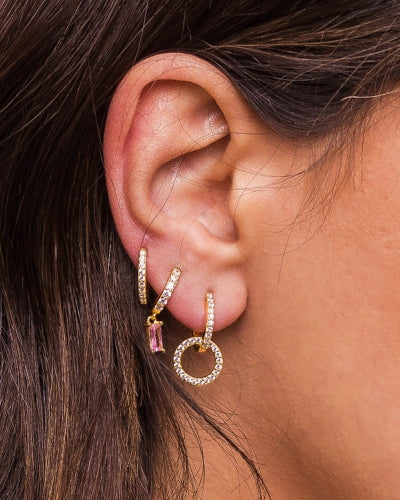
For people with multiple piercings, an ear stack can combine studs, small hoops, and other earrings in different positions. A repeated metal color can unify the combination, while varying shapes creates interest.
Anyone considering additional piercings should follow professional piercing and aftercare guidance. Jewelry should fit the piercing properly, and irritation should not be ignored.
Statement earrings for special occasions
Sculptural earrings, pearl drops, elongated silhouettes, and gemstone designs can transform a simple dress or evening outfit. When earrings are visually prominent, keeping necklaces simpler can help maintain balance.
11. Bracelets, Bangles, and Wrist Styling
Bracelets allow women to experiment with texture, sound, movement, and proportion. A delicate chain bracelet can provide a subtle finishing touch, while a group of bangles can create a more expressive effect.
Delicate chain bracelets
Chain bracelets are suitable for understated styling and can complement a watch or ring collection. Choose a comfortable length, a secure clasp, and a chain construction suited to regular use.
Bangle stacking
Stacked bangles create visual rhythm through repeated shapes. Combining different widths or finishes can introduce variety while maintaining a cohesive color palette.
Check that bangles are comfortable and do not interfere with work, exercise, or other daily activities. Metal bangles should not be so loose that they slide off easily.
Charm bracelets with personal stories
Charm bracelets can represent family members, travel memories, achievements, hobbies, or important dates. Adding charms over time turns the bracelet into a collection of personal symbols.
To keep the piece wearable, consider charm weight, clasp security, and the total number of attachments. A well-balanced bracelet can carry meaning without becoming uncomfortable.
12. Gold, Silver, and Mixed-Metal Jewelry
Metal color influences the mood of a jewelry piece, but there is no universal rule about which color suits a particular generation or skin tone. Personal preference, wardrobe colors, gemstone contrast, and the desired look are all relevant.
Yellow gold for warmth and timeless appeal
Yellow gold offers a familiar warm tone and works across traditional and contemporary designs. It can complement geometric diamond rings, delicate chains, classic hoops, and vintage-inspired jewelry.
Gold purity matters when choosing fine jewelry. Higher karat gold contains a greater proportion of gold, while lower karat alloys generally contain more additional metals. The alloy composition influences color, hardness, and care requirements.
Rose gold for a romantic appearance
Rose gold's warm pink tone can create a distinctive look in engagement rings, pendants, and delicate bracelets. It pairs especially well with designs that emphasize soft curves or contrast with gray-toned stones.
White gold and silver for cooler styling
White gold and silver provide a cooler appearance that can complement clear diamonds, gray gemstones, and minimalist designs. Although they may look similar, they differ in composition, maintenance requirements, and price.
Mixing metals confidently
Mixed-metal styling combines two or more metal colors in one jewelry arrangement. For example, a yellow gold chain can sit beside a silver pendant, or a rose gold ring can complement a white gold band.
To make mixed metals feel intentional, repeat one color or design feature. A two-tone piece can also provide a natural bridge between different metals.
Comparing common jewelry metals
| Material | Appearance | Practical consideration |
|---|---|---|
| 10K gold | Warm or cool, depending on alloy | Lower gold content than higher-karat options; alloy composition affects durability. |
| 14K gold | Available in yellow, rose, and white | A common balance of gold content and everyday practicality. |
| 18K gold | Rich color and higher gold content | Often chosen for fine jewelry; construction and wear habits still matter. |
| Sterling silver | Bright, cool-toned finish | Can tarnish and may require periodic polishing. |
The best metal is the one that meets your preferences, budget, care expectations, and intended use.
13. Vintage Inspiration and Modern Nostalgia
Vintage-inspired jewelry combines familiar historical details with modern wearability. Rose-cut diamonds, milgrain edges, engraved bands, floral motifs, and geometric silhouettes can evoke earlier design periods without requiring an antique piece.
Why vintage-inspired designs appeal to younger shoppers
Vintage aesthetics can feel distinctive in a market filled with contemporary minimalist designs. Their decorative details, unusual proportions, and softer gemstone reflections provide a different visual language.
Nostalgia can also connect jewelry with family traditions or personal memories. A modern ring inspired by an heirloom can retain sentimental associations while reflecting the wearer's individual taste.
How to wear vintage-inspired jewelry today
Pair an ornate ring with simple clothing, combine antique-style earrings with a contemporary outfit, or wear a rose-cut diamond pendant alongside a clean, modern chain.
The contrast between old and new can make a design feel relevant without sacrificing its historical character.
Choosing an authentic antique versus a new vintage-inspired piece
An antique piece has a history of its own, while a newly made vintage-inspired design incorporates historical influences into contemporary craftsmanship. Antique jewelry may require additional inspection for wear, repairs, and stone security.
When buying either type, assess the condition, materials, workmanship, and any documentation available. Avoid assuming that a design is antique merely because it looks old-fashioned.
14. Minimalism Versus Statement Jewelry
Minimalist and statement jewelry are often presented as opposing trends, but a modern jewelry collection can comfortably include both. Minimalist pieces provide a subtle foundation, while statement designs add emphasis when an outfit calls for it.
The appeal of minimalist jewelry
Minimalist jewelry typically uses simple shapes, delicate proportions, restrained decoration, and clean lines. Examples include thin gold bands, small diamond studs, slim bracelets, and fine chains.
These designs are easy to combine with other pieces and can suit many different occasions. However, delicate construction may require careful handling, particularly when chains or settings are very fine.
The appeal of statement jewelry
Statement jewelry attracts attention through scale, color, unusual shapes, or intricate detailing. A bold geometric ring or sculptural pair of earrings can become the focal point of an outfit.
Statement pieces are most effective when their proportions work with the rest of the look. One prominent element can be enough to create impact.
How to balance both styles
- Pair a substantial ring with simple earrings.
- Wear a delicate necklace alongside one bold pendant.
- Combine small hoops with a sculptural bracelet.
- Use repeated metal colors to unify different designs.
- Choose pieces that feel comfortable and appropriate for the occasion.
Rather than choosing one permanent aesthetic, build a collection that accommodates both quiet elegance and expressive styling.
15. Everyday Fine Jewelry and Accessible Luxury
 Everyday fine jewelry sits between purely decorative fashion accessories and elaborate occasion jewelry. It can include gold hoops, gemstone pendants, diamond studs, slim bands, and bracelets that are suitable for regular wear.
Why everyday jewelry has lasting appeal
Frequently worn pieces can become part of a person's signature style. Their value comes not only from materials but also from comfort, versatility, craftsmanship, and the memories associated with them.
For some buyers, a single well-chosen ring offers more satisfaction than several purchases that rarely leave the jewelry box. Others prefer a wider collection of affordable designs that can be changed with their outfits.
What accessible luxury means
Accessible luxury is not a fixed price category. It describes a purchase that feels special while remaining within a buyer's practical budget. It might involve sterling silver, a smaller diamond, a carefully chosen gemstone, or a simple gold design.
The important consideration is whether the item delivers the qualities the buyer values. A modestly priced piece can be meaningful and beautifully made, while a more expensive item is not automatically the right choice for everyone.
Creating a small everyday jewelry wardrobe
Start with a few pieces that complement each other: comfortable earrings, one versatile necklace, a ring that fits well, and a bracelet if you enjoy wearing one. Add more distinctive designs as your style develops.
This gradual approach makes it easier to discover which jewelry you genuinely wear rather than purchasing items simply because they are trending.
16. How Social Media Influences Jewelry Shopping
Digital platforms have changed how consumers discover jewelry. Short videos, close-up photography, styling tutorials, creator recommendations, and product demonstrations allow shoppers to encounter designs they might not have considered previously.
From inspiration to product research
A shopper might first discover a layered necklace in an outfit video, save the look, compare similar designs, and then examine materials and prices before buying. Visual discovery can introduce ideas, but it should be followed by practical research.
Social media can also make emerging styles appear more universal than they really are. A trend appearing repeatedly in a feed does not necessarily mean it suits every person or represents the preferences of an entire generation.
What to check before buying jewelry online
- Actual product dimensions and available size options.
- Metal type, purity, and finish.
- Gemstone identity and relevant quality information.
- Clear photographs from multiple angles.
- Return, exchange, resizing, and shipping policies.
- Care instructions and customer support options.
How to use trends without overspending
Save a few looks that you genuinely like and identify the common features. Perhaps you consistently prefer pear-shaped stones, warm gold, or delicate chains. Recognizing these preferences helps you make more intentional choices.
Before buying a trend-led item, ask whether you would still enjoy wearing it if it became less fashionable next season. If the answer is yes, the design is more likely to earn a lasting place in your collection.
17. Materials, Transparency, and Responsible Choices
Many jewelry shoppers want to understand where materials come from, how products are made, and what claims about sourcing or environmental responsibility actually mean. Younger consumers may bring these questions into their buying decisions, but interest and purchasing priorities vary substantially.
Ask specific questions about sourcing
Responsible purchasing begins with clear information. Ask what the seller can substantiate about the origin of a gemstone, the materials used, and any sourcing standards or documentation associated with the piece.
Broad descriptions such as "ethical," "responsible," or "sustainable" are not substitutes for specific evidence. Buyers should understand what a claim covers and what remains unknown.
Natural and laboratory-grown diamonds
Natural diamonds form through geological processes, while laboratory-grown diamonds are created through technological processes that reproduce diamond growth conditions. Both consist of crystalline carbon and can have comparable optical and physical properties.
However, their origins, market pricing, production methods, and resale considerations can differ. Neither category should automatically be described as having no environmental impact. The relevant impacts depend on extraction or manufacturing methods, energy sources, supply chains, and other factors.
Choosing recycled or pre-owned jewelry
Pre-owned jewelry can offer access to distinctive designs and extend the useful life of existing materials. Vintage rings, heirloom pendants, and secondhand gold pieces may also provide historical or sentimental appeal.
Condition matters. Examine the setting, clasps, stone security, repairs, and any available documentation before purchasing a pre-owned piece.
Buy less impulsively and care for what you own
One practical way to make jewelry purchases more thoughtful is to select pieces you expect to wear regularly and maintain them appropriately. Proper storage, timely repairs, and following material-specific care instructions can help extend their useful life.
18. Budgeting for Jewelry That Lasts
Jewelry budgets should reflect personal finances rather than social expectations. There is no universal amount that someone should spend on an engagement ring, birthday gift, necklace, or self-purchase.
Start with a comfortable spending limit
Decide on a maximum amount before browsing. Include relevant costs such as taxes, shipping, resizing, insurance, or maintenance where applicable.
For a significant purchase, avoid borrowing more than you can comfortably repay or treating jewelry as a substitute for a diversified financial plan.
Compare total value rather than size alone
With diamond jewelry, carat weight is only one characteristic. Cut, shape, color, clarity, setting, craftsmanship, and personal preference can all affect the appearance and value of a ring.
A smaller stone in a well-designed setting may be more appealing to a particular buyer than a larger stone that does not suit their taste. The best choice depends on the priorities that matter to the wearer.
Understand the differences between price and investment
Fine jewelry can retain personal and material value, but resale prices are uncertain. Retail prices, gemstone rarity, condition, documentation, buyer demand, and transaction costs can all affect resale outcomes.
Buy jewelry primarily because you value its design, meaning, and wearability. Do not assume that a purchase will appreciate or that the original retail price will be recovered upon resale.
A simple jewelry budget checklist
- Set a realistic spending limit.
- Prioritize the materials and design features that matter most.
- Compare similar pieces before deciding.
- Check the seller's policies and available documentation.
- Leave room for care and maintenance costs.
- Choose a design you will enjoy beyond the current trend cycle.
19. Choosing Jewelry for Different Occasions

Different occasions call for different balances of comfort, symbolism, and visual impact. The most versatile jewelry can move between settings, while more elaborate pieces may be best reserved for particular events.
Everyday wear
Small hoops, simple chains, slim rings, and lightweight bracelets are practical choices for daily outfits. Check that the pieces fit comfortably and can tolerate the activities you plan to do while wearing them.
Work and professional settings
Understated jewelry can complement professional clothing without becoming distracting. Stud earrings, a classic pendant, or a refined watch-and-bracelet combination can provide a polished finishing touch.
Dress expectations differ by workplace, so choose accessories that feel appropriate for your environment.
Parties and evening occasions
Evening events offer opportunities to experiment with statement earrings, layered necklaces, gemstone rings, and more dramatic combinations. A single focal piece can make a simple outfit feel distinctive.
Engagements and weddings
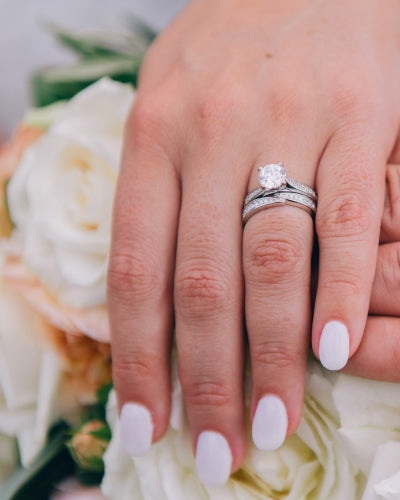
Engagement rings and wedding jewelry are deeply personal purchases. Some wearers prefer classic solitaires, while others choose salt and pepper diamonds, unusual stone shapes, vintage-inspired settings, or customized bands.
Comfort, durability, stone security, and long-term maintenance deserve as much attention as appearance. For rings intended for daily wear, consider how the setting interacts with clothing, gloves, and neighboring bands.
Birthdays, anniversaries, and self-gifting
Personal milestones provide meaningful opportunities to choose jewelry. Birthstones, engraved pendants, distinctive rings, and personalized bracelets can mark a moment without requiring a traditional romantic occasion.
When gifting, consider the recipient's existing jewelry, preferred metal color, daily habits, and sizing needs. A thoughtful design is more valuable than an expensive piece that does not suit the recipient.
20. A Step-by-Step Guide to Styling Jewelry Like a Modern Woman
Whether you prefer Gen Z experimentation or millennial-inspired versatility, an intentional styling process can help you create balanced combinations using jewelry you already own. Custom Ring Builder
Step 1: Choose the mood of your outfit
Decide whether you want the overall look to feel minimalist, romantic, vintage-inspired, professional, casual, or dramatic. This gives your jewelry choices a clear direction.
Step 2: Select one focal piece
Choose the item you want people to notice first. It could be a geometric diamond ring, a pair of sculptural earrings, a statement pendant, or a substantial bracelet.
Step 3: Add supporting pieces
Complement the focal item with smaller designs. If your earrings are bold, consider a simple necklace. If you are wearing a prominent ring, keep neighboring rings comfortable and visually balanced.
Step 4: Coordinate shapes and textures
Repeating a curved shape, geometric detail, or metal finish can make different pieces feel connected. Alternatively, deliberate contrast can create a more expressive look.
Step 5: Decide whether to match or mix metals
Choose one dominant metal color for a cohesive appearance, or introduce a second color through a two-tone piece or small accent. Neither approach is mandatory.
Step 6: Consider proportions
Long necklaces can complement open necklines, while small pendants may be more noticeable on simple clothing. Ring width, earring size, and bracelet volume should feel comfortable and appropriate for the outfit.
Step 7: Check comfort and security
Ensure clasps close properly, rings fit securely, and earrings are not too heavy. Remove jewelry when necessary for exercise, swimming, cleaning, or other activities that could damage it.
Step 8: Edit the final combination
Look at the complete outfit and remove anything that feels unnecessary. Good styling does not require wearing every favorite piece at once.
21. A Practical Buying Guide for Gen Z and Millennial Shoppers
Trends can help you discover new designs, but a thoughtful buying process ensures that the final purchase suits your needs. Use this checklist for diamond rings, necklaces, earrings, and other fine jewelry.
Step 1: Define your reason for buying
Identify whether the jewelry is for everyday wear, a gift, a milestone, a wedding, or a special occasion. This determines which features should take priority.
Step 2: Identify your preferred aesthetic
Save examples of designs you like. Look for recurring features such as stone shape, metal color, band thickness, or decorative details.
Step 3: Confirm the materials
Read the product information carefully. Confirm the metal, purity, gemstone type, dimensions, and any relevant treatments or disclosures. If a description is unclear, ask for clarification before ordering.
Step 4: Check sizing and fit
For rings, measure carefully and consider the width of the band and the shape of the setting. For necklaces and bracelets, check the actual length and how it will sit on the body.
Use the Fancy Diamond Jewels sizing guide as a starting point for understanding ring measurements and jewelry proportions.
Step 5: Examine photographs and descriptions
Look for multiple views of the piece and check dimensions rather than estimating size from a photograph. Product photography can make jewelry appear larger or smaller depending on perspective.
Step 6: Review the seller's policies
Understand return conditions, exchanges, resizing, shipping, and any applicable warranty or after-sales service. Confirm the terms that apply to your specific item before purchasing.
Step 7: Make the decision without rushing
Compare your preferred designs, check your budget, and consider whether the piece fits your actual lifestyle. If you remain uncertain, take time to decide rather than purchasing simply because a trend appears urgent.
Step 8: Plan for care
Store jewelry appropriately and follow the care instructions for its materials and construction. Schedule professional inspection when a setting, clasp, or stone requires attention.
Thoughtful research can make online jewelry shopping more satisfying by reducing uncertainty and helping you choose a piece that genuinely suits you.
22. Three Illustrative Jewelry Style Profiles
The following examples are hypothetical style profiles designed to demonstrate how different priorities can shape a jewelry collection. They are illustrative scenarios, not interviews or verified customer testimonials.
Profile A: The experimental Gen Z jewelry enthusiast
Imagine a young professional who enjoys changing her style and discovering designs through digital inspiration. She prefers geometric jewelry, layered chains, and combinations that feel individual.
Her collection might include a slim gold band, a hexagonal diamond ring, small hoops, a personalized pendant, and a few silver pieces. She combines them differently depending on her clothing and mood.
What works for her: A flexible collection with varied shapes and a few distinctive focal pieces. This approach allows experimentation without requiring every item to follow the same trend.
Profile B: The versatile millennial jewelry collector
Imagine a woman who wants jewelry that transitions from work to social events. She values comfort, sentimental meaning, and pieces that coordinate with her existing wardrobe.
Her collection could include diamond studs, a simple pendant, a refined bracelet, a classic ring, and a statement pair of earrings for special occasions.
What works for her: Versatile staples supported by a few expressive pieces. The result is a collection that feels consistent without becoming repetitive.
Profile C: The shared preference for distinctive diamonds
Imagine two women from different generations who both admire unconventional engagement rings. One prefers an elongated pear shape, while the other is drawn to a smoky salt and pepper diamond in a geometric setting.
Despite their different preferences, both prioritize a distinctive center stone, a comfortable setting, and a design that reflects their personality.
What works for both: Focusing on personal taste, stone characteristics, durability, and fit instead of choosing a ring based on age or a popular trend.
Lessons from these profiles
- Personal preferences matter more than generational labels.
- A versatile jewelry collection can include both classic and unusual designs.
- Personal meaning can make an everyday piece feel as special as occasion jewelry.
- Comfort and construction are important regardless of aesthetic.
- Shopping with a clear budget can make experimentation more manageable.
23. Common Jewelry Styling and Buying Mistakes
Even beautiful jewelry can be disappointing when the design does not fit the wearer's needs. Avoiding a few common mistakes can make your collection more practical and enjoyable.
Buying a trend without considering personal style
A popular design may look appealing online but feel unfamiliar when worn. Before buying, consider whether the piece complements the clothes, colors, and accessories you already enjoy.
Ignoring dimensions and proportions
Photographs can distort the apparent size of a ring or pendant. Check actual measurements, stone dimensions, band width, chain length, and earring weight whenever the information is available.
Assuming all metals require identical care
Different metals and finishes have different maintenance needs. Sterling silver may tarnish, white gold may require periodic maintenance depending on its finish, and delicate gold chains can be damaged by pulling or tangling.
Follow material-specific care guidance rather than applying one cleaning method to every piece.
Choosing a ring based only on appearance
Ring height, setting security, band thickness, and fit can influence daily comfort. Consider how the ring will feel during regular activities, especially if it will be worn frequently.
Overcomplicating layered jewelry
Too many chains of similar length can tangle or hide one another. Varying lengths, chain styles, and pendant sizes creates separation and makes each layer easier to see.
Assuming expensive jewelry is automatically an investment
Price alone does not establish future resale value. If resale matters to you, investigate the relevant market and documentation separately from the design's emotional or aesthetic appeal.
Forgetting aftercare and return conditions
Before ordering, understand how the item can be maintained, whether resizing is possible, and which return or exchange conditions apply. These details are especially important for customized pieces.
24. The Future of Women's Jewelry Trends
The future of women's jewelry is likely to be shaped by a combination of established craftsmanship and changing consumer expectations. Personalization, digital discovery, everyday versatility, and unconventional design will continue to influence how many shoppers explore jewelry, although the relative importance of each trend will differ across markets.
Personalization will remain important
Initial pendants, engraved jewelry, custom rings, birthstones, and distinctive diamond shapes provide ways to make a purchase feel individual. As customization becomes more accessible, shoppers can increasingly compare design possibilities before making a commitment.
Traditional diamonds will coexist with alternative aesthetics
Classic round brilliant diamonds will continue to appeal to people who value their familiar appearance. Meanwhile, pear, kite, shield, hexagonal, and rose-cut diamonds provide options for shoppers who prefer something less conventional.
Salt and pepper diamonds and colored gemstones add further variety to the available design palette. The appeal of these stones comes from their specific visual characteristics rather than a guarantee that they will suit every wearer.
Jewelry wardrobes will become more adaptable
Many consumers appreciate pieces that can be worn across different occasions. Simple necklaces, versatile rings, and comfortable earrings can form a foundation that works with both everyday clothing and more formal outfits.
Layering and stacking allow that foundation to evolve without replacing the entire collection.
Transparency will matter alongside appearance
Clear product information, material disclosure, accurate photographs, and accessible after-sales support can help shoppers feel more confident. For significant purchases, buyers are likely to continue asking detailed questions about gemstones, construction, sizing, and sourcing.
Individuality will outlast individual trends
Specific aesthetics will come and go, but the desire to own jewelry that feels personally meaningful is not limited to one generation. A thoughtfully chosen ring, necklace, or pair of earrings can remain relevant because it represents a person's taste and memories rather than a temporary trend.
For both Gen Z and millennials, the most enduring jewelry choices may be those that balance individuality with comfort, quality, and genuine personal appeal.
Modern women's diamond jewelry styling concept combining timeless fine jewelry with distinctive contemporary designs

Discover a style that feels like you
Whether you are drawn to a classic diamond solitaire, an unconventional salt and pepper diamond ring, a delicate gold necklace, or a collection of layered accessories, start with the designs you genuinely enjoy wearing.
Explore Fancy Diamond Jewels for jewelry inspiration, compare different diamond shapes and metal colors, and consider how each piece could fit into your everyday wardrobe or mark an important milestone.
25. Frequently Asked Questions About Gen Z vs. Millennial Jewelry Trends
1. What is the biggest difference between Gen Z and millennial jewelry trends?
Gen Z styling often emphasizes experimentation, expressive combinations, digital discovery, and individuality. Millennial styling often balances personal expression with versatility, sentimental value, and long-term wearability. These are general tendencies, not rules that apply to everyone.
2. What jewelry is popular among Gen Z women?
Popular styling directions include layered necklaces, stacked rings, small hoops, mixed metals, personalized pendants, vintage-inspired pieces, and unusual gemstone shapes. Individual preferences vary, and trends can change quickly.
3. What jewelry do millennial women prefer?
Many millennial shoppers appreciate versatile gold jewelry, diamond studs, meaningful pendants, elegant rings, and pieces that transition between work and social occasions. However, millennial style also includes maximalist, colorful, experimental, and trend-led designs.
4. Are diamond rings still fashionable for younger women?
Yes. Diamond rings remain relevant in classic and contemporary designs. Younger shoppers may choose traditional round diamonds, unusual geometric cuts, vintage-inspired settings, colored stones, or salt and pepper diamonds according to personal taste.
5. Why are salt and pepper diamond rings appealing?
Salt and pepper diamonds feature visible inclusions that create distinctive internal patterns and gray, black, or contrasting tones. They appeal to shoppers who prefer a natural diamond with a less conventional appearance. Individual stones vary, so examine the specific diamond before purchasing.
6. Is minimalist jewelry better than statement jewelry?
Neither is inherently better. Minimalist jewelry is often easy to combine and wear daily, while statement pieces introduce visual impact and individuality. Many collections benefit from including both styles.
7. How can I layer necklaces without making them look messy?
Begin with two or three necklaces of different lengths. Combine a short chain, a medium pendant, and a longer chain if desired. Varying the lengths and chain textures helps each piece remain visible and reduces tangling.
8. Is it fashionable to mix gold and silver jewelry?
Yes. Mixed-metal styling is a flexible way to combine different pieces. Repeating a metal color, using a two-tone design, or matching one detail can make the overall combination feel intentional.
9. Which gold color is best for modern women's jewelry?
Yellow gold offers warmth, rose gold provides a pinkish tone, and white gold creates a cooler appearance. The best option depends on personal preference, the design, gemstone contrast, and the rest of the wearer's collection.
10. Are personalized necklaces a good gift?
Personalized necklaces can be thoughtful gifts because initials, birthstones, dates, and engraved details can represent relationships or memories. Check the recipient's preferred metal, chain length, and style before ordering.
11. What should I consider when buying a diamond engagement ring online?
Review the diamond's characteristics, metal purity, ring size, setting security, product dimensions, photographs, and available documentation. Also check return conditions, resizing options, shipping terms, and after-sales support before purchasing.
12. Are rose-cut diamonds suitable for modern jewelry?
Yes. Rose-cut diamonds have a domed crown and a distinctive faceted appearance that can suit vintage-inspired, rustic, romantic, and contemporary designs. Their visual character differs from that of modern round brilliant diamonds.
13. How can I choose jewelry that works for everyday wear?
Prioritize comfort, appropriate dimensions, secure clasps and settings, and materials suited to your routine. Simple chains, small earrings, comfortable rings, and versatile bracelets can work well for daily styling, depending on their construction.
14. Does expensive jewelry always have better quality?
No. Price can reflect materials, gemstone characteristics, craftsmanship, branding, and other factors. Compare product specifications, construction, and documentation rather than using price alone as a quality measure.
15. Are laboratory-grown diamonds the same as natural diamonds?
Laboratory-grown and natural diamonds share the same fundamental crystalline carbon structure and can have comparable physical and optical properties. They differ in origin, and their pricing, production methods, and market considerations may also differ.
16. Is vintage-inspired jewelry suitable for young women?
Absolutely. Vintage-inspired designs can combine historical details with contemporary styling. Rose-cut diamonds, engraved bands, geometric shapes, and decorative settings can work for many ages and personal aesthetics.
17. How much should I spend on jewelry?
Choose a budget that fits your financial circumstances and the purpose of the purchase. Consider the total cost, including applicable taxes, shipping, resizing, and maintenance. There is no universal spending requirement for a gift or engagement ring.
18. What is the best jewelry gift for a millennial woman?
A versatile pendant, diamond studs, an elegant ring, or a personalized bracelet can be a thoughtful choice. Consider the recipient's preferred metal, existing jewelry, lifestyle, and personal taste instead of relying only on generational trends.
19. What is the best jewelry gift for a Gen Z woman?
Possible options include personalized necklaces, small hoops, stacking rings, colored gemstone jewelry, or distinctive diamond designs. The best gift reflects the recipient's individual style, not assumptions about their age.
20. How can I build a jewelry collection without overspending?
Start with a few versatile pieces, establish a spending limit, and add items gradually. Prioritize designs you expect to wear frequently, compare product specifications, and avoid purchases made solely because a trend feels urgent.
21. Are diamond rings suitable for self-gifting?
Yes. A diamond ring can celebrate a personal achievement, birthday, career milestone, or simply a design the wearer loves. Jewelry does not have to be associated with an engagement or romantic occasion.
22. How do I find my correct ring size?
Use a reliable ring-sizing method and consider the band width, finger shape, and fit preferences. Measurements can vary across sizing systems, so consult a sizing guide and seek professional help if you are uncertain. For a starting point, visit the Fancy Diamond Jewels sizing guide.
23. How should I care for fine diamond jewelry?
Follow the care guidance for the specific metal, stone, and setting. Store pieces separately when appropriate, avoid harsh chemicals, inspect clasps and settings, and seek professional assistance when a stone becomes loose or a piece is damaged.
24. Will current Gen Z and millennial jewelry trends last?
Some trends will fade, while others may become established design preferences. Classic shapes, comfortable everyday pieces, and jewelry with personal meaning often remain appealing because they are connected to individual taste rather than a particular trend cycle.
25. Where can I explore distinctive diamond jewelry designs?
You can explore the Fancy Diamond Jewels collection for jewelry inspiration and compare different ring styles, gemstone shapes, and metal options. Review individual product details and sizing information before choosing a piece.
Conclusion: Jewelry Trends Are Changing, but Personal Meaning Remains
The comparison between Gen Z and millennials reveals how women's jewelry is becoming more flexible, expressive, and personal. Gen Z often brings experimentation, digital inspiration, and distinctive combinations into the jewelry wardrobe. Millennials frequently balance those possibilities with versatility, sentimental meaning, and designs that can be enjoyed for years.
Yet the differences are not absolute. Both generations can appreciate layered necklaces, meaningful pendants, geometric diamond rings, vintage-inspired settings, and carefully chosen everyday jewelry. Both can also value quality, comfort, and the freedom to select pieces that reflect their identities.
Modern jewelry is not about following every trend or choosing between minimalism and maximalism. It is about understanding what you love, selecting pieces that suit your lifestyle, and building a collection that feels authentic.
Whether your style leans toward delicate gold chains, statement earrings, classic diamond solitaires, or unconventional salt and pepper diamond rings, the most meaningful jewelry is the jewelry that feels right to you.
Explore the designs available at Fancy Diamond Jewels, discover the shapes and materials that match your taste, and choose jewelry that celebrates your individuality today while remaining meaningful tomorrow.
Discover Your Jewelry StyleAbout This Guide
This editorial guide explores broad jewelry styling patterns, design preferences, and practical purchasing considerations. Generational descriptions are intended as general observations rather than universal claims. The style profiles are illustrative examples, not verified customer testimonials. Individual preferences, budgets, cultural traditions, and local market conditions vary.
For jewelry purchases, review the specific product description, material details, gemstone information, sizing guidance, and applicable store policies before making a decision.


Dejar un comentario
Este sitio está protegido por hCaptcha y se aplican la Política de privacidad de hCaptcha y los Términos del servicio.