

The History and Origins of Gothic Jewelry

Table of Contents
- What Is Gothic Jewelry?
- Historical Roots
- The Middle Ages
- Religious Symbolism
- Victorian Influence
- Mourning Jewelry
- Modern Gothic Jewelry
- Popular Gothic Symbols
- Gothic Gemstones
- FAQs
What Is Gothic Jewelry?
Gothic jewelry refers to jewelry inspired by Gothic art, architecture, symbolism, literature, and fashion. Unlike mainstream jewelry that often focuses on minimalism or traditional luxury, Gothic jewelry embraces dramatic aesthetics, intricate detailing, dark symbolism, and emotional depth. Gothic jewelry
The style commonly features crosses, skulls, ravens, roses, bats, gargoyles, dragons, black gemstones, silver metals, and antique-inspired craftsmanship.
Historical Roots of Gothic Jewelry
The origins of Gothic jewelry can be traced back to medieval Europe. During the Gothic period, roughly from the 12th to the 16th centuries, architecture became more elaborate, featuring pointed arches, stained glass windows, and ornate carvings. ENGAGEMENT RINGS
The same artistic philosophy extended into personal adornment. Nobles and wealthy patrons commissioned intricate jewelry pieces reflecting religious devotion, social status, and artistic sophistication.
Medieval gothic jewelry origins
The Influence of the Middle Ages
The medieval period established many design elements still associated with Gothic jewelry today.
Key Characteristics
- Elaborate metalwork
- Religious imagery
- Symbolic gemstones
- Family crests
- Heraldic motifs
- Handcrafted detailing

Jewelry during this era served both decorative and spiritual purposes. Many believed gemstones possessed protective powers and divine significance.
Religious Symbolism and Gothic Design

Religion played a major role in the development of Gothic aesthetics. Jewelry incorporated symbols representing faith, sacrifice, eternity, and protection.
| Symbol | Meaning |
|---|---|
| Cross | Faith and redemption |
| Rose | Beauty and mortality |
| Angel | Protection and spirituality |
| Crown | Authority and divine power |
The Gothic Revival Movement

By the late eighteenth and nineteenth centuries, Europe experienced a Gothic Revival. Artists, architects, and designers rediscovered medieval aesthetics and began reinterpreting them for contemporary audiences.
Jewelry makers incorporated Gothic motifs into rings, pendants, brooches, and lockets.
Victorian Era Influence
The Victorian era played a crucial role in popularizing Gothic-inspired jewelry.
Queen Victoria's extended mourning period after Prince Albert's death inspired an entire movement of mourning jewelry.
Victorian Gothic Features
- Black enamel
- Jet gemstones
- Memorial lockets
- Dark romantic symbolism
- Ornate craftsmanship

The Rise of Mourning Jewelry
Mourning jewelry represented remembrance and emotional connection. Hair lockets, memorial rings, and black gemstone pieces became highly fashionable.

Many modern Gothic jewelry designs still draw inspiration from these deeply personal Victorian traditions.
Gothic Literature and Jewelry
The popularity of Gothic novels influenced fashion trends significantly. Themes of mystery, romance, castles, darkness, and supernatural intrigue inspired jewelry designers.

Major Literary Influences
- Dracula
- Frankenstein
- The Castle of Otranto
- Carmilla
Evolution During the 20th Century

Throughout the twentieth century, Gothic jewelry evolved beyond historical inspiration and became associated with alternative fashion movements.
Punk, rock, metal, and Gothic subcultures adopted jewelry featuring darker motifs and symbolic rebellion.
Modern Gothic Jewelry
Today's Gothic jewelry combines historical influences with contemporary craftsmanship.

Modern Characteristics
- Premium silver
- Black diamonds
- Onyx gemstones
- Skull motifs
- Victorian inspiration
- Architectural detailing
Popular Gothic Symbols Explained

Skulls
Represent mortality, transformation, and the transient nature of life.
Ravens
Associated with intelligence, mystery, and spiritual guidance.
Roses
Balance beauty with impermanence.
Bats
Symbolize intuition, darkness, and transformation.
Dragons
Represent power, protection, and ancient wisdom.
Gemstones Commonly Used in Gothic Jewelry
| Gemstone | Meaning |
|---|---|
| Onyx | Strength and grounding |
| Black Diamond | Luxury and individuality |
| Garnet | Passion and protection |
| Amethyst | Wisdom and spirituality |
| Obsidian | Transformation and clarity |
How Gothic Jewelry Is Crafted
- Concept design
- Symbol selection
- Metal casting
- Stone setting
- Hand finishing
- Polishing
- Quality inspection
Why Gothic Jewelry Remains Popular
Unlike trend-driven accessories, Gothic jewelry tells stories. Every symbol, gemstone, and design detail often carries emotional, cultural, or spiritual significance.
This timeless appeal helps Gothic jewelry transcend generations.
Pros and Cons of Gothic Jewelry
| Pros | Cons |
|---|---|
| Unique designs | Not always suitable for formal dress codes |
| Rich symbolism | Can appear bold for minimalists |
| Strong individuality | Intricate pieces may require extra care |
| Historical significance | Premium craftsmanship may cost more |
Case Study: The Return of Gothic Luxury
Luxury fashion houses and independent artisans have increasingly embraced Gothic aesthetics. Modern consumers seek individuality, storytelling, and craftsmanship rather than mass-produced accessories.
This shift has elevated Gothic jewelry from niche subculture status to mainstream luxury appreciation.
Gothic jewelry timeline infographic
Expert Perspective and Real Experience
Collectors often discover that Gothic jewelry offers more than visual appeal. The symbolism embedded within each piece creates emotional connections and personal meaning. Many enthusiasts begin with a single ring or pendant before building extensive collections centered around historical motifs and craftsmanship. fancydiamondjewels
Experienced collectors frequently value authenticity, handmade details, gemstone quality, and historical references over fleeting fashion trends.
Future Trends in Gothic Jewelry

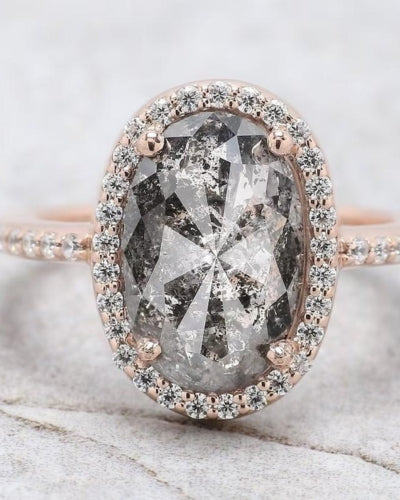
- Black diamond engagement rings
- Gender-neutral designs
- Architectural influences
- Sustainable materials
- Custom symbolic jewelry
- Luxury Gothic collections
Conclusion
The history and origins of Gothic jewelry reveal a fascinating journey through medieval Europe, religious symbolism, Victorian mourning traditions, Gothic literature, and modern luxury fashion.
What began as artistic expression rooted in spirituality and architecture has evolved into a globally admired jewelry style celebrated for its symbolism, craftsmanship, and timeless individuality. Custom Ring Builder
Frequently Asked Questions
What is Gothic jewelry?
Gothic jewelry is a style inspired by Gothic architecture, symbolism, history, literature, and fashion.
When did Gothic jewelry originate?
Its roots trace back to medieval Europe during the Gothic period.
Why is black commonly used?
Black represents mystery, elegance, sophistication, and symbolism.
What gemstones are most popular?
Onyx, black diamonds, garnet, obsidian, and amethyst.
Is Gothic jewelry only for Goth culture?
No. Many collectors appreciate its craftsmanship and symbolism regardless of fashion identity.
What metals are commonly used?
Sterling silver, stainless steel, white gold, and platinum.
Are skull motifs negative?
Not necessarily. They often symbolize mortality, wisdom, and transformation.
What inspired Victorian Gothic jewelry?
Mourning traditions, medieval revival aesthetics, and romantic symbolism.
Can Gothic jewelry be luxurious?
Yes. Modern Gothic jewelry often includes precious metals and gemstones.
Why has Gothic jewelry survived for centuries?
Its combination of symbolism, craftsmanship, and timeless design continues to resonate across generations.


Dejar un comentario
Este sitio está protegido por hCaptcha y se aplican la Política de privacidad de hCaptcha y los Términos del servicio.