Engagement & Wedding Rings with Lab-Grown Diamonds
TL;DR: Lab-grown diamonds give you the same sparkle and durability as mined diamonds at a fraction of the price and environmental impact. This guide from Fancy Diamond Jewels covers styles, buying advice, design inspiration, care, comparisons, and step-by-step guides to picking the perfect engagement and wedding rings.
Hook: Why modern couples are switching to lab-grown diamonds
Imagine the ring you propose with is indistinguishable from a mined diamond — same brilliance, same hardness, same emotional weight — but costs significantly less and was created with a smaller environmental footprint. That's the core attraction of lab-grown diamonds for engagement and wedding rings in today’s market.
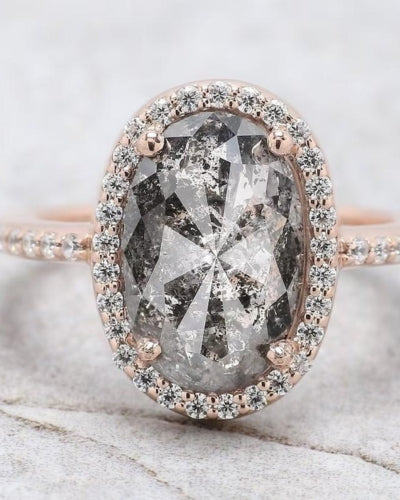
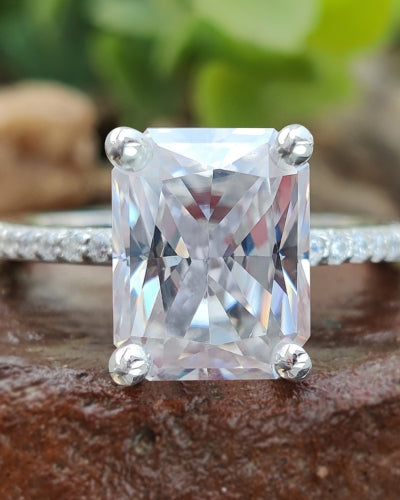
Close up of a lab-grown diamond engagement ring
1. Why Choose Lab-Grown Diamonds?
Lab-grown diamonds (also called lab-created or synthetic diamonds) are chemically and optically the same as natural diamonds — they are crystallized carbon with the same cubic crystal structure and score 10/10 on the Mohs hardness scale. The main differences are origin and price.
Cost-savings: Lab-grown diamonds are often 30–70% cheaper for the same specifications.
Ethical sourcing: Created in controlled labs — no mining, fewer human-rights concerns.
Lower environmental footprint: Less habitat disruption and lower long-term impact (varies by producer).
Variety & availability: Easier to source fancy colors and larger sizes.
2. 2025 Trends in Lab-Grown Engagement Rings
Designers have doubled down on individuality — mixed metals, sculptural settings, and colored lab-grown diamonds are trending. Halo and vintage-inspired settings remain popular, while minimal solitaires are favored by couples seeking timelessness.
Mixed metal pairings: rose gold + platinum combos.
Stackable wedding bands that mix pavé lab-grown diamonds with plain metal bands.
3. How Lab-Grown Diamonds Are Made
CVD vs HPHT
The two main methods are Chemical Vapor Deposition (CVD) and High Pressure High Temperature (HPHT). CVD grows diamonds layer-by-layer in a chamber, while HPHT mimics the Earth's conditions to convert carbon into a diamond crystal. Both produce gem-quality stones when followed by post-growth treatment and cutting.
4. Popular Cuts & Settings for Engagement Rings
Classic Cuts
Round Brilliant — timeless sparkle, best light performance.
Princess & Cushion — popular for halo and vintage settings.
Emerald & Asscher — elegant step cuts that emphasize clarity.
Modern & Unique Cuts
Pear & Marquise — elongate the finger.
Hexagon & Kite — fashion-forward and geometric.
5. Step-by-Step Guide: How to Choose the Perfect Lab-Grown Engagement Ring
Decide on style: Solitaire, halo, vintage, or modern? Look through galleries and save favorites.
Set a budget: Convert budget into a target carat & 4Cs split.
Pick the cut: Round for maximum sparkle; step cuts for elegance.
Check certification: Ask for a reputable certificate (IGI or equivalent).
Inspect setting & metal: Choose between platinum, 18k/14k gold, or mixed metals.
Try on & customize: If possible, preview ring in person or request high-quality renders.
6. Budgeting & Pricing
Because lab-grown diamonds cost less than mined diamonds, many couples redirect savings to higher carat weight, better setting, or customizations. Below is a simple pricing guidance table to orient expectations (prices indicative):
Carat (lab-grown)
Typical price range (USD)
Best use
0.25–0.49 ct
$150–$600
Delicate solitaires & stacking rings
0.50–0.99 ct
$300–$1,400
Classic engagement rings
1.00–1.99 ct
$600–$3,000
Statement ring, halo, custom settings
2.00+ ct
$1,500+
Large center stones and fancy colors
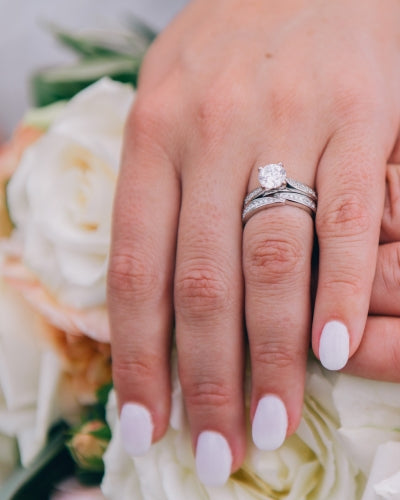
7. Matching Wedding Sets: Engagement + Wedding Band
Choosing a wedding band that pairs seamlessly with your engagement ring is both aesthetic and symbolic. Popular approaches:
Contoured bands that nestle against the engagement ring.
Matching pavé bands with lab-grown diamonds for continuous sparkle.
Annual professional inspection: check prongs, settings, and stone security.
Insurance: add to home or jewelry insurance for loss or damage.
9. Lab-Grown vs Mined Diamonds — Side-by-Side Comparison
Feature
Lab-Grown
Mined
Price
Lower (30–70% less)
Higher
Origin
Created in lab
Extracted from mines
Environmental impact
Generally lower
Higher (varies)
Resale value
Typically lower
Generally higher
Certification
IGI, some labs offer GIA-like reports
GIA, AGS common
10. Real Couples: Case Studies & Examples
Case Study — A Modern Minimalist Proposal
Couple: A & J. Budget: $1,200. Decision: 1.0 ct lab-grown round brilliant set in 14k white gold solitaire. Outcome: Chose a high-quality cut over color for maximum sparkle; ceremony photos captured exceptional brilliance.
Case Study — Vintage Halo with Lab-Grown Center
Couple: S & R. Budget: $2,800. Decision: 0.9 ct lab-grown cushion cut with double halo and milgrain band. Outcome: The vintage setting emphasized finger coverage and perceived size while keeping costs manageable.
11. Design Examples & Inspiration
Below are curated design ideas you can shop or customize:
Classic solitaire with a bezel for active lifestyles.
At Fancy Diamond Jewels, our bench jewelers have over 8 years of experience crafting engagement and wedding rings. We routinely work with lab-grown diamonds in bespoke designs, monitor industry grading standards, and provide transparency on certification so couples can make confident choices. Below is an on-the-bench recount from a master setter:
"When setting lab-grown stones, we treat them identically to natural diamonds — same care in prong placement and symmetry checks. A well-cut lab-grown diamond reflects light exactly as expected and holds up beautifully over time."
14. Infographic: Lab-Grown Engagement Ring Checklist
Use this checklist when shopping or customizing:
Confirm certification and report number
Prioritize cut quality for brilliance
Decide metal (platinum for durability; 18k gold for warm tone)
Confirm warranty and return policy
Measure ring size carefully (consider comfort fit)
Infographic placeholder: engagement ring checklist
15. Shop Collections & Internal Links
Explore curated categories at Fancy Diamond Jewels:
Many couples choose bespoke rings to infuse personal symbolism. Fancy Diamond Jewels offers custom design consultations, CAD renders, and sample previews. Typical customization options:
Engraving (dates, messages)
Metal finishes (matte, hammered, high polish)
Accent stones (lab-grown melee or colored gems)
17. Sizing & Comfort Fit
Comfort-fit bands are slightly domed inside and sit more comfortably for daily wear. When sizing for an engagement ring with a wide band, go up half a size to ensure comfort.
18. Warranty, Certification & Returns
Always request the stone’s certificate and an itemized invoice. Check Fancy Diamond Jewels' policies for returns and warranties on handcrafted pieces to know your options for resizing or repairs.
19. Buying Online vs In-Store: What to Expect
Online: broader selection, competitive pricing, high-quality photos and videos. In-store: try-on, immediate appraisal, and in-person consultation. Fancy Diamond Jewels provides detailed product pages and custom service options to bridge both experiences.
20. Sustainability: What 'Lab-Grown' Really Means
Lab-grown diamonds reduce the need for mining and associated land disturbance. However, manufacturing energy sources and lab practices affect the overall footprint — ask retailers about their sourcing and lab partners for transparency.
21. Buying Tips: Avoid Common Pitfalls
Don't buy without a certificate or clear grading report.
Ask for multiple photos or video under natural light.
Compare cut grades — cut matters more than color for brilliance.
22. Proposal & Wedding Gift Guide
Budget-conscious options include smaller center stones paired with diamond-accent bands or opting for colored lab-grown diamonds that command visual interest without a large center carat.
23. Legal & Ethical Considerations
Some markets require clear labeling of lab-grown vs natural diamonds. Reputable retailers always disclose origin and provide a certificate reflecting the stone's origin.
24. Storage, Insurance & Appraisals
Keep your ring in a fabric-lined box and insure it for replacement value. Obtain a professional appraisal for insurance documentation and update after significant repairs or resizing.
25. Trend Forecasts: What’s Next for Lab-Grown Bridal Jewelry
Expect more fancy-color lab-grown stones, increased designer collaborations, and improved grading transparency as the category matures.
26. FAQs
Are lab-grown diamonds real diamonds?
Yes. Lab-grown diamonds are real diamonds — chemically, physically, and optically identical to mined diamonds.
Do lab-grown diamonds have the same durability as natural diamonds?
Yes — they rate 10 on the Mohs hardness scale and are suitable for everyday wear when properly set.
Will a jeweler tell if my diamond is lab-grown?
Professional gem labs with the right equipment can distinguish origin; jewelers rely on certificates to confirm.
Are lab-grown diamonds insured?
Yes — many insurers cover lab-grown diamonds; insure them for replacement value.
Can I get a custom ring with a lab-grown center stone?


Leave a comment
This site is protected by hCaptcha and the hCaptcha Privacy Policy and Terms of Service apply.