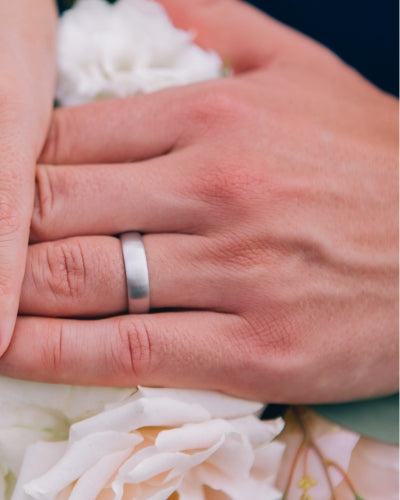
An anniversary is more than a date on the calendar. It celebrates the promises you have kept, the challenges you have overcome together, the milestones you have reached, and the memories that continue to shape your relationship. Finding a gift that captures all those feelings can be difficult, especially when you want something personal, lasting, and different from the usual anniversary presents.
That is where lab-grown diamond jewelry for men offers an appealing choice. A carefully selected diamond ring, bracelet, chain, pendant, or pair of understated diamond earrings can complement his personal style while giving your anniversary gift a deeper meaning. Whether he prefers minimalist accessories, contemporary luxury, or a distinctive statement piece, there are designs to suit different tastes, occasions, and budgets.
Lab-grown diamonds are real diamonds created using technological processes that replicate the conditions required for diamond growth. They share the essential chemical, physical, and optical properties of mined diamonds, although their origin differs. For shoppers, this creates another way to explore diamond jewelry while comparing the cut, carat weight, clarity, color, setting, metal, craftsmanship, and overall value of a piece.
This comprehensive guide explains how to choose the best lab-grown diamond jewelry for anniversaries, how to match designs to his lifestyle, what to examine before purchasing, and how to turn a beautiful accessory into a meaningful reminder of your relationship. jewelry for men
A lab-grown diamond ring is an excellent choice for someone who appreciates timeless jewelry. A diamond bracelet suits a man who likes versatile accessories, while a pendant or chain can feel personal without being too formal. Begin with his existing style, select a comfortable and durable design, compare diamond specifications and metal quality, and add a personal touch such as engraving or a handwritten anniversary message when available.
Explore the Jewelry Collection
1. Why Choose Lab-Grown Diamond Jewelry for an Anniversary?
An anniversary gift should feel connected to the person receiving it. A thoughtful piece of jewelry can become part of his everyday wardrobe and remind him of an important moment without needing to be worn only on special occasions. Lab-grown diamond jewelry offers several design possibilities for couples who want to celebrate their relationship with a modern diamond gift.
Real diamond beauty with a different origin
Lab-grown diamonds are not simply glass or imitation stones. They are diamonds produced through controlled growth processes, commonly chemical vapor deposition or high-pressure, high-temperature methods. Their origin is different from mined diamonds, but their fundamental diamond properties are substantially the same. Appropriate gemological testing can distinguish their growth origin.
More design options to compare
Depending on the collection and available budget, lab-grown diamonds may allow shoppers to compare different stone sizes, shapes, settings, and jewelry styles. A buyer might consider a discreet diamond band, a bold geometric ring, a bracelet with diamond accents, or a contemporary pendant. The best choice is not necessarily the largest stone; it is the piece that fits his preferences and will be worn comfortably.
A meaningful alternative for modern couples
Some couples prefer lab-grown diamonds because they appreciate technology-led production, design flexibility, or the opportunity to compare a wider range of specifications at a particular price point. Others prioritize the symbolism of a diamond and the style of the finished jewelry. Your choice should reflect your own values, expectations, and budget rather than relying on a broad promise that one diamond origin is automatically better for everyone.
Suitable for different anniversary milestones
A diamond gift can mark a first anniversary, a decade together, a major renewal of vows, or a spontaneous celebration of a shared achievement. A minimalist band can feel appropriate for everyday wear, while a distinctive ring or coordinated set can mark a particularly significant milestone.
2. Understanding Lab-Grown Diamonds Before You Buy
Before choosing a setting or metal, understand exactly what the diamond is and what the product description promises. This helps you compare jewelry accurately and avoid confusing a lab-grown diamond with a diamond simulant.
Lab-grown diamond versus diamond simulant
A lab-grown diamond has the characteristic composition and crystal structure of diamond. A simulant, such as cubic zirconia, is a different material designed to resemble diamond visually. Moissanite is another distinct gemstone with its own optical properties. All three can appear attractive in jewelry, but they are not interchangeable in product descriptions.
Read the stone specification carefully. Confirm whether the listing describes a lab-grown diamond, a natural diamond, moissanite, cubic zirconia, or another stone. Do not rely on a product title alone if the detailed specifications say something different.
How lab-grown diamonds are made
Two widely used processes are high-pressure, high-temperature growth and chemical vapor deposition. Both can produce gem-quality diamonds. The exact process, growth conditions, finishing, and grading can vary by stone. The origin should be disclosed clearly by the seller, and any grading report should correspond to the stone being purchased.
What a grading report can tell you
A grading report can document important diamond characteristics, including measurements, carat weight, color, clarity, and cut information where applicable. Some reports also identify the stone as laboratory-grown. Confirm the issuing organization, report number, and whether the report matches the exact stone and product you intend to buy.
Why product descriptions matter
For a jewelry gift, the metal and setting are just as important as the center stone. Look for details about metal purity, whether a finish is plated, the ring size or bracelet length, the stone's identity, and what is included in the purchase. A clear description gives you a more dependable basis for comparing designs.
For additional guidance on choosing a ring, read how to choose the perfect lab-grown diamond ring for your partner.
3. Best Anniversary Jewelry Gifts for Men
Men's jewelry is not limited to one traditional look. Some men wear a ring every day, while others prefer a bracelet, pendant, or small diamond detail that works with business clothing and casual outfits. The following options provide a useful starting point when choosing lab-grown diamond anniversary jewelry.
Best overall: A lab-grown diamond ring
A diamond ring is an enduring anniversary choice because it can symbolize commitment while fitting naturally into a personal jewelry collection. A clean band with a single diamond accent works for a man who prefers understated design. A signet-inspired silhouette or geometric setting may suit someone who enjoys distinctive accessories.
Best for everyday versatility: A diamond bracelet
A bracelet can be an excellent gift for someone who already wears a watch, chain, or cuff. Choose a design that sits comfortably on the wrist and does not interfere with typing, manual tasks, or exercise. A subtle diamond accent often provides a refined look without overwhelming the rest of his accessories.
Best for a personal style statement: A diamond pendant
A pendant can express individuality without requiring a ring size. Depending on the design, it may be worn beneath a shirt or displayed over a simple T-shirt. Consider chain length, pendant weight, neckline, and whether he already wears necklaces before making your selection.
Best for a fashion-conscious recipient: Diamond earrings
Diamond stud earrings or understated diamond accents can make a memorable gift for someone who already wears earrings. The correct style depends on his established preferences, workplace expectations, and comfort. If you are unsure whether he wears earrings, choose a different category or confirm his preference discreetly.
Best for a milestone celebration: A personalized jewelry piece
Engraving, a significant date, initials, or a private message can turn a beautiful piece into a reminder of a shared story. Confirm that the selected item supports personalization and that the available engraving area can accommodate your chosen text.
4. Lab-Grown Diamond Rings: A Timeless Anniversary Choice

Rings are often the first category people consider when shopping for anniversary jewelry. They are visible, easy to personalize, and available in designs ranging from subtle to dramatic. For men, a successful ring design should combine visual appeal with a comfortable profile and a setting suited to his daily activities.
Minimalist diamond bands
A minimalist band uses a clean silhouette and restrained diamond detail. It works well for men who prefer practical accessories, neutral clothing, and jewelry that does not dominate an outfit. Consider a smooth interior, balanced width, and a setting that does not catch on clothing.
Solitaire and single-stone rings
A solitaire ring emphasizes one central stone. Depending on the shape and setting, it can feel classic, contemporary, or architectural. A lower-profile setting may be easier for regular wear, while a taller setting can create a more prominent look but may require additional care.
Black and colored diamond rings
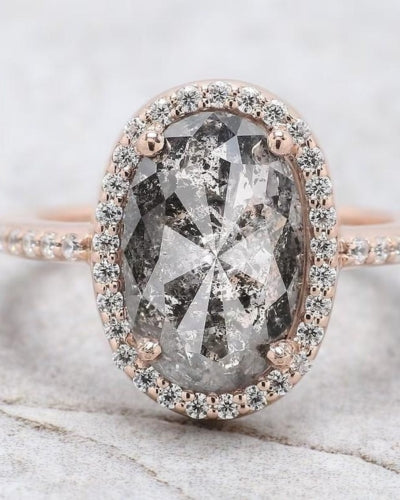
Colored diamond designs offer a distinctive alternative to traditional white diamonds. Black, blue, green, champagne, and other colors can create different visual effects. Verify whether the specific stone is lab-grown, treated, natural, or another material, and ensure that the product description explains the color treatment or origin where relevant.
Geometric and modern settings
Square, rectangular, hexagonal, and other geometric shapes can appeal to men who prefer contemporary design. The shape of the stone should work with the band's width and overall proportions. A balanced design often feels more sophisticated than combining too many competing visual elements.
How to find the correct ring size
- Use a professionally measured ring size when possible.
- Check whether the existing ring is worn on the same finger.
- Account for the fact that fingers can change size with temperature and time of day.
- Review the seller's sizing and resizing policies before ordering.
- Ask about resizing limitations for rings with diamonds around the band or intricate settings.
Explore ring styles in the gold diamond rings collection and review each listing's stone and metal specifications before selecting a gift.
5. Lab-Grown Diamond Bracelets for Men

A diamond bracelet can be an appealing anniversary gift for a man who enjoys accessories but does not necessarily want another ring. It can complement a watch, add detail to a formal outfit, or serve as a standalone piece with casual clothing.
Diamond-accent chain bracelets
Chain bracelets combine movement and texture with small diamond details. They can suit men who prefer a traditional jewelry silhouette with a modern finish. Check the clasp, links, bracelet length, and setting security before purchasing.
Tennis-style bracelets
A tennis-style bracelet usually features a continuous line of stones. On men, the look can range from refined to bold depending on the width, metal, and diamond size. Since the design may contain many individual settings, regular inspection and careful handling are important.
Minimalist bracelets with a single diamond detail
A restrained bracelet may use one stone or a small cluster within a clean metal design. This is worth considering if he prefers understated accessories or already wears a watch most days. The bracelet should sit comfortably without rubbing against the watch case.
How to choose bracelet length
Measure the wrist where the bracelet will sit, then check the sizing information for the specific design. A bracelet that is too tight may feel restrictive; one that is too loose can slide excessively or catch on objects. Allow for the style's intended fit rather than applying one measurement to every bracelet type.
Browse the diamond bracelet collection to compare available designs. Confirm the listed stone type and metal composition because a collection may include different materials and diamond categories.
Bracelet buying checklist
- Confirm the correct wrist measurement and desired fit.
- Check the clasp type and how securely it closes.
- Inspect the setting style and any care recommendations.
- Consider whether it will be worn with a watch.
- Check metal purity, finish, and product-specific return conditions.
6. Diamond Chains and Pendants for Men
Chains and pendants suit men who enjoy jewelry around the neckline. They can feel subtle when worn beneath a shirt or become a more visible style statement when paired with a simple crew neck or open collar.
Choose a chain that matches his wardrobe
A fine chain can complement a minimalist wardrobe, while a thicker chain may suit someone who prefers bolder accessories. Pay attention to length, link style, weight, and clasp quality. The chain should work with his usual shirts and should not feel uncomfortable when he moves.
Consider a pendant with personal meaning
A geometric pendant, symbolic motif, or personalized design can make an anniversary gift feel intentional. If he prefers discreet jewelry, choose a small pendant that can be worn under clothing. For a more expressive style, a larger pendant can serve as the focal point of an outfit.
Match the pendant and chain
Check that the chain is suitable for the pendant's weight and bail size. A delicate chain paired with a heavy pendant may not be practical. Metal color and finish should also work together so the overall piece looks cohesive.
Think about his daily routine
For someone who works around machinery, plays contact sports, or exercises frequently, a chain may be inconvenient or unsafe during certain activities. Jewelry should be removed when it could become caught, damaged, or create a safety risk.
7. Diamond Earrings for Men
Diamond earrings are a suitable anniversary option when you know the recipient enjoys wearing them. Studs are generally more understated than larger or dangling designs, and a single small stone can add a polished detail without changing his overall style dramatically.
Choose a familiar silhouette
If he already wears earrings, observe the size, shape, and metal tone of his current pair. Replacing or upgrading a style he enjoys is often more reliable than selecting a completely unfamiliar design.
Consider comfort and secure fastening
Check the post length, backing type, metal composition, and stone setting. People with metal sensitivities should verify the precise alloy and avoid assuming that every gold-colored or silver-colored finish has the same composition.
When earrings are not the right gift
If he does not have pierced ears or has never shown interest in earrings, another category may be a safer choice. The most thoughtful gift reflects the recipient's preferences instead of expecting him to adopt a new look.
8. How to Match Jewelry to His Personal Style

Jewelry should feel like a natural extension of the person wearing it. The best anniversary gift often reflects habits you have observed over years together: whether he prefers clean lines, wears a watch daily, chooses warm metal tones, or enjoys accessories that attract attention.
For the minimalist man
Choose a slim diamond band, a subtle bracelet, or a small pendant. Keep the design uncomplicated and prioritize comfort. A single carefully placed stone can create more impact than an elaborate arrangement that does not suit his wardrobe.
For the modern professional
Look for a low-profile ring, a discreet bracelet, or a simple chain. Neutral metal colors and balanced proportions can work with office clothing, evening wear, and weekend outfits. Confirm any workplace restrictions if he works in an environment where jewelry is limited.
For the bold trendsetter
Consider a geometric ring, a colored diamond accent, or a more substantial bracelet. Choose one focal piece rather than combining several oversized accessories at once. The goal is to make the design feel deliberate rather than crowded.
For the traditional dresser
A classic ring profile, polished gold finish, or understated diamond accent may be more appropriate than a highly experimental design. Traditional style does not need to mean plain; small details in the setting or band can create individuality.
For the practical everyday wearer
Favor smooth edges, secure settings, comfortable sizing, and designs that work with his normal activities. Avoid choosing a tall setting or delicate chain solely because it looks striking in a photograph. The gift should work in real life.
A simple style-matching exercise
- Look at the jewelry he currently wears.
- Identify the metal colors and shapes he repeats.
- Decide whether he prefers subtle, classic, or bold accessories.
- Consider the activities he does most often.
- Choose one piece that fits his habits and adds something meaningful.
9. Choosing the Right Metal for Men's Diamond Jewelry
The metal affects the appearance, weight, maintenance, and price of jewelry. It also influences how the diamond looks within its setting. Always verify the actual metal and purity listed for the product rather than relying on its color alone.
Yellow gold
Yellow gold offers a warm, classic appearance. It works well for men who already wear gold watches, chains, or rings. The exact durability depends on the gold purity and alloy composition. Higher-karat gold contains a greater proportion of pure gold but is generally softer than many lower-karat alloys.
White gold
White gold offers a bright, neutral appearance that can complement a range of diamond shapes. Some white gold jewelry uses a rhodium finish, which may require maintenance over time depending on wear. Ask whether the item has a surface coating and what care is recommended.
Rose gold
Rose gold has a warm pinkish tone created by its alloy composition. It can give an anniversary ring or bracelet a romantic, distinctive look without requiring an ornate design. Compare the specific alloy and finish before buying, especially if the recipient has known metal sensitivities.
Platinum
Platinum is valued for its naturally white appearance and use in fine jewelry. It is dense and may feel heavier than a comparable gold design. Confirm that the item is actually platinum and review the stated purity rather than assuming a white finish indicates platinum.
Sterling silver and plated finishes
Sterling silver can offer an accessible silver-colored option, while plated jewelry uses a surface layer over a different base material. These constructions are not equivalent to solid gold or platinum. If you are buying an anniversary keepsake intended for frequent wear, understand how the finish may respond to abrasion, water, sweat, and polishing.
| Metal or finish | Appearance | What to consider |
|---|---|---|
| Yellow gold | Warm and traditional | Purity, alloy strength, and existing jewelry preferences |
| White gold | Bright and contemporary | Alloy composition and possible rhodium maintenance |
| Rose gold | Warm pink tone | Alloy composition and compatibility with his style |
| Platinum | Naturally white, substantial feel | Actual purity, weight, and budget |
| Sterling silver | Cool silver tone | Purity, tarnish care, and construction quality |
| Plated metal | Depends on the surface finish | Base metal, plating thickness if disclosed, and expected wear |
10. The Four Cs: How to Evaluate a Lab-Grown Diamond
The Four Cs—cut, color, clarity, and carat weight—provide a framework for comparing diamonds. They are useful when shopping for an anniversary gift because they help you understand why two stones with similar dimensions may differ in appearance and price.
Cut: The factor that influences sparkle
Cut refers to how a diamond's proportions, symmetry, and finish influence its interaction with light. It is not the same as the outline or shape of the stone. A round diamond and an emerald-cut diamond have different visual characteristics, and cut grading is not expressed in the same way for every shape.
When comparing diamonds, inspect available cut information and images or video of the actual stone when provided. A high carat weight cannot compensate for a diamond whose appearance does not appeal to you.
Color: How white or tinted the diamond appears
For many colorless diamond grading scales, higher grades represent less noticeable body color. However, the best color choice depends on the shape, setting, design, and your preferences. Some buyers prefer the crisp look of a white diamond in a white metal, while others like the contrast of a diamond in yellow or rose gold.
Clarity: Natural characteristics within the stone
Clarity grading evaluates internal characteristics called inclusions and surface characteristics called blemishes. A higher clarity grade is not automatically the best value for every buyer. Consider the grading report, the stone's appearance, and whether any characteristics are visible without magnification.
Carat: A measurement of weight
Carat measures diamond weight, not the exact diameter or visual size. Two diamonds with the same carat weight may look different because of their shape, proportions, and setting. For men's jewelry, the dimensions and overall balance of the design may matter as much as the stated weight.
How to balance the Four Cs
- Begin with the appearance you want rather than the highest specification in every category.
- Prioritize cut and visual appeal for a design where sparkle is important.
- Compare color and clarity in the context of the chosen shape and setting.
- Use carat weight alongside millimeter measurements when those details are available.
- Compare the full product specification and report, not a single headline number.
11. Choosing a Diamond Shape for Men's Jewelry
Diamond shape has a strong influence on the character of a ring, pendant, or bracelet. Some shapes feel traditional, while others look more architectural or unconventional.
Round brilliant
Round brilliant diamonds are known for their sparkle and familiar outline. They work well in solitaire settings, small accent designs, and classic jewelry silhouettes. A round stone can feel timeless without appearing overly formal.
Princess and square shapes
Square shapes offer clean lines and a contemporary appearance. They can suit geometric rings and modern men's jewelry. Examine the corners and setting because the design should protect the stone appropriately for the intended use.
Emerald cut
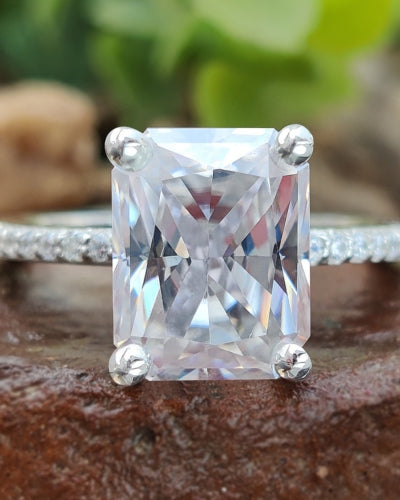
Emerald-cut diamonds have a rectangular outline and step-cut facets that create a different visual effect from brilliant cuts. Their appearance emphasizes clarity and geometry rather than the same pattern of sparkle seen in a round brilliant. This style can suit someone who appreciates a refined, architectural look.
Oval and elongated shapes
Oval and other elongated diamonds can create a distinctive line in a ring or pendant. Their proportions should complement the size of the setting and the wearer's preferred style. Make sure the design feels balanced rather than oversized for his hand or neckline.
Colored and unconventional shapes
Hexagonal, shield, kite, and other unusual outlines can appeal to men who want a distinctive design. Before buying, review the stone's identity, measurements, setting security, and any treatment disclosures. An unconventional shape can be memorable when it is well integrated into the jewelry.
12. Planning a Budget for an Anniversary Jewelry Gift
A meaningful anniversary gift does not need to exceed your financial comfort zone. Set a realistic budget first, then compare pieces within it. Prices can vary with diamond characteristics, metal, craftsmanship, design complexity, brand, and product availability.
Start with the total cost
Consider the complete purchase rather than the displayed jewelry price alone. Depending on the order and destination, taxes, delivery, customization, resizing, insurance, or other charges may affect the final amount. Confirm the applicable terms before checkout.
Spend according to his preferences
If he wears simple jewelry, a smaller diamond in a carefully designed setting may be more suitable than a large stone in an elaborate ring. If he loves bold accessories, you may prefer to allocate more of the budget to the overall design, metal, or bracelet construction.
Do not confuse size with value
Two products may have different prices for reasons that go beyond carat weight. Compare stone identity, quality details, metal purity, setting, finishing, dimensions, and service terms. A product with incomplete specifications should not be treated as directly comparable to one with detailed documentation.
Budget planning table
| Budget approach | Possible gift direction | What to prioritize |
|---|---|---|
| Value-focused | Minimalist ring or understated pendant | Accurate specifications, comfort, and versatile design |
| Mid-range | Diamond-accent ring or bracelet | Metal quality, stone details, finish, and everyday wear |
| Premium | More elaborate ring or coordinated jewelry | Craftsmanship, design proportions, documentation, and service |
| Milestone investment | Personalized or custom-designed piece | Design approval, sizing, customization terms, and long-term care |
These categories are planning approaches, not fixed price brackets. Check current product listings and confirm the final cost of the specific item you choose.
13. Anniversary Jewelry Ideas by Milestone
There is no single jewelry rule for every anniversary year. The best gift reflects your relationship and the recipient's taste, rather than following a tradition that does not feel personal to you.
First anniversary
For a first anniversary, consider a minimalist diamond ring, a pendant, or a bracelet that can become part of his regular rotation. A discreet engraving of the date can make a relatively simple piece feel more personal.
Fifth anniversary
A fifth anniversary can be an opportunity to upgrade a familiar style or choose a piece that reflects how your relationship has developed. If he wears a ring regularly, consider a distinctive setting or a design with personal symbolism.
Tenth anniversary
For a decade together, a more substantial ring or diamond bracelet can mark the milestone. A three-stone motif may be meaningful if you associate it with shared memories, present commitment, and future plans, but symbolism is personal rather than universal.
Twenty-fifth anniversary
A twenty-fifth anniversary often calls for a keepsake that feels enduring. Consider a high-quality piece in a preferred metal, a personalized design, or jewelry that coordinates with a meaningful item already in his collection.
An unexpected anniversary
You do not need to wait for a milestone year. A lab-grown diamond gift can celebrate a shared achievement, a difficult season you navigated together, or simply the desire to make an ordinary date special.
| Occasion | Gift idea | Personal touch |
|---|---|---|
| First anniversary | Minimalist ring or pendant | Engraved date or short message |
| Fifth anniversary | Diamond-accent bracelet | A note about a shared memory |
| Tenth anniversary | Statement ring or refined chain | Choose a design that reflects his style today |
| Twenty-fifth anniversary | Premium or custom jewelry | Connect the gift to your shared history |
| Just because | Everyday diamond accessory | Write why you chose it for him |
14. Personalization: Make the Gift Uniquely His
Personalization turns a jewelry purchase into a story. Even when the design itself is simple, a thoughtful detail can connect the gift to a shared memory, private joke, important date, or promise.
Engrave a meaningful date
An anniversary date, wedding date, or another milestone can create a lasting reminder of your relationship. Check the available engraving area and character limit before finalizing the text.
Use initials or a short phrase
Initials offer a discreet option, while a short phrase can carry more emotional meaning. Choose wording that will still feel relevant years from now. If the jewelry is a ring, confirm whether the design allows engraving without compromising the structure or comfort.
Choose a stone with personal symbolism
You might select a diamond shape, color, or setting because it reminds you of a place or memory. A geometric stone could reflect his modern style, while a warm metal tone could connect with a piece he already loves. Explain the meaning in a handwritten card so the connection is not lost.
Pair jewelry with a written message
A personal note can be as meaningful as the jewelry itself. Write about a specific memory, something you admire about him, or what you look forward to in the years ahead. Avoid generic wording if a small personal detail would make the message more sincere.
Confirm customization timelines
Personalized orders may require additional preparation. Confirm the production timeline, proofing process if available, spelling, engraving placement, and return or exchange rules before placing the order, especially when the anniversary date is close.
15. Step-by-Step Guide to Buying Lab-Grown Diamond Anniversary Jewelry
Use this practical sequence to make a considered purchase without becoming overwhelmed by product specifications.
Step 1: Decide what type of jewelry he will wear
Choose between a ring, bracelet, chain, pendant, or earrings based on his existing habits. If you are uncertain, observe which accessories he wears repeatedly and which ones remain unused.
Step 2: Set your spending limit
Decide the maximum total amount you are comfortable spending, including any applicable taxes, delivery, and customization. This keeps the search focused and reduces the temptation to pay for features he may not value.
Step 3: Choose a design direction
Identify whether he prefers classic, minimalist, modern, vintage-inspired, or bold jewelry. Save a few designs that fit the same style so you can compare them fairly.
Step 4: Verify the diamond type
Read the full product description to confirm that the stone is a lab-grown diamond if that is what you intend to buy. Distinguish it from moissanite, cubic zirconia, natural diamonds, and other stone types.
Step 5: Review the diamond specifications
Check carat weight, measurements, shape, color, clarity, and cut information where supplied. Review grading documentation when applicable, and confirm that any report relates to the stone being sold.
Step 6: Confirm the metal
Look for the exact metal, purity, and finish. Do not assume a gold-colored item is solid gold or that a silver-colored finish indicates platinum or sterling silver.
Step 7: Check fit and comfort
Verify ring size, bracelet length, chain length, or earring dimensions as appropriate. Consider whether the setting or shape might catch on clothing or interfere with his everyday activities.
Step 8: Read the product and service policies
Review delivery estimates, return eligibility, resizing terms, warranty coverage if offered, and customer support options. Make sure any special terms for personalized jewelry are clear.
Step 9: Plan the presentation
Consider a gift box, handwritten message, or a quiet moment to present the jewelry. Keep the presentation consistent with his personality: some people enjoy a public surprise, while others prefer a private exchange.
Step 10: Save your order information
Keep the order confirmation, product description, grading documentation if supplied, and care instructions. These records can help with future maintenance, insurance enquiries, or questions about the purchase.
16. Men's Lab-Grown Diamond Jewelry: Comparison Chart
Use this comparison to narrow down the type of gift before you compare individual products. It reflects general style and practical considerations; the final experience depends on the specific design and its construction.
| Jewelry type | Style | Fit consideration | Best suited to |
|---|---|---|---|
| Diamond ring | Classic to bold | Accurate finger size and setting profile | Someone who enjoys rings |
| Diamond bracelet | Minimal to statement | Wrist measurement and clasp security | Someone who wears watches or bracelets |
| Diamond chain | Casual to refined | Chain length, thickness, and clasp | Someone who wears necklaces |
| Diamond pendant | Personal and expressive | Pendant weight and chain compatibility | Someone who likes symbolic accessories |
| Diamond earrings | Subtle to fashion-forward | Piercing, backing, and metal comfort | Someone who already wears earrings |
| Custom jewelry | Personalized | Design approval and production timing | Someone who values individual details |
Which piece offers the most versatility?
For many recipients, a simple ring or understated bracelet can be worn with different outfits. A chain or pendant can also be versatile if its length and design match his wardrobe. The most versatile item is the one he will actually enjoy wearing, not necessarily the one that suits the largest number of hypothetical outfits.
Which piece is easiest to choose as a surprise?
A pendant or chain may avoid the sizing uncertainty of a ring, but style and length still matter. A bracelet also requires a suitable fit. If the gift must remain a surprise, observe his existing accessories and review exchange terms before ordering.
17. Pros and Considerations of Lab-Grown Diamond Jewelry
Potential advantages
- Real diamond material: Lab-grown diamonds share the essential composition and crystal structure of mined diamonds.
- Design flexibility: Shoppers can compare a range of shapes, sizes, colors, and settings.
- Budget choices: Depending on the market and specification, lab-grown diamonds may offer different price-to-size options than mined diamonds.
- Modern appeal: They suit contemporary designs and can be used in classic jewelry styles as well.
- Meaningful personalization: A ring, pendant, or bracelet can be connected to a specific anniversary memory.
Important considerations
- Resale expectations: Lab-grown diamonds should not be assumed to retain their original retail price or behave like an investment. Resale values can be limited and market-dependent.
- Origin disclosure: Buyers should confirm that the product is accurately described as lab-grown and distinguish it from simulants.
- Documentation: Not every stone comes with the same type of grading report. Review what is actually supplied.
- Metal quality: A beautiful stone does not compensate for an unsuitable alloy, weak clasp, or poorly designed setting.
- Environmental claims: Impacts vary with production method, energy source, and other factors. Avoid assuming that every lab-grown diamond has the same environmental footprint.
Is lab-grown diamond jewelry a good long-term gift?
It can be, provided the jewelry is made for the intended use and cared for appropriately. Diamond hardness does not make a ring or bracelet indestructible. Settings, clasps, metal surfaces, and other components can still be scratched, bent, or damaged. Regular inspection and sensible wear habits help preserve the piece.
18. How to Style Men's Diamond Jewelry

Good styling is usually about proportion and balance. One carefully chosen accessory can make an outfit feel complete without competing with the rest of the look.
For everyday casual clothing
A minimalist ring, simple bracelet, or discreet chain can pair with jeans, a T-shirt, a polo shirt, or casual knitwear. Keep the overall look comfortable and avoid wearing jewelry that may catch on bags, equipment, or other objects during the day.
For business and formal wear
Choose a low-profile ring, understated bracelet, or refined chain. A single piece often looks more deliberate than several competing accessories. If he wears a watch, coordinate the visual weight and metal tone where practical.
For celebrations and evening occasions
A more prominent ring or bracelet can complement a suit, blazer, or formal traditional outfit. Match the jewelry's scale to the outfit and consider the occasion's dress code. Diamond jewelry should enhance his style rather than distract from it.
Mixing metal colors
Mixing metals can look intentional when the pieces share a visual connection, such as similar finishes or a repeated design detail. If he prefers a coordinated look, start with one metal tone and build around it. There is no need to force every accessory into a perfect match if his existing style is more relaxed.
Layering chains and bracelets
Keep layers balanced by varying length or texture rather than stacking pieces that compete for attention. Ensure each chain or bracelet can move comfortably and will not repeatedly scrape against another piece. Remove jewelry during activities that could damage it or create a safety hazard.
19. How to Care for Lab-Grown Diamond Jewelry
Lab-grown diamonds are hard, but jewelry is a complete object made of stones, metal, and settings. Care should protect all those components rather than focusing only on the diamond.
Clean gently at home
For many durable jewelry designs, gentle cleaning with lukewarm water, a small amount of mild soap, and a soft brush can remove everyday residue. Check the product's care instructions first, particularly if it includes delicate settings, coatings, additional gemstones, or materials that require special treatment.
Inspect settings and clasps
Look for loose stones, bent prongs, damaged links, or a clasp that no longer closes securely. If something appears loose, stop wearing the piece until a qualified jeweler can inspect it. Continuing to wear damaged jewelry may lead to stone loss or further damage.
Store each piece separately
Keep jewelry in a clean, dry place and separate items where possible to reduce scratches and tangling. A dedicated pouch or compartment can help prevent a ring from rubbing against other accessories.
Avoid harsh chemicals and unsuitable cleaning methods
Remove jewelry before using strong cleaning products, swimming in treated water, or applying products that may affect the metal or finish. Avoid abrasive materials and unverified home remedies. Ultrasonic cleaning is not appropriate for every setting or gemstone combination, so ask a jeweler when unsure.
Remove jewelry for risky activities
Take off rings, chains, and bracelets during contact sports, heavy lifting, or tasks where jewelry could catch on equipment. This protects both the piece and the wearer. A diamond's hardness does not prevent chipping under certain impacts, and metal settings can deform. Custom Ring Builder
Schedule professional checks when needed
Professional inspection can identify loose settings, worn clasps, or other issues before they become more serious. The frequency depends on how often the jewelry is worn, the design, and the manufacturer's care guidance.
20. Common Mistakes to Avoid When Buying Anniversary Jewelry
Mistake 1: Buying only for carat weight
A large stone may look impressive in a product photo, but overall proportions, cut, setting, and comfort all matter. Compare the complete design instead of selecting the highest carat number automatically.
Mistake 2: Assuming every diamond-like stone is a diamond
Read the full specifications. Lab-grown diamonds, mined diamonds, moissanite, and cubic zirconia are different materials or categories and should be described accurately.
Mistake 3: Ignoring metal purity
A gold-colored surface does not prove that a piece is solid gold. Check the metal type, purity, and whether the item is plated, filled, or made from another base material.
Mistake 4: Guessing the ring size
Incorrect sizing can turn a thoughtful surprise into an avoidable inconvenience. Use a reliable measurement or confirm the available resizing options before purchase.
Mistake 5: Choosing a style he would never wear
A gift should reflect the recipient, not only the giver. If he consistently chooses simple accessories, a very large statement ring may remain unworn despite its beauty.
Mistake 6: Forgetting delivery and customization time
Do not assume every design is ready to ship immediately. Check estimated delivery dates, personalization timelines, and shipping terms before relying on the item for a specific celebration.
Mistake 7: Overlooking the return policy
Review the conditions for returns, exchanges, resizing, and personalized orders. Keep the product information and order confirmation for reference.
Mistake 8: Treating diamond jewelry as a guaranteed investment
Purchase jewelry for its design, meaning, and enjoyment rather than assuming it will appreciate. Retail pricing and resale values are different, and future resale demand is uncertain.
21. Three Anniversary Gift Scenarios: How to Make the Right Choice
The following illustrative scenarios show how different priorities can lead to different gift decisions. They are examples for planning, not claims about specific customers or documented purchases.
Scenario A: The minimalist who wears a watch every day
Profile: He prefers neutral clothing, wears a watch daily, and rarely wears rings.
Possible choice: A slim diamond-accent bracelet or a discreet pendant.
Why it may work: The design adds a small detail without asking him to change his style. A bracelet should be selected to fit comfortably beside his watch, while a pendant should suit his usual shirt necklines.
What to check: Bracelet length, clasp security, chain length, metal composition, and whether he can wear the piece safely during daily activities.
Scenario B: The man who values classic jewelry
Profile: He wears a wedding band, prefers polished accessories, and likes timeless designs.
Possible choice: A classic lab-grown diamond ring or a refined ring design in his preferred metal.
Why it may work: The gift complements something he already enjoys. A familiar silhouette can feel special through a carefully chosen stone, setting, or engraving.
What to check: Finger size, ring profile, stone identity, metal purity, and resizing options.
Scenario C: The fashion-conscious man who enjoys statement pieces
Profile: He experiments with accessories, wears distinctive clothing, and enjoys unusual shapes or colors.
Possible choice: A geometric ring, colored diamond accent, or more prominent bracelet.
Why it may work: The design can reflect his individuality and become a focal point in his wardrobe.
What to check: Stone disclosure, measurements, setting security, the overall scale of the piece, and how it works with his existing accessories.
The shared lesson from these examples
Start with the person, then select the product. The most successful gift is one that fits the recipient's habits, offers reliable specifications, and communicates why you chose it. A personal note can make even a modest design feel important.
22. Final Quality Checklist Before Ordering
Before completing your purchase, review this checklist to make sure the jewelry meets your expectations.
- Stone identity: The listing clearly states whether the stone is a lab-grown diamond.
- Diamond specifications: Available information about carat, measurements, color, clarity, shape, and cut is clear.
- Documentation: Any grading report or certificate is described accurately and corresponds to the stone where applicable.
- Metal composition: The exact metal, purity, and finish are disclosed.
- Construction: The setting, links, clasp, and overall design suit the intended use.
- Size: Ring, bracelet, chain, or earring dimensions have been checked.
- Comfort: The jewelry fits his lifestyle and everyday preferences.
- Price: The total cost and applicable charges are understood.
- Delivery: The estimated arrival date works for your anniversary plans.
- Returns: Return, exchange, resizing, and personalization conditions have been reviewed.
- Care: You understand the recommended cleaning and storage methods.
- Presentation: You have considered a message, gift box, or another personal touch.
Taking a few minutes to review these details can make your purchase more confident and help ensure that the gift meets both emotional and practical expectations.
23. Frequently Asked Questions About Lab-Grown Diamond Anniversary Jewelry for Men
1. Are lab-grown diamonds real diamonds?
Yes. Lab-grown diamonds have the essential chemical composition and crystal structure of diamond and share its fundamental physical and optical properties. They are grown in controlled environments rather than formed naturally underground. They are different from simulants such as cubic zirconia, which only imitate diamond's appearance.
2. Is lab-grown diamond jewelry a good anniversary gift for men?
It can be an excellent choice when it matches his style and lifestyle. Rings suit men who enjoy finger jewelry, bracelets offer an alternative for watch wearers, and chains or pendants can provide a personal style statement. Consider comfort, metal quality, diamond specifications, and the recipient's preferences before choosing.
3. What is the best lab-grown diamond jewelry for a husband?
The best piece depends on what he already wears. A classic diamond ring can suit someone who likes traditional jewelry, a minimalist bracelet can work for someone who prefers subtle accessories, and a pendant may suit a man who enjoys necklaces. Observe his current style and choose a design he is likely to wear regularly.
4. Do lab-grown diamonds sparkle like mined diamonds?
Lab-grown diamonds have the same fundamental diamond material properties as mined diamonds. Their visible sparkle depends on factors such as cut, proportions, clarity characteristics, lighting, and cleanliness. Two diamonds can look different even when they share the same origin category or carat weight.
5. How do I know whether a diamond is lab-grown?
Check the product description and any available grading documentation. Reputable documentation should identify the stone accurately and correspond to the item being sold. If the origin is unclear, ask the seller for clarification before purchasing. Visual appearance alone is not a reliable way to establish origin.
6. What should I prioritize when buying a lab-grown diamond ring?
Start with the recipient's style, correct ring size, and a setting suitable for daily wear. Then compare the diamond's cut, color, clarity, carat weight, shape, measurements, and available grading information. Metal composition, craftsmanship, resizing terms, and return policies are also important.
7. Are lab-grown diamonds more affordable than mined diamonds?
Lab-grown diamonds are often less expensive than comparable mined diamonds, but the actual price depends on the market, specifications, design, and seller. Compare the complete jewelry item rather than using carat weight alone. Metal, craftsmanship, and service terms can also affect the final cost.
8. Which metal is best for men's anniversary diamond jewelry?
Yellow gold suits a warm, classic look; white gold offers a bright, contemporary finish; rose gold creates a distinctive warm tone; and platinum provides a naturally white, substantial option. The best metal depends on budget, personal taste, purity, and maintenance preferences. Always verify the stated metal and alloy.
9. Are black or colored lab-grown diamonds suitable for men's jewelry?
Colored diamond jewelry can be a strong option for men who enjoy distinctive accessories. Black, blue, green, champagne, and other colors can create different looks. Confirm the stone's identity, origin, and any treatment disclosures, since not every colored stone is necessarily a lab-grown diamond.
10. How do I choose the right ring size for an anniversary surprise?
The most reliable option is a professional measurement. If that is not possible, an existing ring may help only if it is worn on the same finger and fits comfortably. Check resizing options and timelines before ordering, since some settings and band designs may limit the available adjustments.
11. Can men wear diamond bracelets every day?
Many men can wear a well-made diamond bracelet regularly, provided the design is appropriate for their activities. Fit, clasp security, setting protection, and metal construction matter. Remove jewelry during activities where it could catch on equipment or suffer impact, and inspect the bracelet periodically for damage.
12. How should I clean lab-grown diamond jewelry?
For many suitable designs, gentle cleaning with lukewarm water, mild soap, and a soft brush can remove everyday residue. Follow the specific product's care instructions and avoid harsh chemicals or abrasive materials. If the jewelry includes delicate settings, coatings, or additional gemstones, ask a qualified jeweler about the safest method.
13. Do lab-grown diamonds need a certificate?
Not every jewelry item is supplied with an independent grading report, and documentation varies by stone and product. For a significant purchase, review what documentation is included and whether it identifies the stone's origin and characteristics. Do not assume a report exists unless the seller confirms it.
14. Are lab-grown diamonds a good investment?
They are best purchased for their beauty, design, and personal meaning rather than as a financial investment. Retail prices and resale values are different, and future demand and resale outcomes are uncertain. If resale value matters to you, investigate that question separately before purchasing.
15. Can I personalize a lab-grown diamond anniversary gift?
Personalization may be available depending on the product. Options can include engraving, initials, dates, or custom design details. Confirm the character limit, available placement, production timeline, and return policy for customized pieces before placing your order.
16. What if I do not know whether he prefers rings or bracelets?
Look at the accessories he already wears and note the styles he repeats. If he rarely wears rings but always wears a watch, a bracelet may be more practical. If he wears necklaces, a pendant may be a safer option. You can also choose a design with a clear exchange policy to reduce uncertainty.
17. Is a lab-grown diamond bracelet better than a ring?
Neither category is universally better. A ring may carry stronger personal symbolism for someone who enjoys wearing rings, while a bracelet can offer a different silhouette and work alongside a watch. Choose according to his preferences, comfort, lifestyle, and the quality of the specific design.
18. How early should I order anniversary jewelry?
Order early enough to allow for delivery, possible resizing, personalization, and any unexpected delays. Check the estimated processing and shipping times for the actual item. Customized or made-to-order pieces may require more time than ready-to-ship jewelry.
19. How can I make an anniversary jewelry gift more meaningful?
Connect the gift to a memory, a milestone, or a quality you admire in him. Add a handwritten note, select a meaningful engraving where available, or explain why you chose the design. Personal meaning does not depend on the size or price of the diamond.
20. What should I check before buying men's lab-grown diamond jewelry online?
Confirm the stone type, diamond specifications, metal composition, measurements, product photographs, and available documentation. Review the full price, delivery estimate, return and resizing terms, and care guidance. If an important detail is missing, ask the seller before placing the order.
24. Final Thoughts: Choose an Anniversary Gift That Reflects Your Story
The best lab-grown diamond jewelry for anniversaries is not simply the piece with the largest stone or the most elaborate setting. It is the jewelry that reflects the person receiving it and the relationship you are celebrating. A refined ring, a comfortable diamond bracelet, a meaningful pendant, or a distinctive pair of earrings can all become cherished gifts when they are chosen with care.
Start by understanding his style and everyday routine. Compare the stone identity, diamond specifications, metal quality, sizing, construction, and product policies. Consider how the jewelry will be worn and cared for over time, and make sure the total price fits your budget comfortably.
Most importantly, give the piece a personal meaning. A handwritten message, a memorable date, or a simple explanation of why you chose that particular design can make the gift feel more thoughtful than a generic luxury purchase.
Whether you are celebrating your first anniversary, a decade together, a silver anniversary, or an ordinary day that deserves something special, a carefully selected piece of lab-grown diamond jewelry can become a lasting reminder of your shared journey.
Choose thoughtfully, check the details, and celebrate your story with a gift that feels unmistakably his.


Leave a comment
This site is protected by hCaptcha and the hCaptcha Privacy Policy and Terms of Service apply.