The Beauty of Oval Diamond Rings: A Timeless Elegance
TL;DR: Oval diamond rings combine vintage charm and modern brilliance. They flatter many finger shapes, maximize perceived size, and adapt across settings — from solitaire to halo. This guide covers shape anatomy, the 4Cs for ovals, setting choices, buying checklists, care tips, and real customer stories from FancyDiamondJewels.
Why Choose an Oval Diamond?
Oval diamonds first gained popularity in the 20th century and regained traction as brides and shoppers sought alternatives to round brilliants. The elongated silhouette creates a slenderizing effect on the finger and often gives the illusion of greater size compared with round diamonds of the same carat weight.
Key benefits at a glance
- Flattering elongated shape for many hand types.
- Excellent brilliance when well-cut.
- Perceived larger face-up size compared to round diamonds of equal carat weight.
- Versatile across settings: solitaire, halo, three-stone, cathedral.
Oval Shape Anatomy
Understanding the anatomy helps in buying. The critical measurements are length-to-width ratio, symmetry, and polish. Length-to-width (L/W) typically ranges from 1.30 to 1.60 depending on how elongated you want the stone to look.
Common L/W ratios and their visual effect
- 1.30–1.40 — Classic oval, close to round but subtly elongated.
- 1.45–1.50 — Elegant, elongated look without appearing narrow.
- 1.50+ — Dramatic length; ideal for very long finger silhouettes.
The 4Cs Applied to Oval Diamonds
Cut
Cut influences brilliance more than any other 'C.' While round brilliants have a standardized ideal cut structure, ovals vary. Prioritize symmetry and a cut that avoids a pronounced bow-tie (a dark band across the center caused by light leakage).
Color
Oval shapes show color slightly more than brilliant rounds because of depth; however, the elongated shape and facet pattern can mask color. For a white gold or platinum setting, J–I may show warmer tones — many buyers choose F–I for the best balance of value and appearance.
Clarity
Because of the stretched table, inclusions can be more visible in oval diamonds if they lie along the length. VS2–SI1 often provides the best balance of value and eye-clean appearance; however, inspect for inclusions that run lengthwise.
Carat
Carat weight translates to face-up size differently in ovals due to spread. Two diamonds with the same carat weight can look different depending on depth and L/W ratio.
Best Settings for Oval Diamonds
Ovals pair well with many settings. Below are common options and why they work.
Solitaire

A simple solitaire highlights the elongated silhouette and is timeless. Use four prongs to secure the oval while keeping it visually open.
Halo

A halo increases apparent size and sparkle. It also balances elongated look with a touch of vintage glamour.
Three-stone

Side stones — trapezoid or tapered baguettes — accentuate the oval’s length and create a refined profile.
Bezel & Low-profile

For active lifestyles, bezel settings protect the girdle and edges while maintaining modern minimalism.
Size & Visual Impact — How Ovals Appear Larger
Because oval diamonds can have a larger surface area relative to their carat weight, they often appear larger than rounds. The “spread” (face-up diameter) versus depth percentage is a critical spec to compare.
| Carat | Round (approx. mm) | Oval (approx. mm, typical spread) |
|---|---|---|
| 0.75 ct | 5.8–6.0 mm | 6.3–6.8 mm |
| 1.00 ct | 6.4–6.6 mm | 7.0–7.6 mm |
| 1.50 ct | 7.3–7.6 mm | 7.8–8.6 mm |
| 2.00 ct | 8.0–8.4 mm | 8.6–9.4 mm |
Oval vs. Other Popular Cuts (Comparison Chart)
| Attribute | Oval | Round | Emerald |
|---|---|---|---|
| Brilliance | High | Very high | Moderate |
| Perceived size | High | Medium | High (face-up) |
| Finger-flattering | Excellent | Good | Good |
| Vintage look | Yes | No | Yes |
Step-by-step Buying Guide (Checklist)
- Decide on budget and desired carat range.
- Choose a preferred L/W ratio (1.30–1.50 recommended for most buyers).
- Prioritize cut/symmetry to reduce bow-tie effect.
- Pick color based on setting metal (F–I recommended depending on budget).
- Check clarity and request detailed images/VID — look for lengthwise inclusions.
- Choose setting: solitaire for minimalists, halo for size, bezel for protection.
- Ask for certification and return/exchange policy.
Pros & Cons
Pros
- Looks larger per carat.
- Flattering, elongating silhouette.
- Versatile across many settings.
Cons
- Potential bow-tie effect if poorly cut.
- Color may be more visible in lower color grades.
- Less standardized ideal-cut guidelines vs. round brilliant.
Care & Maintenance
Oval diamonds, like all fine jewelry, benefit from routine care. Clean regularly with a soft brush and mild soap, avoid harsh chemicals, and store separately to prevent scratching.
Professional checks
- Inspect prongs every 6–12 months.
- Have settings tightened by a professional jeweler if needed.
Case Studies & Real Experience
Customer story: The Heirloom Recut
When S. from Mumbai inherited a cloudy round diamond, she chose to recut into an elongated oval to improve spread and modernize the look. The recut increased face-up area and revitalized the piece as a daily-wear engagement ring.
Real-experience paragraph (E‑E‑A‑T)
At FancyDiamondJewels we craft each oval ring with attention to proportions and durability. Our bench jewelers, with over 8 years of combined experience, evaluate symmetry and crown angles to minimize bow-tie. We share high-resolution photos and provide GIA/IGI reports where available so buyers can make confident decisions.
Examples & Styling Tips
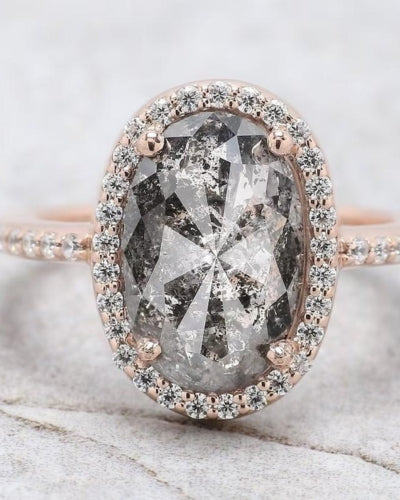
Matching metals influence perception — rose gold can add warmth to near-colorless stones, while platinum or white gold emphasize brightness. Pair a long oval with tapered baguettes or delicate pavé for balance.
Infographic placeholders
Use the images below as infographic placeholders for Shopify uploads.
Oval diamond anatomy


Related pages at FancyDiamondJewels
Explore our curated selections and resources on FancyDiamondJewels:
- Home — FancyDiamondJewels
- Lab Grown Diamond Engagement Rings
- Featured Oval Ring (Example product)
- Contact & Support
Frequently Asked Questions
What is the best length-to-width ratio for an oval diamond?
Most buyers prefer 1.30–1.50. Personal taste and finger shape matter — request images and try sample ratios to decide.
Do oval diamonds show a bow-tie?
They can. A well-cut oval minimizes the bow-tie; inspect photos and videos before purchase.
Are oval diamonds more expensive than round diamonds?
Generally, ovals cost less per carat than ideal-cut rounds because round brilliants are in higher demand and have stricter cutting standards.
What settings suit oval diamonds best?
Solitaire, halo, three-stone, and bezel all work well. Your lifestyle should influence the final choice.
How to clean an oval diamond ring?
Soak in warm water with mild soap, gently brush with a soft brush, and dry with lint-free cloth. Avoid harsh chemicals.
Can I customize an oval ring at FancyDiamondJewels?
Yes — we offer custom settings, metal choices, and side-stone options. Contact our team via the contact page.
Are oval diamonds a good choice for engagement rings?
Absolutely. Their flattering silhouette and strong face-up presence make them a popular engagement choice.
How do I avoid a visible bow-tie?
Ask for videos, request symmetry info, and choose stones with balanced facet patterns. Our experts can guide you.
What certificates should I ask for?
GIA and IGI are common. Request the grading report to verify cut, color, clarity, and measurements.
Do oval diamonds suit men’s rings?
Yes. Their elongated profile works well in signet-style and cluster settings for men.


Leave a comment
This site is protected by hCaptcha and the hCaptcha Privacy Policy and Terms of Service apply.