
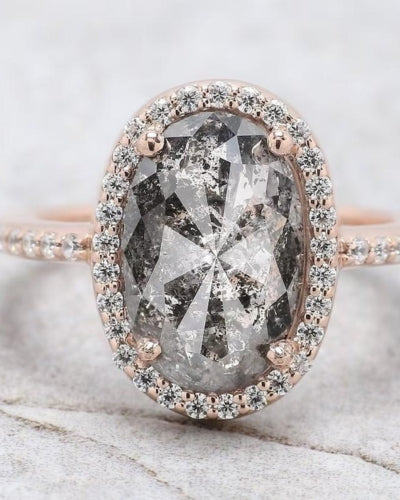
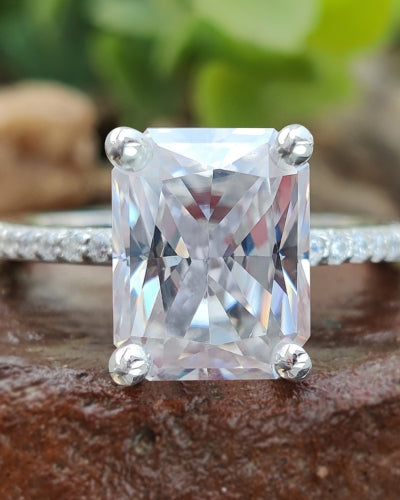
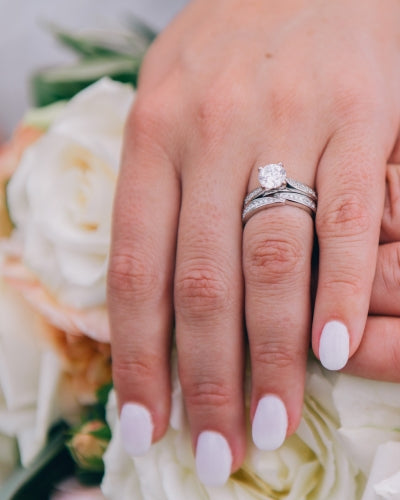
August Birthstone Jewelry: Complete Guide to Peridot, Spinel & Sardonyx
Few things capture personal identity, celebration, and familial legacy quite like birthstone jewelry. While many months claim a single gem, August proudly presents a magnificent triumvirate: peridot, spinel, and sardonyx. Each gemstone brings a completely distinct color palette, structural composition, and rich historical backstory. From ancient Egyptian pharaohs who adored peridot as the "Gem of the Sun" to European monarchs who unknowingly cherished magnificent spinels disguised as rubies, August birthstones are steeped in fascination.
In this ultimate fine jewelry guide, we will examine every facet of August birthstone jewelry. We will analyze gemological data, explore high-fashion styling trends, compare durability ratings, outline step-by-step custom design workflows, and address frequently asked questions. Whether you are shopping for a milestone birthday, an anniversary, or an heirloom gift, this guide provides all the expert insights you need.
Table of Contents
- 1. Introduction to August Birthstones
- 2. Peridot: The Gem of the Sun
- 3. Peridot Gemological Properties & Quality Factors
- 4. Peridot Jewelry Styles & Modern Trends
- 5. Spinel: History, Royalty & Misidentification
- 6. Spinel Colors, Hardness & Valuation
- 7. Spinel Jewelry Designs & Engagement Rings
- 8. Sardonyx: The Ancient Stone of Strength
- 9. Sardonyx Characteristics & Carving Heritage
- 10. Sardonyx Rings, Cameos & Talismans
- 11. Comprehensive Comparison Chart of August Birthstones
- 12. Choosing the Best Precious Metals for August Birthstones
- 13. Step-by-Step Guide: Designing Custom August Birthstone Jewelry
- 14. Pros and Cons of Peridot, Spinel & Sardonyx Jewelry
- 15. Expert Care, Cleaning & Maintenance Guide
- 16. Real-World Case Studies & Heirloom Transformations
- 17. E-E-A-T Real-Experience Insights from Master Jewelers
- 18. Frequently Asked Questions (FAQs)
1. Introduction to August Birthstones
The tradition of birthstones spans centuries, evolving from ancient astrological breastplates and calendar correlations to modern commercial jewelry standards established by gemological associations. August is uniquely honored with three official birthstones, providing wearers with an incredible spectrum of choices ranging from brilliant lime greens and deep fiery reds to contrasting bands of white and rich brown.
Why three stones? Historical additions reflect changing global gem supplies, consumer demand, and scientific breakthroughs in gemology. Peridot has been the traditional anchor for centuries. Spinel was officially added to modern birthstone lists to give August babies a durable, highly brilliant gemstone available in nearly every color of the rainbow. Sardonyx represents one of antiquity's most cherished talismans, valued for millennia for its striking linear bands.
Exquisite gold jewelry collection featuring brilliant gemstones
2. Peridot: The Gem of the Sun
Peridot is one of the few gemstones formed not in the Earth's crust, but deep within the mantle, brought to the surface by volcanic activity. Some peridot crystals even arrive on Earth via meteorites, making them literally extraterrestrial treasures. Ancient Egyptians called peridot the "Gem of the Sun," believing it protected its wearers from the terrors of the night and brought inner peace.
Historically, many famous "emeralds" worn by royalty—including legendary collections attributed to Cleopatra—were actually magnificent peridots. Miners on Zabargad Island in the Red Sea harvested peridots under the cover of night, believing that the stones' green glow made them easily locatable in daylight. Today, peridot remains celebrated for its signature organic warmth and lively daylight brilliance.
3. Peridot Gemological Properties & Quality Factors
Understanding the 4Cs (Color, Clarity, Cut, and Carat weight) is essential when selecting peridot jewelry. Unlike diamonds, which are judged on absolute colorlessness, peridot is prized for the purity and saturation of its green hue.
- Chemical Composition: Magnesium iron silicate
- Mohs Hardness: 6.5 to 7 (requires mindful wear in rings)
- Refractive Index: 1.654 – 1.690 (strong double refraction)
- Color Range: Pure grass green, yellowish-green, olive, and brownish-green
- Clarity: Typically eye-clean; may contain characteristic disk-like inclusions called "lily pads"
When evaluating peridot, look for stones with a vivid lime or grass green tone without excessive yellow or brown undertones. Larger peridots (over 5 carats) often exhibit deeper, richer saturation because light travels a longer path through the crystal lattice.
4. Peridot Jewelry Styles & Modern Trends
Peridot's organic citrus-green sparkle makes it exceptionally popular in nature-inspired fine jewelry. Designers frequently pair peridot with yellow gold to amplify its warm undertones, or with white gold and platinum for a crisp, contemporary contrast.
Popular peridot jewelry configurations include:
- Solitaire Rings: Showcasing oval or cushion-cut peridots on delicate yellow gold bands.
- Halo Pendant Necklaces: Surrounded by sparkling diamond halos to elevate its everyday elegance.
- Cluster Drop Earrings: Combining peridot with contrasting gems like citrine or pink tourmaline for a vibrant botanical aesthetic.

5. Spinel: History, Royalty & Misidentification
Spinel is perhaps the most fascinating undercover agent in gem history. For centuries, red spinel was routinely mistaken for ruby. The famous "Black Prince's Ruby" set in the British Imperial State Crown and the "Timur Ruby" in the British Crown Jewels are actually magnificent red spinels. Because ruby and spinel form in similar geological environments and often occur together in marble deposits, ancient gem traders could not distinguish between them.
It was not until the late 18th century that gemologists formally separated spinel as an independent mineral species with its own chemical formula. Today, gem connoisseurs prize spinel for its exceptional brilliance, natural untreated clarity, and stunning array of vivid colors.
6. Spinel Colors, Hardness & Valuation
Spinel is an exceptionally durable and versatile gemstone, making it a favorite among modern jewelry designers and collectors.
- Chemical Composition: Magnesium aluminum oxide
- Mohs Hardness: 8 (outstanding durability for daily wear)
- Refractive Index: 1.719 (single refractive, minimizing double-image doubling)
- Color Range: Vivid red, cobalt blue, pastel pink, lavender, violet, gray, and black
- Treatments: Unlike many rubies and sapphires, spinel is rarely heat-treated or enhanced
Cobalt blue spinel is among the rarest and most valuable varieties, exhibiting an electric neon saturation that rivals top-tier sapphires. Vivid pink and bright red spinels also command premium prices due to their intense saturation and exceptional optical clarity.

7. Spinel Jewelry Designs & Engagement Rings
Because spinel ranks 8 on the Mohs scale, it is exceptionally well-suited for engagement rings and daily-wear heirloom pieces. Its superior brilliance and dispersion rival diamonds and sapphires, offering incredible sparkle.
Trending spinel jewelry styles include:
- Three-Stone Engagement Rings: Featuring a vivid pastel pink or cobalt blue spinel center stone flanked by tapered diamond baguettes.
- Vintage Art Deco Rings: Geometric settings featuring step-cut black or gray spinels accented by milgrain detailing.
- Stackable Eternity Bands: Alternating round brilliant spinels and natural diamonds for a sophisticated color-pop wedding stack.
8. Sardonyx: The Ancient Stone of Strength
Sardonyx is one of the oldest gemstones known to human civilization, with a recorded history spanning over 4,000 years. Ancient Roman soldiers carved images of Mars and Hercules into sardonyx intaglios, believing the stone imparted courage, physical strength, and victory in battle. During the Renaissance, sardonyx was prized for intricate cameo carvings where contrasting layers of white chalcedony and reddish-brown sard created stunning relief portraits.
As the original traditional August birthstone before peridot and spinel gained prominence, sardonyx embodies classical antiquity and symbolic protection.
9. Sardonyx Characteristics & Carving Heritage
Sardonyx is a banded variety of chalcedony quartz, characterized by alternating layers of sard (brownish-red to dark orange chalcedony) and onyx (white or black bands).
- Mineral Family: Quartz / Chalcedony
- Mohs Hardness: 6.5 to 7
- Lustre: Vitreous to waxy
- Distinctive Feature: Opaque to translucent parallel bands of contrasting color
The true artistry of sardonyx lies in glyptics—the ancient art of gemstone carving. Master artisans carve through the upper white layer into the dark sard base, creating breathtaking multi-toned cameos and signet rings.

10. Sardonyx Rings, Cameos & Talismans
Sardonyx is predominantly fashioned into bold signet rings, statement pendants, and engraved cufflinks. Its rich earthy tones pair exceptionally well with antique yellow gold and heavy vintage mountings.
If you appreciate statement jewelry with historical soul, a custom sardonyx signet ring engraved with a family crest or personal monogram offers timeless distinction.
11. Comprehensive Comparison Chart of August Birthstones
| Gemstone | Primary Colors | Mohs Hardness | Refractive Index | Best Jewelry Application |
|---|---|---|---|---|
| Peridot | Lime green, olive, yellowish-green | 6.5 – 7 | 1.654 – 1.690 | Pendants, earrings, bezel rings |
| Spinel | Red, cobalt blue, pink, violet, black | 8.0 | 1.719 | Engagement rings, bracelets, luxury rings |
| Sardonyx | Red-brown with white/black bands | 6.5 – 7 | 1.530 – 1.540 | Signet rings, intaglios, carved cameos |
12. Choosing the Best Precious Metals for August Birthstones
Selecting the right metal accentuates the natural beauty of your August birthstone:
- Yellow Gold: Enhances the organic warmth of peridot and complements the earthy tones of sardonyx.
- White Gold & Platinum: Provides a crisp, modern backdrop that makes cobalt blue and vivid red spinels pop with high-contrast brilliance.
- Rose Gold: Creates a romantic, vintage-inspired pairing with pastel pink and lavender spinels.
13. Step-by-Step Guide: Designing Custom August Birthstone Jewelry
- Select Your Gemstone Variety: Decide whether you want the vibrant green of peridot, the durability and color variety of spinel, or the classical heritage of sardonyx.
- Determine the Carat Weight and Shape: Choose from round, oval, cushion, emerald, or custom cuts. Use our Ring Builder to visualize proportions.
- Choose Your Metal: Pick 14K/18K yellow, white, rose gold, or platinum based on your skin tone and durability needs.
- Select Setting Style: Choose prong settings for maximum light entry, or bezel settings for enhanced gemstone protection.
- Estimate Pricing: Use our Ring Price Calculator to finalize your design budget.
14. Pros and Cons of Peridot, Spinel & Sardonyx Jewelry
- Peridot Pros: Unmatched organic lime radiance, affordable per carat, natural origin.
- Peridot Cons: Softer surface (Mohs 6.5–7), sensitive to rapid thermal shock and harsh acids.
- Spinel Pros: Excellent hardness (Mohs 8), completely untreated natural brilliance, incredible color diversity.
- Spinel Cons: Fine cobalt blue stones can command prices approaching top-grade sapphires.
- Sardonyx Pros: Rich historical tradition, perfect for personalized engravings and cameos.
- Sardonyx Cons: Opaque nature lacks internal fire and brilliance.
15. Expert Care, Cleaning & Maintenance Guide
Proper maintenance ensures your August birthstone jewelry retains its pristine luster for generations:
- Cleaning Solution: Use warm water, mild dish soap, and a soft-bristled toothbrush. Avoid ultrasonic cleaners for peridot and sardonyx.
- Storage: Store each piece in a separate fabric-lined compartment to prevent softer stones from scratching harder gems.
- Chemical Protection: Remove jewelry before swimming in chlorinated water, applying lotions, or performing heavy household cleaning.
16. Real-World Case Studies & Heirloom Transformations
Case Study 1: The Peridot Anniversary Ring
A client celebrating an August wedding anniversary wanted to repurpose a family peridot pendant into a modern three-stone engagement ring. Our master jewelers designed a custom 14K yellow gold setting featuring two tapered side diamonds, balancing peridot's softer durability with secure bezel protection. August Birthstone Jewelry
Case Study 2: The Cobalt Spinel Statement Piece
Seeking an alternative to traditional blue sapphires, a collector commissioned a 3.5-carat vivid blue spinel ring set in platinum with a diamond halo. The resulting piece delivers breathtaking brilliance and enduring everyday wearability.
17. E-E-A-T Real-Experience Insights from Master Jewelers
With decades of hands-on bench experience, our master gemologists have handled thousands of colored gemstones. Peridot requires expert hand-setting because its girdle can be prone to chipping if excessive pressure is applied during prong tightening. Spinel, by contrast, behaves exceptionally well on the bench, holding crisp facet edges and enduring daily wear with minimal degradation. Sardonyx demands master lapidary skill, especially when carving multi-layered cameos where precision depth determines the clarity of the relief.
18. Frequently Asked Questions (FAQs)
Why does August have three birthstones?
August has three official birthstones—peridot, spinel, and sardonyx—to offer a diverse range of colors, historical traditions, and price points. Peridot is the traditional green stone, spinel provides rainbow versatility and superior hardness, and sardonyx represents ancient carving heritage.
Is peridot durable enough for daily engagement ring wear?
Peridot ranks 6.5 to 7 on the Mohs scale. While it can be worn in rings, it requires a protective setting (such as a bezel) and mindful wear to prevent scratching or chipping over time.
How is spinel different from ruby?
While red spinel was historically mistaken for ruby, they are entirely different mineral species. Spinel is a magnesium aluminum oxide with single refraction and an 8 Mohs hardness, whereas ruby is corundum with double refraction and a 9 Mohs hardness.
What is the rarest color of spinel?
Cobalt blue spinel is widely considered the rarest and most coveted variety, prized for its vivid, neon-like blue saturation.
Can sardonyx be cleaned in an ultrasonic jewelry cleaner?
No. Sardonyx is a banded chalcedony quartz containing microscopic porous layers. Ultrasonic vibrations and steam cleaners can fracture or damage the stone.
What metal pairs best with peridot jewelry?
Yellow gold is the classic pairing for peridot because it accentuates the gemstone's warm olive and lime undertones. White gold and platinum provide a sleek, modern contrast.
Are spinel gemstones usually treated or enhanced?
No. Unlike many rubies, sapphires, and emeralds, fine spinels on the market are almost entirely natural and untreated.
How can I design a custom August birthstone ring?
You can design your bespoke ring step-by-step using our interactive Custom Ring Builder [cite: 1.3.2] and calculate estimated costs with our Ring Price Calculator [cite: 1.1.1].
What does sardonyx symbolize?
Sardonyx symbolizes courage, strength, victory, and integrity. In antiquity, Roman soldiers wore sardonyx talismans engraved with protective deities into battle.
How do I determine the right ring size before ordering?
You can easily check your ring measurements and find your precise fit using our online Ring Size Guide tools [cite: 1.3.2] before submitting your final custom order inquiry.


Leave a comment
This site is protected by hCaptcha and the hCaptcha Privacy Policy and Terms of Service apply.