
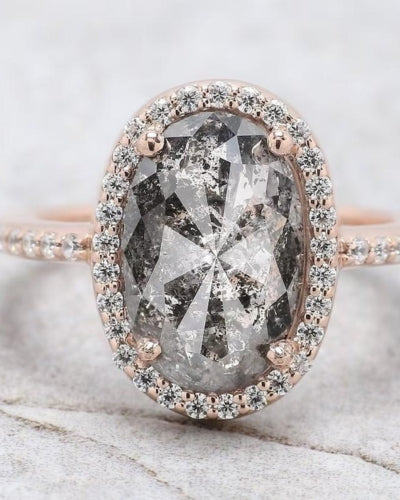
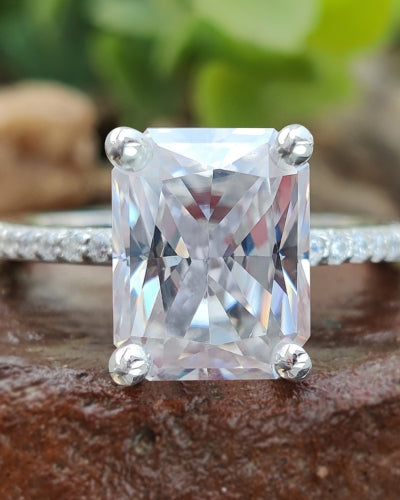
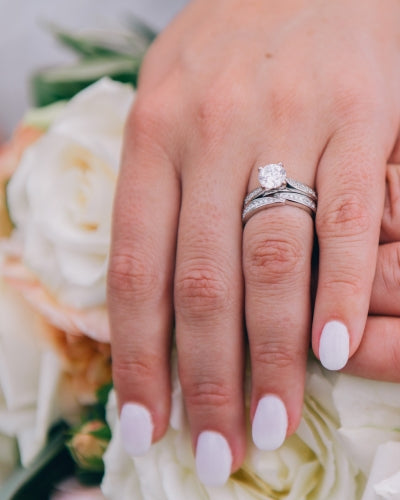
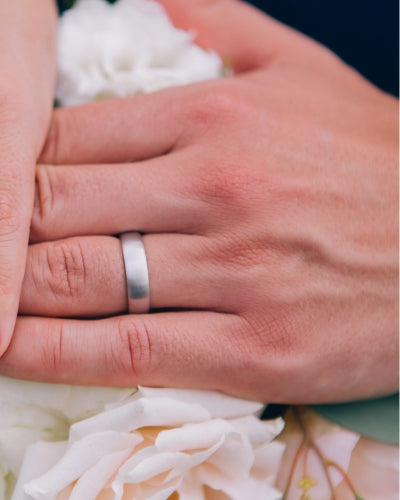
The Complete History of Round Diamond Rings — From Ancient Times to Today

A Timeless Circle of Light: Why Round Diamond Rings Matter

The round diamond ring is more than jewelry—it is a symbol deeply woven into human history. Across civilizations, the circle has represented eternity, unity, and cosmic balance. When combined with diamonds—stones believed to hold divine energy—the result became one of the most powerful adornments known to humanity.
From ancient talismans to royal insignia and modern engagement rings, round diamond rings have evolved alongside human craftsmanship, culture, and romance. fancydiamondjewels.com
Table of Contents
- Ancient Origins of Diamonds
- First Circular Rings
- Symbolism of the Circle
- Ancient India and Diamond Reverence
- Roman Era Ring Traditions
- Medieval Europe
- Renaissance Craftsmanship
- Royal Influence
- Evolution of Diamond Cutting
- Birth of the Round Brilliant Cut
- 20th Century Revolution
- Engagement Ring Tradition
- Setting Styles Over Time
- Modern Diamond Technology
- Ethical & Sustainable Diamonds
- Contemporary Design Trends
- Future of Round Diamond Rings
- FAQs
Ancient Origins of Diamonds
Diamonds were first discovered over 2,500 years ago, primarily in riverbeds of ancient India. Early civilizations believed diamonds were fragments of stars or tears of the gods.
Diamonds as Spiritual Objects
- Used in religious icons
- Believed to protect against evil
- Worn by warriors for strength

The Birth of Circular Rings
The circular ring predates diamonds by thousands of years. Ancient Egyptians exchanged braided reed rings as symbols of eternal love.
Why the Circle?
- No beginning or end
- Symbol of infinity
- Connection to celestial cycles
Symbolism of Round Diamond Rings
| Element | Meaning |
|---|---|
| Circle | Eternity, unity |
| Diamond | Strength, purity |
| Light Reflection | Divine energy |
Ancient India: The Diamond Cradle
India was the sole source of diamonds until the 18th century. Round diamonds were worn uncut, polished naturally by river flow.
Roman Era Rings
Romans popularized metal rings set with gemstones. Diamonds became status symbols among senators and emperors.
Medieval Europe
During the Middle Ages, diamonds were believed to cure illness and strengthen marriages.
Renaissance Craftsmanship
Advances in lapidary techniques allowed more refined shaping, though true round brilliance was still centuries away.
Royal Influence on Round Diamond Rings
European monarchs elevated diamonds as symbols of divine right and power.
Historic royal diamond ring with round center stone
Evolution of Diamond Cutting

Key Milestones
- Point Cut (14th century)
- Table Cut (15th century)
- Old Mine Cut (18th century)
- Old European Cut (19th century)
The Birth of the Round Brilliant Cut

In 1919, Marcel Tolkowsky mathematically perfected the round brilliant cut, maximizing light return.
20th Century Diamond Revolution

Mass production, global marketing, and refined cutting transformed round diamond rings into universal symbols of love.
The Engagement Ring Tradition
Round diamond engagement rings became dominant due to brilliance, symmetry, and emotional symbolism. Round engagement rings

Ring Settings Through the Ages
- Bezel
- Prong
- Halo
- Solitaire
Modern Diamond Technology
Laser cutting, 3D modeling, and precision grading have elevated round diamond rings to new standards.
Ethical & Sustainable Diamonds
Modern buyers value transparency, responsible sourcing, and craftsmanship integrity.
Contemporary Design Trends

- Minimalist solitaires
- Vintage-inspired halos
- Hidden details
The Future of Round Diamond Rings
The round diamond ring continues to evolve—blending ancient symbolism with modern innovation. round diamond ring
Frequently Asked Questions
Why are round diamond rings the most popular?
They offer maximum brilliance, timeless appeal, and versatile design compatibility.
When did round diamonds become common?
After the early 20th century with the invention of the round brilliant cut.
Are round diamonds more expensive?
Yes, due to higher rough wastage and demand.
Did ancient rings use round diamonds?
They used naturally rounded or polished stones, not precision cuts.
What metal suits round diamond rings best?
Platinum and white gold highlight brilliance, while yellow gold adds warmth.
Are round diamonds durable?
Yes, they are among the most durable shapes due to symmetrical structure.
What setting shows the most sparkle?
Prong and halo settings maximize light exposure.
Do round diamonds hold value?
They retain value well due to universal demand.
Are vintage round rings still relevant?
Absolutely—vintage styles are increasingly sought after.
Will round diamond rings remain timeless?
Their symbolism and brilliance ensure enduring popularity.


Leave a comment
This site is protected by hCaptcha and the hCaptcha Privacy Policy and Terms of Service apply.